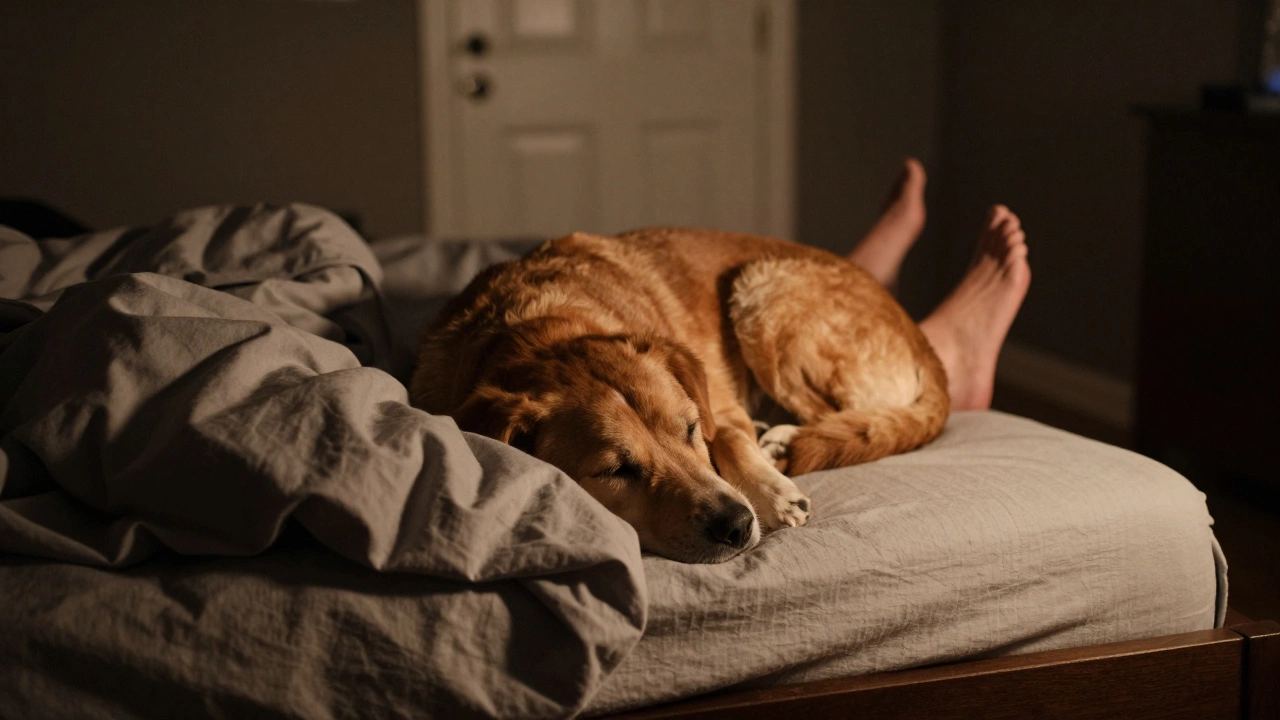
Ever watch your dog sleep curled up next to your feet, or hear them sigh when you sit down after a long day? That’s not just coincidence. Dogs don’t just live with us-they form real emotional bonds. But how do you know if your dog is truly bonded to you, and not just used to your routine? It’s not about obedience or fancy tricks. It’s about quiet, everyday moments that say more than words ever could.
Your dog follows you around the house
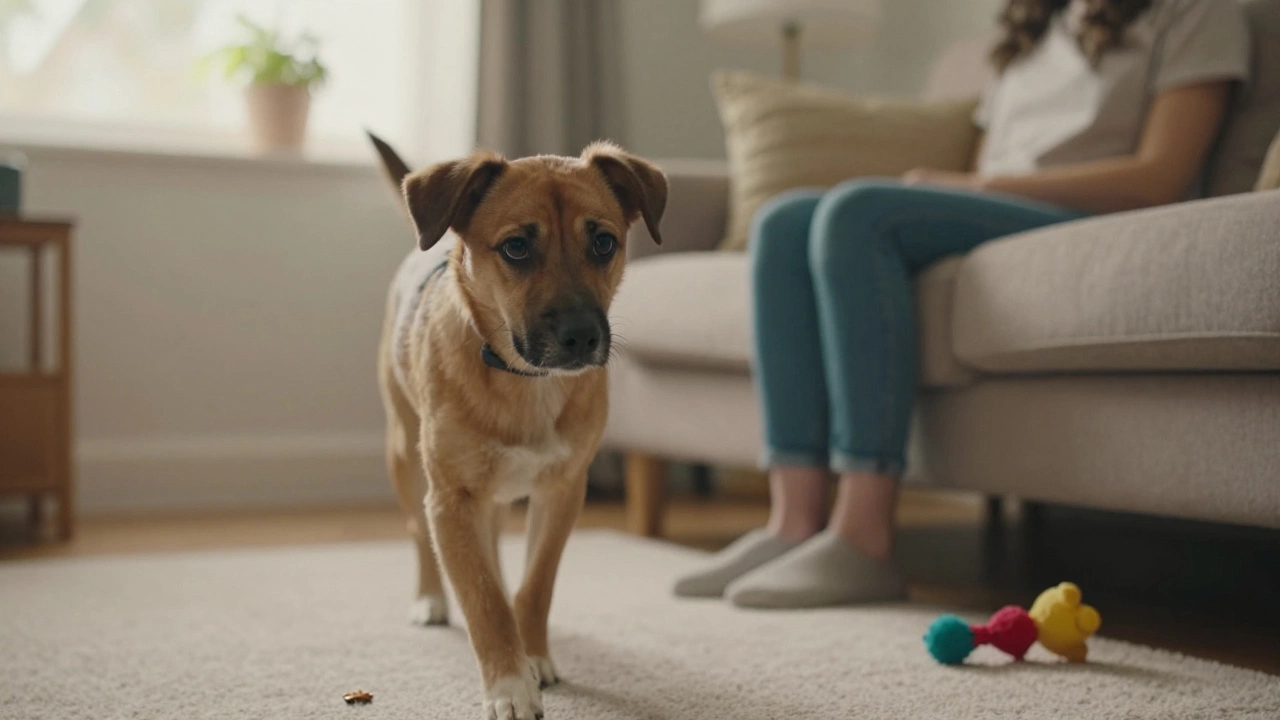
If your dog shadows you from room to room-even when there’s no food, no walk, and no toy in sight-you’re seeing a sign of deep attachment. This isn’t curiosity. It’s loyalty. A dog who’s bonded to you doesn’t need a reason to stay close. They just want to be near you. You might catch them sitting quietly in the bathroom while you shower, or lying on the floor beside your desk while you work. That’s not laziness. That’s trust.
They check in with you before doing anything
Ever notice your dog pause before running to the door, going for a snack, or even barking at a squirrel? They glance at you first. This is called social referencing. Dogs look to their people for cues on how to react. If your dog waits for your nod before jumping into the car, or looks back at you when they hear a loud noise, they’re not being obedient-they’re seeking reassurance. That’s the behavior of a dog who sees you as their safe base.
Your dog chooses you over food or toys
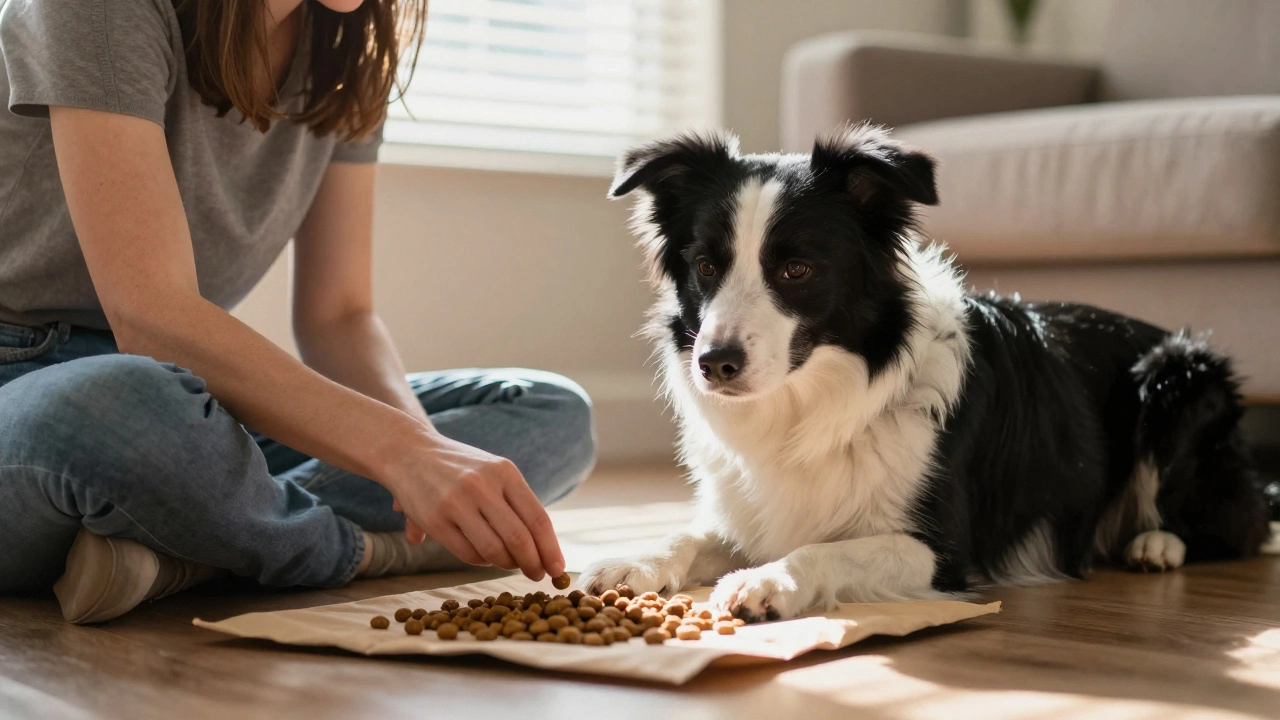
Here’s a simple test: sit on the floor with a treat in one hand and a favorite toy in the other. Then just sit quietly. If your dog comes to you first-not for the treat, not for the toy, but just to rest their head on your lap or nuzzle your hand-they’ve chosen connection over reward. Studies from the University of Lincoln show that dogs with strong bonds to their owners prefer human interaction over food 70% of the time. That’s not training. That’s love.
They sleep on or near you
Dogs don’t just pick any spot to sleep. They pick where they feel safest. If your dog ignores their own bed and insists on sleeping on your pillow, at the foot of your bed, or pressed against your side, they’re not being stubborn. They’re choosing proximity. Even if your bed is too warm, too hard, or too small for them, they still pick it. That’s because your scent, your rhythm, your breathing-they’re comforting. A dog who sleeps with you isn’t just cold. They’re emotionally attached.
Your dog gets anxious when you leave
Separation anxiety isn’t always loud. Some dogs don’t chew shoes or bark nonstop. Instead, they sit by the door, stare at it, or just lie down and wait. Their whole body goes still. That’s not bad behavior. That’s heartbreak. Dogs who are bonded feel your absence like a physical gap. They don’t just miss the walk or the meals-they miss you. If your dog seems quieter, less playful, or just… off when you’re gone, it’s not because they’re bored. It’s because they’re missing their person.
They mirror your emotions
When you’re sad, does your dog nudge your hand gently? When you’re happy, do they bounce around like they’re sharing the joy? Dogs don’t just respond to tone-they pick up on emotional energy. Research from the University of Vienna found that dogs synchronize their heart rates with their owners during moments of stress and calm. That’s biological bonding. If your dog seems to know exactly when you need a hug, even before you say anything, they’ve learned to read you-not because they were trained, but because they care.
You’re their first choice in a crowd
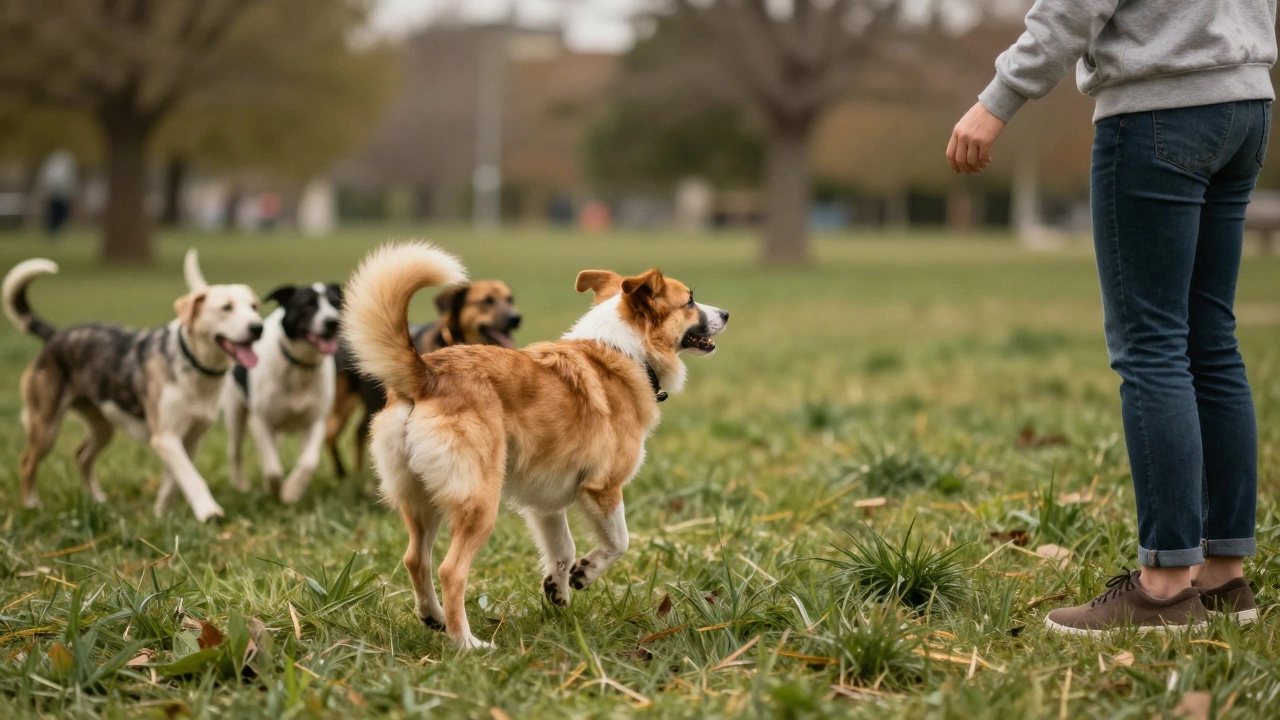
Take your dog to a park. Let them off-leash. Watch where they go. If they run to check on other dogs, sniff the grass, then come right back to you-without being called-that’s the sign of a true bond. They could play with other dogs. They could chase a squirrel. But they choose you. That’s not obedience. That’s devotion. Dogs who are bonded don’t just tolerate us. They actively seek us out, even when better options are right in front of them.
Why this matters
Knowing your dog is bonded to you isn’t just about feeling loved. It’s about understanding their emotional world. A bonded dog is calmer, more confident, and easier to train. They handle stress better. They recover faster from illness or change. And when you’re gone, they don’t just wait-they remember. That’s why dogs who’ve formed strong bonds with their people often grieve deeply when they’re lost.
It’s also why a dog bed matters. Not because it’s soft or expensive. But because it’s their space when you’re not there. A bonded dog will still choose your bed over theirs-but if you give them a bed with your scent on it, or one that smells like home, they’ll rest easier. That’s the quiet power of a bond: it doesn’t need words. It just needs presence.
Can a dog be bonded to more than one person?
Yes, dogs can bond with multiple people, but they usually have one primary attachment-the person who feeds them, walks them, and spends the most quiet time with them. That’s often the person they follow around, sleep next to, and check in with most often. Other family members might be trusted, but the bond is usually strongest with one.
What if my dog doesn’t seem attached to me?
It doesn’t mean they don’t love you. Some dogs are naturally more reserved, especially if they came from a shelter or had a rough start. Bonding takes time. Start small: sit quietly with them for 10 minutes a day, no talking, no touching-just being there. Offer treats only when they come to you, not when they beg. Let them approach you. It’s not about forcing affection-it’s about building trust slowly. Many dogs who seemed distant end up becoming the most loyal companions once they feel safe.
Do dogs bond differently based on breed?
Some breeds are more naturally clingy-like Golden Retrievers, Cavalier King Charles Spaniels, or Border Collies. Others, like Basenjis or Afghan Hounds, are more independent. But breed doesn’t decide everything. A dog’s early experiences matter more. A fearful Shiba Inu may never be cuddly, but can still form a deep bond by learning you’re their safe place. Bonding is about consistency, not personality.
How long does it take for a dog to bond with you?
There’s no set timeline. Some dogs show signs in days. Others take months. The 3-3-3 rule is a helpful guide: 3 days to feel safe, 3 weeks to settle in, 3 months to fully bond. But every dog is different. What matters is consistency. Daily walks, quiet time, and gentle routines build trust faster than treats or toys. Don’t rush it. Let them come to you.
Does a dog’s bond change as they age?
Yes, but usually in subtle ways. Older dogs may sleep more, move slower, or seem less playful. But their bond often deepens. They may rest their head on your knee more often, or follow you more closely. Their need for reassurance grows. If your senior dog suddenly seems distant, it’s not because they’re less attached-it might be pain, hearing loss, or confusion. Check with a vet. Their love hasn’t faded. They just need a little extra help to show it.