Dog Groom Time Estimator
Ever booked a 90-minute slot for your fluffy friend, only to watch them vanish behind the curtain for four hours? You aren't alone. The question of how long a full groom actually takes is one of the most common sources of frustration-and surprise-for dog owners. It’s not just about cutting hair; it’s a complex process involving washing, drying, brushing, and styling that varies wildly depending on what kind of dog you own.
If you’re planning your day around a grooming appointment, guessing wrong can throw off your entire schedule. More importantly, understanding the timeline helps you gauge whether a groomer is rushing your pet or taking the necessary time to do a job well done. A proper groom isn’t a race; it’s a careful procedure to keep your dog healthy and comfortable.
The Anatomy of a Full Groom: Why It Takes Time
To understand why a groom might take three hours instead of thirty minutes, you have to look at the steps involved. Many owners assume a "groom" is just a haircut. In reality, a full service is a multi-stage production line where each step depends on the previous one being done correctly.
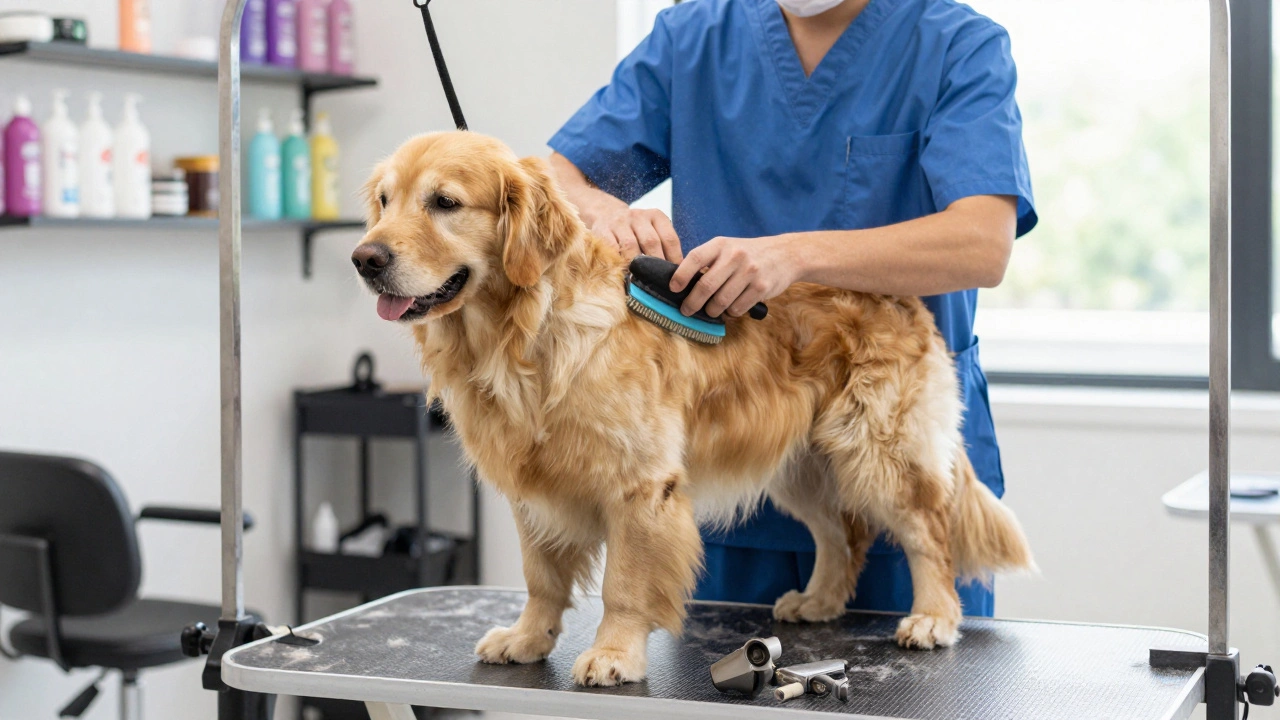
- Pre-Groom Brush Out: Before any water touches the coat, the groomer must remove mats and tangles. If this is skipped, the water will tighten knots into painful cement-like blocks. For medium-haired dogs, this alone can take 15-30 minutes.
- Bathing and Conditioning: This isn't a quick rinse. Professional shampoos need time to sit and work on the skin and coat. Deep conditioners are left in for several minutes to restore moisture stripped by frequent baths.
- Drying (The Biggest Variable): This is where the clock really ticks. Fluff drying (using high-velocity dryers) requires physically working through every layer of the coat until it is bone-dry. If even one patch remains damp, the dog risks developing hot spots or fungal infections later. For double-coated breeds like Huskies or Golden Retrievers, this step can consume an hour or more.
- Clipping and Styling: Using clippers on thick fur generates heat and requires slow, steady passes to avoid nicks. Scissoring around the face, paws, and sanitary areas demands precision and patience.
- Finishing Touches: Nail grinding, ear cleaning, and anal gland expression are standard inclusions but add 10-15 minutes to the end of the session.
When you add these up, you see that the "cut" is often the fastest part of the process. The prep and drying are the heavy lifters.
Time Estimates by Dog Size and Coat Type
Not all dogs are created equal when it comes to grooming time. A Chihuahua with a short coat will fly through the station, while a Standard Poodle with a dense, curly coat is a marathon event. Here is a realistic breakdown based on industry standards for professional salons in 2026.
| Dog Category | Examples | Estimated Time | Key Factors |
|---|---|---|---|
| Tiny / Short Coat | Chihuahua, Mini Pinscher | 45 - 60 minutes | Fast drying, minimal brushing needed. |
| Small / Medium Coat | Pomeranian, Shih Tzu, Yorkie | 1.5 - 2.5 hours | Dense undercoat, intricate facial scissoring. |
| Medium / Long Coat | Cocker Spaniel, Bearded Collie | 2.5 - 3.5 hours | Heavy matting risk, extensive fluff drying. |
| Large / Double Coat | Golden Retriever, German Shepherd | 2 - 3 hours | Massive volume, but less clipping required. |
| Giant / Curly Coat | Standard Poodle, Giant Schnauzer | 3.5 - 5+ hours | Extremely dense hair, complex styling, long drying times. |
Notice that size doesn't always equal time. A small Bichon Frise can take longer than a large Labrador because the Bichon’s coat is denser and requires more detailed scissoring work. The texture and density of the hair are far more significant predictors of duration than the weight of the animal.
Why Your Dog Might Stay Longer Than Expected
You’ve booked a two-hour window, but your groomer calls to say they’ll be another hour. What happened? Several factors can extend a grooming session beyond the initial estimate.
Matting and Tangles
This is the number one reason grooms run late. If a dog hasn’t been brushed between appointments, the groomer faces a dilemma. They can shave the mats off (which is faster but may disappoint owners who want a haircut), or they can painstakingly brush them out. Brushing out severe mats is labor-intensive and stressful for the dog. Responsible groomers prioritize the dog's comfort over speed, which means taking breaks and working slowly to prevent skin irritation.
Dog Temperament and Anxiety
A calm dog is a fast dog. An anxious, growling, or struggling dog requires the groomer to proceed with extreme caution. Safety comes first. If a dog bites or thrashes, the groomer may need to stop, let the dog settle, or use a muzzle. These pauses add significant time. Some salons even charge extra for "difficult" dogs because the labor intensity doubles when you can't work efficiently.
Skin Conditions and Health Issues
If your dog has hot spots, rashes, or parasites, the groomer must handle those areas delicately. They might need to consult with you before proceeding with certain parts of the groom. Additionally, dogs with sensitive skin require hypoallergenic products and gentler handling, which slows down the bathing and drying phases.
The Difference Between a Trim and a Full Groom
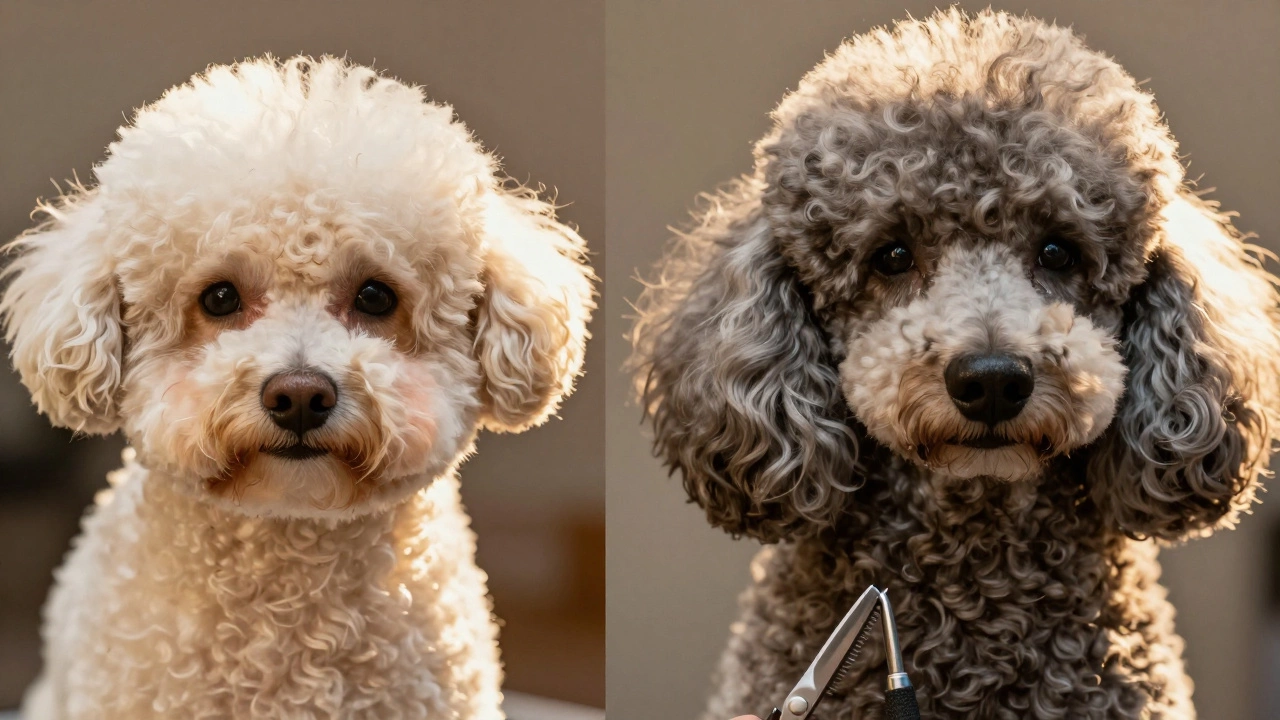
Confusion often arises because terms like "trim," "bath and tidy," and "full groom" are used interchangeably by different businesses. Knowing the difference helps you set expectations for both time and cost.
- Bath and Blow-Dry: Includes washing, conditioning, drying, and a light brush-out. No clipping. Time: 1-2 hours.
- Puppy Prep: Designed for young dogs to get them used to the noise and sensation. Includes gentle handling, nail trims, and a bath. Minimal clipping. Time: 45-90 minutes.
- Full Groom: The complete package described above, including breed-specific cuts or full-body shaves. Time: 2-5 hours depending on breed.
- Express Lick: Usually just nails, ears, and a quick brush. Time: 30-45 minutes.
If you only need nail trims and a bath, booking a "full groom" slot is a waste of money and time. Always clarify exactly what services are included in the price quoted by your local salon.
How to Prepare Your Dog to Speed Up the Process
You can actively influence how long your dog spends in the grooming chair. Proper preparation at home reduces the workload for the professional, leading to a smoother, faster, and cheaper experience.
Brush regularly. This cannot be overstated. Brushing your dog’s coat once or twice a week prevents mats from forming. When you bring a detangled dog to the groomer, they can skip the arduous pre-brush phase and move straight to bathing. For long-haired breeds, this single habit can shave 30-45 minutes off the appointment time.
Exercise before the appointment. A tired dog is a calm dog. Take your pup for a long walk or play session right before dropping them off. This burns off excess energy and anxiety, making them more likely to lie still during the clip. An energetic, barking dog forces the groomer to work slower and more cautiously.
Communicate health issues. Let the groomer know if your dog has hip dysplasia, arthritis, or fear triggers. If a groomer knows a dog is stiff in the hind legs, they can adjust their positioning techniques immediately rather than struggling to figure it out mid-groom. This proactive communication saves time and prevents injury.
Red Flags: When a Groom Is Too Fast
While we’ve discussed why grooms take a long time, there’s also a danger in grooms that are too fast. If your 40-pound Doodle comes back looking perfect after only 45 minutes, something was likely cut corners.
Did they skip the deep brush-out? Are there hidden mats under the top layer that will turn into painful knots in two weeks? Did they rush the drying, leaving moisture trapped against the skin? A high-quality groomer values thoroughness over turnover rate. In the current market, reputable groomers often book weeks in advance precisely because they refuse to rush. If a salon promises a "one-hour full groom" for a medium-sized, long-haired dog, ask yourself what they are skipping.
Final Thoughts on Scheduling
Planning for a dog groom requires flexibility. Block out half a day, not just a couple of hours. Use this time to run errands, work from a café, or simply relax knowing your dog is getting the care they need. Remember, the groomer is working on your best friend’s body. Precision, safety, and comfort should always outweigh speed. By understanding the process and preparing your dog properly, you ensure that the time spent in the salon results in a happy, healthy, and beautifully groomed companion.
How long does a full groom take for a Golden Retriever?
A full groom for a Golden Retriever typically takes between 2 to 3 hours. Although they don't usually get clipped short, their thick double coat requires extensive brushing and high-velocity drying to prevent skin issues. If the dog has matted fur, add an additional hour or more.
Is it normal for a groom to take 4 hours?
Yes, it is completely normal for larger breeds with curly or dense coats, such as Standard Poodles, Giant Schnauzers, or heavily matted dogs. Complex styling, severe mat removal, and anxious behavior can easily extend a session to 4 or even 5 hours. Quality grooming is a slow, meticulous process.
Why does my small dog take so long to groom?
Small dogs like Shih Tzus, Yorkies, and Bichons often have very dense coats that require intricate scissoring around the face, feet, and sanitary areas. Additionally, small dogs can be more nervous, requiring the groomer to work slower to ensure safety. The detail work involved often makes their groom last longer than a simple bath-and-blow for a larger dog.
Can I stay with my dog during the groom to save time?
Most professional salons do not allow owners to stay during the groom. Your presence can distract the dog, causing them to become anxious or excited, which actually slows down the process and increases safety risks. Groomers are trained to manage dog behavior independently, and a quiet environment helps them work efficiently.
What happens if my dog is matted when I drop them off?
If your dog is severely matted, the groomer may recommend shaving the coat down to the skin rather than attempting to brush it out. Brushing out tight mats is painful and can cause skin tears. Shaving is faster and safer. However, if the mats are loose, the groomer may spend extra time hand-demattng, which will significantly increase the duration and potentially the cost of the appointment.
Does the season affect how long a groom takes?
Indirectly, yes. In spring and fall, many double-coated dogs blow their undercoat, resulting in more shedding and heavier brushing requirements. This can add 15-30 minutes to the pre-groom brush-out phase. Additionally, humid weather can make drying coats take longer, extending the overall appointment time.