Dog Bed Placement Advisor
This tool helps you determine the best location for your dog's bed based on their individual needs and your household environment. Simply answer the questions below to get personalized recommendations.
Where you put your dog’s bed isn’t just about space-it’s about trust, routine, and how your dog sees the world. If you’ve ever wondered whether your dog should sleep in the living room or the bedroom, you’re not alone. Millions of dog owners face this exact choice, and the answer isn’t one-size-fits-all. But there are clear, practical reasons why one spot might work better than the other-for both you and your dog.
Why Location Matters More Than You Think
Dogs aren’t just pets; they’re pack animals. In the wild, wolves sleep close to their pack for safety and warmth. Your dog still carries that instinct. Where you place their bed sends a message: Are you part of their pack? A bed in the bedroom says, You’re family, and you sleep with us. A bed in the living room says, You’re welcome here, but you’re on your own. That’s not judgment-it’s biology.Studies from the University of Bristol’s Animal Behaviour Centre show that dogs who sleep near their owners report lower stress levels during nighttime. Their heart rates drop faster, and they wake up less often. That doesn’t mean your dog needs to be on your pillow. It means proximity matters. A bed in the bedroom, even if it’s on the floor next to your bed, creates a quiet, secure rhythm that dogs naturally respond to.
Living Room: Convenience vs. Distraction
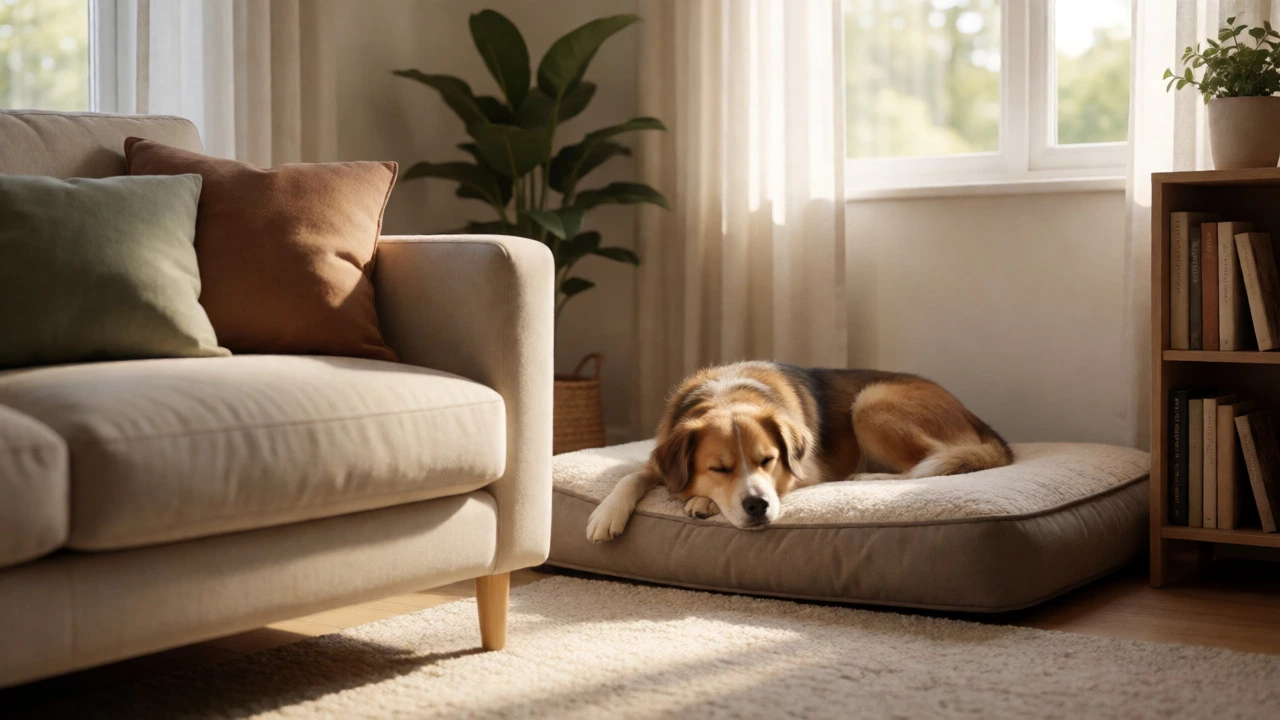
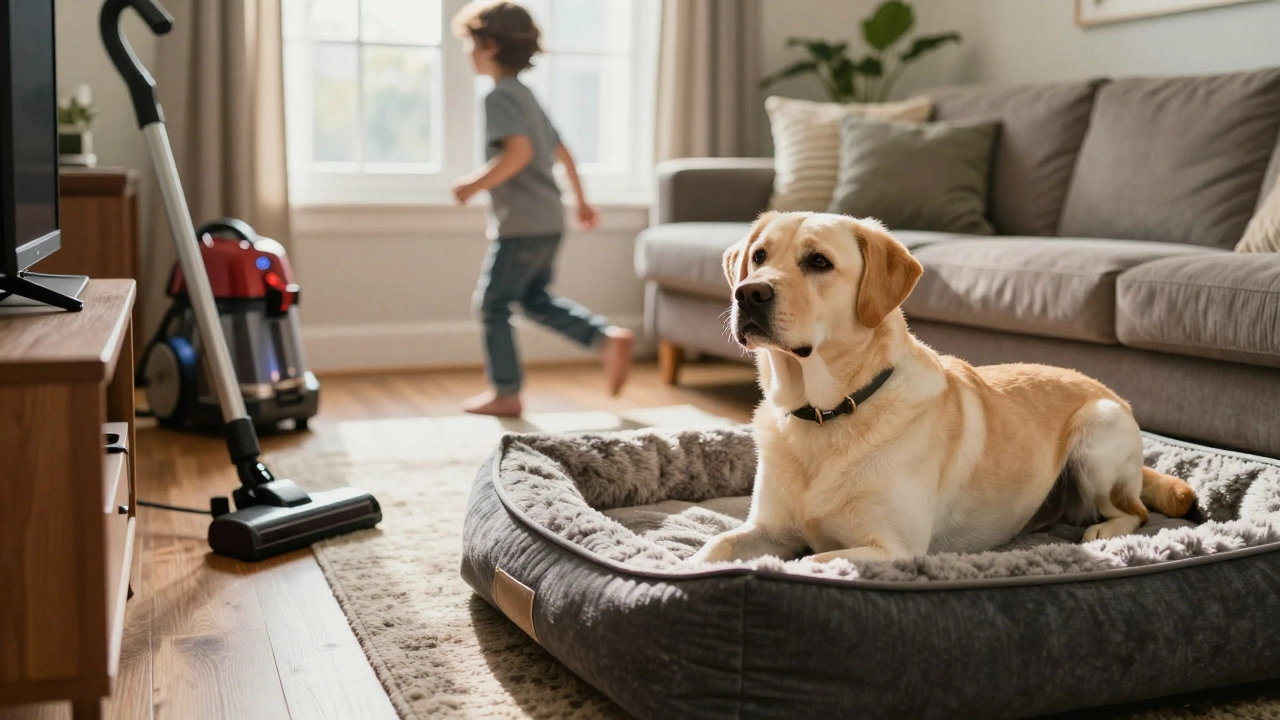
The living room is tempting. It’s warm, it’s central, and your dog can watch you while you watch TV. But here’s the catch: the living room is a hub. People come and go. The doorbell rings. The TV blares. Kids run through. The vacuum cleaner roars. For a dog with anxiety, sensory overload isn’t rest-it’s chaos.Some dogs thrive in this energy. Breeds like Labrador Retrievers or Beagles often love being where the action is. But smaller, older, or sensitive dogs-like Chihuahuas, Greyhounds, or rescue dogs with trauma histories-can become overwhelmed. Their sleep becomes shallow. They start pacing. They might even start barking at noises they used to ignore.
And let’s not forget the human side. If you’re trying to sleep in the same house but not in the same room, a dog in the living room might still be awake when you’re trying to rest. A late-night snack run, a sudden sneeze, or a dreamy leg twitch can keep your dog alert-and you awake.
Bedroom: The Quiet Zone Advantage
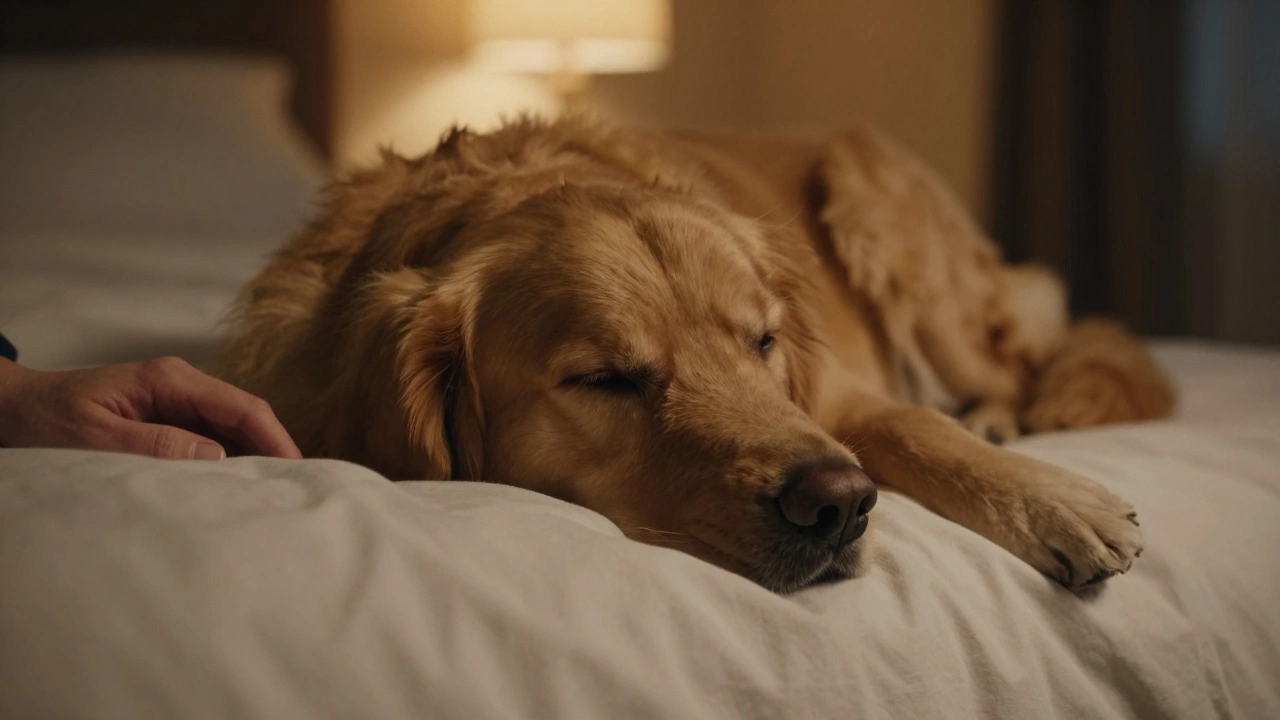
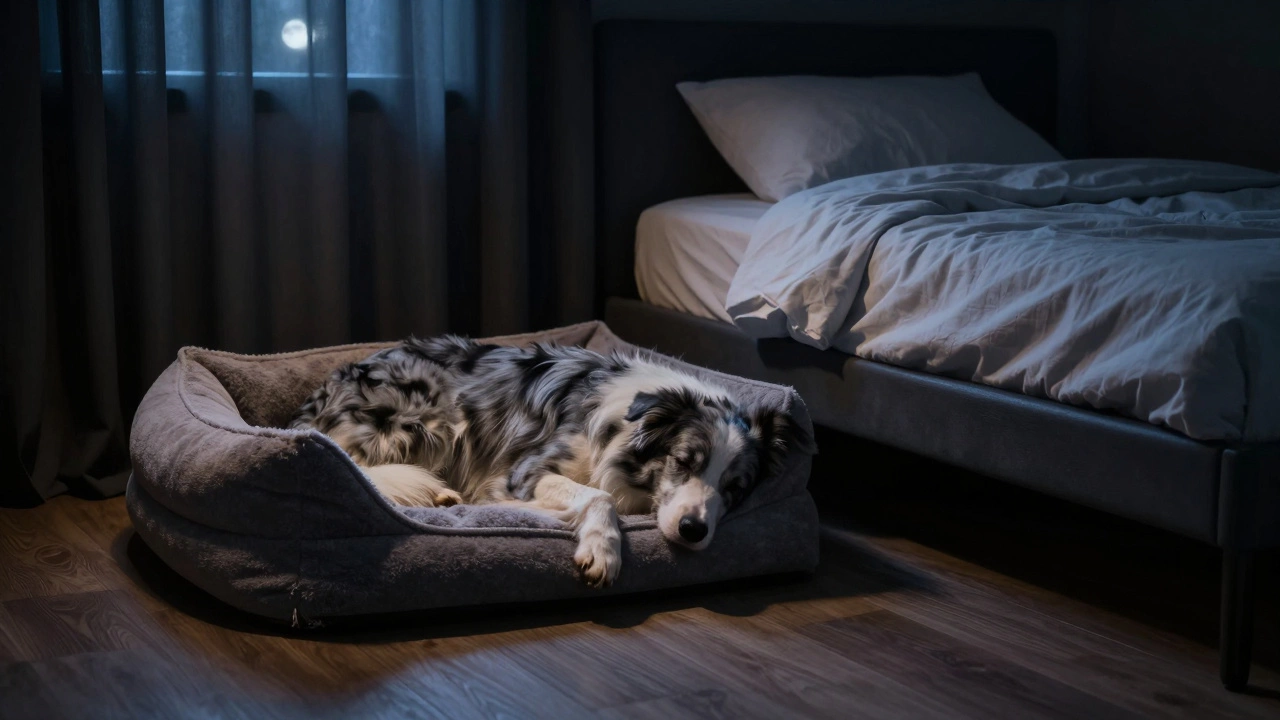
The bedroom, if kept calm and consistent, is the closest thing to a den your dog can get indoors. It’s predictable. The lights go out. The noise fades. The air stays still. That’s the environment dogs evolved to sleep in: quiet, dim, and safe.Many dog owners report better sleep after moving their dog’s bed into the bedroom. Not because the dog is on the bed, but because they’re nearby. You hear their breathing. You know they’re okay. And they know you’re nearby too. It’s a silent reassurance that cuts through anxiety.
One dog owner in Bristol, Sarah M., moved her 12-year-old rescue Border Collie from the living room to a bed next to her nightstand. Within two weeks, the dog stopped panting at night. No more whining. No more pacing. “I didn’t realize how much stress he was holding onto,” she said. “He just needed to know I was there.”
What About the Middle Ground?
You don’t have to pick one or the other. A smart compromise? Place the bed in a quiet corner of the living room during the day, then move it to the bedroom at night. This gives your dog the best of both worlds: connection during the day, peace at night.Or try a dual-bed system. Keep a sturdy, washable bed in the living room for lounging, and a softer, cozier one in the bedroom for sleep. Dogs often prefer different textures for different activities. A firm orthopedic bed for daytime naps. A plush, warm one for deep sleep.
Some owners use baby gates or pet doors to create zones. The dog can choose to be near you in the evening, but isn’t forced. That autonomy matters. Dogs who feel in control of their space sleep better.
What Your Dog’s Behavior Tells You
The best indicator isn’t your preference-it’s your dog’s. Watch them. Do they curl up and sigh deeply in the living room? Or do they circle, sniff, and nap fitfully? If they’re restless, anxious, or wake up frequently, the location might be the problem.Here’s what to look for:
- Excessive panting or whining at night
- Refusing to lie down even when tired
- Seeking you out in the middle of the night
- Sleeping in odd places (under the couch, in the hallway)
- Starting to bark or whine when you leave the room
If you see these signs, your dog’s current bed location might not be meeting their emotional needs. It’s not disobedience. It’s distress.
Temperature, Noise, and Light
Bedrooms are usually cooler and darker than living rooms. That’s ideal. Dogs sleep best in temperatures between 68-72°F (20-22°C). Too warm, and they wake up. Too cold, and they shiver. A bedroom often hits the sweet spot.Light matters too. Dogs don’t need total darkness, but they do need low light. Bright TV screens, hallway lights, or street lamps outside the window can disrupt their melatonin levels. That’s why a bedroom with blackout curtains or a dim nightlight works better than a living room lit by a glowing TV.
Noise is trickier. Some dogs sleep through snoring. Others wake at a cough. If your bedroom is noisy-snoring partner, loud HVAC, traffic outside-then the living room might be quieter. But if the living room has constant foot traffic or loud conversations, the bedroom wins.
What About Puppies?
Puppies need extra closeness. Their brains are still learning how to regulate emotions. Separation anxiety starts young. For the first few months, keeping the puppy bed in your bedroom is one of the most effective ways to build trust and reduce nighttime crying.Place the crate or bed within arm’s reach. You don’t need to sleep with them. Just have them near enough that you can hear them. When they whine, you can calmly soothe them without turning on lights or picking them up. That teaches them: It’s okay to be alone. I’m still here.
After 4-6 months, you can start transitioning them to another room if you choose. But wait until they’re reliably sleeping through the night. Rushing this step can undo months of progress.
Final Rule: Let Them Choose, But Guide Them
You can’t force a dog to love a location. But you can make one option more inviting.Try this: Place two beds-one in the living room, one in the bedroom-for a week. See where they spend the most time. Watch where they curl up after a long day. That’s your answer.
Then, reinforce it. Give them a treat when they settle on their chosen bed. Play soft music near it. Keep their favorite toy there. Make it feel like theirs-not yours.
And remember: dogs adapt. If you change the location, give them time. A week of consistency is all it takes for most dogs to adjust. They don’t care about your décor. They care about safety, routine, and connection.
What If You’re Still Unsure?
Start with the bedroom. It’s the safest bet for most dogs. Especially if your dog is older, anxious, or has health issues. If they hate it after a few nights, move it. But if they relax, sigh, and sleep deep? You’ve found the right spot.There’s no perfect rule. But there’s one truth: dogs sleep better when they feel safe. And for most dogs, that means being near the people they love.