Picky Eater Palatability Calculator
Select options to calculate
Pro Tip for This Combo:
We’ve all been there. You spend twenty minutes researching nutritional profiles, checking ingredient lists for hidden fillers, and comparing prices. You pour the bowl with pride. Your dog sniffs it once, looks you dead in the eye, and walks away. It’s frustrating, but it’s also a clue. The question isn’t just “what is healthy?”-it’s “what dog food do dogs love the most?”
The answer usually comes down to three things: smell, texture, and moisture content. Dogs are scent-driven creatures. Their olfactory system is thousands of times more sensitive than ours. If it doesn’t smell like real meat, they often won’t touch it. In this guide, we’ll break down why certain foods trigger that tail-wagging excitement and how to find the perfect balance between gourmet taste and genuine nutrition.
The Science of Canine Appetite
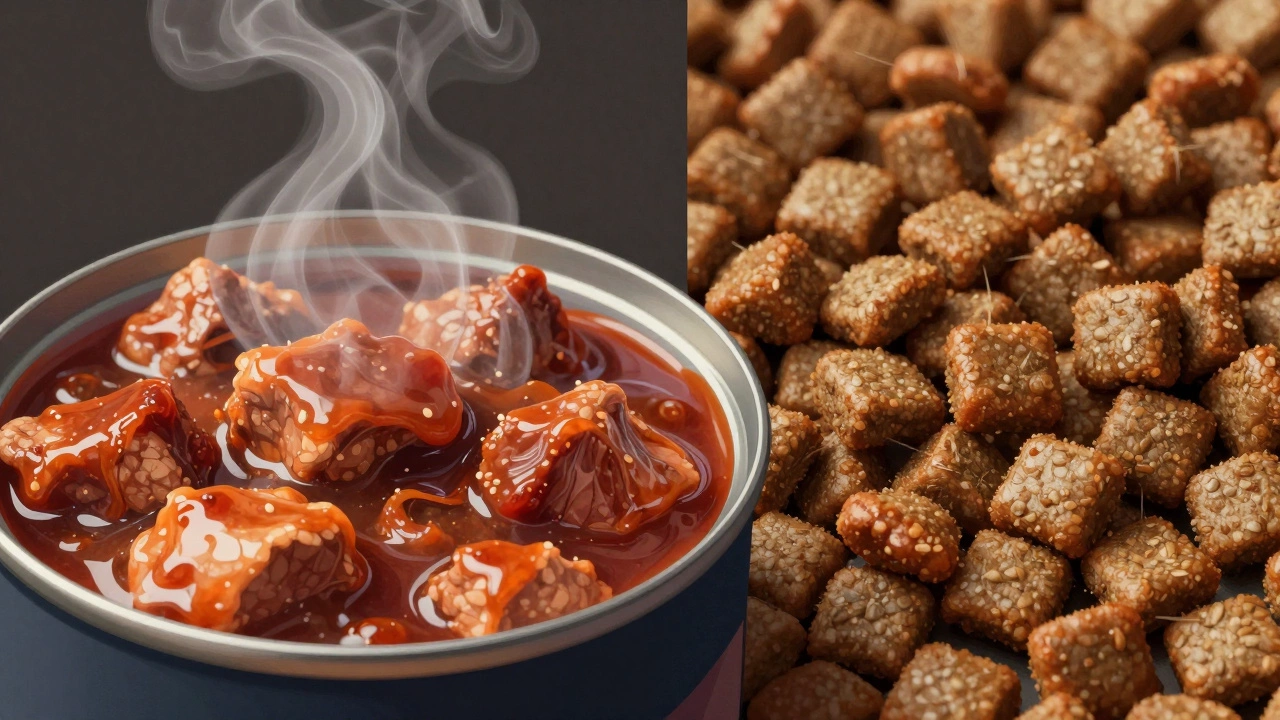
To understand what dogs love, you have to think like a dog. Unlike humans, who often eat based on visual appeal or habit, dogs rely heavily on their sense of smell to determine palatability. This is where wet dog food often beats dry kibble hands down. Wet food contains significantly more water, which carries volatile aromatic compounds better than dry starches.
When you open a can of high-quality wet food, the aroma hits you immediately. That’s because manufacturers use natural broths, bone stocks, and fresh meats that retain their original scent. Dry kibble extruded pellets made from ground ingredients, while convenient and good for dental health, often loses much of its natural aroma during the high-heat extrusion process. To compensate, brands add flavor enhancers, but these rarely match the primal appeal of a real meat broth.
Another factor is fat content. Fat is not only calorie-dense but also highly flavorful. Foods with higher levels of animal fats tend to be more palatable. However, there’s a fine line. Too much fat can lead to obesity and pancreatitis, especially in smaller breeds. The key is finding food that uses quality fats like chicken fat or salmon oil rather than cheap by-products.
- Scent: The primary driver of appetite. Look for foods with minimal processing to preserve natural aromas.
- Texture: Some dogs prefer the soft, mushy consistency of pâté; others enjoy the chewiness of shredded meat in gravy.
- Temperature: Slightly warming cold food can release more scent molecules, making it more appealing.
Wet vs. Dry: The Great Debate
If you ask ten different owners what their dog loves most, you’ll get two main camps: the wet food lovers and the dry kibble fans. Neither is wrong, but they serve different needs. Let’s look at why each type appeals to dogs differently.
| Feature | Wet Dog Food | Dry Kibble |
|---|---|---|
| Aroma Intensity | Very High (due to moisture) | Moderate (unless enhanced) |
| Texture Variety | Pâté, Shreds, Chunks | Uniform crunch |
| Dental Health | No mechanical cleaning effect | Helps reduce plaque buildup |
| Hydration Benefit | High (70-80% water) | Low (10% water) |
| Cost per Serving | Higher | Lower |
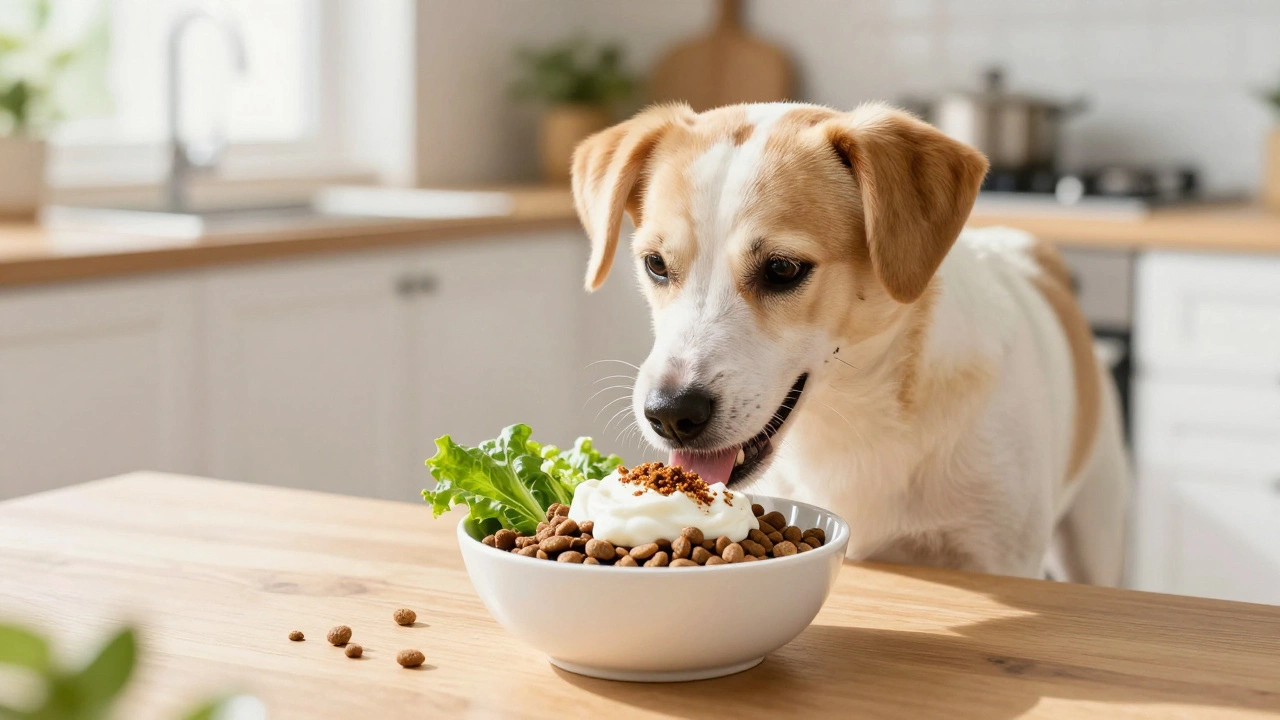
Many owners find that mixing the two works best. This approach, often called “topping,” involves serving a base of dry kibble and adding a small amount of wet food or a broth on top. This gives your dog the dental benefits of chewing kibble while boosting the meal with irresistible scent and moisture. It’s a practical compromise for those who love their dog but hate the cost of an all-wet diet.
Ingredients That Drive Obsession
Not all proteins are created equal in the eyes of a dog. While balanced nutrition requires a mix of nutrients, specific ingredients consistently rank higher in palatability tests. Real meat should always be the first ingredient. Terms like “meat meal” or “by-product meal” are less appealing and often indicate lower quality.
Chicken a common poultry protein source is widely considered the gold standard for palatability. It’s mild, fatty, and universally liked by most breeds. If your dog is allergic to chicken, lamb a red meat alternative is the next best option. Lamb has a richer, gamier scent that many dogs find irresistible. For those with sensitive stomachs, salmon an oily fish rich in omega-3s offers a distinct flavor profile that breaks the monotony of land-based meats.
Watch out for “flavor enhancers.” Some brands use hydrolyzed yeast or digest to make food taste better without adding real meat. While safe, these don’t provide the same satisfaction as whole-food ingredients. A truly loved food relies on the natural taste of its primary protein source.
Top Brands Known for Taste
Based on consumer feedback and veterinary recommendations, several brands stand out for combining high nutrition with exceptional taste. These aren’t just marketing claims; they’re backed by consistent reviews from owners of picky eaters.
Royal Canin a leading brand offering breed-specific formulas invests heavily in palatability research. They use specialized extrusion techniques to enhance the aroma of their dry kibble, making it surprisingly tasty despite being dry. Their wet food line is particularly noted for its smooth textures and strong scents.
Hill's Science Diet a science-backed pet food brand focuses on clinical nutrition but doesn’t sacrifice taste. Their canned varieties often feature tender chunks in savory sauces that dogs devour. It’s a favorite among veterinarians because it balances strict dietary controls with high acceptability rates.
For premium options, Orijen a biologically appropriate grain-free brand uses fresh, regional ingredients including organs and cartilage. The inclusion of organ meats adds a deep, complex flavor that many dogs find addictive. It’s pricier, but the palatability is undeniable.
Troubleshooting the Picky Eater
If your dog still refuses meals, the issue might not be the food itself. Sometimes, behavior plays a bigger role than biology. Here are some proven strategies to turn a reluctant eater into a food lover.
- Establish a Routine: Feed at the same times every day. Leave the bowl out for 15-20 minutes, then remove it. Hunger is a powerful motivator. By removing the safety net of constant access, you teach them that mealtime is now or never.
- Warm It Up: Microwaving wet food for 5-10 seconds releases steam and intensifies the smell. Just ensure it’s lukewarm, not hot, before serving.
- Add Toppers: A spoonful of plain yogurt, a dash of peanut butter (xylitol-free), or a sprinkle of freeze-dried liver powder can transform bland kibble into a feast.
- Check for Dental Pain: If your dog suddenly stops eating hard kibble, check their teeth. Broken teeth or gum disease can make chewing painful. Switching to soft food temporarily can help identify this issue.
Remember, changing food too frequently can upset your dog’s stomach. Transition slowly over 7-10 days by gradually increasing the new food while decreasing the old one. This prevents digestive issues and allows their palate to adjust.
Nutrition vs. Taste: Finding Balance
It’s tempting to give your dog whatever they’ll eat, but long-term health matters more than short-term enthusiasm. A food they love but lacks essential amino acids will cause problems down the road. Always check for an AAFCO (Association of American Feed Control Officials) statement on the label. This ensures the food meets minimum nutritional standards for growth or maintenance.
Avoid foods with excessive grains if your dog has sensitivities, but don’t fear all carbohydrates. Healthy carbs like sweet potatoes or peas provide energy and fiber. The goal is a complete diet that happens to taste great. When you find that sweet spot, your dog won’t just survive-they’ll thrive.
Why does my dog only eat treats and not regular food?
Treats are designed to be hyper-palatable, often containing higher fat and sugar levels than regular food. If your dog gets too many treats, they may lose interest in their balanced meals. Limit treats to no more than 10% of their daily caloric intake and offer them after meals, not before.
Is wet food healthier than dry food?
Wet food is often easier to digest and provides better hydration, which supports kidney health. However, dry food can help clean teeth mechanically. Both can be healthy if they meet AAFCO standards. The best choice depends on your dog’s specific health needs and preferences.
How do I know if my dog is truly picky or sick?
A picky dog will usually eat treats or table scraps. A sick dog will refuse everything, including their favorite snacks. If your dog shows other symptoms like lethargy, vomiting, or diarrhea, consult a vet immediately. Sudden loss of appetite is often a sign of underlying illness.
Can I mix human food with my dog's kibble?
Yes, in moderation. Cooked chicken, turkey, carrots, and green beans are safe and tasty additions. Avoid onions, garlic, grapes, and chocolate. Ensure the human food doesn’t exceed 10% of their total calories to maintain nutritional balance.
What is the best food for senior dogs with poor appetites?
Senior dogs often benefit from highly aromatic wet foods or softened kibble. Look for formulas labeled “Senior” or “Light” that are easier to digest. Adding warm water or low-sodium broth to dry food can enhance scent and make it softer for aging teeth.