Puppy Alone Time Calculator
Leaving your puppy alone while you head to work is one of the hardest parts of puppy parenthood. You walk out the door, hear that little whine, and instantly feel guilty. But here’s the truth: your puppy won’t tear up the house if you plan ahead. It’s not about punishment or discipline-it’s about preparation. Most puppies under six months old simply can’t hold it for eight hours. They don’t understand why you’re gone. They don’t know you’ll come back. So what do you do?
Start with a safe space
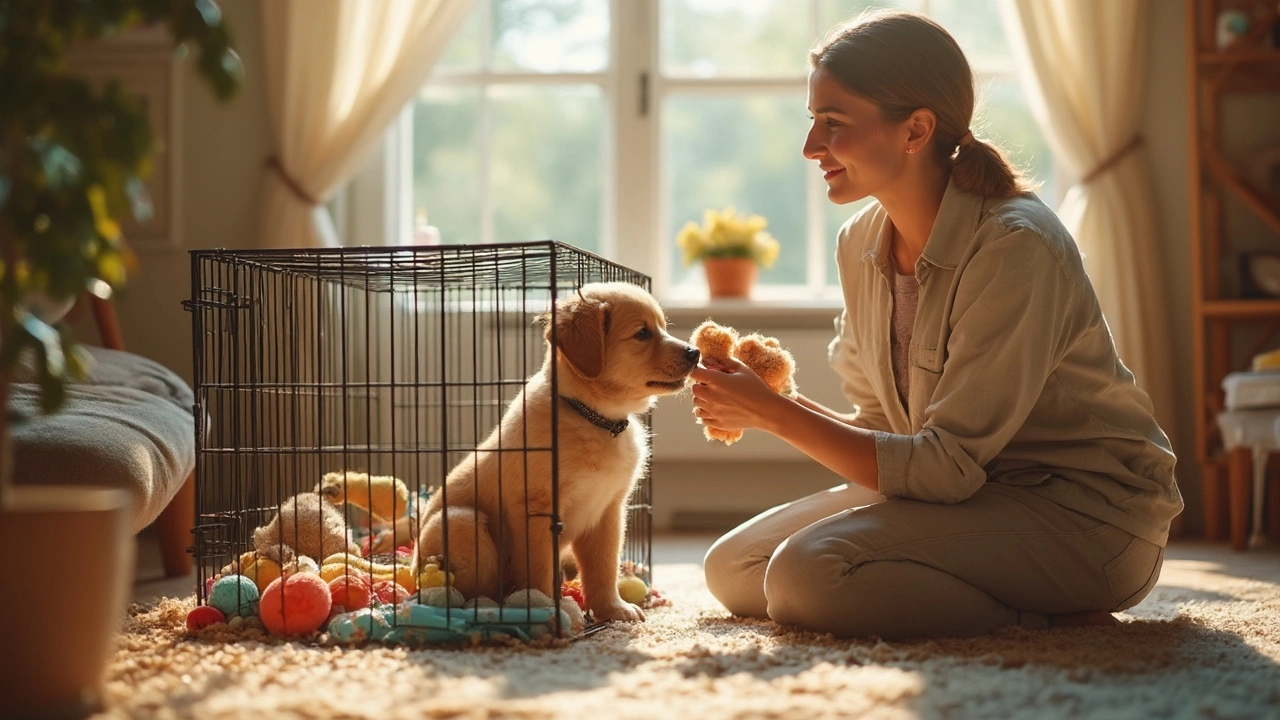
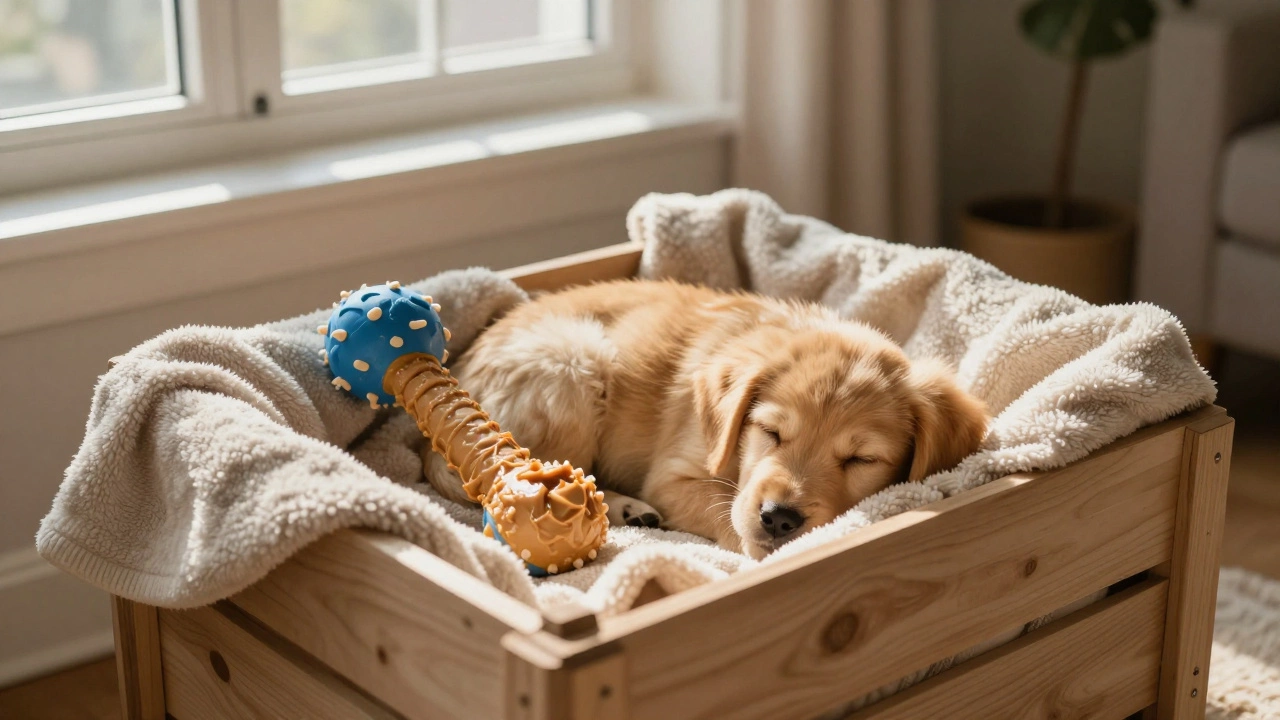
Your puppy needs a place they feel secure, not just confined. A crate isn’t a prison-it’s a den. Choose one that’s big enough for them to stand, turn around, and lie down, but not so big they’ll use one corner for bathroom breaks. Line it with a soft blanket and toss in a chew toy they love. Many puppies sleep through the first few hours alone once they’re tucked in. Studies show puppies with a consistent, cozy space show less stress when left alone. Don’t leave the crate door open if they’re still learning not to pee inside. That’s not cruel. It’s training.Puppy toys aren’t optional-they’re essential
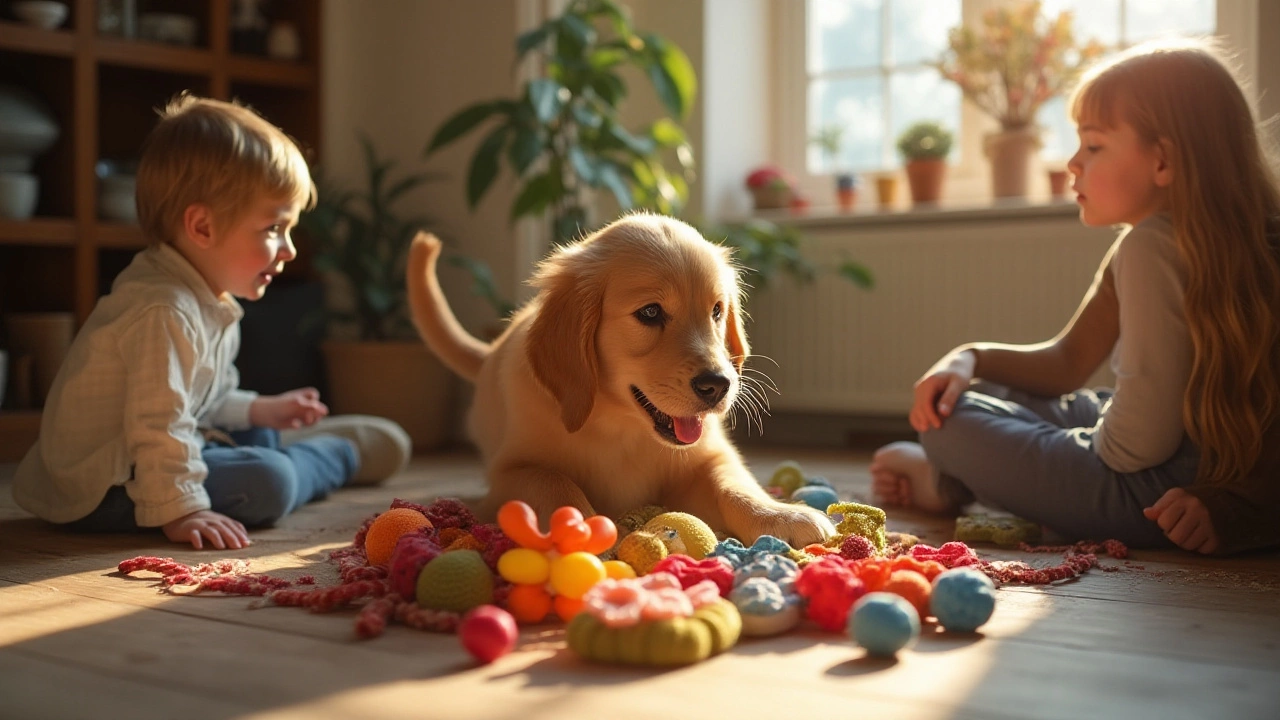
A bored puppy is a destructive puppy. You can’t just give them a stuffed animal and hope for the best. You need puppy toys that challenge them mentally. Rubber chew toys with hollow centers are perfect. Stuff them with peanut butter (xylitol-free, of course), frozen yogurt, or kibble. Freeze it for an hour before you leave. That slow lick-and-chew activity keeps them busy for 30 to 60 minutes. Puzzle feeders like the Kong Wobbler or Nina Ottosson toys work wonders. They force your puppy to think, nudge, and work for their reward. That’s mental exercise-and it’s just as tiring as a walk.Build a morning routine that tires them out
Don’t rush out the door. Spend 20 minutes before you leave doing something active. A brisk 10-minute walk, a game of fetch in the yard, or even a short indoor chase game with a tug toy gets their energy out. Then follow it with 10 minutes of calm. Sit with them on the floor, pet them gently, and let them settle. This tells their body: energy out, now rest. If you leave them hyper, they’ll bounce off the walls trying to burn off what’s left. You want them to nap, not napalm your couch.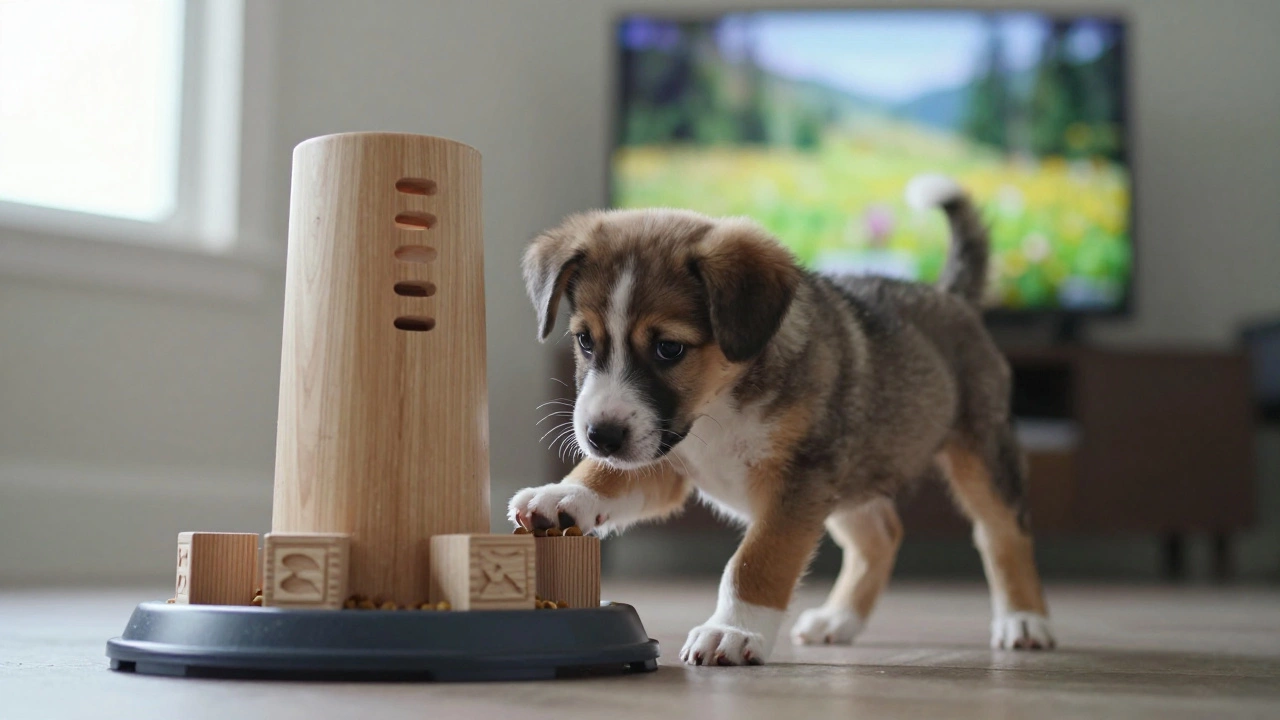
Use sound to calm them
Silence is scary for puppies. They’re used to hearing you move around, talk, laugh. When it goes quiet, their brain goes into overdrive. Play soft music or leave the TV on a calm channel like DogTV or a nature documentary. White noise machines work too. Some owners swear by playlists of classical music or recordings of human voices-like a podcast you listen to every morning. The goal isn’t entertainment. It’s familiarity. Your puppy needs to know the house isn’t empty. It’s just quieter.Check in, but don’t make a fuss
If you can, set up a pet camera with two-way audio. Don’t talk to them every time they whine. That teaches them whining gets attention. Wait five minutes. If they’re still going, then speak calmly: “It’s okay, I’m coming back.” Then walk away. If they’re quiet, leave them be. Over time, they’ll learn that quiet = peace. Loud = nothing happens. It’s not harsh. It’s science. A 2023 study from the University of Bristol found puppies whose owners used this method showed 40% less stress behavior after just two weeks.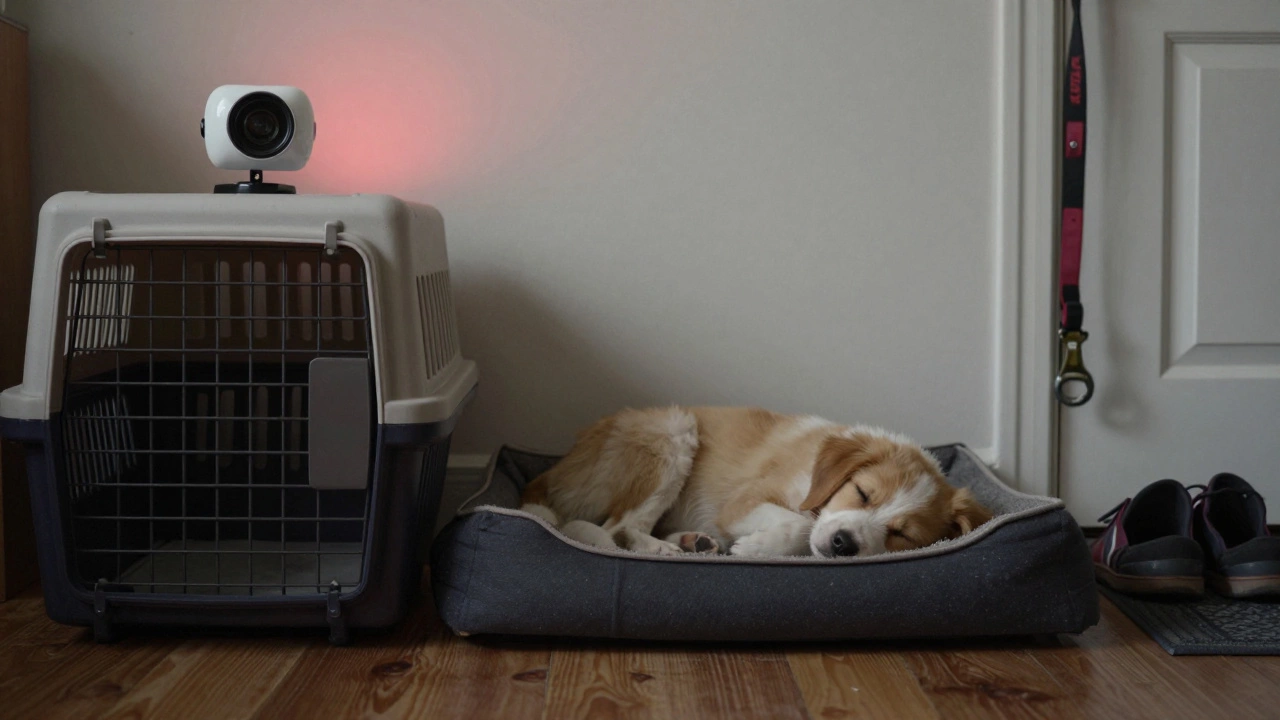
Consider a dog walker or daycare
If you’re gone more than six hours, your puppy is asking for help. A midday walk or play session at a local dog daycare can make all the difference. You don’t need to do it every day. Even once or twice a week helps reset their stress levels. Look for places that screen dogs for temperament and offer nap times. Avoid places that are just a big room full of barking dogs. That’s chaos, not care. Ask other local puppy owners for recommendations. In Bristol, places like Paws & Play or The Dog Den have great reviews for small breeds and young pups.Watch for signs of separation anxiety
Not every chewed shoe means mischief. If your puppy does any of these things within 20 minutes of you leaving, it’s more than boredom:- Peeing or pooping inside, even if potty trained
- Scratching at doors or windows
- Excessive drooling or panting
- Howling or barking nonstop for over 30 minutes
If you see this, don’t yell. Don’t punish. Talk to your vet. They can rule out medical issues and recommend behaviorists. In some cases, calming supplements or pheromone diffusers like Adaptil help. But the real fix? Consistency. Gradual alone-time training. And patience.
It gets easier-promise
At eight weeks, your puppy might scream for hours. At six months, they’ll nap through your whole shift. By a year, they’ll be curled up on their bed, tail thumping when they hear your keys. You’re not failing. You’re building. Every day you leave and come back, you’re teaching them: I go. I return. You’re safe. That’s the foundation of trust. And it’s worth every chewed sock, every anxious minute, every time you had to wipe your eyes before walking out the door.How long can a puppy be left alone during the day?
A general rule is one hour per month of age. So a 3-month-old puppy can handle about 3 hours. By 6 months, most can manage 6-8 hours, but only if they’ve been properly trained and exercised. Puppies under 4 months shouldn’t be left alone for more than 4 hours without a break.
What puppy toys are best for alone time?
Freezable rubber toys like the Kong Classic, puzzle feeders like the Nina Ottosson Dog Tornado, and chew-resistant plush toys with squeakers are top choices. Avoid toys with small parts, plastic eyes, or stuffing that can be pulled out. Always supervise the first few uses to make sure your puppy doesn’t swallow anything.
Should I leave the TV or radio on for my puppy?
Yes. Background noise helps reduce anxiety by masking sudden sounds like doors slamming or cars honking. Classical music, nature sounds, or a low-volume talk radio station work well. Avoid loud or fast-paced shows. The goal is calm, not chaos.
My puppy cries when I leave. Should I go back in?
No-not unless it’s been less than 5 minutes and they’re clearly panicking. If they cry for 10 minutes or more, going back in rewards the crying. Wait until they quiet down, even if it’s just for a few seconds, then re-enter calmly. This teaches them silence leads to your return, not noise.
Can I use a dog walker every day?
Absolutely. Many working owners use dog walkers 2-3 times a week to break up the day. For puppies under a year, a 20-30 minute walk or play session midday prevents boredom and reduces stress. Just make sure the walker is experienced with young dogs and knows how to handle crate routines and potty breaks.