Leaving an 8-week-old puppy home alone is one of the most common worries new puppy owners face. You’ve brought home this tiny, squirming ball of fur, and suddenly you need to go to work, run an errand, or even just take a shower. The guilt kicks in. The fear of chewing, barking, or worse-accidents-hangs over you. But here’s the truth: an 8-week-old puppy should not be left alone for more than 1 hour at a time. Anything longer risks physical, emotional, and behavioral damage.
Why Can’t an 8-Week-Old Puppy Handle Alone Time?
At eight weeks, your puppy is still a baby. Their bladder and bowels haven’t fully developed. Most can only hold it for about 1 hour per month of age, meaning 8 weeks = roughly 2 hours max. But even that’s pushing it. Their small bodies can’t process food or water efficiently, and they haven’t learned to control their urges yet. Leaving them longer than 1 hour often leads to accidents, which then become learned behaviors. Their brain is also still wiring itself for emotional regulation. Separation anxiety doesn’t start at 6 months-it starts now. If your puppy is left alone too long, too often, they’ll learn that being alone means panic, howling, and destruction. That’s not bad behavior-it’s trauma.What Happens When You Leave an 8-Week-Old Puppy Alone Too Long?
You might think they’re just “being a puppy.” But here’s what’s really going on:- Accidents: Urine and feces on the floor aren’t rebellion-they’re biological limits. Puppies this young don’t have the muscle control to wait.
- Chewing: They’re teething, yes. But when left alone, chewing becomes a coping mechanism. Shoes, cords, and furniture aren’t targets-they’re distractions from fear.
- Excessive barking: This isn’t attention-seeking. It’s a distress call. Their littermates and mom used to be right next to them. Now, silence and emptiness trigger primal panic.
- Self-harm: Some puppies lick their paws raw, chew their own fur, or even bite their tails trying to soothe anxiety. This isn’t normal-it’s a red flag.
One study from the University of Bristol’s Companion Animal Behaviour Centre found that puppies under 12 weeks left alone for more than 2 hours daily were 3 times more likely to develop chronic separation anxiety by 1 year old.
What’s the Right Amount of Alone Time?
Stick to this rule: 1 hour per month of age. So at 8 weeks (about 2 months), max 2 hours. But here’s the catch-don’t aim for the max. Aim for 45 minutes to 1 hour. Then build up slowly.Start with 10 minutes while you’re in the next room. Then 20. Then 30. Watch for signs of stress: whining, pacing, scratching at the door. If they’re calm, reward them with quiet praise when you return. Don’t make a big fuss. You’re teaching them that being alone is safe, not scary.
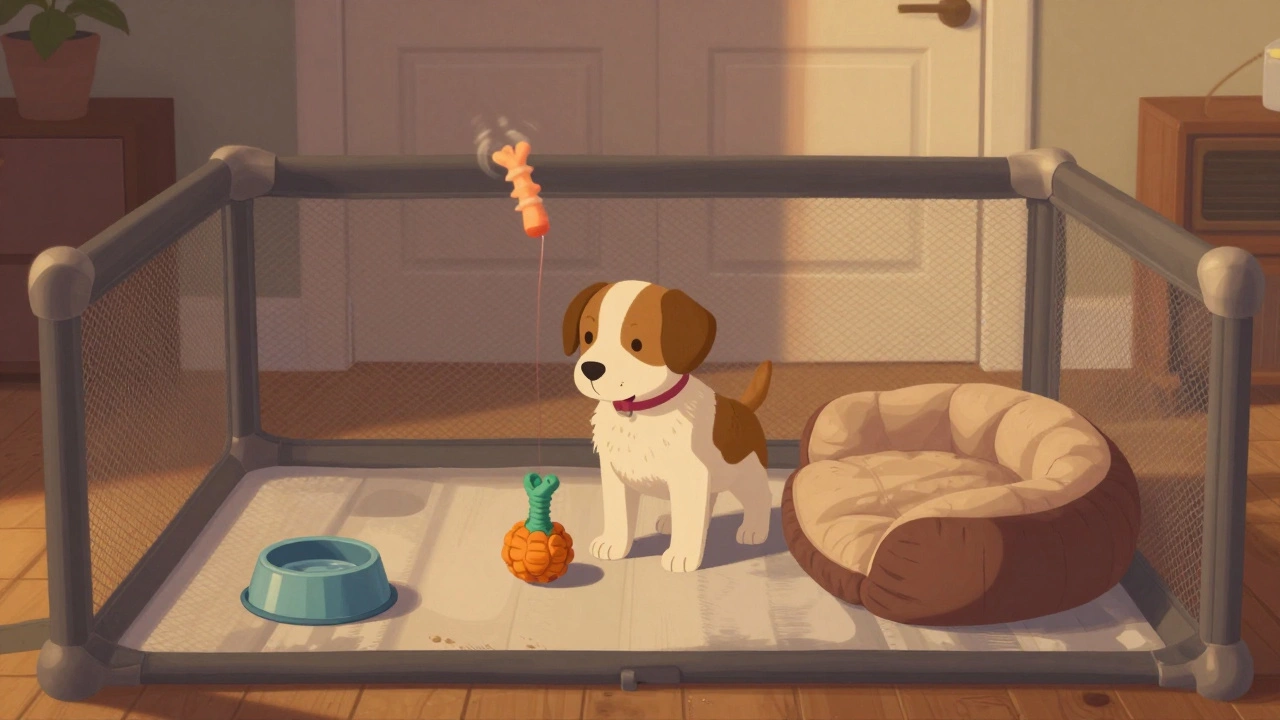
How to Prepare Your Puppy for Alone Time
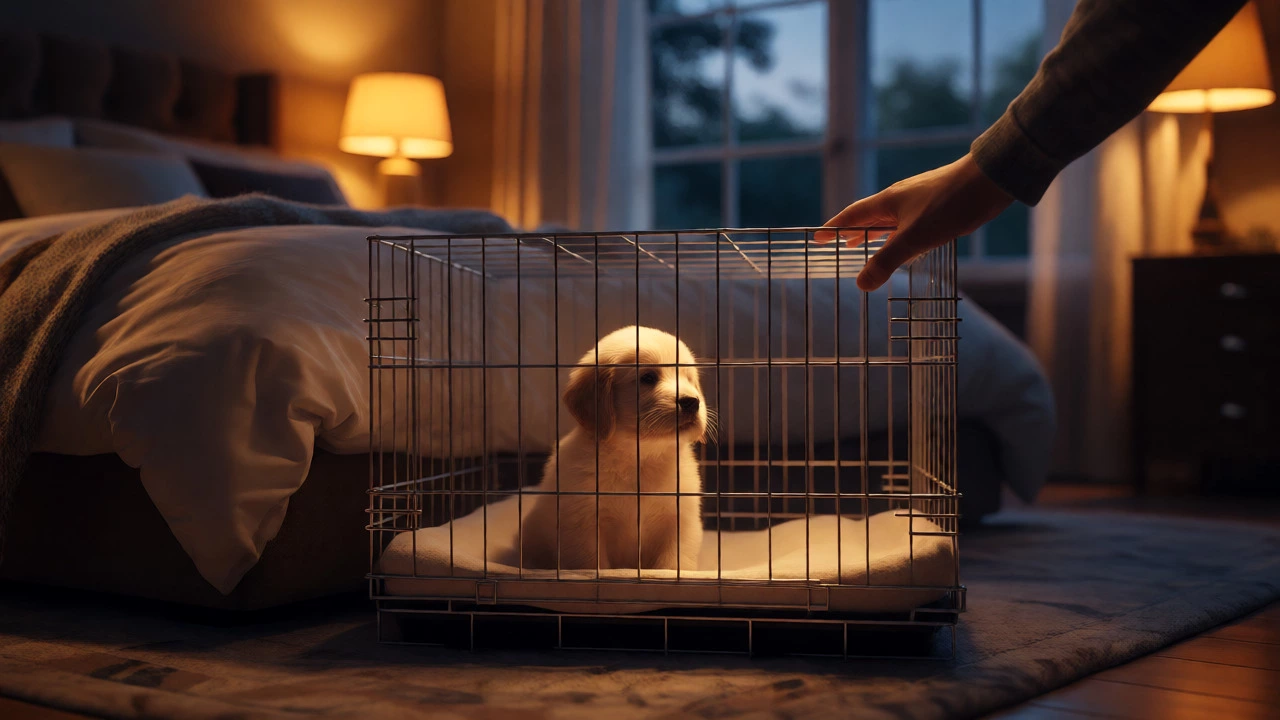
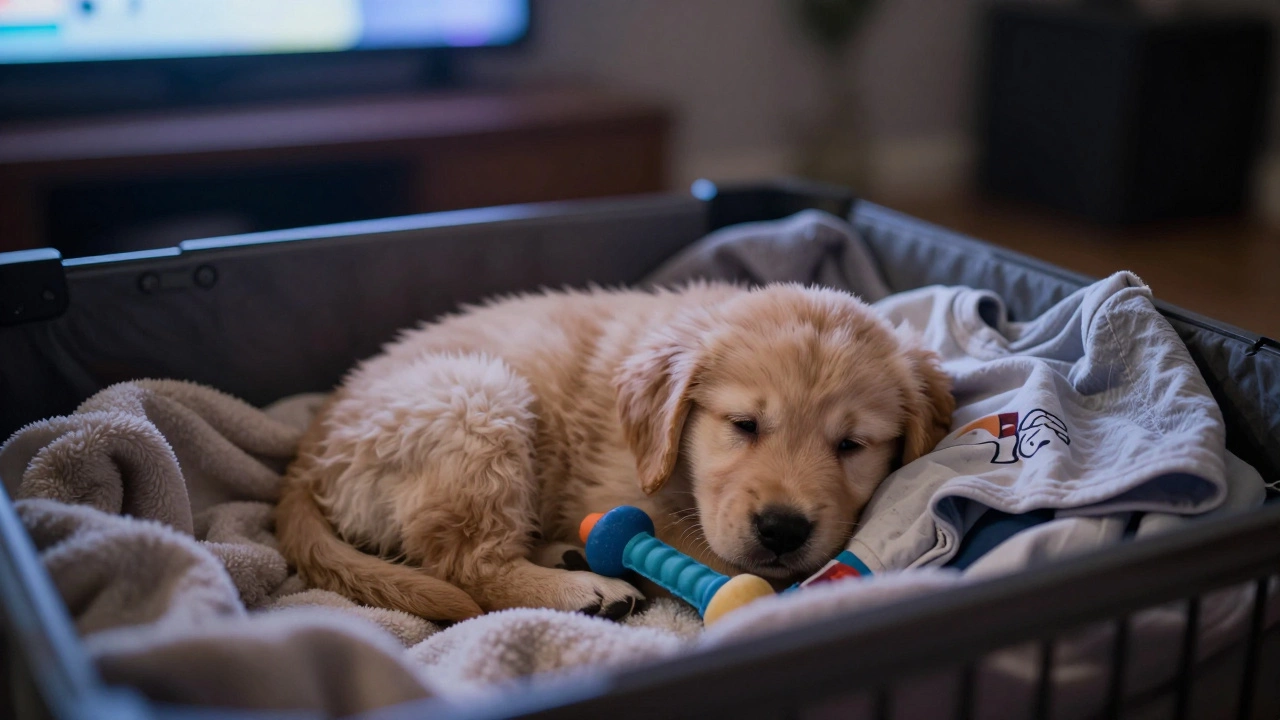
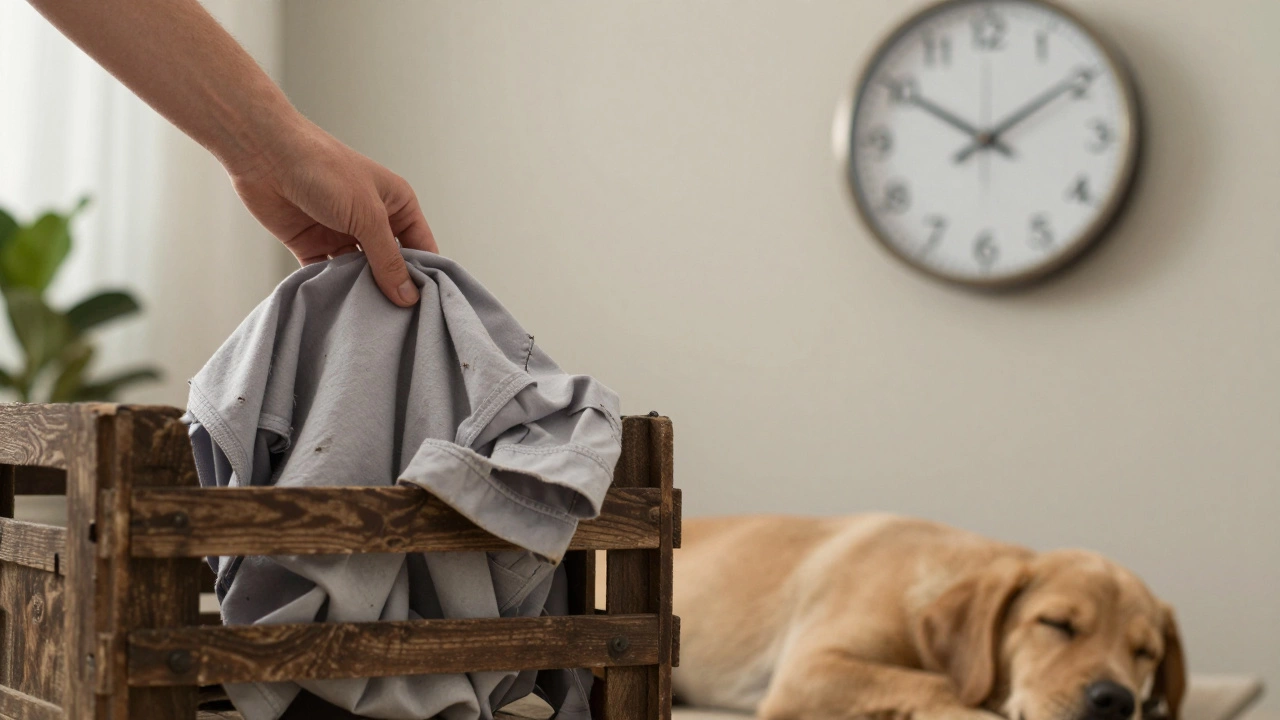
You can’t just lock a puppy in a room and hope for the best. Preparation is everything.- Use a crate: A crate isn’t a punishment-it’s a den. Make it cozy with a soft bed, a safe chew toy, and something that smells like you (a worn T-shirt). Never use the crate as a timeout.
- Exercise first: A 15-minute walk or play session before you leave helps tire them out. A tired puppy is a quiet puppy.
- Leave background noise: Turn on a radio or TV at low volume. White noise masks sudden sounds that might startle them.
- Give a food puzzle: Stuff a Kong with peanut butter (xylitol-free!) or freeze wet food in a toy. It keeps them busy and distracts from your absence.
- Don’t say goodbye: No long hugs, no dramatic exits. Walk out calmly. The less drama, the less anxiety.
What If You Work Full-Time?
If you’re gone 8 hours a day, leaving your puppy alone isn’t just unfair-it’s unsafe. You need a plan.- Hire a dog walker: Even a 15-minute midday visit makes a huge difference. They’ll go potty, get petted, and reset their stress levels.
- Ask a neighbor or friend: Offer to dog-sit for them in exchange for a quick puppy check-in.
- Consider doggy daycare: Reputable facilities offer socialization, play, and potty breaks. Look for ones with small group sizes and trained staff.
- Work from home part-time: Can you adjust your schedule? Even 2 days a week of working from home during those first few weeks gives your puppy a huge advantage.
There’s no shame in needing help. Every puppy deserves a safe, stress-free start. Skipping this step now will cost you months of behavior problems later.
What About Puppy Toys?
Puppy toys aren’t just for fun-they’re survival tools. At 8 weeks, your puppy’s jaws are still soft, and their teeth are erupting. Hard plastic, rubber balls, or rope toys? Too risky. Stick to:- Soft plush toys (with no small parts or stuffing)
- Freezable chew toys (filled with water or broth, then frozen)
- Food-dispensing puzzles (like the Kong Classic or Outward Hound Hide-A-Squirrel)
- Textured teething rings (silicone or rubber, easy to clean)
Avoid toys with squeakers, buttons, or detachable parts. If your puppy swallows one, it could mean an emergency vet visit. And never leave them alone with a toy they can destroy-supervise first, then rotate toys to keep them novel.
What to Do When They Whine or Cry
This is the hardest part. Your heart breaks when they cry. But ignoring them completely isn’t the answer.If they cry for less than 5 minutes and settle, wait it out. If they cry for more than 10 minutes, it’s not attention-seeking-it’s panic. Go check on them calmly. Open the crate, let them out for a quick potty break (even if they don’t go), then put them back. No talking, no petting, no eye contact. Just the essentials.
Over time, they’ll learn that crying doesn’t bring you back. But if you rush in every time, they’ll learn that crying = you return. That’s the opposite of what you want.
When Can You Leave Them Longer?
By 12 weeks, most puppies can handle 3 hours alone. By 4 months, 4-5 hours. By 6 months, many can manage 6-8 hours-if they’ve been trained properly.But here’s the key: it’s not about age. It’s about progress. If your 10-week-old puppy is calm in the crate for 90 minutes, great. Don’t rush to 3 hours. If they’re still whining at 12 weeks? Go back to 45-minute sessions. Slow and steady wins the race.
Final Thought: It’s Not About Convenience-It’s About Trust
Your puppy doesn’t understand your schedule. They only know that the person who feeds them, plays with them, and keeps them warm is gone. That’s terrifying. By respecting their limits now, you’re not just preventing accidents-you’re building a foundation of trust.They’ll grow into a calm, confident dog-not because you left them alone, but because you made sure they never had to face that fear alone.
Can I leave my 8-week-old puppy in a playpen instead of a crate?
Yes, but only if the space is puppy-proofed and small enough to prevent accidents. A playpen should be just big enough for a bed, water, and one toy. Too much space encourages accidents and overstimulation. A crate is still the best option because it feels like a den.
Should I use puppy pads if I can’t take them out?
Only as a last resort. Puppy pads teach them it’s okay to go inside. If you must use them, place them far from their sleeping area and clean them immediately after use. But your goal should be to take them out every 1-2 hours, not rely on pads.
Is it okay to leave my puppy outside while I’m gone?
Never. An 8-week-old puppy can’t regulate body temperature well. They’re vulnerable to cold, heat, predators, and escape. Even in a fenced yard, they can panic, dig under, or chew through fences. Always keep them indoors.
How do I know if my puppy has separation anxiety?
Signs include constant barking or howling when alone, destructive chewing focused on doors or windows, pacing, drooling, or accidents despite being house-trained. If these happen within 10 minutes of you leaving, it’s likely separation anxiety. Talk to a certified trainer or vet.
Can I use calming supplements or pheromone diffusers?
Pheromone diffusers like Adaptil can help reduce stress, especially in the first few weeks. They mimic the scent of a nursing mother dog. Supplements like L-theanine or melatonin should only be used under veterinary guidance. They’re not a fix-they’re a temporary aid while you build confidence.