Key Takeaways
- Physical strain and unexpected injuries are common risks.
- Managing multiple dogs can lead to unpredictable behavioral clashes.
- Weather extremes and health risks (like parasites) are constant factors.
- Emotional burnout from pet loss or difficult owners is a real possibility.
The Physical Toll and Unexpected Injuries
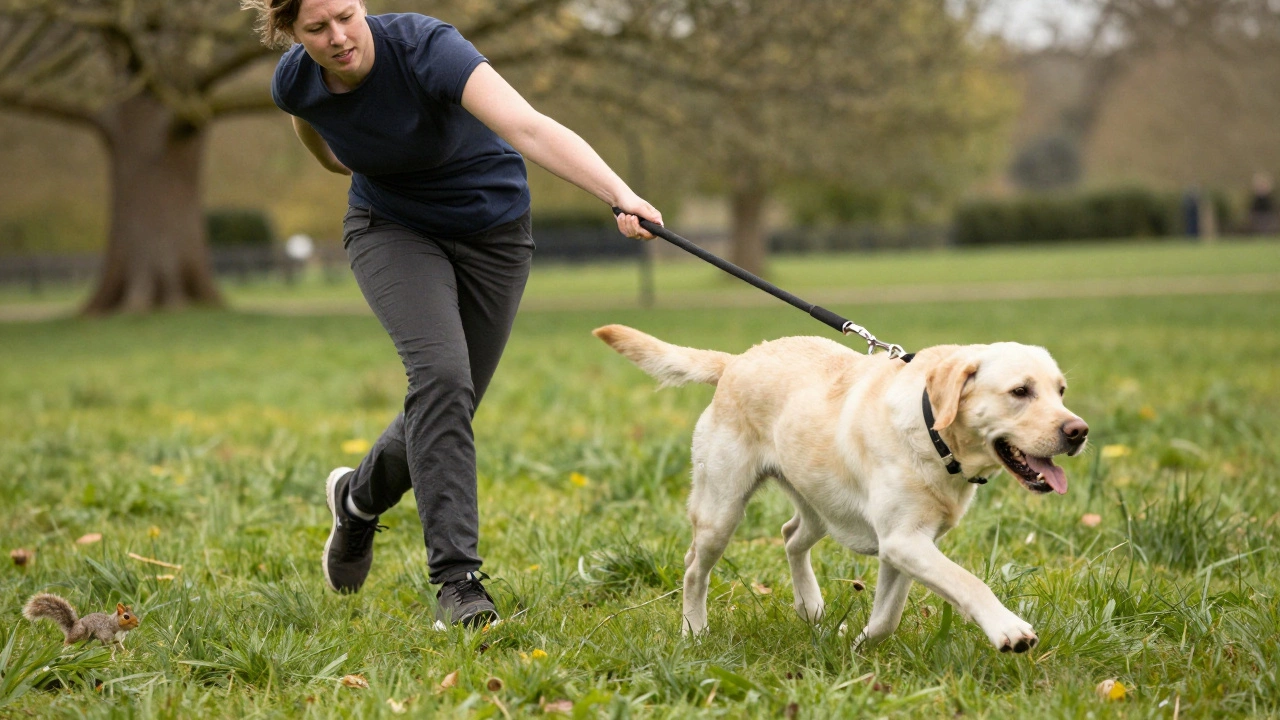
Let's be honest: walking a dog isn't the same as taking a stroll in the park. When you're dealing with a high-energy breed, it's more like a low-intensity wrestling match. The most immediate disadvantage is the physical strain on your joints and muscles. Dog walking is the act of exercising a canine by leading it on a leash, often as a professional service or personal chore, but the mechanics of it can be brutal. If a dog lunges suddenly, it can pull your shoulder out of alignment or cause a wrist sprain in a split second.
Then there's the gear. Long hours on your feet, even in supportive shoes, can lead to plantar fasciitis or chronic lower back pain, especially if you're carrying heavy bags of treats and waste bags. I've seen walkers deal with "leash burn"-those nasty friction burns you get when a dog bolts and the nylon strap slides through your fingers at high speed. It's a small injury, but it's a constant reminder that you're at the mercy of an animal's impulses.
Behavioral Chaos and Group Dynamics
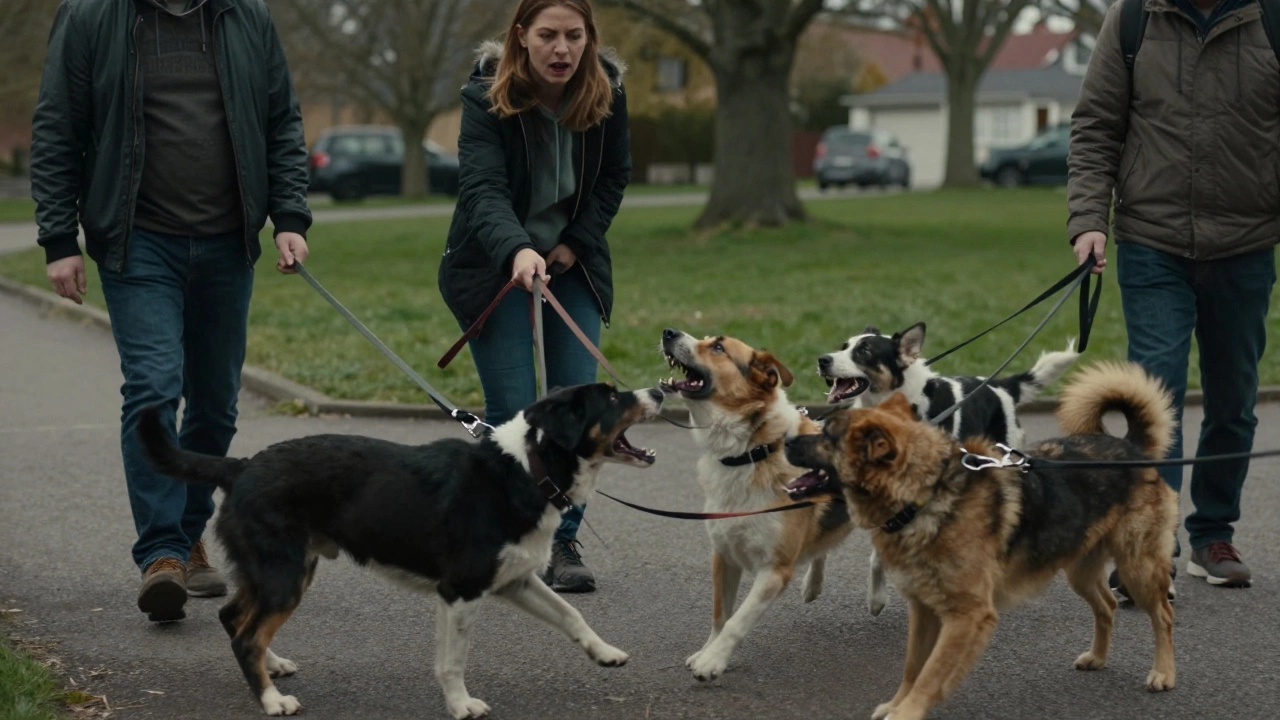
One of the biggest disadvantages of dog walking appears when you move from one-on-one sessions to group walks. This is where things get complicated. Even the friendliest dogs can have a "bad day." You might have a Golden Retriever who loves everyone and a nervous Terrier who suddenly decides the Golden is too close. When two dogs fight, you aren't just a walker; you're suddenly a referee in a high-stakes brawl.
Managing Canine Aggression requires a level of training that many casual walkers lack. There's the risk of "leash reactivity," where a dog becomes agitated by another dog, another person, or even a bicycle. If you're holding four leashes and one dog triggers another, you have a chaotic tangle of limbs and teeth within seconds. This doesn't just risk the dogs' safety; it puts the walker in the line of fire, often resulting in scratches or bites.
| Scenario | Primary Risk | Potential Outcome |
|---|---|---|
| Solo Walk (High Energy) | Physical Strain | Joint sprains or leash burn |
| Group Walk (Mixed Temperaments) | Social Conflict | Dog fights and owner liability |
| Urban Environment | External Triggers | Traffic accidents or noise stress |
| Rural/Wild Areas | Environmental Hazards | Ticks, livestock clashes, or getting lost |
Environmental Hazards and Health Risks
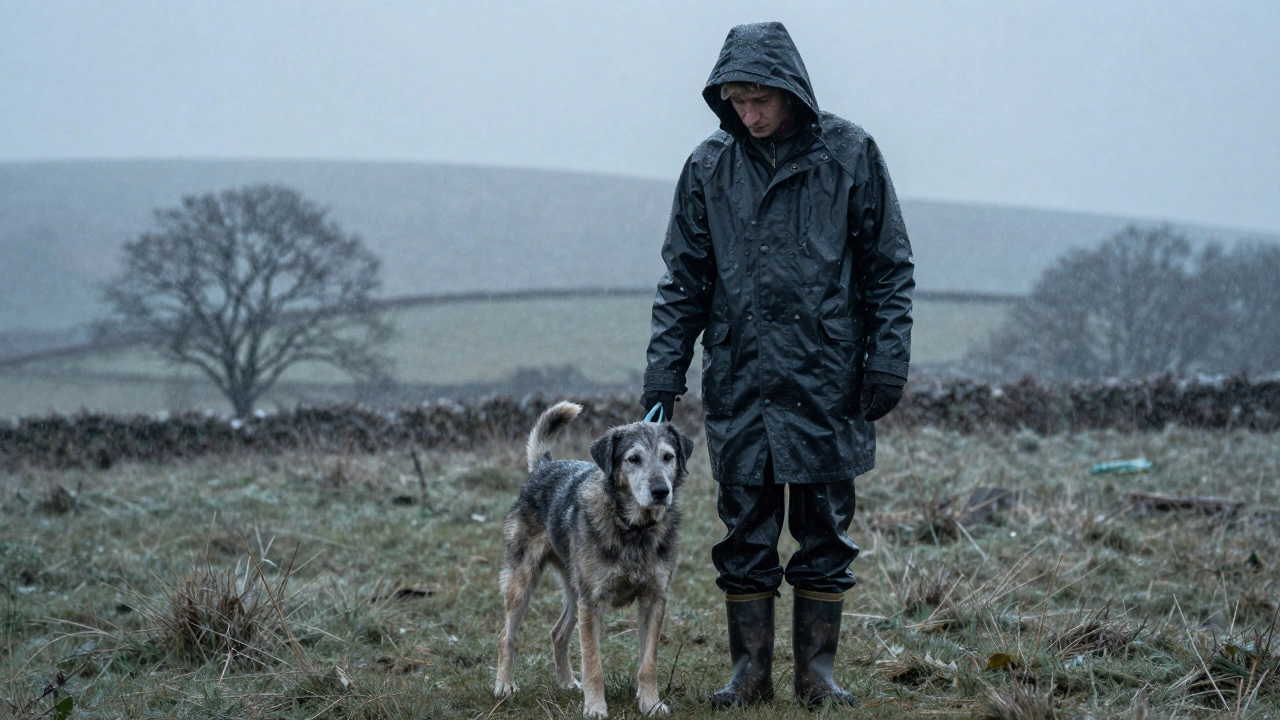
The weather is a huge factor that people ignore. Rain is one thing, but imagine walking a dog in a freezing sleet storm or a heatwave where the pavement is hot enough to burn paws. You're out there regardless of the forecast. In the UK, for example, a damp winter day means you're permanently soggy, which leads to chills and a higher likelihood of catching every cold going around.
Beyond the weather, there are biological risks. Zoonotic Diseases are infections that can spread from animals to humans. While rare, walkers are more exposed to things like Leptospirosis (Weil's disease), which can be contracted through contact with dog urine in contaminated water or soil. Then there are the parasites. Ticks and fleas don't always stay on the dog; they're more than happy to jump onto the human walking them, especially in long grass.
The Logistics and Liability Nightmare
If you're doing this professionally, the mental load is heavier than the physical one. You're responsible for someone's family member. If a dog gets loose and runs into a road, or if they accidentally eat something toxic like chocolate or a poisonous mushroom, the guilt and legal fallout are immense. This is why Public Liability Insurance is non-negotiable, but even insurance doesn't erase the stress of a near-miss.
There's also the "client" side of things. Dealing with overly demanding pet parents can be exhausting. You might find yourself in a situation where an owner has unrealistic expectations-like wanting a high-energy Husky to be "calm" on a 15-minute walk-and then blaming you when the dog is still zooming around the living room. The administrative side-scheduling, key management, and payment chasing-often eats into the time you actually spend with the dogs.
Emotional Burnout and the Grief Cycle
We don't talk enough about the emotional side of this work. When you walk dogs daily, you form deep bonds with them. You know their quirks, their favorite scratching spots, and how they tilt their heads when they're confused. The disadvantage here is the inevitable grief. Dogs have shorter lifespans than we do, and seeing a regular client grow old or fall ill is heartbreaking. When a dog you've bonded with passes away, it's not just a loss of a client; it's a personal loss.
Combine this with the loneliness of the job-since you spend most of your time with animals rather than people-and it can lead to a strange kind of social isolation. You're spending 8 hours a day talking to dogs, and by the time you get home, the idea of having a conversation with another human feels like a chore.
Is professional dog walking dangerous?
It's not inherently dangerous, but it carries risks. The primary dangers include dog fights, traffic accidents, and physical injuries from pulling. Proper training in canine behavior and having the right equipment (like front-clip harnesses) significantly reduces these risks.
How do I prevent leash burn?
Avoid using thin nylon leashes that can slice into the skin. Opt for thicker, padded handles or use a leather leash. Additionally, using a front-clip harness helps reduce the force of a pull, making it easier to maintain control without risking your grip.
What should I do if two dogs fight during a walk?
Never put your hands near the dogs' mouths. Use a distraction (like a loud noise or a barrier) to separate them. If you're alone, try using a "wheelbarrow" technique-grabbing the hind legs of the aggressive dog to pull them away-but only if you've been trained to do so safely.
Can dog walkers get sick from the dogs?
Yes, though it's uncommon. Zoonotic diseases like Leptospirosis can be transmitted via urine. It's important to wash hands thoroughly after walks and ensure all dogs in your care are up-to-date on their vaccinations.
How do I handle difficult dog owners?
Set clear boundaries from day one. Use a written contract that outlines your services, pricing, and expectations for dog behavior. If a client is unrealistic, be honest about what you can achieve and suggest professional training if the dog's needs exceed your capabilities.
Next Steps for Aspiring Walkers
If you're still keen on the idea despite these downsides, don't just jump in. Start by volunteering at a shelter to see how different temperaments react. Get a basic certification in canine first aid-knowing how to handle a choking dog or heatstroke can be the difference between a disaster and a save.
Invest in high-quality, weather-proof gear. Don't skimp on your boots; your feet are your primary tools. Finally, be very selective about which dogs you take on. It's better to turn down a high-risk dog and keep your sanity than to take on a "challenge" that ends in an injury or a lawsuit.