
Coconut Oil Dosage Calculator for Dogs
That jar of coconut oil sitting in your kitchen cupboard is more than just a baking substitute. For years, pet owners have been slathering it on their dogs’ paws or mixing it into kibble, claiming it cures everything from dry skin to bad breath. But does the science back up the hype, or are we just feeding our pets expensive fat?
The short answer is yes, but with major caveats. Coconut oil can be a helpful supplement for specific issues like skin irritation or dental hygiene, but it is not a miracle cure. In fact, adding too much fat to your dog’s diet can lead to serious digestive upset or even pancreatitis. Before you start spooning it into your pup’s bowl, you need to understand what this tropical oil actually does inside a dog’s body.
What Is Coconut Oil and Why Do People Use It for Dogs?
To understand why coconut oil is popular, you have to look at its chemical makeup. Unlike most animal fats or vegetable oils that contain long-chain fatty acids, coconut oil is packed with medium-chain triglycerides (MCTs). These MCTs are shorter carbon chains that the body processes differently. They travel directly to the liver, where they are used for quick energy rather than being stored as body fat.
The primary component of these MCTs is lauric acid, which makes up about 50% of the oil. When ingested, lauric acid converts into monolaurin, a compound known for its antimicrobial properties. This is the theoretical basis for claims that coconut oil fights bacteria, viruses, and fungi. However, while monolaurin works well in lab settings, the amount produced in a dog’s stomach after eating a teaspoon of oil is often debated by veterinary nutritionists.
Most commercial coconut oils sold for human use are either "virgin" (cold-pressed, unrefined) or "refined." For dogs, virgin coconut oil is generally preferred because it retains more of the natural antioxidants and flavor compounds, though refined oil is safer if your dog has a sensitive stomach and reacts to the strong coconut taste.
Proven Benefits: Skin, Coat, and Dental Health
If there is one area where coconut oil shines, it is topical application. Many dog owners report significant improvements in their pets' skin conditions after using coconut oil as a moisturizer. The oil acts as an emollient, helping to lock in moisture and reduce flaking.
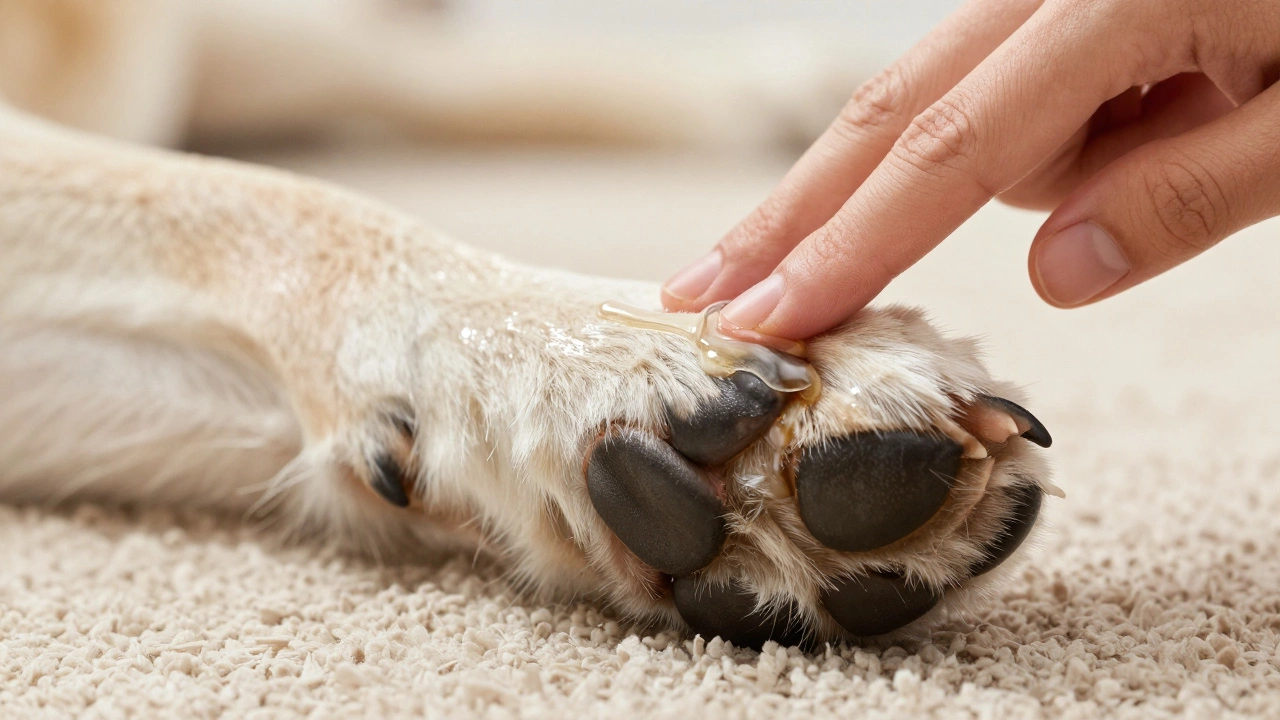
- Dry Paws: Walking on hot pavement, salted sidewalks, or rough terrain can crack paw pads. Rubbing a small amount of coconut oil into your dog’s paws creates a protective barrier that soothes cracks and prevents further drying.
- Itchy Skin: For dogs with mild allergies or seasonal itching, coconut oil can provide temporary relief. Its anti-inflammatory properties may help calm redness, though it will not treat the underlying allergic reaction.
- Coat Shine: Regular brushing combined with occasional topical application can improve the luster of a dull coat. The fatty acids nourish the hair follicles from the outside in.
Orally, coconut oil has shown promise in dental health. Brushing your dog’s teeth with a toothbrush dipped in coconut oil can help reduce plaque buildup. The lauric acid disrupts the biofilm of harmful oral bacteria, potentially reducing bad breath and gum inflammation. It is a natural alternative to commercial enzymatic toothpastes, provided your dog tolerates the texture.
The Hidden Risks: Pancreatitis and Weight Gain
This is the part many bloggers skip over. Coconut oil is almost 100% fat. Adding high-fat supplements to a balanced diet disrupts the caloric equilibrium. For a healthy, active dog, a small amount might burn off quickly. For an older, sedentary, or overweight dog, those extra calories add up fast.
The most serious risk is pancreatitis, a painful and potentially life-threatening inflammation of the pancreas caused by excessive dietary fat. If you suddenly introduce a tablespoon of coconut oil to a dog who isn’t used to it, you could trigger acute diarrhea, vomiting, and abdominal pain. Even in chronic cases, consistent high-fat intake strains the pancreas.
Additionally, coconut oil is calorie-dense. One tablespoon contains approximately 120 calories. If you are feeding a 10-pound Chihuahua, that single tablespoon could represent 20-30% of their daily caloric needs. Over time, this leads to obesity, which puts stress on joints, the heart, and respiratory system.
How Much Coconut Oil Should You Give Your Dog?
If your vet approves, start slow. The general rule of thumb among holistic veterinarians is no more than one teaspoon per 10 pounds of body weight per day, divided into two doses. However, many experts recommend starting with just half a teaspoon for small dogs to test tolerance.
| Dog Size | Weight Range | Max Daily Dose |
|---|---|---|
| Tiny (e.g., Chihuahua) | Under 10 lbs | ½ tsp |
| Small (e.g., Beagle) | 10-25 lbs | 1 tsp |
| Medium (e.g., Bulldog) | 26-50 lbs | 1-2 tsp |
| Large (e.g., Labrador) | 51-100 lbs | 1 tbsp |
| Giant (e.g., Great Dane) | Over 100 lbs | 1-2 tbsp |
Always mix the oil into their regular food rather than giving it straight. This helps mask the strong flavor and ensures it is digested alongside other nutrients. Monitor your dog closely for loose stools during the first week. If diarrhea occurs, stop immediately and consult your vet.
Myths vs. Reality: What Coconut Oil Cannot Do
Social media is full of exaggerated claims. Let’s clear up the confusion with facts.
- Myth: It cures epilepsy. While MCTs are used in some therapeutic diets for seizure management under strict veterinary supervision, simply adding coconut oil to food is not a proven treatment for epilepsy. Seizure protocols require precise ketone levels that coconut oil alone rarely achieves safely.
- Myth: It reverses cognitive decline. Some studies suggest MCTs may support brain function in aging dogs, but results are mixed. It might offer slight mental clarity benefits, but it is not a cure for canine cognitive dysfunction.
- Myth: It detoxifies the body. Dogs do not need "detoxes." Their liver and kidneys handle toxin removal efficiently. Coconut oil does not enhance this process.

Alternatives to Consider
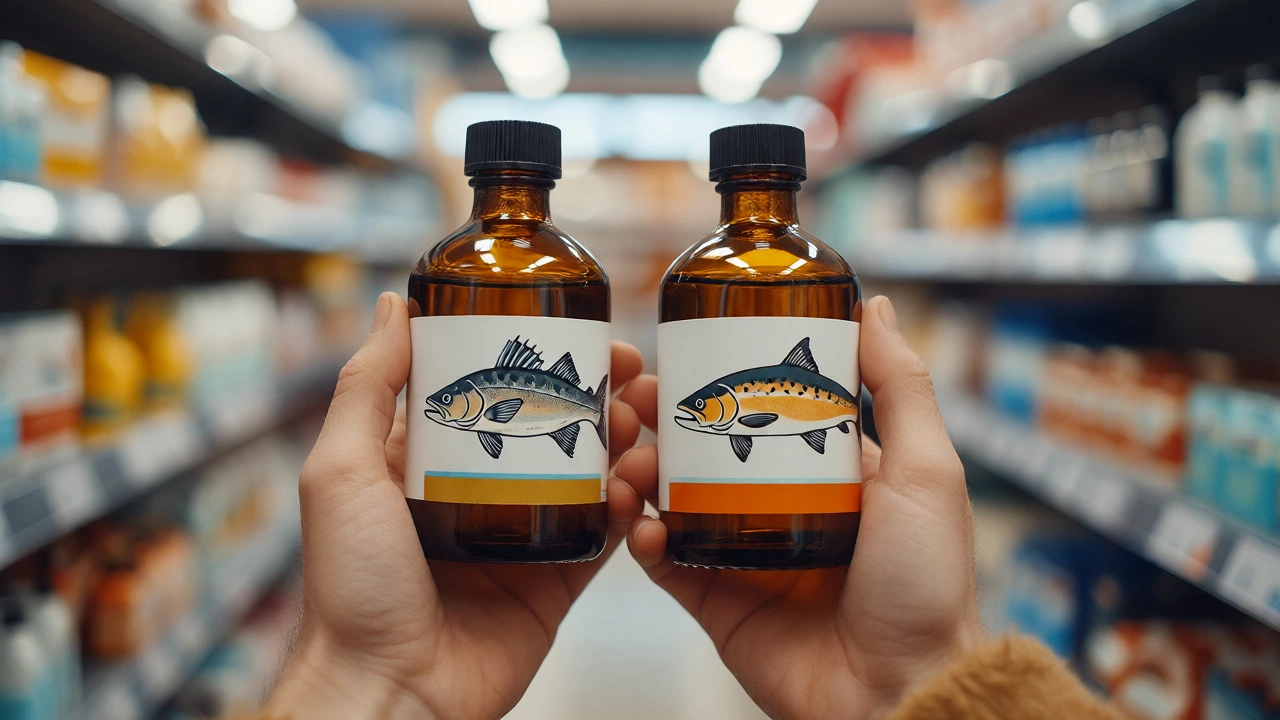
If your goal is better skin and coat, omega-3 fatty acids from fish oil are often recommended by vets over coconut oil. Fish oil provides EPA and DHA, which have stronger anti-inflammatory effects than the saturated fats in coconut oil. For digestive health, probiotics specifically formulated for dogs are more effective than adding fat to the diet.
If you are looking for a natural dental aid, enzymatic toothpaste or dental chews designed to mechanically scrape plaque are superior to coconut oil alone. Always prioritize evidence-based treatments over anecdotal trends.
When to Avoid Coconut Oil Entirely
Not every dog is a candidate for this supplement. Avoid coconut oil if your dog has:
- A history of pancreatitis or pancreatic insufficiency.
- Chronic diarrhea or inflammatory bowel disease (IBD).
- Obesity or difficulty maintaining a healthy weight.
- Allergies to coconuts (rare, but possible).
In these cases, the risks far outweigh any potential benefits. Always discuss new supplements with your veterinarian before introducing them, especially if your dog is on medication or has pre-existing health conditions.
Can I put coconut oil on my dog's ears?
You should avoid putting coconut oil in your dog's ears unless directed by a vet. While it can soften wax, it can also trap moisture and bacteria, worsening ear infections. If your dog has an existing infection, sealing it with oil can prevent medication from working properly.
Does coconut oil help with hot spots?
Coconut oil may soothe minor irritation around a hot spot due to its moisturizing properties, but it does not treat the underlying cause, which is often bacterial or fungal. Hot spots usually require veterinary intervention with antibiotics or antifungals. Using oil on an open wound can delay healing.
Is refined or virgin coconut oil better for dogs?
Virgin (unrefined) coconut oil is generally preferred because it contains more antioxidants and retains natural nutrients. However, if your dog has a sensitive stomach or dislikes the strong coconut smell, refined coconut oil is a milder option. Ensure whichever type you choose is 100% pure with no added sugars or flavors.
Will coconut oil make my dog gain weight?
Yes, it can. Coconut oil is calorie-dense. If you add it without reducing other calories in your dog's diet, weight gain is likely. To prevent this, adjust portion sizes of their regular kibble slightly when adding supplements, and monitor their body condition score regularly.
How long does it take to see results?
For topical applications like dry paws, you may see improvement within a few days. For internal benefits like coat shine or digestion, it typically takes 2-4 weeks of consistent dosing. If you don't see changes after a month, it may not be effective for your specific dog's needs.