Cat Food Hydration Calculator
Enter details to see results
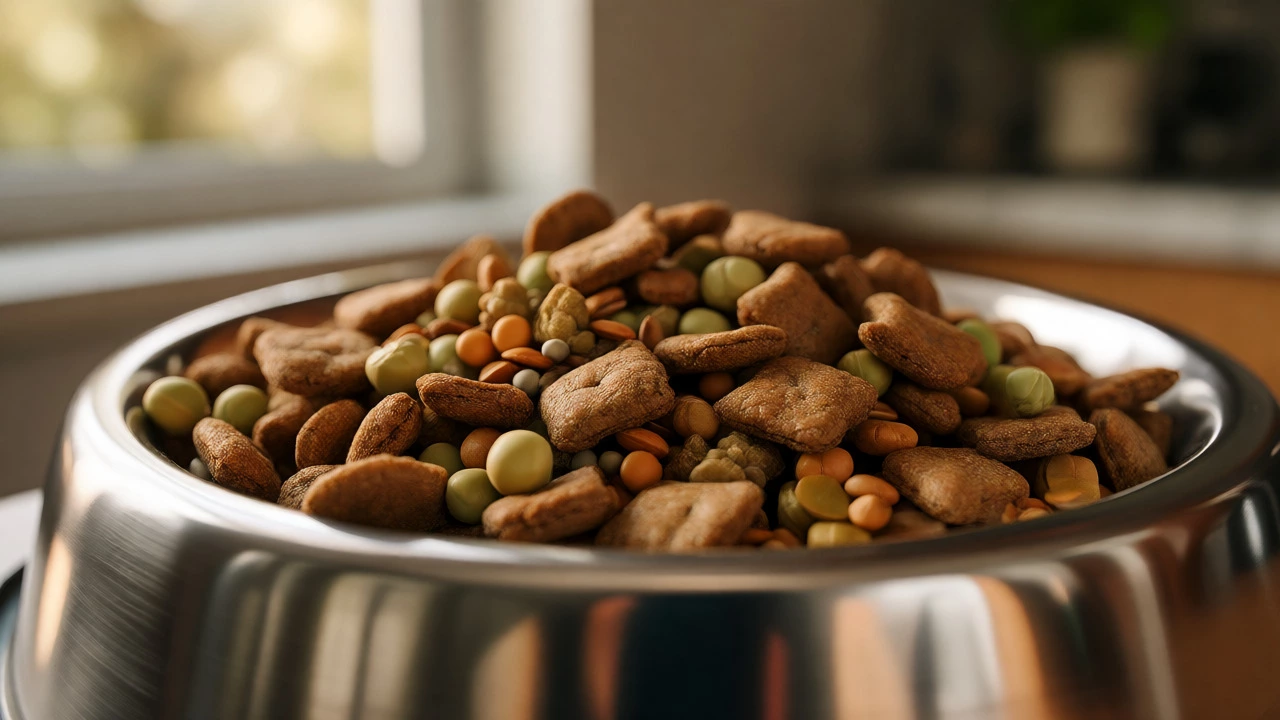
Your cat’s dry kibble might look convenient, but it is dangerously low in water. Most commercial dry cat food is a dehydrated pet food containing only 10% moisture, whereas a natural prey diet holds about 70-80% water. This massive gap forces your cat to drink significantly more plain water than they naturally would, which many felines simply refuse to do. The result? Chronic dehydration that strains their kidneys and urinary tract.
You don’t have to switch entirely to expensive canned food to fix this. You can boost the hydration levels of their current bowl with simple, safe additions. Let’s look at what you can actually add to their kibble without risking their health or ruining their appetite.
The Best Liquid Additions for Dry Kibble
The most direct way to increase moisture is adding liquids. However, not every liquid is safe or palatable for a carnivore. Here are the best options that mix well with crunchy kibble.
- Cat Milk (Lactose-Free): Many owners reach for cow’s milk, but most adult cats are lactose intolerant. It causes gas and diarrhea. Instead, use specialized lactose-free cat milk is a dairy alternative formulated specifically for feline digestion. Brands like Whiskas or Royal Canin offer these. Pour a small amount over the kibble; it softens the pellets slightly while providing extra fluid.
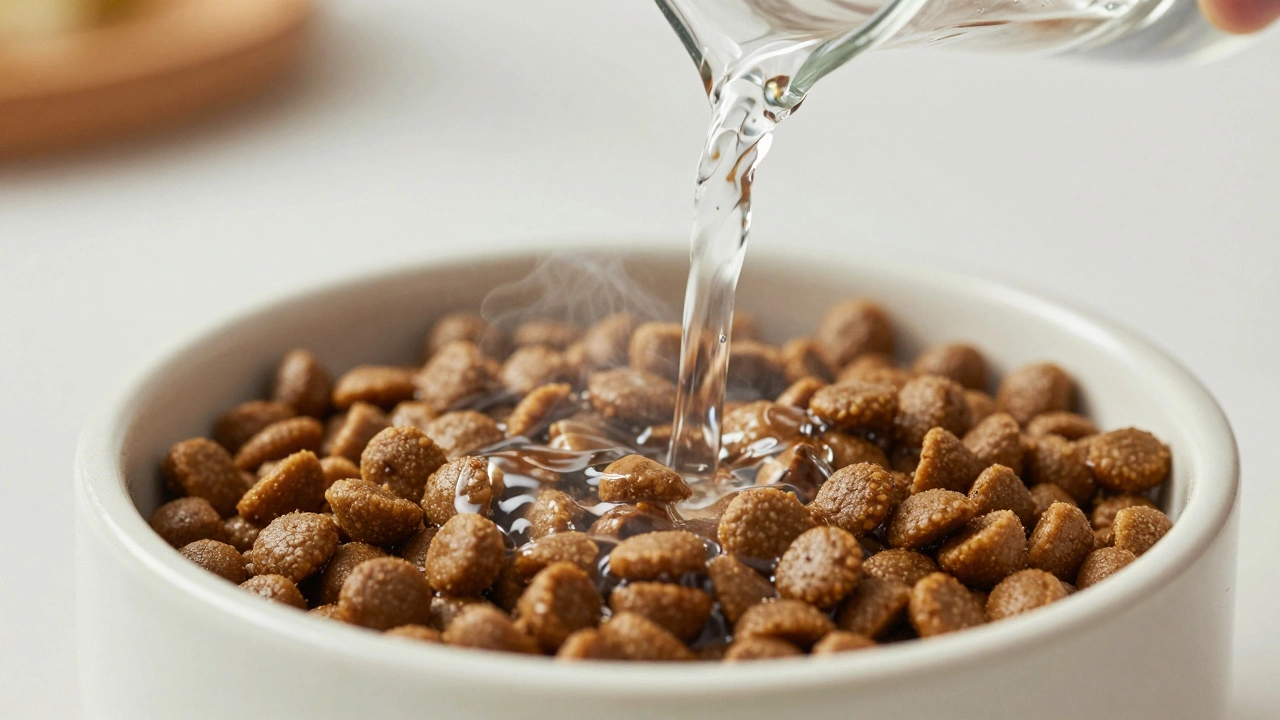
- Warm Water: It sounds boring, but warm water releases aromas better than cold water. Cats rely heavily on smell to determine if food is good. Soaking the kibble in warm (not hot) water for 5-10 minutes creates a soft mash that is much easier to eat and digest for older cats or those with dental issues.
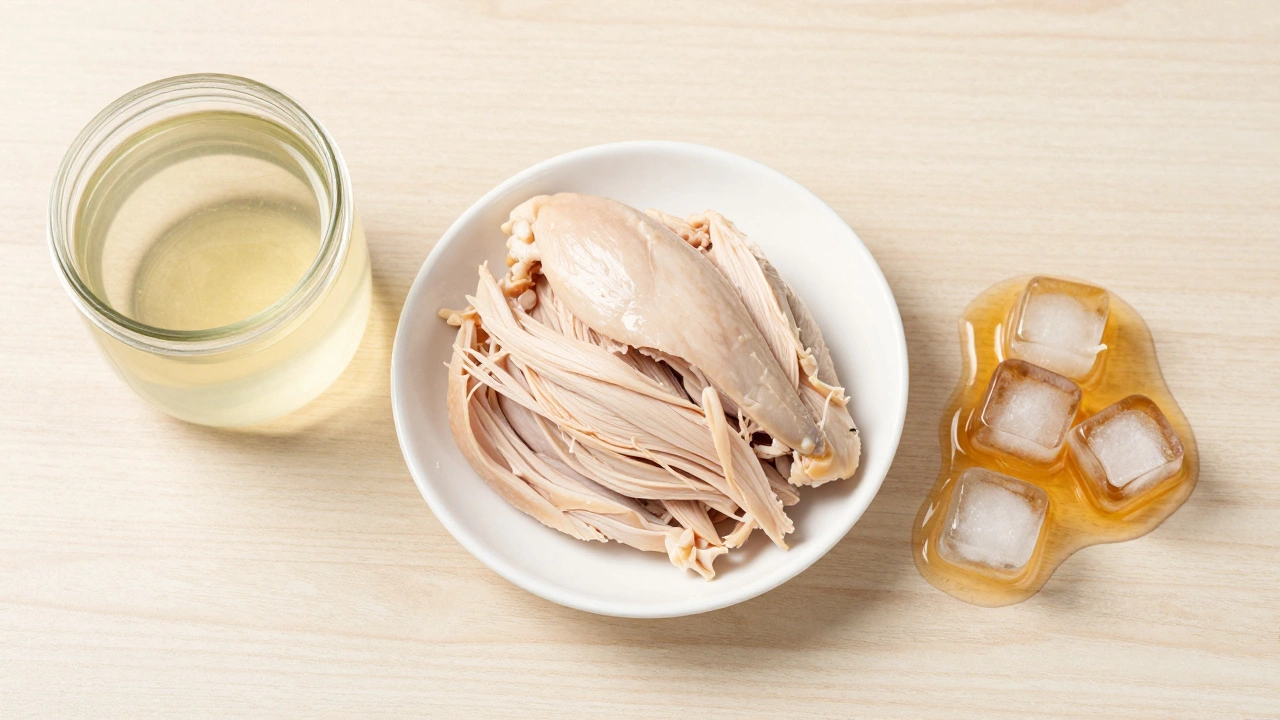
- Bone Broth (Unseasoned): Homemade chicken or turkey bone broth is excellent. It must be completely free of onions, garlic, salt, and spices, as these are toxic to cats. Strain the bones thoroughly so there are no sharp shards left. The savory scent entices picky eaters, and the gelatin supports joint health.
- Tuna Juice: The liquid from a can of tuna in brine or water is incredibly potent. Just one tablespoon mixed into dry food provides a strong flavor boost and significant moisture. Avoid using oil-based tuna juice, as excessive fat can lead to pancreatitis.
Solid Foods That Boost Hydration
If your cat hates soggy food, you can add high-moisture solid ingredients that sit alongside the kibble. These act as treats while delivering water content.
- Plain Canned Tuna or Salmon: A small chunk of real fish adds protein and water. Ensure it is packed in water, not oil, and given in moderation due to mercury content. Limit this to once or twice a week.
- Boiled Chicken Breast: Shredded, plain boiled chicken is lean, safe, and contains about 70% water. It mixes easily with kibble and is highly rewarding for your cat. Never season it with salt or pepper.
- Pumpkin Puree: While not a meat source, plain pumpkin puree (not pie filling) is rich in fiber and water. It helps with digestion and adds moisture. Use sparingly, as cats are obligate carnivores and need minimal carbs.
- Frozen Ice Cubes: For cats who love playing with their food, freeze some of the aforementioned broths or tuna juices into ice cubes. As they lick the melting ice, they consume fluids slowly throughout the day.
What to Absolutely Avoid
Not everything human eats is safe for cats. Adding the wrong things can cause serious health issues. Keep these items far away from their bowl.
- Cow’s Milk: As mentioned, lactose intolerance is common. Symptoms include vomiting, diarrhea, and abdominal pain.
- Onion and Garlic: Even in broth form, these alliums damage red blood cells and can cause anemia. They are strictly toxic.
- Salty Soups or Gravies: Human soups contain too much sodium. High salt intake leads to excessive thirst and can strain the heart and kidneys.
- Chocolate or Coffee: Obvious toxins, but sometimes people think a tiny bit of cocoa powder in a treat is fine. It is not. Theobromine is deadly to cats.
- Xylitol: Found in some sugar-free syrups or sweeteners. It causes rapid insulin release and liver failure in pets.
| Addition | Safety Level | Moisture Content | Notes |
|---|---|---|---|
| Lactose-Free Cat Milk | Safe | High | Easy to digest, palatable |
| Unseasoned Bone Broth | Safe | Very High | No onions, garlic, or salt |
| Cow’s Milk | Unsafe | High | Causes digestive upset |
| Plain Boiled Chicken | Safe | Medium-High | Shred finely for easy mixing |
| Human Soup Gravy | Unsafe | High | Too salty, may contain toxic herbs |
| Tuna Juice | Safe (Moderation) | High | Strong flavor, limit frequency |
How to Introduce Moisture Gradually
Cats are creatures of habit. If you suddenly change the texture or smell of their food, they may reject it entirely. Transition slowly to ensure they accept the new additions.
- Start Small: Begin with just a teaspoon of broth or a splash of cat milk. Mix it thoroughly so the entire bowl has a consistent taste.
- Observe Reaction: Watch if they eat it immediately or sniff and walk away. If they ignore it, try a different additive. Some cats prefer the scent of chicken, others prefer fish.
- Increase Quantity: Over two weeks, gradually increase the amount of liquid or moist food until half the bowl is hydrated.
- Monitor Stool: Too much sudden moisture or fiber can cause loose stools. If this happens, reduce the amount and go slower.
Alternative Hydration Strategies
If your cat refuses any additions to their dry food, consider changing how they access water elsewhere. Sometimes the issue isn’t the food, but the water source.
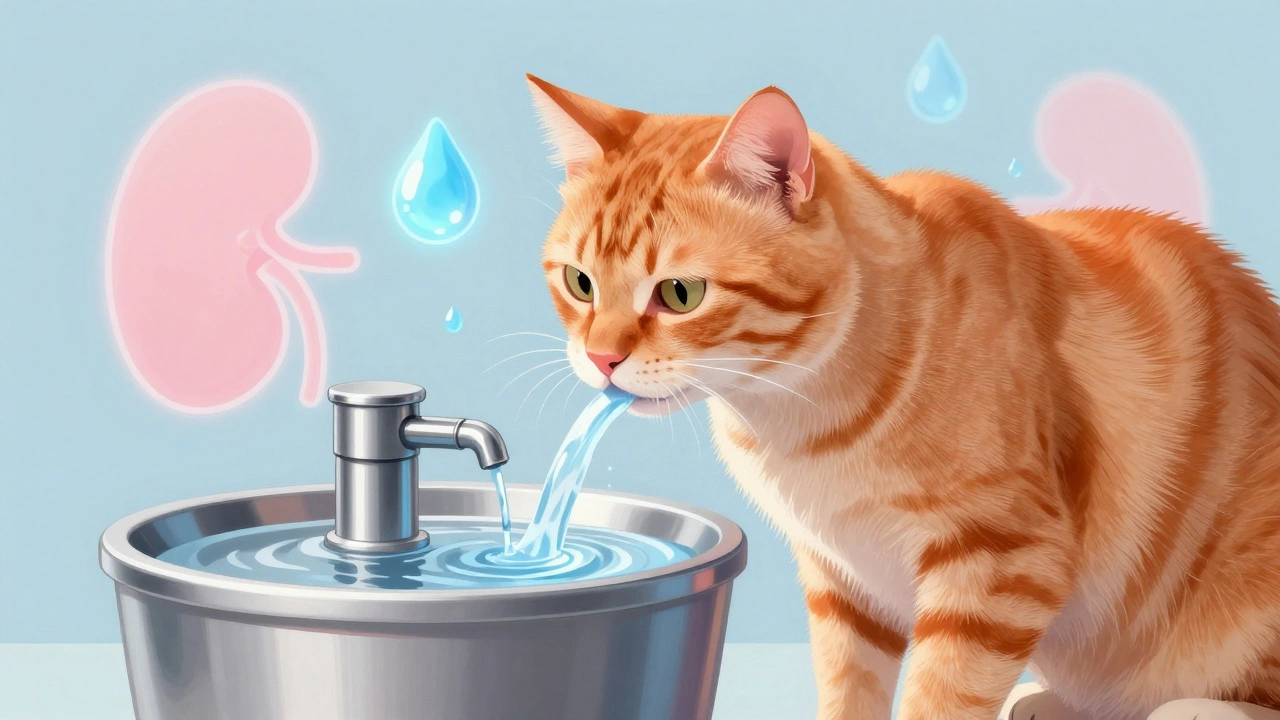
- Fountains: Many cats prefer running water because it smells fresher and signals safety. A pet water fountain is an electric device that circulates and filters water to keep it fresh can double daily intake.
- Multiple Bowls: Place water bowls in quiet, separate areas away from their litter box and food. Cats instinctively avoid drinking near where they eliminate.
- Ice Cubes in Water Bowl: Adding ice cubes to their regular water bowl keeps it cool and encourages licking, which counts as hydration.
When to See a Vet
If your cat is consistently refusing water, showing signs of lethargy, vomiting, or having accidents outside the litter box, see a veterinarian immediately. Dehydration can escalate quickly into kidney disease or urinary blockages, which are life-threatening emergencies. A vet can check skin elasticity and gum moisture to assess hydration status accurately.
Can I put tap water in my cat's dry food?
Yes, tap water is generally safe if it is safe for you to drink. However, some cats dislike the chlorine taste. If your cat rejects plain water, try filtered water or warm water to enhance the aroma. Always ensure the water is fresh and changed daily.
Is it okay to feed my cat only dry food if I add broth?
While adding broth helps, dry food remains low in moisture compared to wet food. Ideally, aim for a mixed diet where wet food or high-moisture additions make up at least 50% of their caloric intake. This significantly reduces the risk of urinary crystals and kidney stress.
How much tuna juice should I give my cat?
Limit tuna juice to one tablespoon per meal, a few times a week. Tuna is high in mercury and lacks certain nutrients like taurine when fed exclusively. It should be a treat, not a staple part of their diet.
Why does my cat hate soggy food?
Some cats prefer the crunch of dry kibble due to sensory preferences or dental comfort. If they hate sogginess, try adding moist solids like boiled chicken pieces instead of soaking the kibble itself. Alternatively, serve the moist food separately from the dry kibble.
Can dehydration cause kidney failure in cats?
Yes, chronic mild dehydration puts constant strain on the kidneys. Over time, this can lead to Chronic Kidney Disease (CKD), which is common in older cats. Ensuring adequate hydration through diet and water sources is a primary preventive measure against CKD.