Dirty Dog Syndrome Assessment Tool
Select all behaviors that apply to your dog. This helps determine the severity of the issue.
Assessment Result
Select options above
Recommended Action Plan
Check at least one behavior to see specific recommendations based on veterinary best practices.
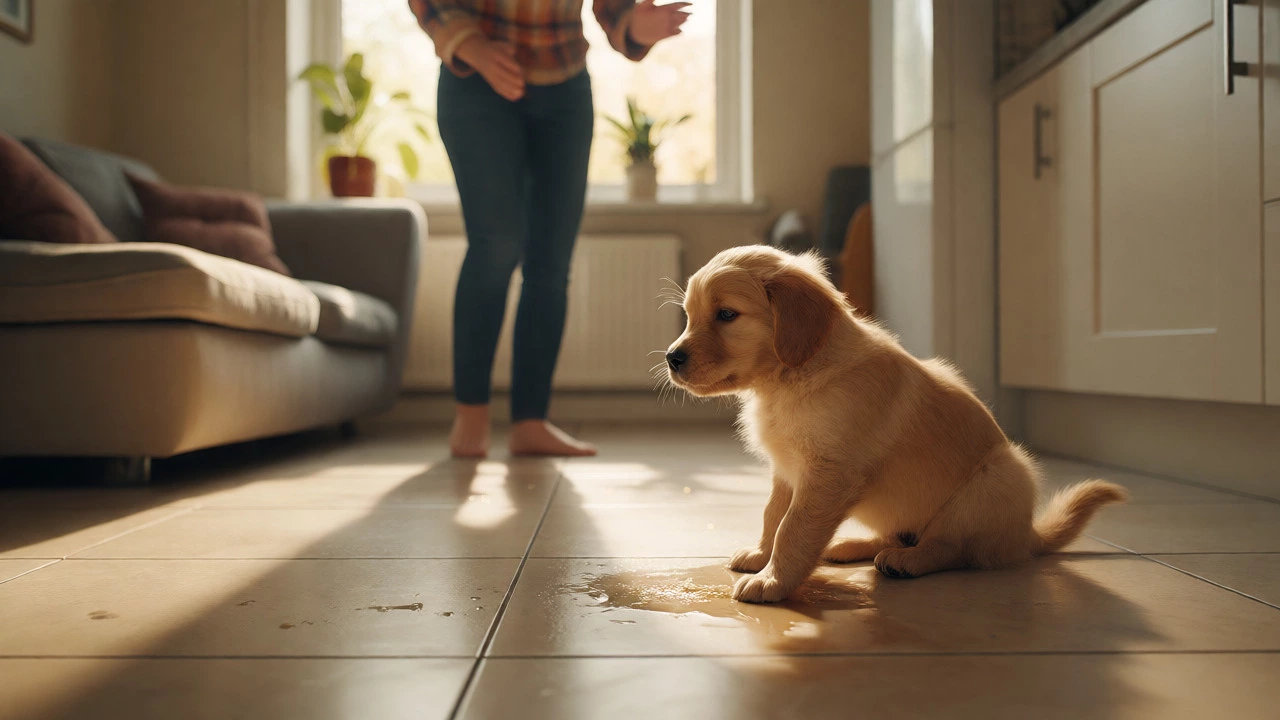
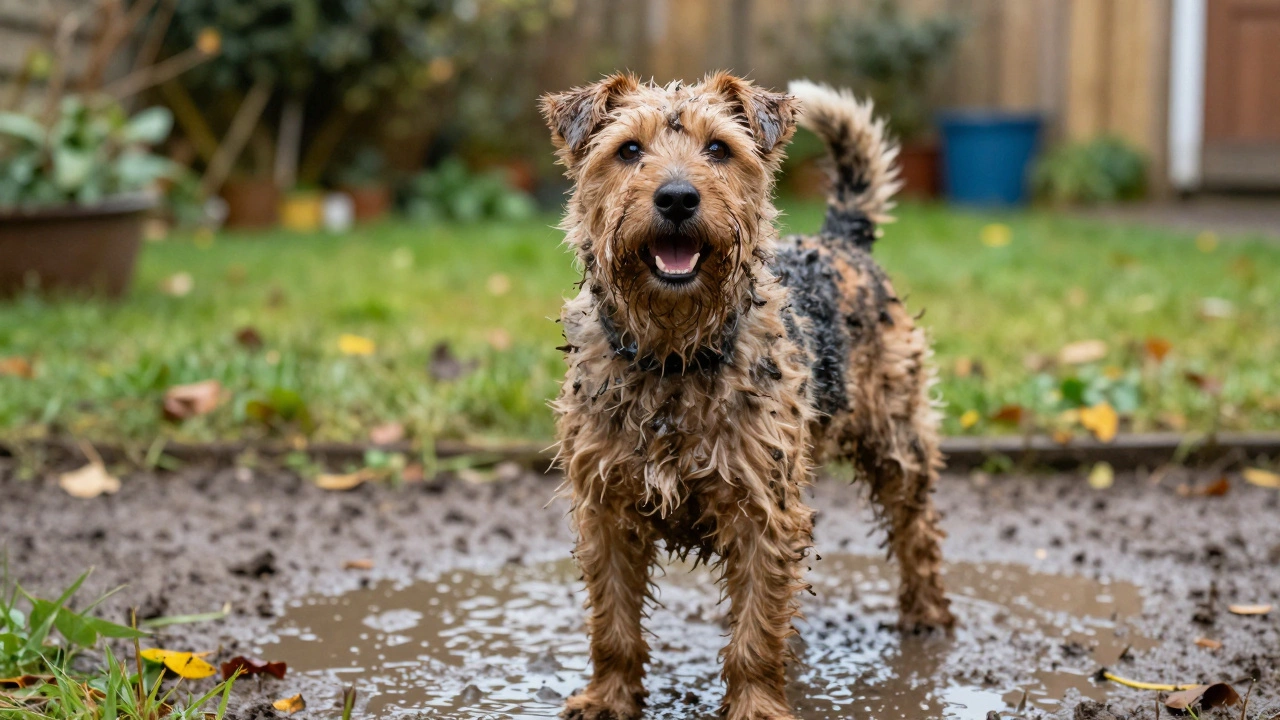
You open the door, expecting a cute greeting. Instead, you get a wallow of mud, rainwater, and questionable garden debris. You sigh, grab the towel, and wonder if your new companion is just naturally filthy or if something deeper is going on. This isn’t just bad luck; it’s often referred to as dirty dog syndrome. While not a clinical diagnosis found in veterinary textbooks, this term describes a persistent pattern where dogs actively seek out messes, resist cleaning, or simply cannot stay clean despite your best efforts.
Understanding why this happens is the first step to managing it. For many owners, especially those new to puppy care, the frustration can feel personal. But usually, your dog isn’t trying to annoy you. They are acting on instinct, sensory preferences, or unmet behavioral needs. Let’s break down what drives this behavior and how you can handle it without losing your mind.
The Roots of the Mess: Why Do Dogs Get So Dirty?
To fix the problem, you have to understand the motivation. Dogs don’t wake up thinking, "I want to ruin my owner’s carpet." Their drive to get dirty usually stems from one of three areas: instinct, environment, or emotion.
- Instinctual Rolling: In the wild, ancestors like wolves rolled in strong-smelling substances (often carrion or musk) to mask their own scent. This helped them hunt more effectively by hiding their presence from prey. Your domestic dog still has this genetic wiring. When they roll in a pile of leaves or mud, they might be satisfying an ancient urge to "cover" their scent.
- Sensory Exploration: Dogs experience the world through their noses and skin. Mud, wet grass, and dirt provide rich textural feedback. For some breeds, particularly terriers or hounds bred for digging and tracking, getting dirty is part of their job description. It feels good to them.
- Boredom and Anxiety: If a dog lacks mental stimulation, they may create their own entertainment. Digging holes, chasing puddles, or rolling in garbage can be coping mechanisms for stress or under-stimulation. A bored dog is a messy dog.
It’s also worth noting that some breeds are naturally prone to this. A Basset Hound with long, floppy ears will trap moisture and dirt differently than a sleek Greyhound. Understanding your breed’s specific traits helps set realistic expectations.
Signs You’re Dealing With Dirty Dog Syndrome
How do you know if your dog is just having a bad day or if this is a chronic issue? Look for patterns. Occasional mud after a rainstorm is normal. Dirty dog syndrome presents itself through consistent behaviors that defy basic training.
- The Immediate Wallow: As soon as they go outside, they head straight for the muddiest patch, regardless of weather conditions.
- Resistance to Cleaning: The moment you reach for a wipe or water bowl, they freeze, run away, or show signs of anxiety.
- Persistent Odor: Even after a bath, they seem to attract smells quickly, suggesting they are seeking out odor-rich environments indoors (like trash cans or laundry piles).
- Matting and Skin Issues: Because they aren’t being cleaned regularly due to resistance, you notice mats forming near the tail, groin, or ears, which can lead to secondary infections.
If you see these signs, the issue isn’t just cleanliness; it’s behavioral management. You need a strategy that addresses both the physical mess and the psychological drive behind it.
The Health Risks Behind the Filth
Ignoring the dirt isn’t just an aesthetic problem. Persistent exposure to mud, bacteria, and parasites can lead to serious health issues. This is where dog health intersects with daily grooming habits.
Mud often contains fecal matter from other animals, which can harbor parasites like roundworms, hookworms, or tapeworms. When a dog licks their paws-a common self-grooming behavior-they ingest these pathogens. Over time, this can cause gastrointestinal distress, weight loss, and nutrient deficiencies.
Additionally, trapped moisture in fur creates a breeding ground for bacteria and yeast. This leads to hot spots, fungal infections, and ear infections (otitis externa), especially in breeds with floppy ears. Chronic inflammation from repeated exposure to irritants can also cause allergic dermatitis, making the dog itchier and more likely to scratch, creating a vicious cycle of damage and dirt.
Practical Solutions: Taming the Mess
Fixing dirty dog syndrome requires a multi-layered approach. You can’t just wash the dog; you have to change the routine and the environment. Here are actionable steps that work.
1. The "Clean Zone" Protocol
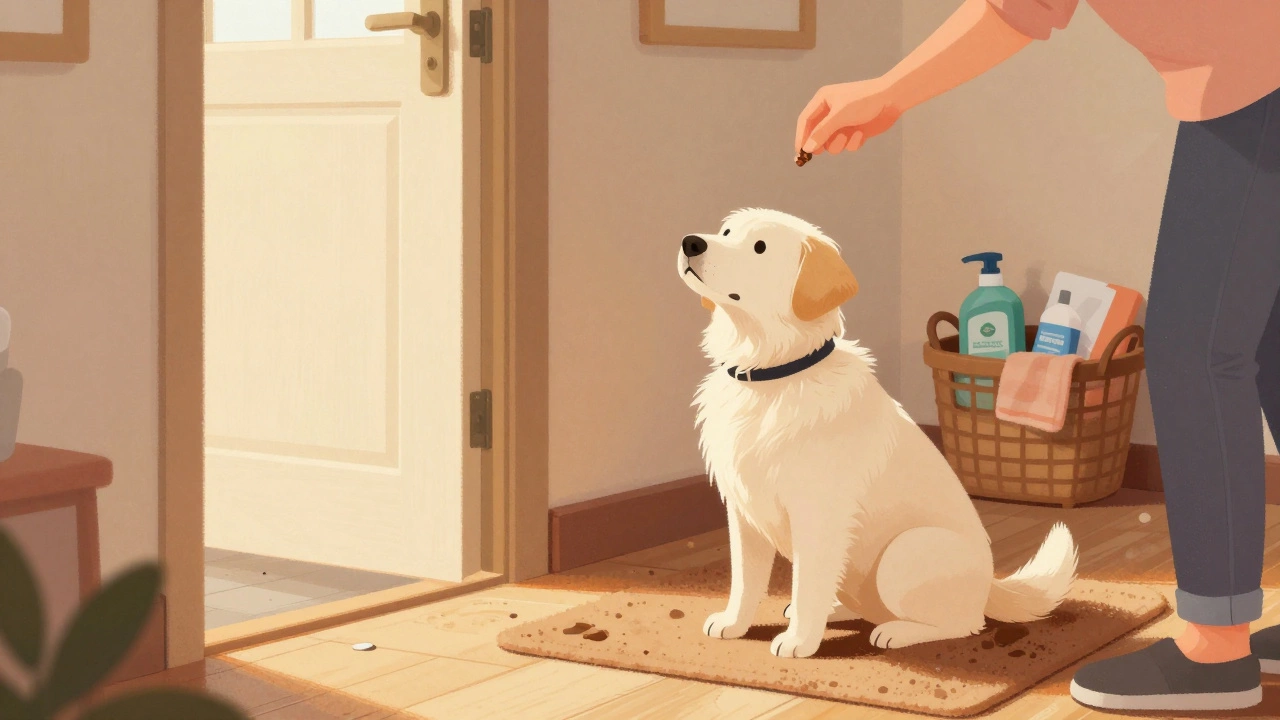
Create a designated entryway area that acts as a buffer between the outside and your living space. Use easy-to-clean materials like tile, vinyl, or concrete. Keep a basket of towels, enzymatic cleaners, and paw wipes here. Train your dog to sit in this zone before entering the main house. Reward compliance with high-value treats. This builds a habit of pausing before bringing the chaos inside.
2. Paw Washing Stations
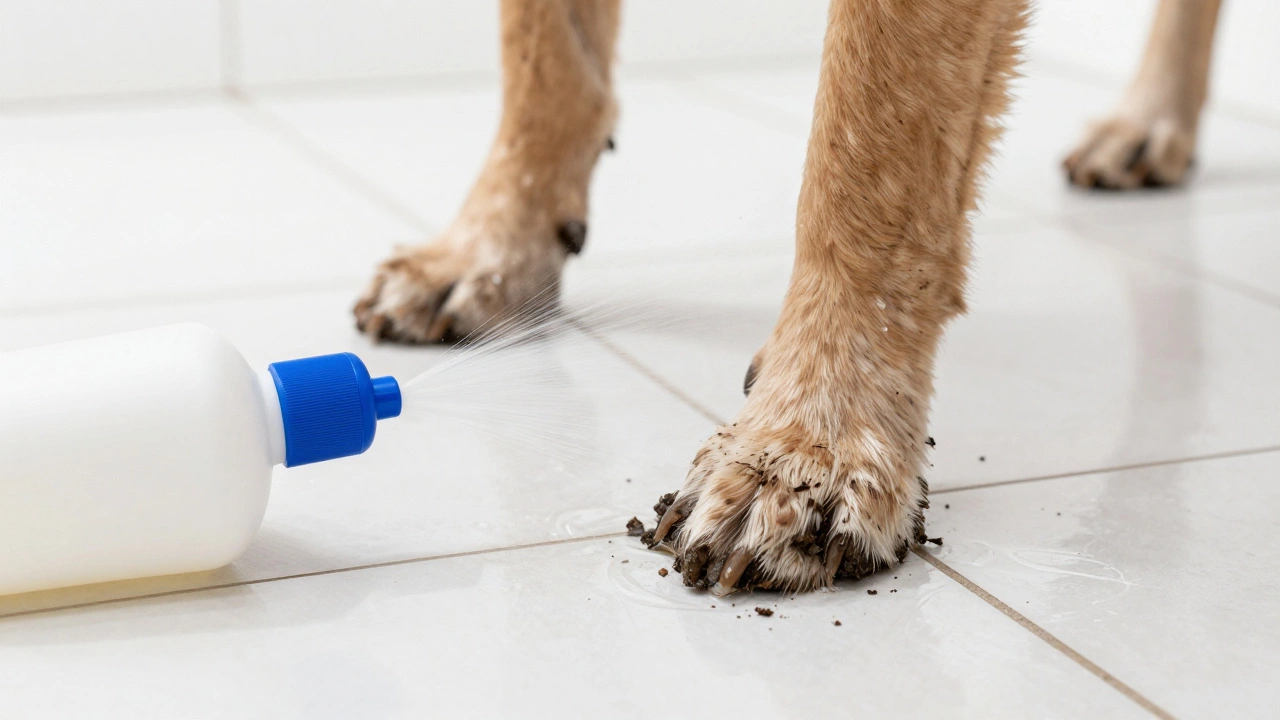
Invest in a portable paw washer or a simple spray bottle with lukewarm water. After every walk, rinse the paws immediately. Don’t wait until the mud dries and hardens into the fur. Regular rinsing prevents matting and removes surface bacteria. Make this part of the routine so the dog expects it. Consistency is key.
3. Mental Stimulation Over Physical Exhaustion
A tired dog is often a calm dog, but a mentally stimulated dog is less likely to seek out destructive or messy outlets. Incorporate puzzle toys, scent work games, and obedience training into their daily schedule. If their brain is busy solving problems, they are less likely to dig up the garden or roll in a compost heap.
4. Grooming as Bonding, Not Punishment
If your dog hates baths, make grooming positive. Start small. Touch their paws, brush one spot, then give a treat. Gradually increase the duration. Use high-quality, hypoallergenic shampoos that don’t strip natural oils, which can cause itching and more rolling. Never force a struggling dog into a bath; this reinforces fear. Instead, use dry shampoo powders or waterless foam cleansers for spot cleaning.
Grooming Tools That Make Life Easier
Having the right equipment changes everything. Struggling with the wrong tools makes both you and the dog miserable. Here is a comparison of essential items for managing a messy dog.
| Tool | Best Use Case | Benefit | Limitation |
|---|---|---|---|
| Enzymatic Cleaner | Floor stains and odors | Breaks down organic matter completely | Takes time to air dry |
| Paw Washer | Post-walk cleanup | Quickly removes mud from pads | Requires water access |
| Dry Shampoo Foam | Spot cleaning fur | No water needed, reduces stress | Doesn’t remove heavy grime |
| Undercoat Rake | Removing loose hair and debris | Prevents matting | Can irritate sensitive skin if used too aggressively |
Using these tools strategically reduces the friction of cleaning. When cleaning becomes easier, you are more likely to do it consistently, which breaks the cycle of dirt accumulation.
When to Call the Vet
Sometimes, the dirtiness is a symptom of an underlying medical condition. If your dog is excessively rolling, scratching, or licking, it could be due to allergies, hormonal imbalances, or pain. Watch for these red flags:
- Red, inflamed skin that doesn’t improve with cleaning
- Unusual discharge from ears or eyes
- Sudden changes in appetite or energy levels
- Excessive shedding or hair loss
If any of these appear, stop home treatments and consult a veterinarian. They can rule out infections or allergies that require medication. Treating the root cause often resolves the behavioral compulsion to get dirty.
Building Long-Term Habits
Changing your dog’s relationship with dirt takes patience. It won’t happen overnight. The goal isn’t a sterile animal; it’s a manageable companion. By combining environmental control, positive reinforcement, and regular maintenance, you can significantly reduce the impact of dirty dog syndrome.
Remember, your reaction matters. If you yell when they come in muddy, they associate coming inside with negative experiences, which can lead to anxiety-based behaviors. Stay calm, clean efficiently, and reward the clean behavior. Over time, your dog will learn that staying relatively clean leads to better interactions and more fun activities.
Is dirty dog syndrome a real medical condition?
No, it is not a formal medical diagnosis. It is a colloquial term used by owners and trainers to describe a behavioral pattern where a dog consistently seeks out dirt, resists cleaning, or fails to stay clean due to instinct, boredom, or anxiety. However, the consequences can lead to medical issues like skin infections or parasite infestations.
Why does my dog roll in smelly things?
This is largely instinctual. Wild canids roll in strong scents to mask their own odor, helping them hunt undetected. Domestic dogs retain this behavior. Additionally, some dogs find certain textures or smells soothing, or they may be trying to communicate information back to their pack (you) about what they encountered outside.
How often should I bathe a dog that gets dirty easily?
Full baths should generally be limited to once a month or every six weeks to avoid stripping natural oils from the skin. For daily maintenance, use waterless foams, damp cloths, or paw washers. Frequent bathing can worsen skin irritation, leading to more itching and rolling.
Can dirty paws cause stomach problems?
Yes. Dogs lick their paws to groom themselves. If the paws are contaminated with feces, soil, or chemicals, the dog ingests these substances. This can introduce parasites like worms or bacteria such as Salmonella or E. coli, leading to gastrointestinal upset, vomiting, or diarrhea.
What is the best way to stop my dog from tracking mud inside?
Create a "clean zone" at your entryway with easy-to-clean flooring. Train your dog to sit there upon entering. Immediately rinse their paws with a spray bottle or paw washer before they move further into the house. Consistency and positive reinforcement for waiting in the zone are crucial for long-term success.
Are certain dog breeds more prone to getting dirty?
Yes. Breeds with high prey drives, digging instincts, or hunting backgrounds-such as Terriers, Hounds, and Retrievers-are often more inclined to get into mud and dirt. Additionally, dogs with longer coats or facial folds may trap more debris, making them appear dirtier even if they haven’t actively sought out messes.
Should I use human shampoo on my dog?
No. Human skin has a different pH balance than canine skin. Using human shampoo can disrupt the dog's acid mantle, leading to dryness, irritation, and increased susceptibility to infections. Always use products specifically formulated for dogs, preferably those labeled as hypoallergenic or gentle.
How can I tell if my dog’s rolling is due to pain?
If the rolling is accompanied by limping, vocalizing, reluctance to move, or localized swelling, it may indicate pain. Sometimes dogs roll to soothe an itchy or painful spot. If you notice sudden changes in behavior or mobility alongside the dirty behavior, consult a vet to rule out arthritis, injuries, or skin conditions.