Every spring, dog owners in Bristol start thinking about vaccines. Not because the weather’s turning, but because their puppies are due for their next round. And if you’ve ever been handed a slip that says 5 in 1 dog vaccine, you probably walked away confused. What’s actually in there? Why five? And why does it matter?
What does "5 in 1" really mean?
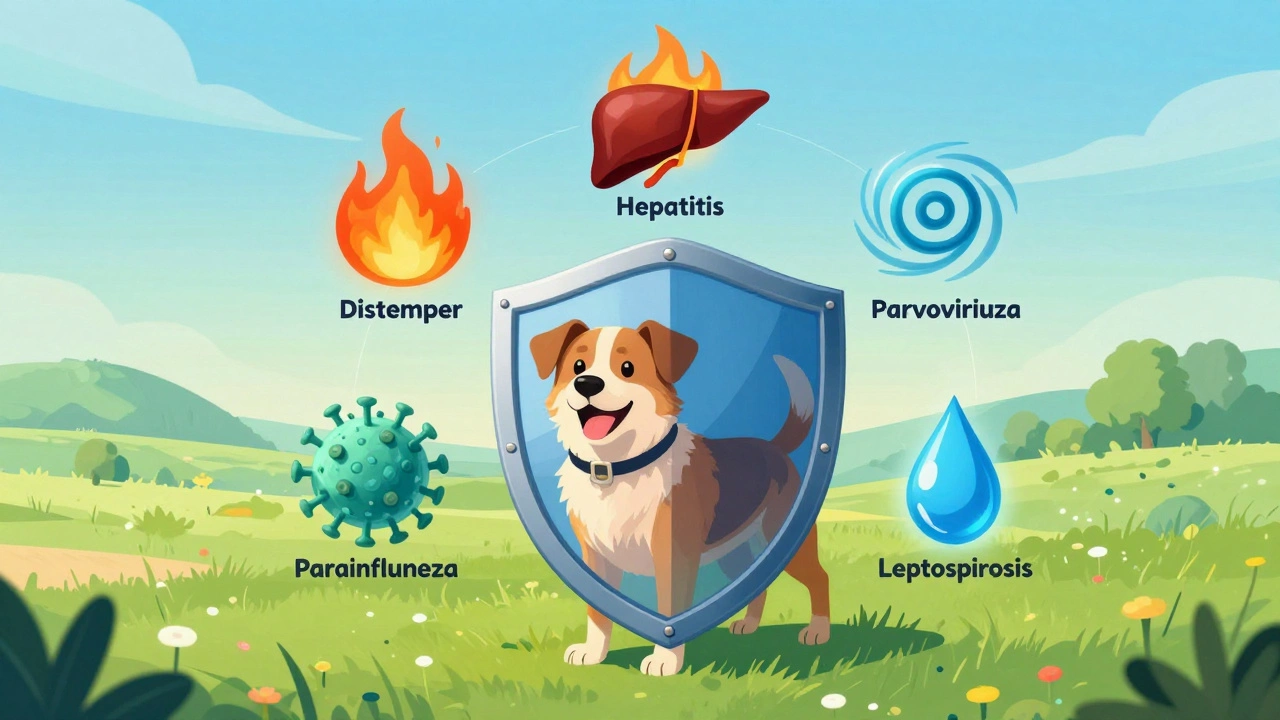
The "5 in 1" label isn’t marketing fluff - it’s a shorthand for a single shot that protects against five major canine diseases. It’s one of the most common core vaccines given to puppies and adult dogs in the UK. The official name is often DHPPiL, which stands for the diseases it covers: Distemper, Hepatitis, Parvovirus, Parainfluenza, and Leptospirosis. Some vets shorten it to "5 in 1," others say "7 in 1" if rabies or coronavirus are added. But in the UK, rabies isn’t routine unless you’re traveling, so 5 in 1 is the standard.
Think of it like a combo meal for your dog’s immune system. Instead of five separate needles over several visits, one shot does the job. That means fewer trips to the vet, less stress for your pup, and lower costs.
The five diseases in detail
- Distemper - A deadly virus that attacks the respiratory, gastrointestinal, and nervous systems. It’s highly contagious and often fatal. Dogs that survive can suffer lifelong neurological damage like seizures. Outbreaks still happen in unvaccinated populations.
- Hepatitis (Canine Adenovirus Type 2) - Not the same as human hepatitis. This virus targets the liver, kidneys, eyes, and endothelial cells. It spreads through urine and can cause jaundice, vomiting, and sudden death. The vaccine uses a related but harmless strain (Adenovirus Type 1) that cross-protects.
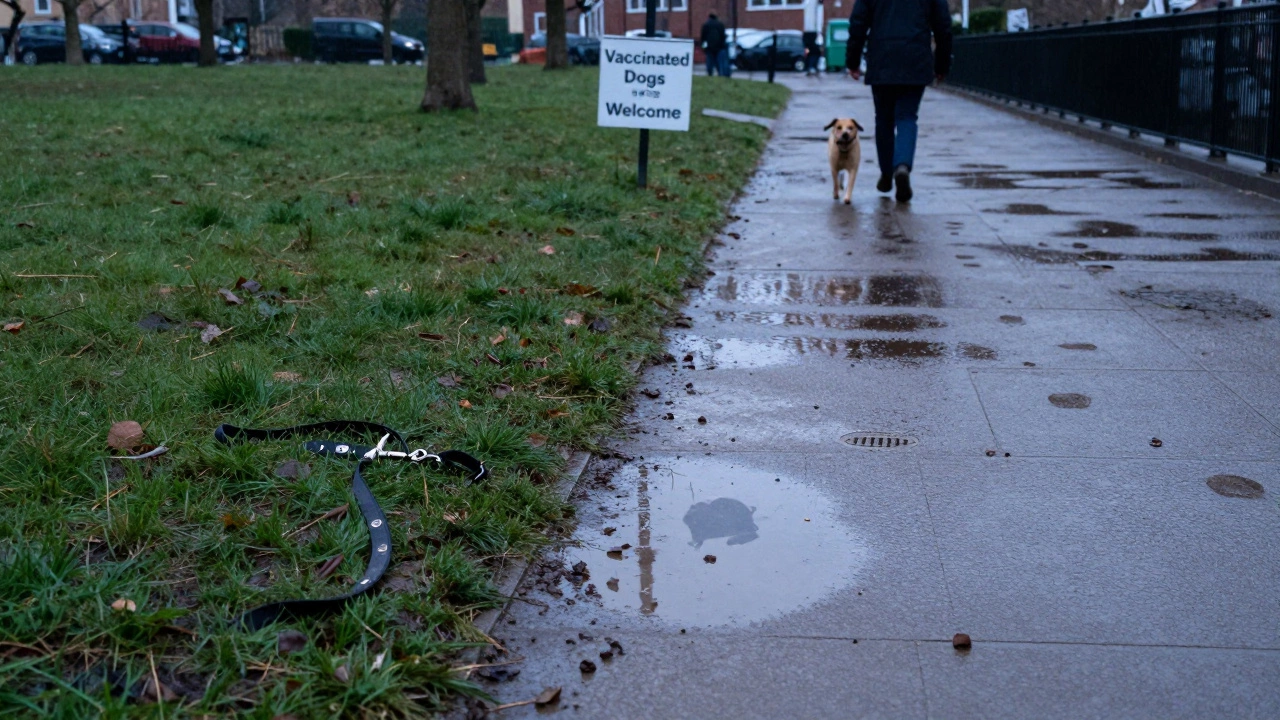
- Parvovirus - The most feared virus in puppy clinics. It destroys the gut lining, causing violent vomiting, bloody diarrhea, and rapid dehydration. Puppies under six months are especially vulnerable. The virus survives for months in soil and on surfaces. Even clean-looking parks can be dangerous.
- Parainfluenza - A respiratory virus that contributes to kennel cough. It’s not usually deadly on its own, but it weakens the airway, making it easier for bacteria like Bordetella to take hold. That’s why it’s often paired with other vaccines.
- Leptospirosis - A bacterial disease carried by rats, wildlife, and even contaminated water. In the UK, it’s one of the most common zoonotic diseases (can jump to humans). Symptoms include fever, kidney failure, and liver damage. Dogs that sniff around puddles, rivers, or farm areas are at higher risk.
These aren’t theoretical threats. In 2023, the UK’s Veterinary Medicines Directorate reported over 1,200 confirmed cases of leptospirosis in dogs - a 22% increase from 2021. Parvovirus outbreaks still occur in urban areas where vaccination rates dip below 80%.
When does the 5 in 1 vaccine start?
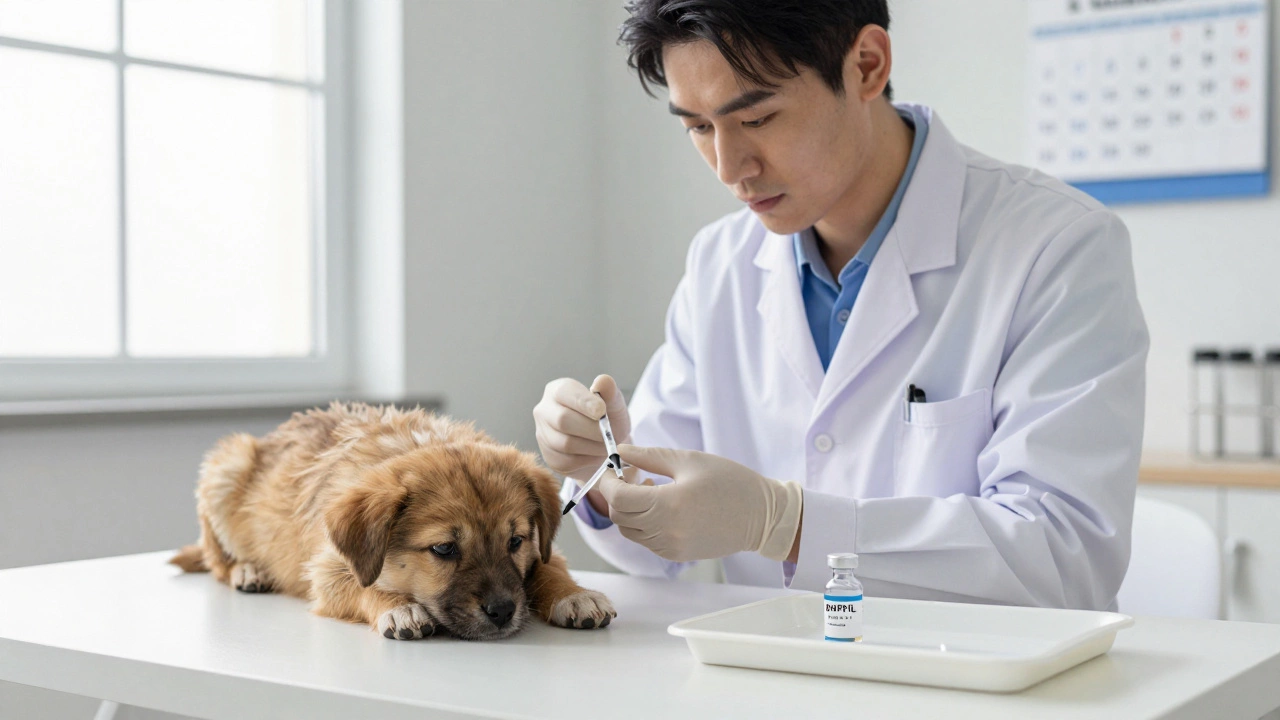
Puppies get their first dose at 8 weeks old. That’s the sweet spot: old enough for their immune system to respond, but still protected by maternal antibodies from their mum’s milk. The second shot comes at 12 weeks. Then a third at 16 weeks - especially important for high-risk breeds like Rottweilers or Dobermans who may need extra protection.
After the initial series, a booster is given at 15 months. Then every year after that. Some vets now offer 3-year boosters for Distemper, Hepatitis, and Parvo - but Leptospirosis and Parainfluenza still need yearly shots. Why? Because immunity doesn’t last as long for those two.
Skipping even one dose leaves your dog exposed. I’ve seen cases where owners thought "one shot is enough" - then their 6-month-old pup got parvo after a walk in the park. The vet bill? Over £2,000. The vaccine? £35.
Is the 5 in 1 vaccine safe?
Yes. Side effects are rare and mild. Most dogs feel a little tired or have a small lump at the injection site for a day or two. Less than 1 in 1,000 dogs have a more serious reaction - like vomiting, swelling, or trouble breathing. Those usually show up within 30 minutes. That’s why vets ask you to wait after the shot.
Some owners worry about "over-vaccinating." But the 5 in 1 isn’t overloaded. It’s a carefully balanced mix. The viruses and bacteria in it are either killed or weakened so they can’t cause disease. They’re just enough to train your dog’s immune system to recognize and fight the real thing.
A 2024 study from the University of Bristol’s veterinary school tracked 8,000 dogs over five years. Dogs that received the full 5 in 1 series had a 98% lower risk of contracting any of the five diseases. No other single intervention comes close.
What about other vaccines?
The 5 in 1 covers the core diseases - the ones every dog needs. But not all dogs need everything.
For example:
- If your dog never goes to boarding, dog parks, or grooming salons, you might skip the kennel cough (Bordetella) vaccine - even though it’s often bundled.
- If you live in a rural area with no rat activity, your vet might suggest skipping the leptospirosis component - though that’s rare in the UK.
- Rabies is only given if you’re traveling abroad. It’s not part of the 5 in 1 in the UK.
Always talk to your vet. They’ll ask about your dog’s lifestyle: walks, travel, exposure to wildlife, boarding, and even if you live near farmland. That’s how they decide if your dog needs just the 5 in 1 - or extra protection.
What if you miss a shot?
If your dog misses a booster by a few months, don’t panic. But don’t wait. Most vets will give a single "catch-up" dose if it’s been less than 12 months. If it’s been over a year, they’ll restart the full puppy series - two shots, 3-4 weeks apart. Why? Because the immune system forgets. And forgetting means vulnerability.
There’s no such thing as "too late" to vaccinate. Even a 7-year-old dog that’s never been vaccinated can still benefit. The 5 in 1 works at any age - it just takes two doses to kickstart immunity.
Why not just test for antibodies instead?
Sometimes owners ask: "Can’t we just do a blood test to see if the vaccine worked?"
It’s possible - titer tests check for antibodies against Distemper, Parvo, and Hepatitis. But they don’t work for Leptospirosis or Parainfluenza. And even if antibodies are present, they don’t guarantee protection. Immunity isn’t just about numbers - it’s about how fast your dog’s body can respond. That’s why annual boosters are still the gold standard.
Plus, titer tests cost £60-£80. The vaccine? £35. And you’re not just protecting your dog - you’re helping stop outbreaks in your community.
Final takeaway
The 5 in 1 dog vaccine isn’t optional. It’s the most important thing you’ll do for your dog’s health after spaying or neutering. It’s cheap, safe, and proven. It stops diseases that kill. It stops diseases that cost thousands to treat. And it stops diseases that can spread to other dogs - and even people.
Don’t wait for an outbreak. Don’t wait until your dog gets sick. Get the shot. Stay on schedule. And if you’re ever unsure - ask your vet. They’ll tell you exactly what your dog needs. No guesswork. No fluff. Just facts.
Is the 5 in 1 vaccine the same as DHPP?
Not quite. DHPP covers Distemper, Hepatitis, Parvovirus, and Parainfluenza - that’s four. The "5 in 1" adds Leptospirosis. In the UK, Leptospirosis is considered core because of the high risk from wildlife and urban rats. So while DHPP is common in the US, the UK standard is DHPPiL - the fifth component makes all the difference.
Can my puppy go outside after the 5 in 1 shot?
Wait at least 7-10 days after the final puppy shot (usually at 16 weeks). Before then, your pup’s immune system is still building protection. Even if they’ve had two shots, they’re not fully safe until after the third. Stick to your yard or carry them in public areas. Avoid dog parks, muddy paths, and places where other dogs relieve themselves.
Do I need the 5 in 1 if my dog never goes outside?
Yes. Parvovirus and leptospirosis can be brought into your home on shoes, bags, or clothing. Distemper spreads through airborne droplets - even a visit from a friend with an unvaccinated dog could put your pup at risk. Vaccines aren’t just for outdoor adventures. They’re for survival.
Is the 5 in 1 vaccine mandatory in the UK?
Legally, no - except for rabies if you’re traveling. But most kennels, dog walkers, groomers, and training classes require proof of the full 5 in 1. Many pet insurers also require it to cover illness. So while it’s not law, it’s practically required for normal life with your dog.
Can older dogs get the 5 in 1 vaccine?
Absolutely. Dogs of any age can be vaccinated. If your senior dog has never been vaccinated, they’ll need two doses 3-4 weeks apart. After that, yearly boosters are recommended. Older dogs are more vulnerable to diseases like leptospirosis and parvovirus - their immune systems don’t fight as hard. Vaccination isn’t just for puppies.