
Dog Egg Portion Calculator
Enter your dog's weight to determine the safe serving size of scrambled eggs as a treat (max 10% of daily calories).
Medium Dog
Safe serving amount...
Preparation Checklist:
- ✔ Fully cooked (no runny yolks)
- ✔ No salt, pepper, or onions
- ✔ Minimal oil/butter
- ✔ Cooled to room temperature
It starts with a simple glance. You’re flipping pancakes or scrambling eggs for breakfast, and your dog is right there, staring at the pan with an intensity that could melt steel. It’s hard not to feel like you’re withholding something delicious. But before you toss them a chunk of your morning meal, you need to know if it’s actually good for them-or just a tasty trap.
The short answer is yes, scrambled eggs are generally excellent for dogs. They are packed with high-quality protein, essential amino acids, and healthy fats that support muscle health and shiny coats. However, "good" comes with conditions. How you cook them matters more than you might think. A plain, cooked egg is a superfood; one loaded with butter, salt, or onions is a health risk.
Quick Takeaways
- Cooked is key: Always serve eggs fully cooked to avoid Salmonella and E. coli bacteria.
- No seasoning: Avoid salt, pepper, garlic, onion, and excessive butter or oil.
- Portion control: Eggs are calorie-dense. One large egg is too much for a small Chihuahua but fine as an occasional treat for a Labrador.
- Allergies exist: While rare, some dogs can be allergic to chicken proteins. Watch for itching or digestive upset.
- Nutritional boost: Egg yolks contain biotin and lecithin, which promote skin and coat health.
Why Eggs Are a Nutritional Powerhouse for Canines
To understand why eggs are such a popular supplement in dog food diets designed for canine health, we have to look at what’s inside the shell. An egg is essentially a perfect package of biological fuel. For dogs, who are obligate carnivores with a strong preference for animal-based proteins, eggs offer a bioavailability rate that plant proteins simply can’t match.
The primary benefit is protein. Dog muscles, organs, and immune systems rely on amino acids to function. Eggs contain all nine essential amino acids that dogs cannot produce on their own. This makes them a "complete" protein source. If your dog is recovering from illness, is a senior needing muscle maintenance, or is a growing puppy, the dense protein profile helps repair tissue efficiently.
Then there’s the yolk. Many people discard the yellow part, but for dogs, this is where the magic happens. The yolk is rich in Biotin a B-vitamin crucial for skin and coat health. Biotin helps maintain the integrity of the skin barrier and promotes hair growth. If your dog has dry, flaky skin or a dull coat, adding a cooked egg yolk occasionally can provide a natural boost without synthetic supplements.
Eggs also contain choline, a nutrient vital for brain development and function. It supports cognitive health in aging dogs and aids in liver function by preventing fat buildup. Additionally, the fats in the yolk are primarily unsaturated, providing energy without the inflammatory risks associated with certain processed vegetable oils often found in cheap commercial kibble.
The Danger Zone: Raw vs. Cooked Eggs
You’ve likely heard conflicting advice about raw eggs. Some raw feeders swear by them, citing enzyme preservation and higher nutrient absorption. Others warn of deadly bacteria. So, which side are you on?
For the average pet owner, the safest bet is always cooked. Raw eggs carry two main risks: bacterial contamination and nutritional interference.
First, let’s talk bacteria. Raw chicken eggs can harbor Salmonella and E. coli. While a healthy adult dog with a robust stomach acid pH might handle a small dose without issue, puppies, seniors, and immunocompromised dogs are at significant risk. Furthermore, these bacteria are zoonotic, meaning they can jump from your dog to you when you pet them or clean up their drool. Is a single raw egg worth risking a family-wide bout of food poisoning?
Second, there’s the issue of avidin. Raw egg whites contain a protein called avidin, which binds to biotin (Vitamin B7) and prevents your dog’s body from absorbing it. Over time, feeding large amounts of raw egg whites can lead to biotin deficiency, resulting in skin issues and hair loss. Cooking denatures avidin, neutralizing this effect and making the biotin in the yolk available for absorption.
If you insist on raw eggs, ensure they are pasteurized or sourced from a trusted, certified organic farm to minimize bacterial risk. But for most households, scrambling them gently in a non-stick pan is the smarter, safer choice.
How to Prepare Scrambled Eggs Safely for Your Dog
Just because eggs are good doesn’t mean every version of scrambled eggs is dog-friendly. Human breakfasts are laden with ingredients that are toxic or unhealthy for canines. Here is how to prepare a bowl that is both delicious and safe.
- Skip the Salt and Pepper: Dogs do not need added sodium. Excessive salt can lead to dehydration or even sodium ion poisoning in sensitive breeds. Pepper is usually harmless in tiny amounts, but it offers no benefit and can irritate some dogs’ stomachs.
- Avoid Toxic Alliums: Never add onions, garlic, leeks, or chives. These are highly toxic to dogs, damaging red blood cells and causing anemia. Even powdered versions in pre-made seasoning mixes are dangerous.
- Watch the Fats: Butter, cheese, and heavy cream are high in fat. While not toxic, sudden increases in dietary fat can trigger pancreatitis, a painful and potentially life-threatening inflammation of the pancreas. Use a minimal amount of olive oil or coconut oil if needed to prevent sticking, or use a quality non-stick pan.
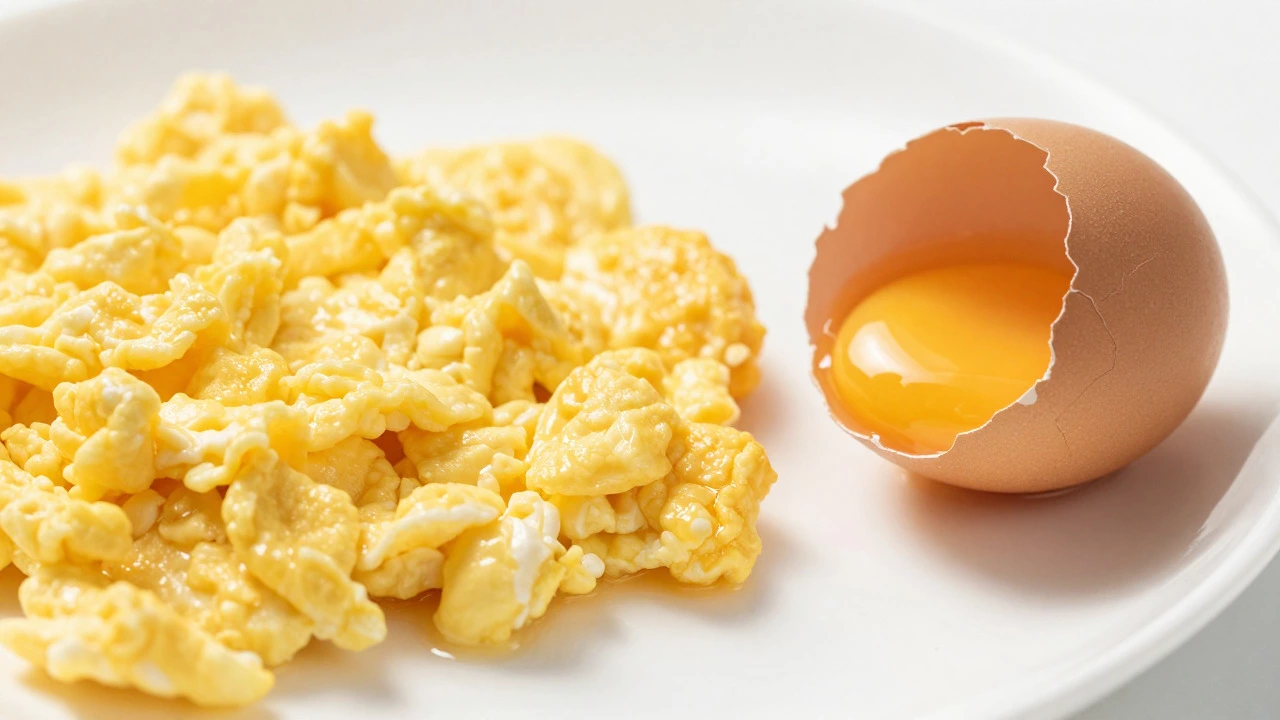
- Cook Thoroughly: Ensure the eggs are fully set. Runny yolks increase the risk of salmonella. Aim for firm, fluffy curds.
- Let Them Cool: Hot food can burn a dog’s sensitive mouth and tongue. Let the eggs reach room temperature before serving.
Once prepared, you can mix the scrambled eggs into your dog’s regular kibble to encourage picky eaters, or serve them as a standalone training treat. The texture is soft and easy to chew, making it ideal for older dogs with dental issues.
Portion Control: Size Matters
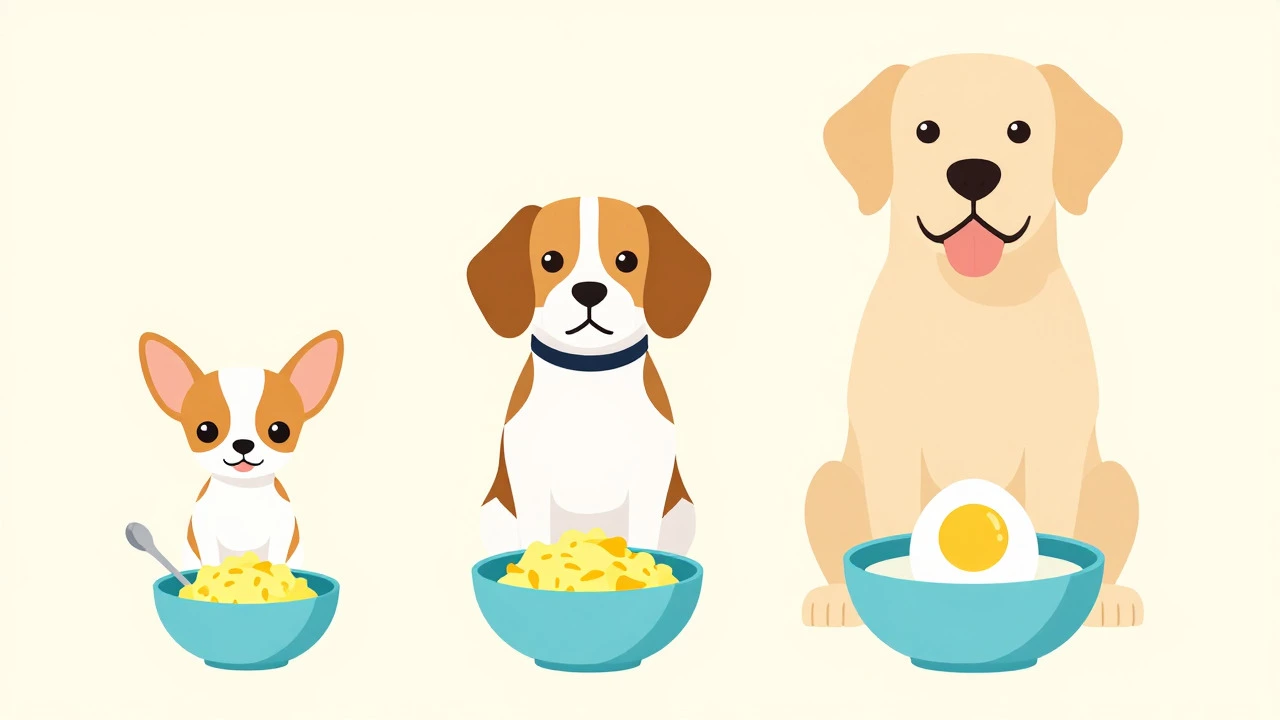
Eggs are calorie-dense. A single large egg contains approximately 70-80 calories. For context, a small toy breed like a Yorkshire Terrier might only require 300-400 calories a day total. Feeding a whole egg would account for nearly 25% of their daily intake, which is far too much for a regular snack.
Treats should never exceed 10% of your dog’s daily caloric needs. Here is a rough guide based on size:
| Dog Size | Weight Range | Safe Serving Amount |
|---|---|---|
| Small (e.g., Chihuahua) | < 10 lbs | 1-2 teaspoons of scrambled egg |
| Medium (e.g., Beagle) | 10 - 50 lbs | 1/4 to 1/2 of a large egg |
| Large (e.g., Labrador) | 50+ lbs | 1 whole large egg (occasionally) |
Start small. Introduce eggs gradually to monitor for any adverse reactions. If your dog enjoys them and shows no signs of upset, you can incorporate them once or twice a week. Daily consumption is possible for some dogs but should be discussed with your veterinarian to ensure their overall diet remains balanced.
Signs of Egg Allergy or Sensitivity
While chicken egg allergy is relatively rare in dogs compared to beef or dairy, it does happen. Since eggs are a common ingredient in many commercial treats and homemade diets, sensitivities can develop over time.
If you introduce scrambled eggs and notice any of the following within 24 hours, stop feeding them immediately:
- Gastrointestinal distress: Vomiting, diarrhea, or gas.
- Skin reactions: Itching, scratching, redness around the face or ears, or hot spots.
- Ear infections: Recurrent ear issues can sometimes be linked to food allergies.
If symptoms appear, consult your vet. They may recommend an elimination diet to confirm the allergen. In the meantime, switch to alternative protein sources like turkey or salmon, which are less likely to cross-react.
Alternatives to Chicken Eggs
If your dog is allergic to chicken eggs, don’t despair. Other types of eggs can offer similar nutritional benefits without the same allergenic triggers.
Quail eggs are a fantastic alternative. They are smaller, easier to digest, and often tolerated by dogs with chicken sensitivities. They also contain higher levels of certain vitamins relative to their size. Just remember to adjust portions accordingly-five quail eggs roughly equal one chicken egg.
Duck eggs are another option, though they are richer in fat and cholesterol. They have a thicker shell and a larger yolk, so they are very nutrient-dense. Use them sparingly due to the higher calorie count.
Always stick to the rule of cooking these alternatives thoroughly and avoiding seasonings.
Final Thoughts on Feeding Eggs
Scrambled eggs are a versatile, nutritious, and safe addition to your dog’s diet when prepared correctly. They provide high-quality protein, essential fatty acids, and vitamins that support everything from muscle mass to coat shine. By avoiding harmful additives like salt, onions, and excessive butter, you turn a simple human breakfast into a canine superfood.
Remember, moderation is key. Treat eggs as a supplement, not a staple. Monitor your dog’s reaction, adjust portions based on their size, and enjoy the bond-building moment of sharing a safe, healthy snack. Your dog will appreciate the effort, and their body will thank you for the nutrients.
Can puppies eat scrambled eggs?
Yes, puppies can eat scrambled eggs. They are an excellent source of protein for growing muscles and brains. Ensure the eggs are fully cooked to avoid salmonella, as puppies have weaker immune systems than adults. Start with a teaspoon-sized portion to check for tolerance.
Is egg white good for dogs?
Cooked egg whites are perfectly safe and high in protein. However, the yolk contains most of the vitamins and healthy fats. It’s best to serve the whole egg unless your vet advises otherwise due to cholesterol concerns (which are rare in dogs).
Can I give my dog egg shells?
Eggshells are rich in calcium, but they must be ground into a fine powder first. Whole or large pieces of shell can cause choking or intestinal blockage. If you want to supplement calcium, buy food-grade eggshell powder or ask your vet for recommendations.
How often can I feed my dog eggs?
For most dogs, 1-2 times a week is sufficient. This provides nutritional benefits without unbalancing their primary diet. Small dogs should receive smaller portions less frequently. Always consider the egg as a treat, keeping it under 10% of daily calories.
Are boiled eggs better than scrambled for dogs?
Both are equally healthy as long as they are cooked thoroughly and free of additives. Boiled eggs are convenient for travel, while scrambled eggs mix easily into kibble. The cooking method doesn’t significantly alter the nutritional value for dogs.