Dog Pumpkin Dosage Calculator
Enter your dog's weight to find the recommended daily serving of plain pumpkin puree.
Results will appear here
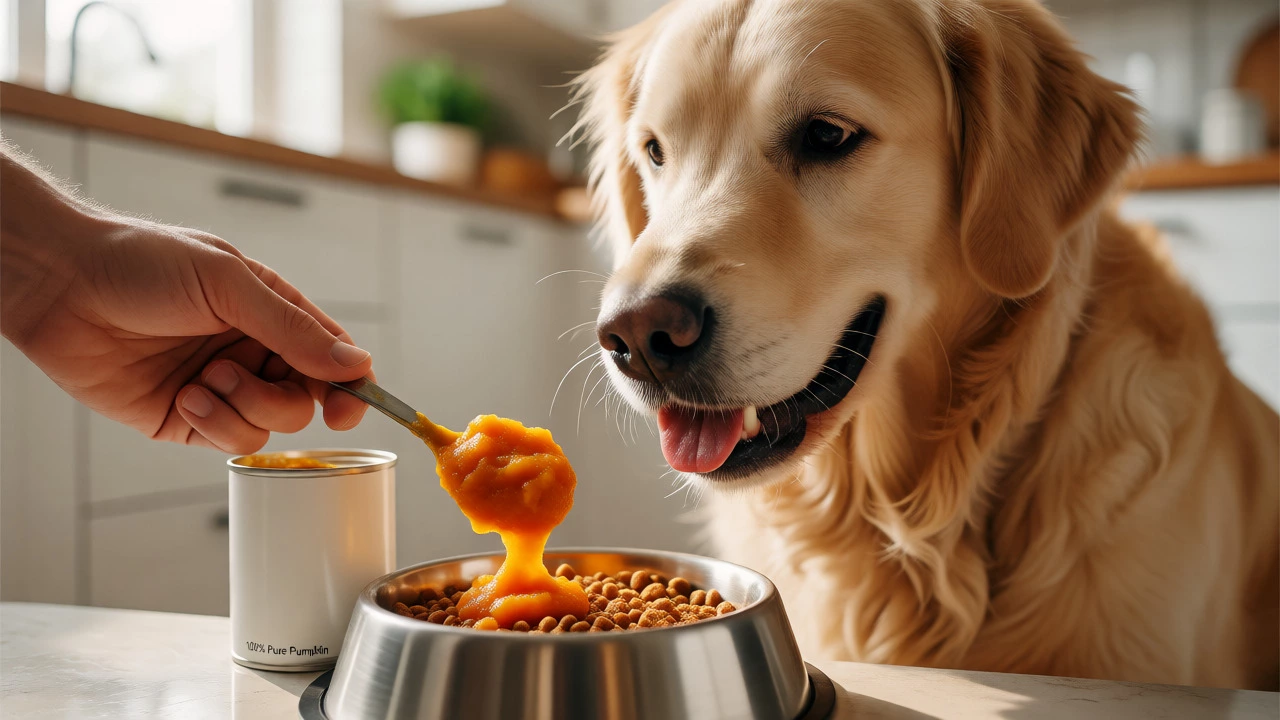
You’re staring at that can of pumpkin puree in your pantry, wondering if it’s the secret weapon for your dog’s tummy. You’ve heard it fixes diarrhea and helps with constipation, but is it safe to put a scoop in their bowl every single morning? The short answer is yes, but there are critical rules about what kind of pumpkin you use and how much you actually give. If you grab the wrong can or overdo the portion, you might end up trading one stomach issue for another.
Why Pumpkin Is a Staple in Dog Diets
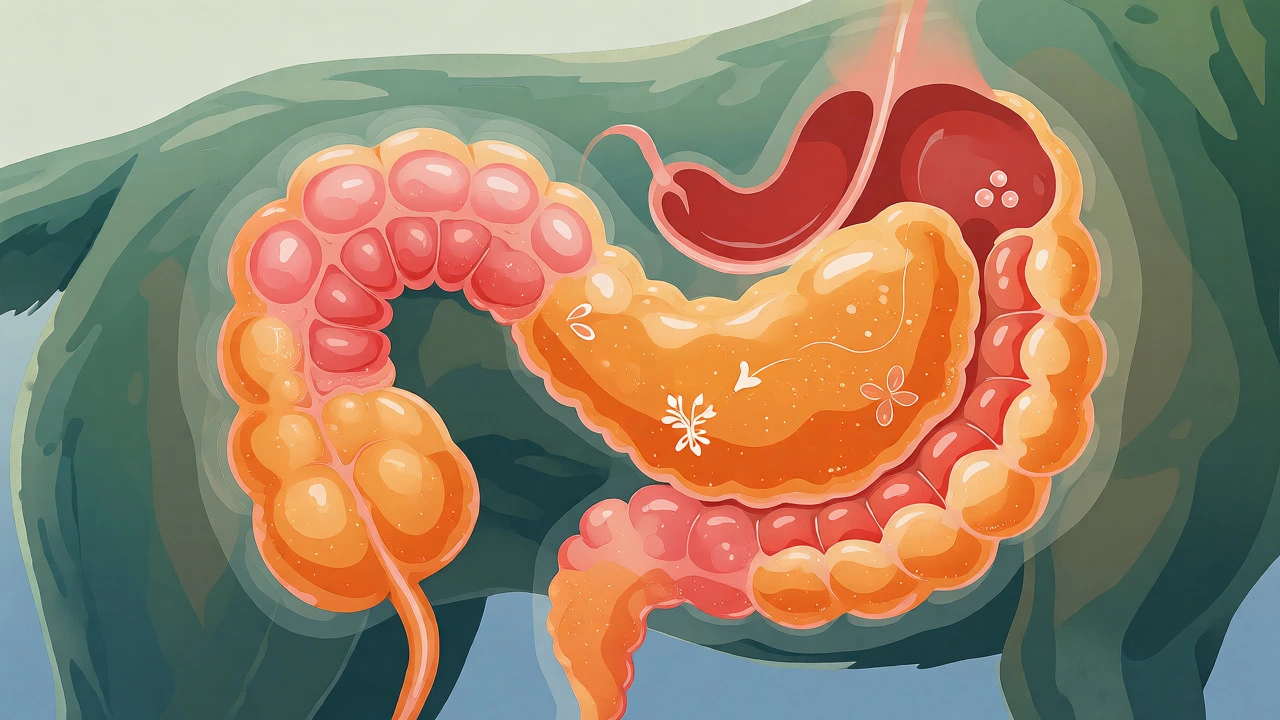
Pumpkin is not just a Halloween decoration; it is a nutrient-dense squash rich in soluble fiber, beta-carotene, and potassium. For dogs, this combination acts as a natural regulator for the gastrointestinal tract. Unlike harsh medications, pumpkin works by absorbing excess water during loose stools and adding bulk to hard, dry feces. This dual-action capability makes it unique among common home remedies.
The fiber content is the star here. Soluble fiber turns into a gel-like substance in the gut, which soothes irritation and slows down digestion just enough to allow nutrient absorption. Insoluble fiber adds mass, helping things move along when they’re stuck. Beyond digestion, the vitamin A in pumpkin supports eye health and immune function, while the antioxidants help fight cellular damage from aging or stress. It’s cheap, widely available, and generally well-tolerated, even by dogs with sensitive stomachs.
Daily Use: Is It Actually Safe?
Yes, you can give your dog pumpkin puree every day, provided you stick to recommended limits. Think of it like a supplement rather than a main meal component. If you feed too much, the high fiber content can interfere with the absorption of essential minerals like calcium and zinc. This is particularly relevant for growing puppies or senior dogs with specific dietary needs.
Consistency matters more than quantity. Some owners add it only during flare-ups, but daily low-dose administration often yields better long-term gut stability. However, you must monitor your dog’s stool quality. If it becomes too soft or frequent, cut back. If it remains firm and normal, you’re likely in the sweet spot. Always introduce it gradually-start with a teaspoon and work up over a week to avoid sudden gas or bloating.
Picking the Right Can: Puree vs. Pie Filling
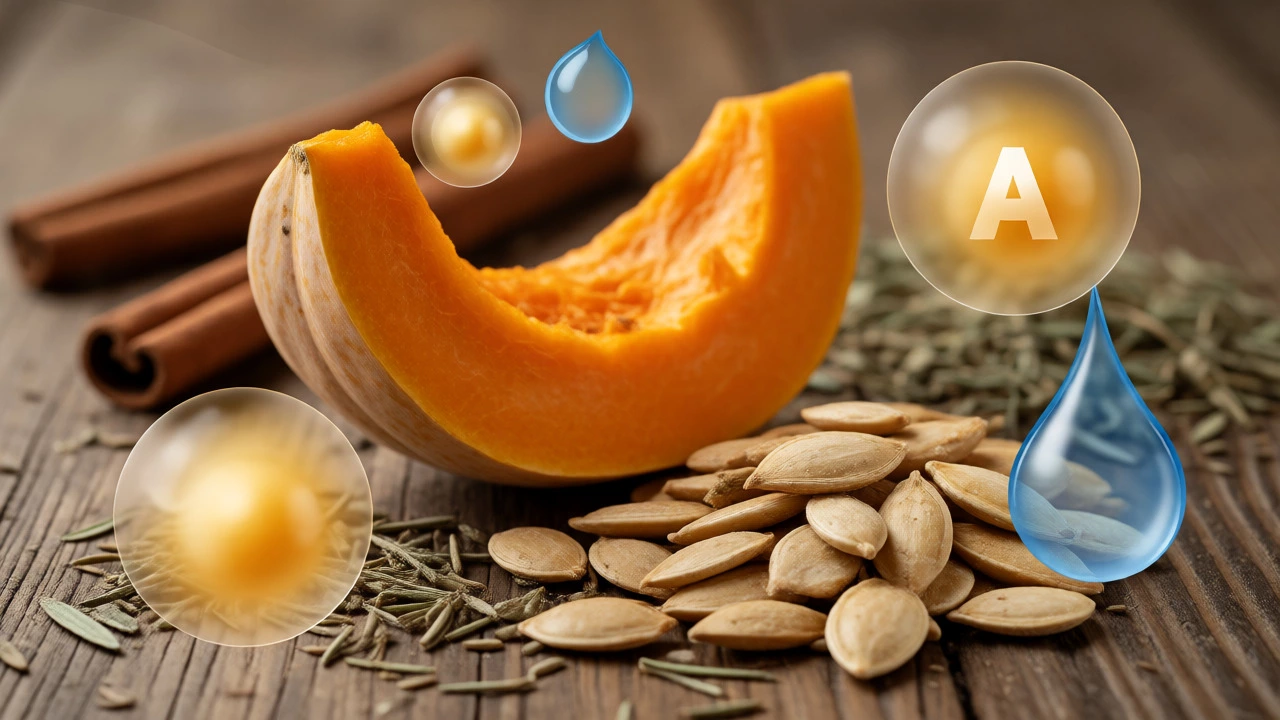
This is where most people mess up. You cannot use pumpkin pie filling. These products contain added sugars, spices like cinnamon and nutmeg, and sometimes artificial preservatives. Nutmeg, specifically, can be toxic to dogs in large amounts, causing disorientation and rapid heart rate. Sugar contributes to weight gain and dental issues without offering any nutritional benefit.
Look strictly for cans labeled "100% Pure Pumpkin" or "Plain Pumpkin Puree." The ingredient list should have exactly one item: pumpkin. No salt, no sugar, no spices. Brands like Libby’s or store-brand organic options are usually safe bets. If you’re making it yourself from a fresh pumpkin, ensure you cook it thoroughly and skip any seasoning. Fresh pumpkin has slightly different moisture content than canned, so you may need to adjust the amount accordingly.
How Much Should You Feed?
Dosage depends entirely on your dog’s size. There is no one-size-fits-all cup measurement. Overfeeding leads to caloric surplus and potential nutrient imbalance, while underfeeding does little to help.
| Dog Size (Weight) | Daily Amount (Teaspoons/Tablespoons) | Notes |
|---|---|---|
| Small (< 20 lbs) | 1-2 teaspoons | Start with ½ tsp to test tolerance. |
| Medium (20-50 lbs) | 1-2 tablespoons | Adjust based on stool consistency. |
| Large (50-90 lbs) | 2-4 tablespoons | Can be mixed into wet food easily. |
| Giant (> 90 lbs) | 1/4 - 1/2 cup | Monitor for bloating in deep-chested breeds. |
These amounts are general guidelines. If your dog eats a raw diet or high-protein kibble, they might tolerate more fiber. Dogs on prescription gastrointestinal diets might need less because those foods already have optimized fiber levels. Check with your vet if your dog is on medication, as fiber can bind to certain drugs and reduce their effectiveness.
Troubleshooting Common Issues
If you start feeding pumpkin daily and notice your dog’s coat looking duller, you might be displacing too many calories from their main food. Pumpkin is low-calorie, but it fills them up. If they leave kibble behind, they aren’t getting enough protein. Conversely, if your dog develops gas, you’ve likely increased the fiber too quickly. Scale back to half the dose and stay there for a few days before trying to increase again.
Another rare issue is hypercalcemia in dogs prone to kidney stones. While pumpkin is relatively low in oxalates compared to other veggies, excessive consumption over months could theoretically contribute to stone formation in susceptible breeds. If your dog has a history of urinary crystals, keep the intake modest and ensure they drink plenty of water.
Beyond Digestion: Other Hidden Benefits
Most people stop thinking about pumpkin after the poop improves, but its benefits extend further. The high water content helps with hydration, especially for dogs that don’t drink enough water on their own. The beta-carotene converts to Vitamin A, which supports skin health-a win for dogs with dry, flaky coats. Additionally, the prebiotic nature of pumpkin fiber feeds beneficial gut bacteria, promoting a healthier microbiome. A balanced microbiome is linked to improved mood and reduced anxiety in some studies, though more research is needed in canines specifically.
Is raw pumpkin safe for dogs?
Raw pumpkin is safe but harder to digest. Cooking breaks down the cell walls, making nutrients more bioavailable and the texture easier on the stomach. Stick to cooked or canned puree for best results.
Can I give pumpkin seeds to my dog?
Yes, roasted and unsalted pumpkin seeds are excellent. They contain cucurbitacin, which can help expel intestinal parasites like tapeworms. Just remove the shells and grind them slightly for better absorption.
What if my dog hates the taste?
Mix it thoroughly into strong-smelling wet food or bone broth. Most dogs won’t notice the flavor if it’s blended well. Avoid hiding it in peanut butter if the peanut butter contains xylitol, which is toxic to dogs.
Does pumpkin help with anal gland issues?
Often, yes. Firmer stools provide better pressure against the anal glands during defecation, helping them express naturally. Many vets recommend daily pumpkin for dogs with chronic anal sac problems.
How long does it take to see results?
For acute diarrhea, you might see improvement within 12-24 hours. For regularity and coat health, consistent daily use for 2-3 weeks is usually necessary to notice significant changes.