Airline Dog Encounter Rights Checker
Select your situation and location above to see your specific rights and recommended actions.
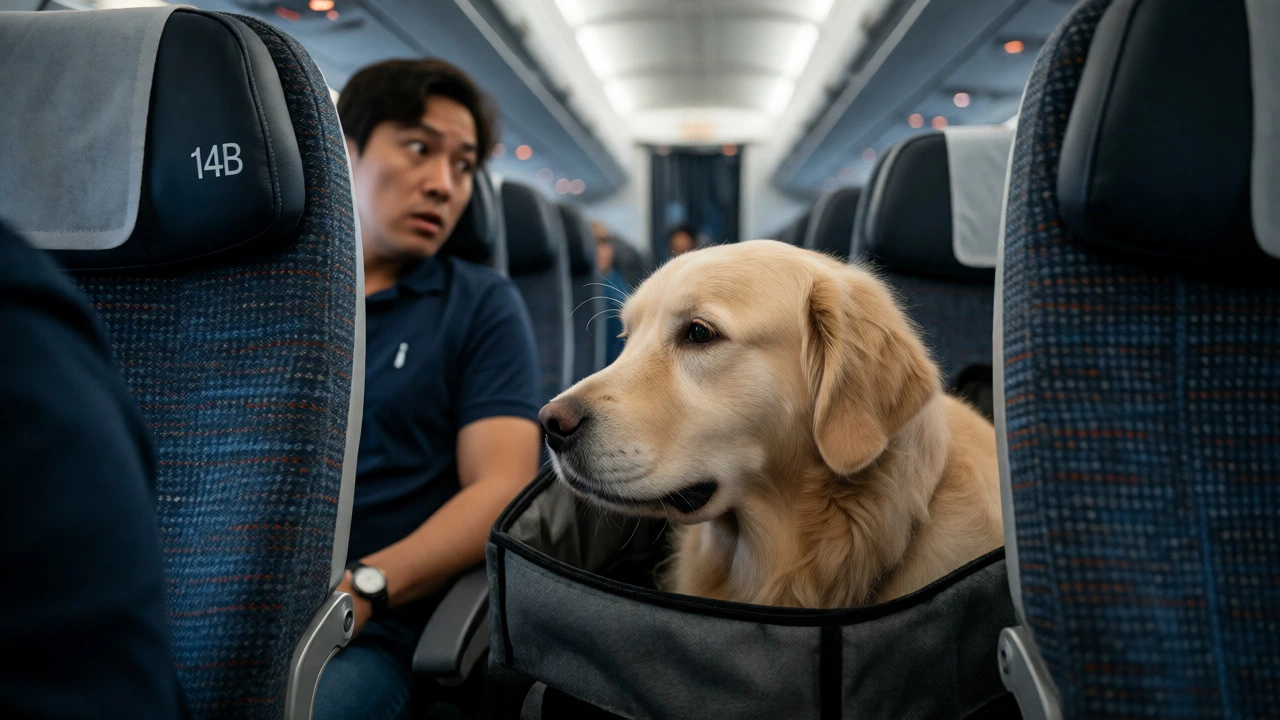
You’re settling into seat 14B, headphones in, ready for the three-hour flight. Then you look over and see a fluffy Golden Retriever being tucked under the seat in front of you. Panic sets in. Maybe you’re allergic. Maybe you’re terrified of dogs. Or maybe you just want a clean, quiet space without fur floating around your tray table. The immediate question hits: can I refuse to sit next to a dog on a plane?
The short answer is frustratingly simple: usually, no. But the long answer involves airline policies, disability rights, and a bit of proactive planning. It’s not as black-and-white as saying "I don't like dogs" and moving seats. Let’s break down what actually happens when you share a cabin with a canine passenger.
Understanding Who Is Allowed On Board
Before you worry about where the dog sits, you need to know if it’s even allowed there. Airlines have tightened their rules significantly in recent years. Gone are the days when any pet could fly free in the cabin because an owner claimed they needed emotional support. Today, most major airlines only allow service animals in the cabin for free. Pets (dogs and cats) can often fly in the cabin, but they must be in a carrier that fits under the seat in front of you, and you pay a fee.
This distinction matters because it dictates your rights. If the dog is a trained service animal performing tasks for a person with a disability, federal law (like the ADA in the US or similar equality acts elsewhere) protects its presence. You generally cannot force them off the plane or move them solely because you dislike dogs. If it’s a pet in a carrier, the airline has sold that spot as part of the ticket bundle. They aren’t obligated to accommodate your preference unless there’s a health risk.
Allergies vs. Fear: What Counts as a Valid Reason?
This is the biggest battleground. There is a massive difference between being allergic to dogs and simply disliking them. If you have a severe allergy-think anaphylaxis or severe respiratory distress-you have a much stronger case. Airlines are required to make reasonable accommodations for passengers with disabilities, which includes severe allergies in many jurisdictions.
However, proving this requires documentation. You might need a doctor’s note stating that exposure to dander poses a significant health risk. Even then, the solution isn’t always "the dog leaves." Often, the airline will try to move you to another seat first. If the flight is full, they might deny boarding to the pet owner if they can’t separate you, but this is rare and depends heavily on the airline's specific contract of carriage.
If you’re just scared of dogs or find them annoying, you likely don’t have legal grounds to demand removal. Airlines view these as personal preferences. You bought a ticket; the dog owner bought theirs. Unless the dog is barking excessively or violating noise ordinances, your discomfort doesn’t override their right to travel.
Your Practical Options When You Spot the Dog
So, you’re at the gate, or worse, you’re already seated, and the dog is there. What do you actually do? Waiting until takeoff to complain is usually too late. Here’s a step-by-step approach that works better than demanding the crew eject the passenger.
- Check-in Early: This is your best defense. Most airlines assign seats based on check-in order. If you check in online exactly when your window opens, you’re more likely to get a seat away from pet zones. Many airlines designate specific rows for passengers traveling with pets, often near the back or bulkhead. Avoid those rows if you know you’ll be bothered.
- Ask at the Gate: Before boarding begins, speak to the gate agent. Explain your situation calmly. Say, "I have a mild allergy," or "I’m very anxious around dogs." Ask if there are any empty seats far from the pet area. Gate agents have some flexibility before the manifest is locked.
- Board Early or Late: If you didn’t secure a good seat, consider your boarding group. Sometimes, if you board last, you can ask for a swap with someone who hasn’t boarded yet, though this is tricky once people are settled.
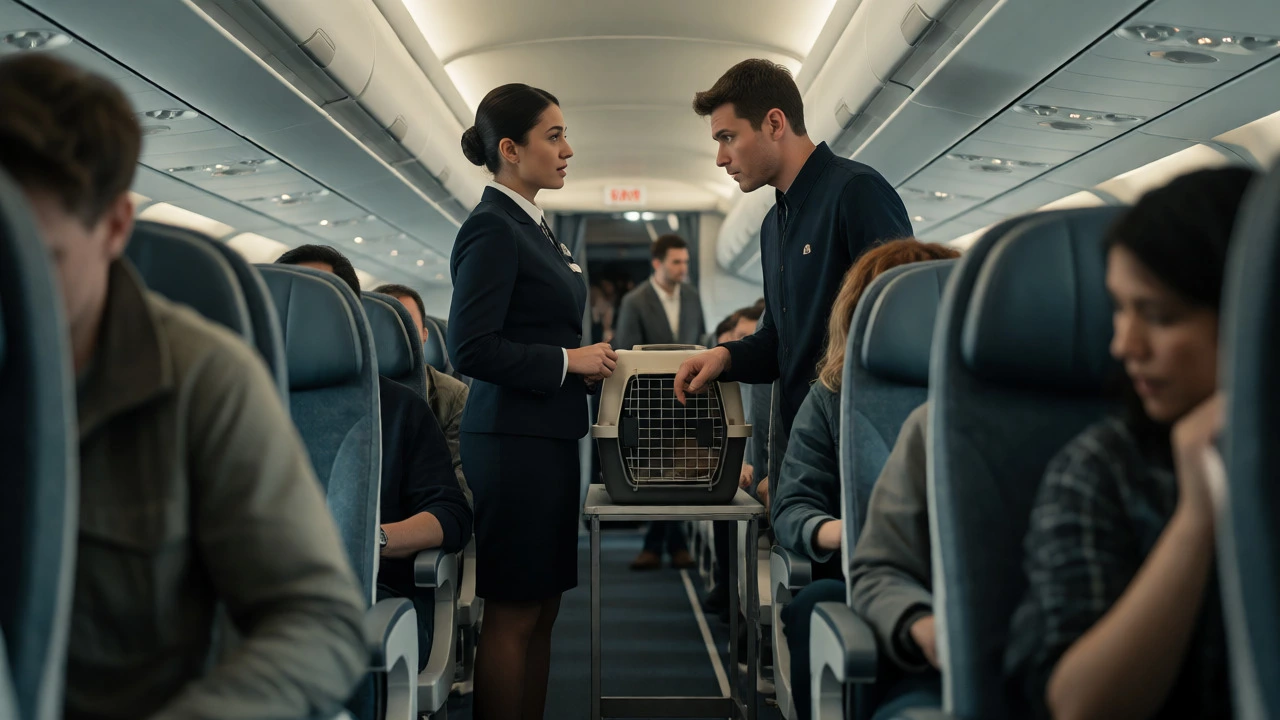
- Request a Seat Swap In-Flight: Once onboard, politely ask the flight attendant. Don’t say, "Get that dog out." Say, "Is there any chance I could switch seats with someone further forward? I’m having trouble with the proximity to the pet." Flight attendants are busy, so be nice. If the flight isn’t full, they might help. If it’s packed, they probably can’t.
Airline Policies Matter More Than You Think
Not all airlines treat pets the same way. Some budget carriers ban pets from the cabin entirely, meaning you won’t face this issue on those flights. Major international carriers often have strict designated areas for pets. For example, some airlines require pets to be in the last row or specific bulkhead seats. Knowing this allows you to book strategically.
| Airline Type | Pet Policy | Seating Impact | Refusal Grounds |
|---|---|---|---|
| Budget Carriers (e.g., Ryanair, Spirit) | Often no pets in cabin (except assistance dogs) | Low risk of encountering pets | N/A (Pets rarely present) |
| Major Domestic (e.g., Delta, BA) | Pets allowed in carriers under seat | Moderate risk; pets often in rear/bulkhead | Only if severe medical proof provided |
| International Long-Haul | Varies; often stricter weight limits | High density makes swapping hard | Very difficult to enforce mid-flight |
Always read the fine print of your ticket. If you booked a basic economy fare, you might have fewer options for seat changes later. Premium fares often come with priority seating, which helps you avoid the "pet zone" from the start.
What If the Dog Misbehaves?
There’s a difference between a dog sitting quietly in a carrier and a dog that is whining, barking, or escaping its bag. If the animal is disruptive, you have more leverage. Airlines require pets to remain in their carriers during taxi, takeoff, and landing. If a dog keeps popping out, or if it’s making enough noise to disturb neighbors, the crew may intervene.
In this scenario, your complaint is valid. You aren’t complaining about the existence of the dog; you’re complaining about a violation of cabin rules. The flight attendant might ask the owner to reposition the carrier or, in extreme cases, move the passenger if space allows. Document the behavior if it persists, but keep your cool. Aggression from you can escalate things quickly.
Emotional Support Animals: The Grey Area
You might still hear people talking about Emotional Support Animals (ESAs). In the US, the Department of Transportation changed the rules in 2021. ESAs are no longer guaranteed free cabin access like service dogs. They are now treated more like pets. This means they often need to be in a carrier and paid for. However, some countries and airlines still recognize ESAs differently.
If someone claims their dog is an ESA and tries to sit on their lap or in the aisle, check the airline’s current policy. If the airline treats ESAs as pets, the dog should be in a carrier under the seat. If it’s loose in the cabin, you can report it to the crew. It’s not about refusing the dog; it’s about enforcing the safety rule that pets must be contained.
Proactive Tips for Allergy Sufferers
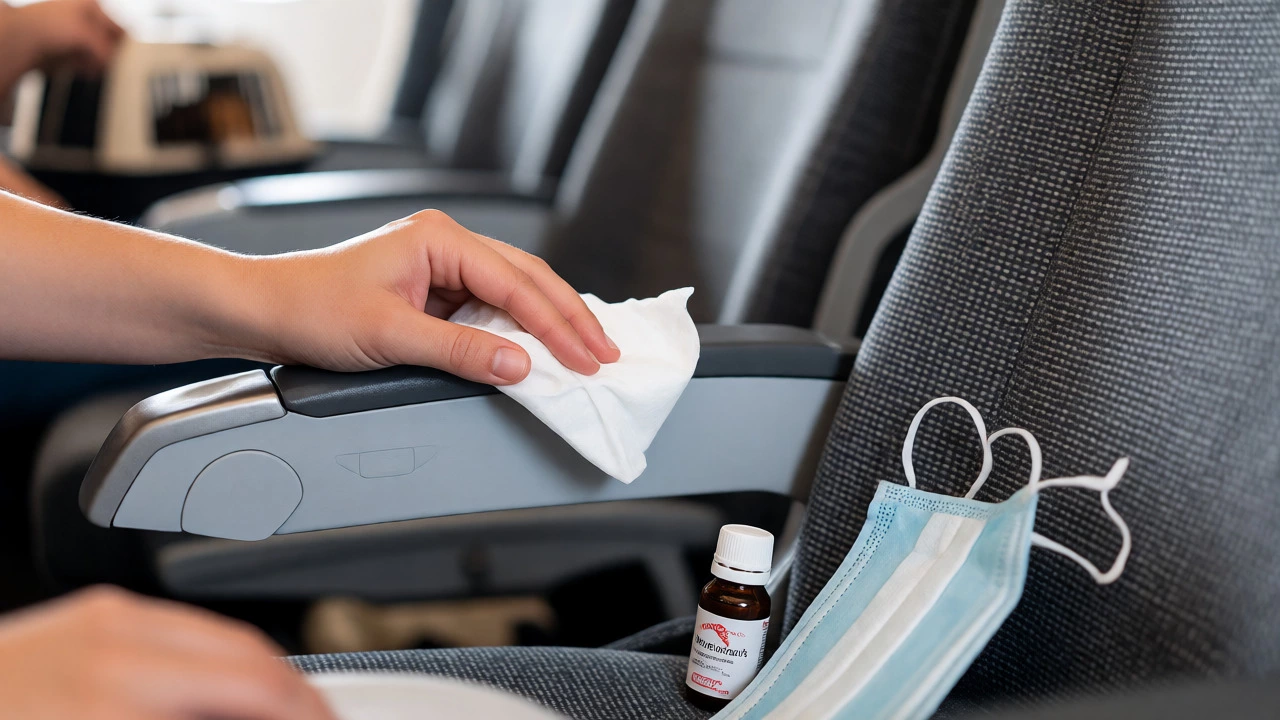
If you know you’re sensitive to dander, don’t leave it to chance. Dander can linger on seats and armrests. Bring wet wipes and sanitize your area before you sit. Wear a mask if you’re highly sensitive-it looks normal post-pandemic and offers a barrier. Keep antihistamines in your carry-on, not your checked luggage. And remember, washing your hands after touching shared surfaces reduces transfer to your face.
Also, consider the flight time. Short hops are easier to endure than red-eye flights where you’re stuck for eight hours. If possible, choose direct flights to minimize layover stress, but be aware that connecting flights might expose you to different aircraft types with different ventilation systems.
Can I legally force a dog owner to move seats?
Generally, no. Unless you have documented proof of a severe medical condition (like asthma triggered by dander) and the airline agrees to accommodate you, you cannot force a paying passenger with a compliant pet to move. The airline prioritizes the contract of carriage for both parties.
Do airlines have special sections for dogs?
Many airlines do designate specific rows, often near the rear or bulkhead seats, for passengers traveling with pets. Booking these seats early can help you avoid sitting directly next to a pet if you prefer not to.
What if the dog is a service animal?
Service animals have stronger legal protections. You typically cannot ask them to leave or move unless the animal is out of control or not housebroken. Personal allergies or fears usually do not outweigh the rights of a disabled passenger with a trained service dog.
Can I change my seat after boarding if a dog appears?
You can ask, but it’s up to the flight crew’s discretion. If the flight is full, swaps are unlikely. If there are empty seats, they may allow it. Always ask politely and offer to help with luggage if a swap is possible.
Are dogs allowed in the cabin on all flights?
No. Policies vary by airline and destination. Some low-cost carriers prohibit pets in the cabin entirely. International flights may have quarantine requirements or restrictions on certain breeds. Always check the specific airline’s website before booking.