🐶 Dog Bed Firmness Finder
Answer three quick questions to find out if your dog needs a plush pillow or a firm orthopedic foam.
Dog Profile
Recommendation
Fill in the profile and click analyze to see the perfect bed type for your dog.
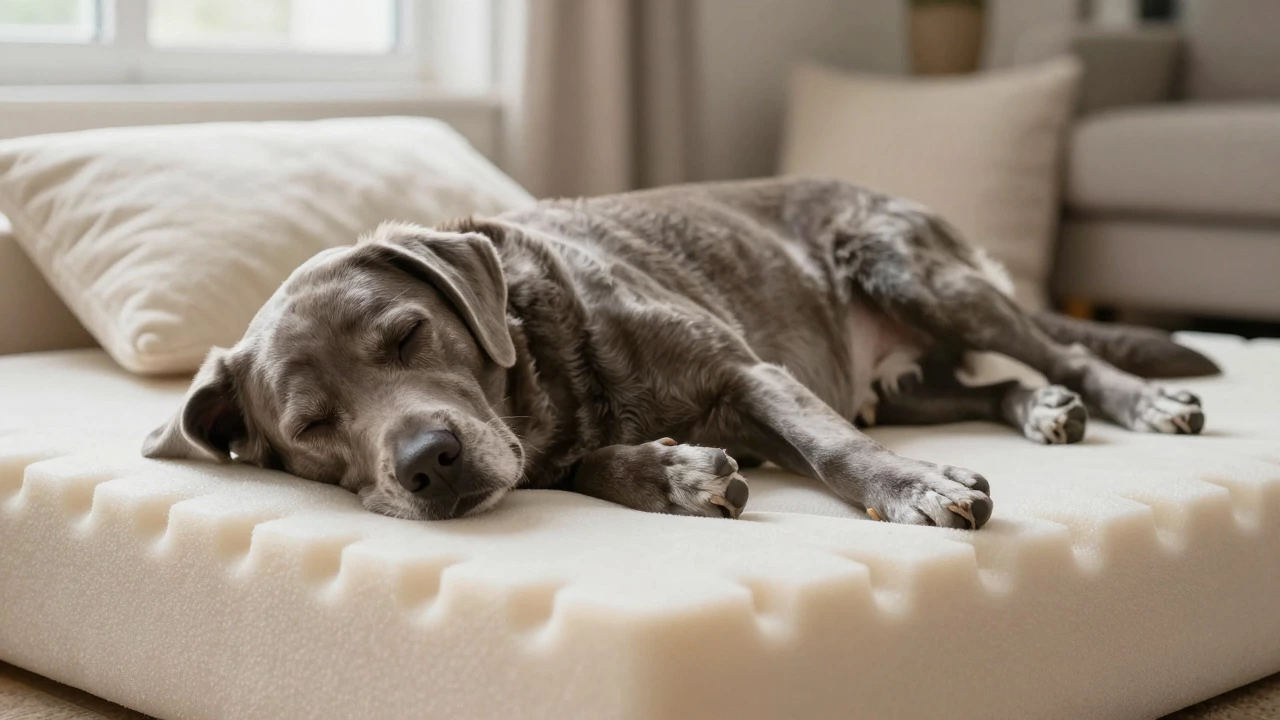
Orthopedic Foam
Firm Support- ✔ Look for high-density memory foam.
- ✔ Ensure the cover is removable and washable.
- ✔ Check that the dog can stand up easily without stiffness.
Walk into any pet store and you’ll see a wall of plush, cloud-like dog beds. They look amazing. But here’s the thing: your dog might not actually like them. In fact, for many dogs, a thick, squishy cushion is the worst place to rest. So, do dogs prefer hard or soft beds? The answer isn’t one-size-fits-all, but it’s closer to "medium-firm" than you might think.
Understanding this preference is crucial because bad sleep leads to joint pain, anxiety, and grumpy behavior. Let’s break down what your dog actually needs based on their age, size, and health.
Why "Soft" Isn't Always Better
We humans love sinking into a mattress that swallows us up. We associate softness with luxury. Dogs, however, have different biological needs. A bed that is too soft can cause a phenomenon known as pressure points. When a dog lies on an ultra-plush surface, their heavier body parts (like hips and elbows) sink deeper than their lighter limbs. This uneven distribution creates hotspots where blood flow is restricted, leading to discomfort rather than relief.
This is especially true for large breeds. Imagine a 70-pound Labrador trying to sleep on a pillow. It would feel unstable and offer no support. For big dogs, a firm surface acts like a shock absorber, keeping their spine aligned and their joints supported. If your dog rolls around in circles before lying down, they are often trying to find a stable base. If they settle on the floor instead of their expensive plush bed, that’s a clear signal the bed is too soft.
The Case for Firm Support: Orthopedic Foam
If you have a senior dog, a large breed, or a dog recovering from surgery, you need to look at Orthopedic Memory Foam is a high-density material that conforms to the body's shape while providing consistent support. Unlike standard polyurethane foam which breaks down quickly, memory foam retains its structure over years. It distributes weight evenly, reducing pressure on arthritic joints. This is why veterinarians frequently recommend orthopedic beds for older dogs. It’s not about being "hard" like a wooden floor; it’s about being resilient enough to hold the dog up without letting them sink into a hole.
Think of it like a good human mattress. You don’t want a waterbed (too soft) or a concrete slab (too hard). You want a medium-firm spring or foam core that supports your natural posture. For dogs, this means a base layer of dense foam topped with a thinner, softer layer for comfort. This combination provides the necessary support while still feeling nice against the skin.
When Softness Wins: Small Breeds and Puppies
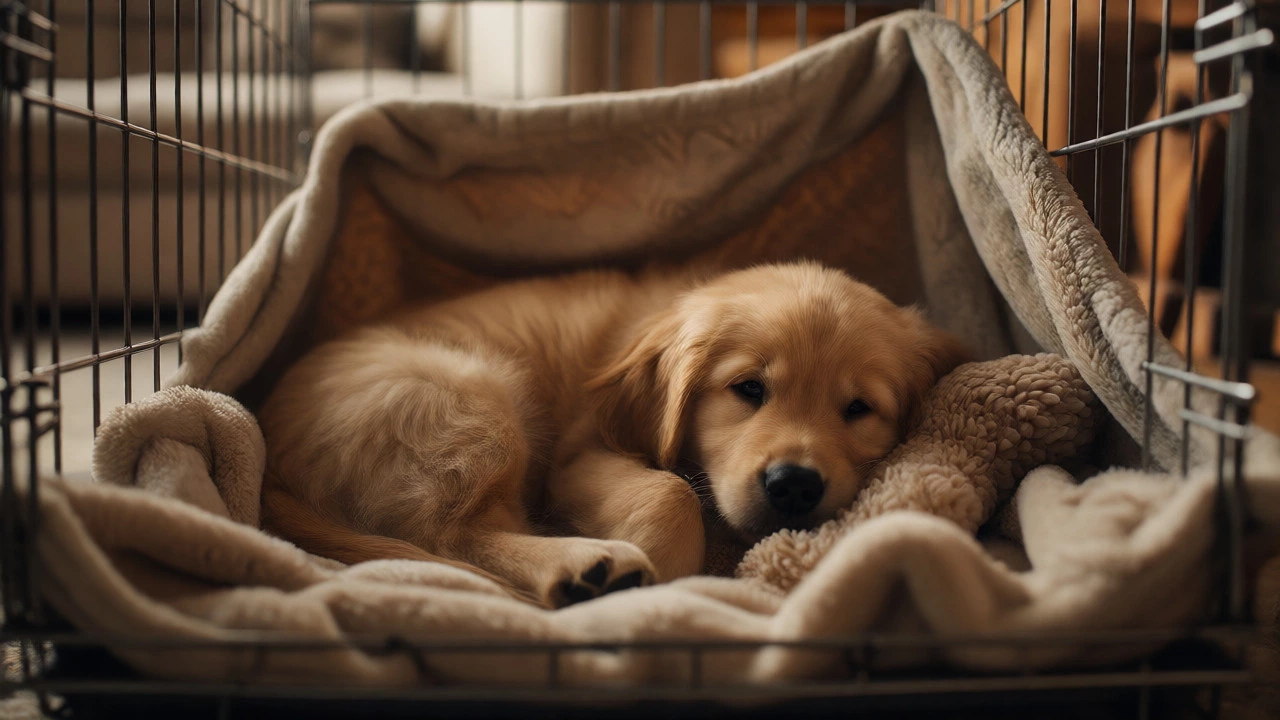
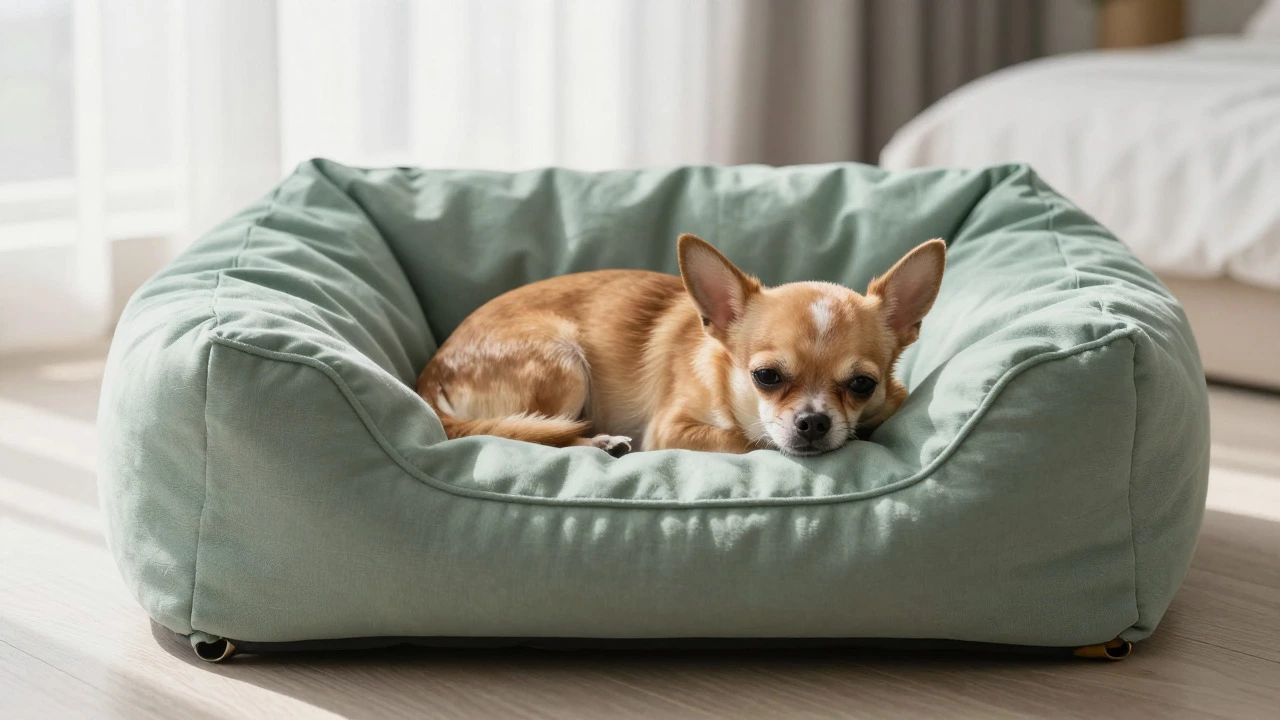
Not every dog needs a rigid orthopedic slab. Small breeds like Chihuahuas, Toy Poodles, or Dachshunds have less weight to distribute. For them, a slightly softer surface can be more comfortable because they don’t create significant pressure points. Similarly, puppies are growing rapidly. Their bones and muscles are developing, and a very firm surface might feel harsh during their rapid growth spurts. A moderate-softness bed allows them to curl up tightly, which is a natural instinct for warmth and security.
However, even for small dogs, "soft" shouldn’t mean "spongy." The bed should still have some integrity. If you press your hand into the center of the bed and it stays indented, it’s likely too soft for long-term use. It should bounce back immediately when you remove your hand. This resilience ensures that the dog doesn’t get trapped in a depression in the middle of the night.
How to Test Your Dog’s Bed Preference
You can’t just ask your dog what they like. You have to observe. Here is a simple experiment you can run at home:
- The Floor Test: Observe where your dog chooses to sleep when given the option. Do they pick the carpet, the hardwood floor, or their bed? If they consistently choose the floor, their current bed is likely too soft or uncomfortable.
- The Sinking Check: Place your dog on their bed. Watch their posture. Are their hips lower than their shoulders? Are their elbows digging into the bottom of the bed? If so, the bed lacks support.
- The Wake-Up Reaction: How does your dog move when they wake up? If they struggle to stand or seem stiff, the bed may be affecting their joints. A well-supported dog should rise easily.
- The Noise Factor: Some dogs hate squeaky or crinkly materials. If your dog avoids a bed that makes noise when they shift, it might be a texture issue rather than a firmness issue.
Comparing Bed Types: What Works Best
To help you decide, let’s compare the most common types of dog beds and who they suit best.
| Bed Type | Firmness Level | Ideal For | Key Benefit |
|---|---|---|---|
| Plush Pillow | Very Soft | Small breeds, warm climates | Cozy, easy to wash |
| Bolster/Cuddler | Medium | Anxious dogs, head support | Security, neck alignment |
| Orthopedic Foam | Firm/Medium-Firm | Seniors, large breeds, arthritis | Joint support, pressure relief |
| Elevated Cot | Hard/Firm | Hot climates, heavy chewers | Airflow, durability |
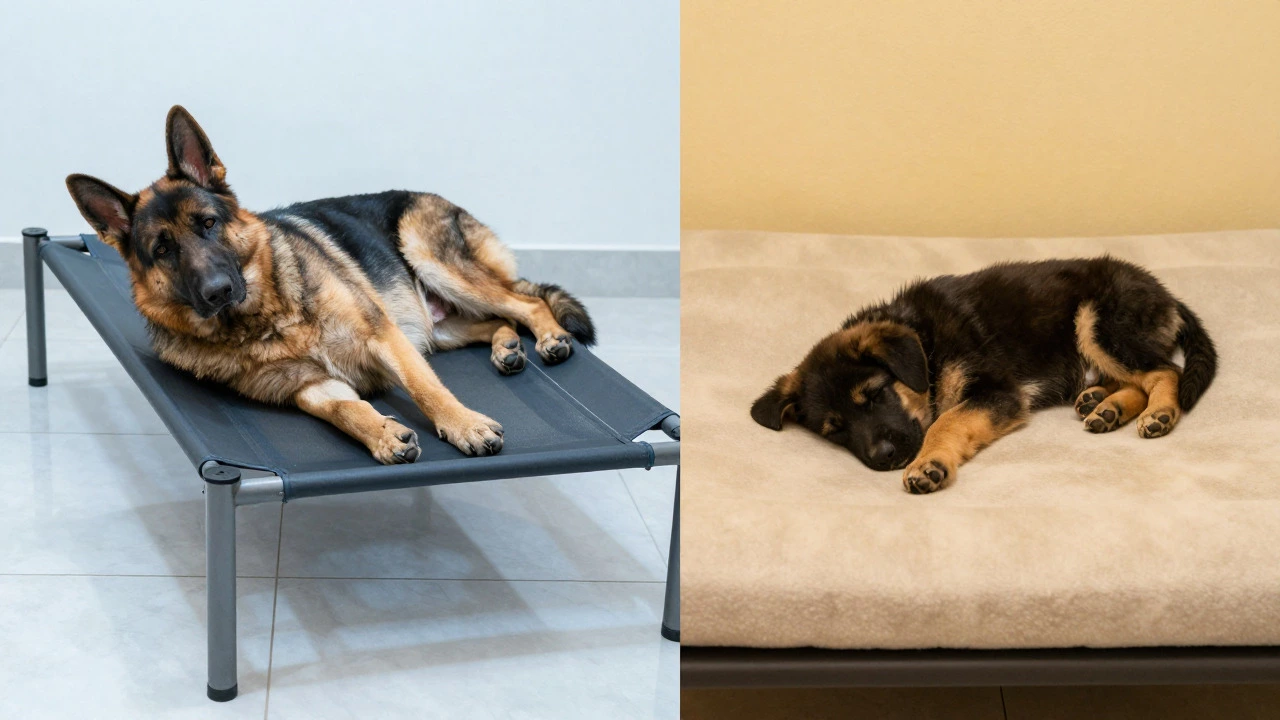
Notice how the elevated cot appears in the table? This is a great alternative if your dog truly prefers a hard surface. Cots keep the dog off the ground, allowing air to circulate underneath. This is perfect for dogs that overheat easily or those who simply like the sensation of a solid, unyielding surface. Many outdoor-loving dogs prefer cots because they mimic the feel of a crate or a lean-to in the wild.
Common Mistakes Owners Make
One of the biggest mistakes I see is buying a bed based on aesthetics rather than function. A beautiful, fluffy bed looks great in a living room, but if your dog ignores it, it’s just an expensive rug. Another mistake is ignoring the cover material. Even the best orthopedic foam will fail if the cover tears and exposes the foam to dirt and saliva. Look for removable, machine-washable covers made from durable fabrics like canvas or ballistic nylon. These materials are tougher than polyester fleece and last much longer.
Also, consider the size. A bed that is too small forces the dog to curl up tightly, which can restrict breathing and cause muscle tension. A bed that is too large can make small dogs feel exposed and unsafe. Measure your dog from nose to tail, then add 10-15% for stretching room. This ensures they can lie flat, which is the most relaxed position for deep sleep.
FAQ
Is a harder dog bed better for senior dogs?
Generally, yes. Senior dogs often suffer from arthritis or joint stiffness. A firm, orthopedic bed provides the necessary support to keep their spine aligned and reduces pressure on painful joints. However, it should not be rock-hard; it needs to be supportive yet slightly yielding to accommodate their body shape.
Why does my dog sleep on the floor instead of their bed?
If your dog consistently chooses the floor, the bed is likely too soft, too noisy, or the wrong temperature. Floors are cool, which helps regulate body heat. If the bed is too thick and insulating, it might be trapping too much heat. Try placing the bed near a window draft or switching to a cooler material like a cotton canvas or an elevated cot.
What is the best material for a dog bed cover?
Durable, machine-washable fabrics are best. Canvas and ballistic nylon are excellent choices for active dogs because they resist tearing. Fleece is warmer but less durable. Avoid synthetic velvets or silks as they attract hair and are difficult to clean. The key is that the cover must be removable for easy washing to prevent odor and bacterial buildup.
How often should I replace my dog's bed?
Most quality dog beds last 2 to 3 years. However, if the foam starts to sag permanently or the stitching unravels, it’s time for a replacement. Regular inspection helps. If the bed no longer bounces back after your dog gets up, it has lost its structural integrity and won't provide proper support anymore.
Do dogs like bolsters (raised edges)?
Many dogs do, especially those with anxiety or who like to tuck their head. Bolsters provide a sense of security and support for the neck. However, some dogs dislike the restriction and prefer open beds. Watch your dog’s behavior; if they push the bolster away or sleep on top of it, they might prefer a flatter design.