Dog Bed Personality Finder
Answer all questions to find your perfect match
Where does your dog prefer to sleep?
Right next to me
On my bed, at my feet, or as close as possible
In the same room
Nearby but with their own space
A different room
Prefers quiet solitude away from activity
Follows me around
Moves wherever I sit or stand
How would you describe your dog's anxiety level?
Highly anxious
Startled easily, separation anxiety, nervous in new places
Somewhat cautious
Needs time to adjust but generally calm
Very relaxed
Adapts easily, confident in most situations
Protective/Guarding
Alert, positions near doors, watches exits
What is your dog's age and health status?
Senior (7+ years)
May have joint issues, arthritis, or reduced mobility
Adult large breed
Heavy weight that may benefit from extra support
Healthy adult
No known health issues, active lifestyle
Puppy/Young dog
Under 2 years, growing and energetic
How does your dog handle temperature?
Seeks warmth
Curls up, burrows under blankets, avoids cold floors
Prefers cool surfaces
Sleeps on tile, spreads out flat, avoids thick bedding
Not particular
Sleeps comfortably in various temperatures
Seasonal changes
Warms up in winter, seeks cool spots in summer
Why This Bed Type Works
Key Features
Ideal Placement
💡 Pro Tip
There is a persistent belief that dogs choose where to sleep based on strict social hierarchies. You might have heard that your dog sleeps at your feet or near the door because they respect you as the alpha human. This idea suggests that canines are constantly calculating their rank in the household pack and positioning themselves accordingly to show submission or dominance. But does this actually match how modern dogs behave?
The short answer is no. The concept of the "alpha" has been largely debunked by animal behaviorists and veterinarians. When it comes to canine sleeping habits, your dog’s choice of spot is driven by comfort, security, and temperature regulation-not a desire to enforce a rigid social order. Understanding why your dog really chooses their sleeping spot helps you pick the right dog bed and place it where your pet will actually use it.
The Myth of the Alpha Wolf
To understand why the "alpha human" idea persists, we have to look at where it came from. In the 1940s, researchers studied wolves living in captivity. They observed intense fighting over food and territory. These scientists concluded that wolf packs were ruled by an "alpha" who maintained control through force and aggression. For decades, this model was applied directly to domestic dogs. People were told to eat first, walk through doors first, and even push their dogs down to assert dominance.
However, later research by David Mech, a leading wolf biologist, changed everything. He studied wild wolves in their natural habitat and found something completely different. Wild wolf packs are actually family units. The "alphas" are simply the parents. The younger wolves submit to them not out of fear, but because they are their children. There is no constant power struggle. Domestic dogs, which descended from these wolves, retain this familial bond with humans. Your dog sees you as a caregiver and a source of safety, not a rival to be challenged for leadership.
Why Do Dogs Sleep Near Their Humans?
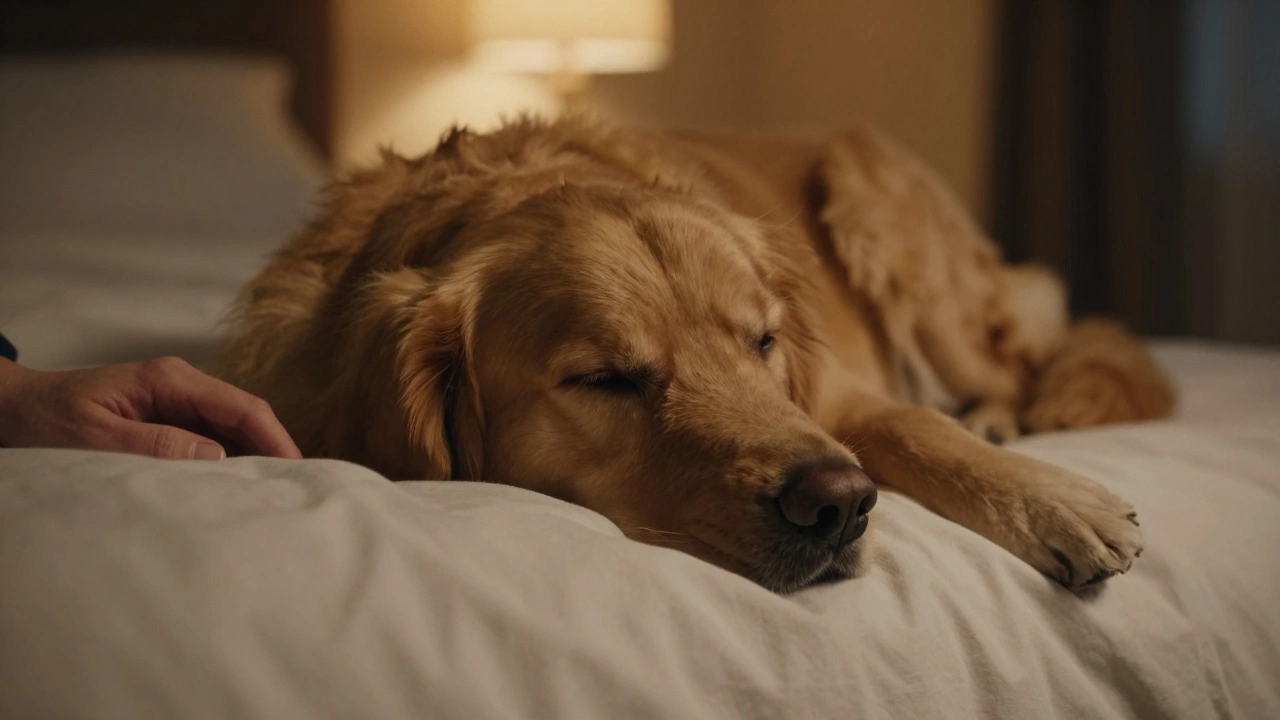
If hierarchy isn't the reason, what is? There are several practical and emotional drivers behind your dog's sleeping choices. Most often, it comes down to proximity and protection. Dogs are social animals. Sleeping close to you releases oxytocin, a hormone associated with bonding and trust. It makes them feel secure. If your dog curls up at the foot of your bed, it is likely because they value your presence more than the empty space elsewhere in the room.
Temperature also plays a huge role. Dogs seek warmth. In winter, you might find your dog trying to share your blanket because body heat is comforting. In summer, they may move to a cooler tile floor or a raised orthopedic dog bed that allows air circulation. Watch your dog’s movement patterns. If they follow you from room to room when you sit down, they are seeking connection, not checking their rank.
Security and Vulnerability
Dogs are vulnerable when they sleep. In the wild, exposure during rest increases the risk of predation. By sleeping near you, your dog leverages your senses. You hear things they might miss, and your presence acts as a deterrent against potential threats. This is especially true for breeds that were originally bred for guarding, such as German Shepherds or Rottweilers. They may position themselves between you and the door to monitor exits. This is instinctual vigilance, not a statement about who is boss.
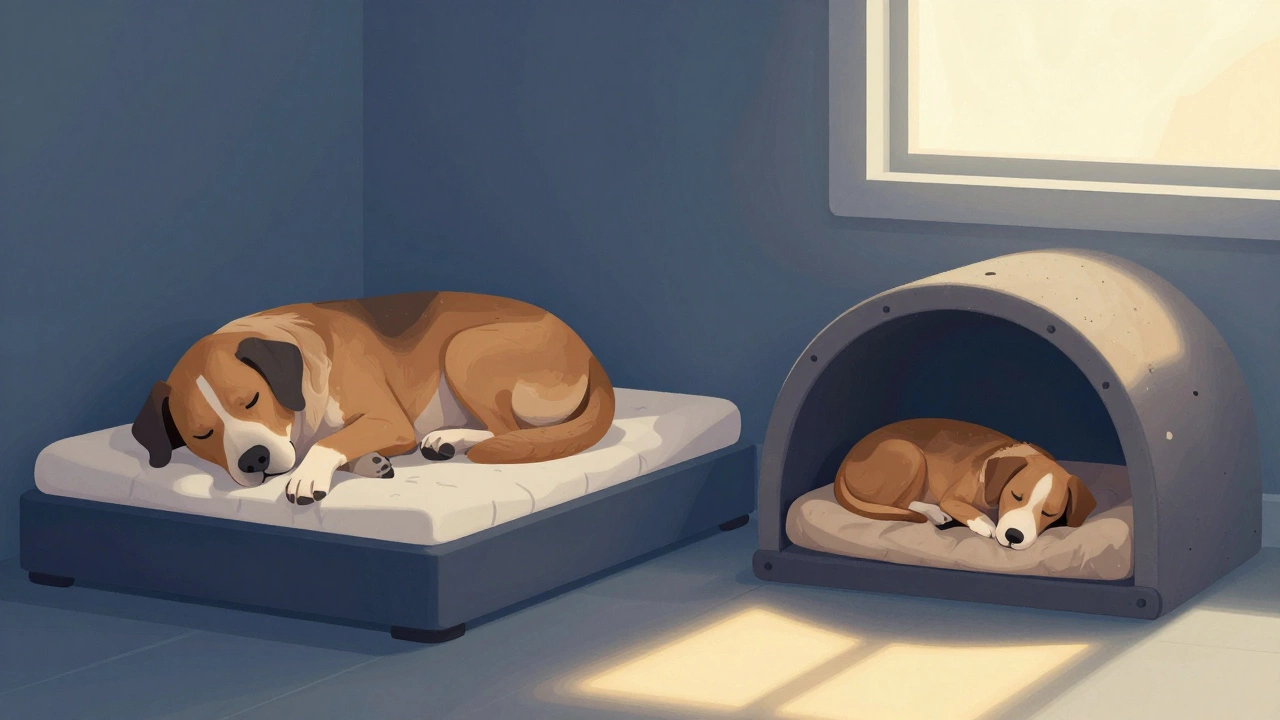
Conversely, some dogs prefer to sleep alone. This does not mean they reject you. It often means they value their independence or need a quiet space to recharge. Some dogs have sensitive hearing and find the noise of human breathing or movement distracting. Respecting their choice of solitude is just as important as welcoming their closeness.
Choosing the Right Dog Bed Based on Behavior
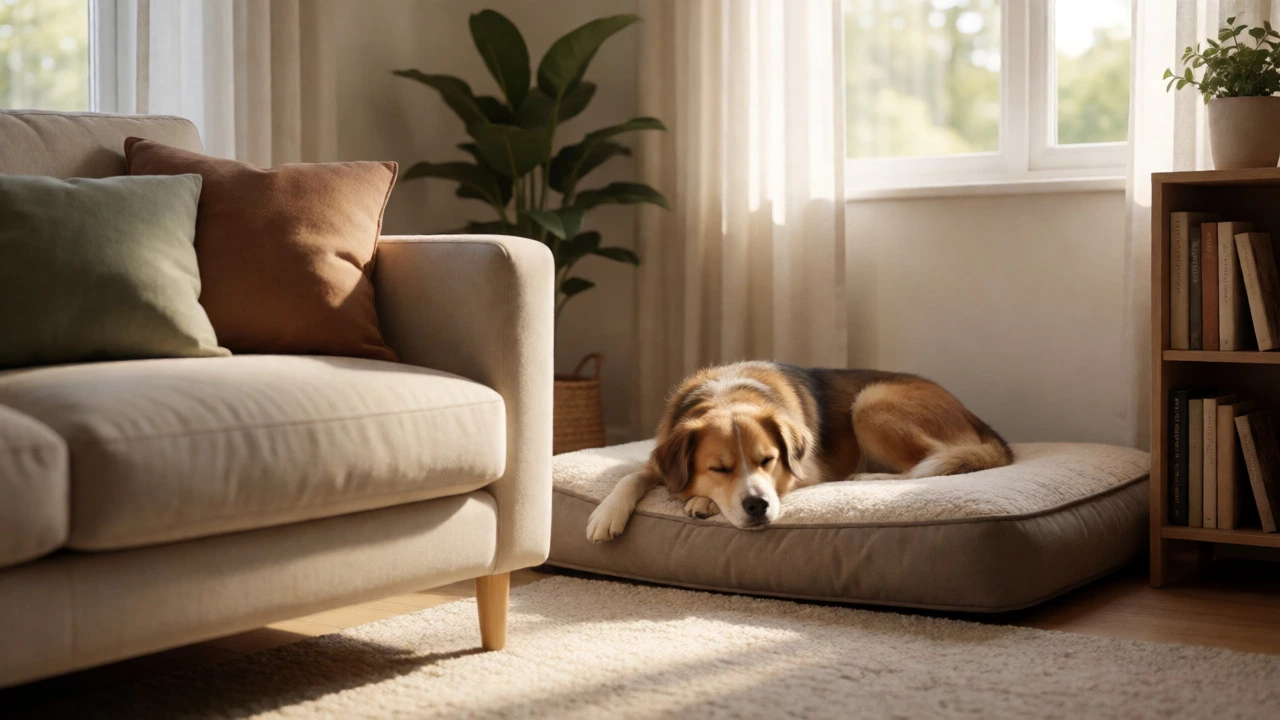
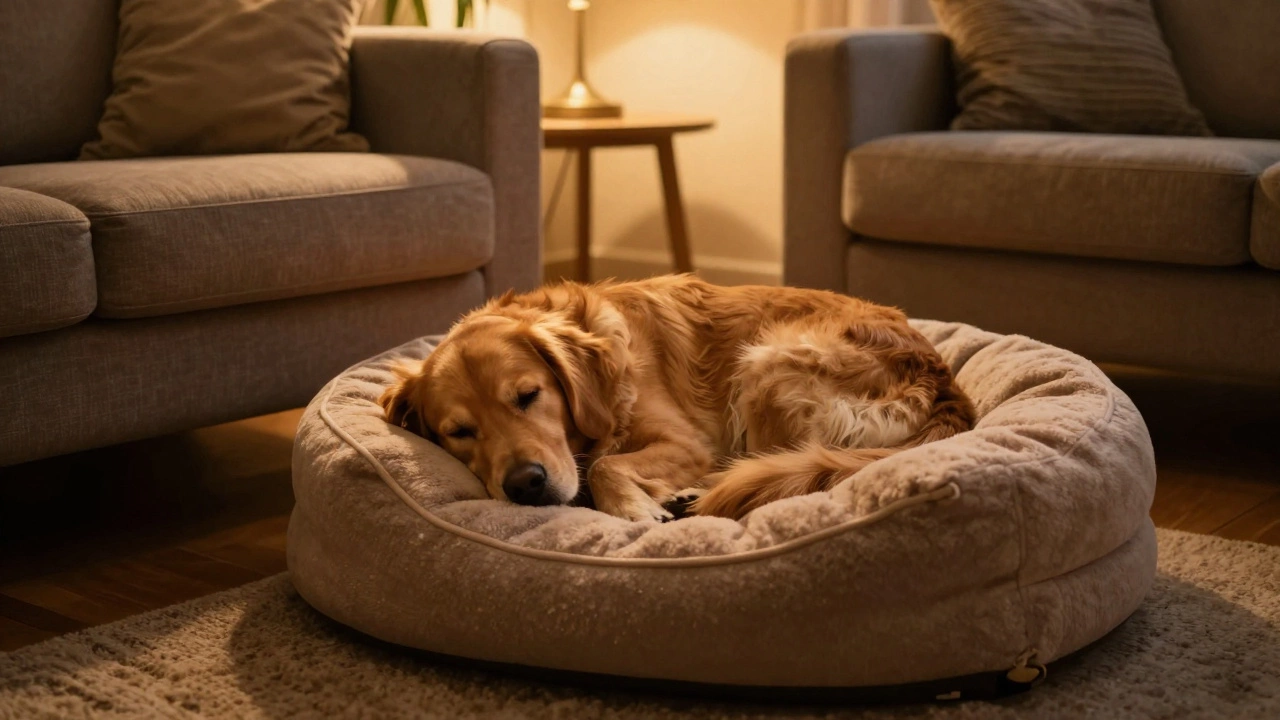
Understanding that your dog is not motivated by alpha status helps you make better decisions about their sleeping environment. If your dog loves to cuddle, a large, plush bed placed next to your own mattress might be ideal. Look for beds with high sides, like donut beds, which provide a sense of enclosure and security. These mimic the feeling of being nestled in a den.
For dogs who prefer independence, a firm, supportive bed in a quiet corner works best. Orthopedic foam beds are excellent for older dogs or those with joint issues. They provide consistent support regardless of where the dog places them. Avoid placing the bed in high-traffic areas if your dog seems anxious. A calm, predictable location encourages deeper sleep.
| Bed Type | Best For | Key Feature | Ideal Placement |
|---|---|---|---|
| Cave/Donut Bed | Anxious or cuddly dogs | High sides for security | Quiet corner or next to owner |
| Orthopedic Foam Bed | Senior dogs or large breeds | Joint support and pressure relief | Firm floor, away from drafts |
| Bolster Bed | Dogs who like to lean | Raised edges for head support | Near window or low traffic area |
| Flat Mat | Independent or cool-climate dogs | Minimal structure, easy cleaning | Any preferred spot |
Signs Your Dog Is Comfortable
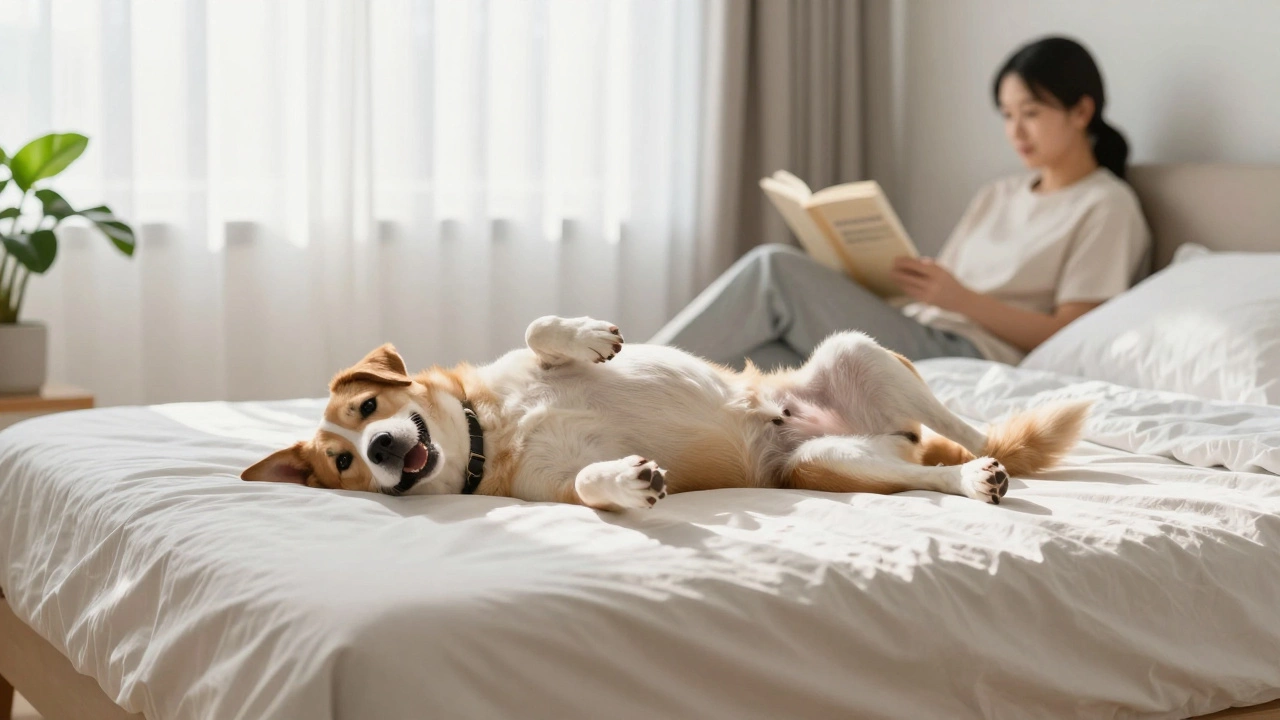
You can tell if your dog is truly relaxed by observing their body language. A comfortable dog will stretch out fully, exposing their belly. They may sigh deeply and settle into a circular motion before lying down. If your dog is tense, pacing, or frequently waking up, their current sleeping spot or bed may not be meeting their needs. Try moving the bed to a different location. See if they respond positively to a new texture or shape. Experimentation is key.
Remember, consistency matters. Dogs thrive on routine. Once you find a spot and a bed that your dog loves, keep it there. Changing locations frequently can create uncertainty. Let your dog dictate the final arrangement. If they drag their bed to your bedroom every night, let them. That is their way of saying they want to be near you, plain and simple.
Moving Beyond Dominance Training
The shift away from alpha theory has improved the relationship between humans and dogs significantly. Modern training focuses on positive reinforcement rather than intimidation. This approach builds trust. When your dog trusts you, they are more likely to seek you out for comfort, including sleep. You do not need to compete for the best spot in the house. Instead, focus on creating an environment where your dog feels safe, loved, and physically supported. The right dog bed is a tool for health and happiness, not a symbol of rank.
Does my dog sleep at my feet because I am the alpha?
No. The idea that dogs sleep at your feet to show submission to an alpha leader is a myth. Dogs typically sleep near their owners for comfort, security, and warmth. Being close to you provides them with a sense of safety and strengthens your bond.
Is it bad if my dog sleeps on the same bed as me?
Not at all. Co-sleeping can strengthen the bond between you and your dog. However, ensure your dog has their own comfortable bed available if they prefer to sleep independently. Some people prefer separate beds for hygiene or sleep quality reasons, but there is no behavioral harm in sharing.
Why does my dog sleep in a different room than me?
Some dogs prefer quiet, isolated spaces to sleep without disturbance. This is a sign of independence, not rejection. If your dog is healthy and happy, let them choose their preferred sleeping location. Providing a comfortable bed in a low-traffic area can support this preference.
How do I know if my dog bed is comfortable enough?
Watch for signs of relaxation, such as stretching out, sighing, and falling asleep quickly. If your dog avoids the bed, paces, or sleeps on hard surfaces instead, the bed may be too firm, too soft, or the wrong size. Try different styles until you find one they consistently use.
Should I move my dog's bed to control their behavior?
No. Moving a dog's bed arbitrarily can cause confusion and anxiety. Dogs appreciate routine. Place the bed in a quiet, safe location and let your dog adjust to it. If they move it themselves, respect their choice unless it creates a mess or disrupts your household.