Cat Feeding Schedule Planner
Nutrition GuideRecommended Plan:
Key Takeaways for Cat Feeding
- Kittens need frequent, small meals (3-5 times a day) to support rapid growth.
- Adult cats generally do well with 2 meals a day, though some prefer more frequent grazing.
- Senior cats may need adjusted schedules to handle kidney issues or slower metabolisms.
- Consistency is more important than the exact number of meals.
- Weight management depends on total daily calories, not just how many times you fill the bowl.
The Big Question: How Often Exactly?
If you're looking for a quick number, for most adult cats, cat feeding schedule goals usually land on two meals a day, roughly 12 hours apart. But here is the catch: cats are biologically designed as opportunistic hunters. In the wild, they don't eat one giant meal; they catch several small prey items throughout the day. When we force them into a "twice-a-day" routine, some cats develop "hunger pukes"-where they vomit bile because their stomach has been empty for too long. If you see this, moving to three or four smaller meals can stop the cycle. The goal is to mimic their natural eating patterns without letting them become overweight.When considering nutrition, Feline Nutrition is the study of the specific dietary requirements of domestic cats, which are obligate carnivores meaning they must eat meat to survive.
Feeding Kittens: The Growth Phase
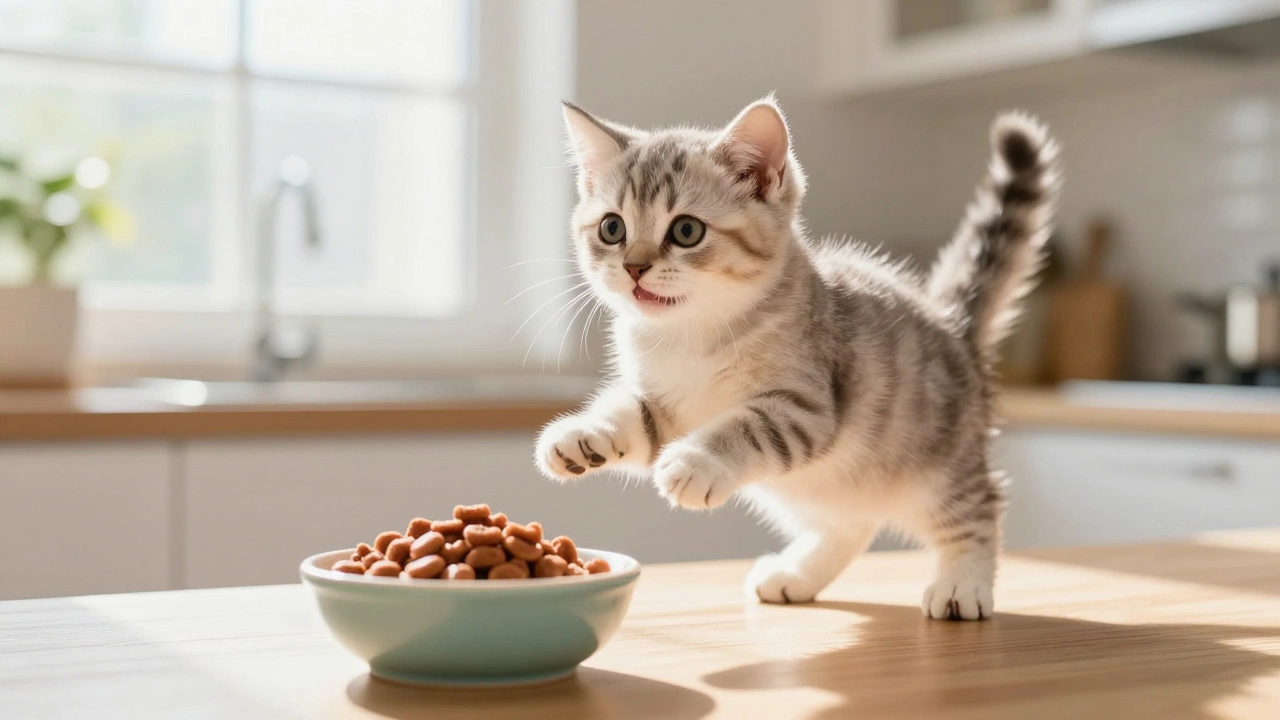
Kittens are like little energy vacuums. They have tiny stomachs but massive caloric needs. If you try to feed a kitten only twice a day, they'll likely crash from low blood sugar or become irritable. For kittens aged 4 to 6 months, aim for 3 to 4 meals per day. This ensures they get a steady stream of protein and fats. As they approach 6 months, you can slowly transition them toward the adult schedule. Why so many meals? Because their growth plates and brain development require constant fuel. If you've ever seen a kitten "zoom" around the house and then suddenly fall asleep mid-stride, you're seeing their high metabolism in action. Using a high-protein Kitten Food is a nutrient-dense diet formulated with higher calories and minerals like calcium and phosphorus to support bone growth is critical during this window.Adult Cats: Balancing Routine and Instinct
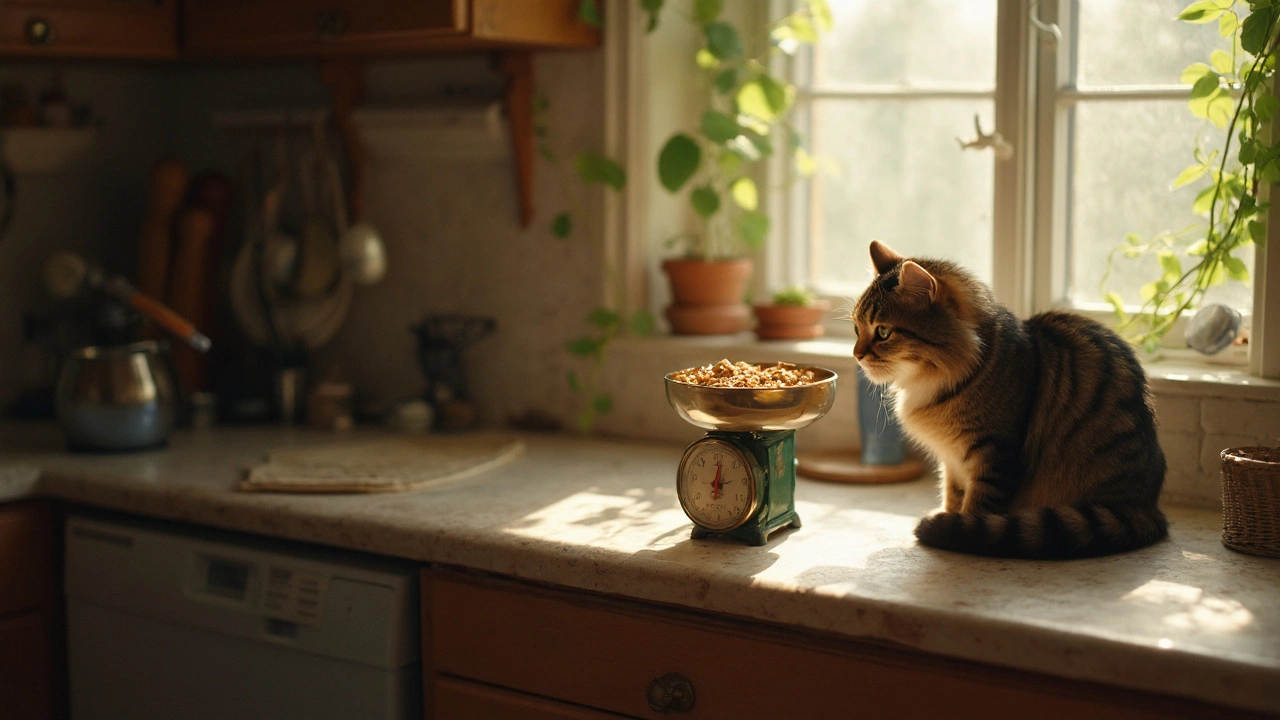
Once your cat hits adulthood (usually around 1 year), the priority shifts from growth to maintenance. Most healthy adult cats are fine with two meals a day. However, the "how" is just as important as the "how often." If you leave a bowl of food out all day (free-feeding), you're essentially inviting obesity. Many owners do this for convenience, but it removes the mental stimulation of anticipation and often leads to overeating. Instead, try scheduled feedings. This allows you to monitor exactly how much they are eating and spot any loss of appetite early, which is often the first sign of illness in cats.| Life Stage | Recommended Frequency | Primary Goal | Key Nutrient Focus |
|---|---|---|---|
| Kitten (up to 6 months) | 3-5 times per day | Rapid Growth | Protein & DHA |
| Young Adult (1-7 years) | 2 times per day | Weight Maintenance | Balanced Calories |
| Senior (7+ years) | 2-3 times per day | Organ Support | Lower Phosphorus / High Omega-3 |
Wet Food vs. Dry Food Timing
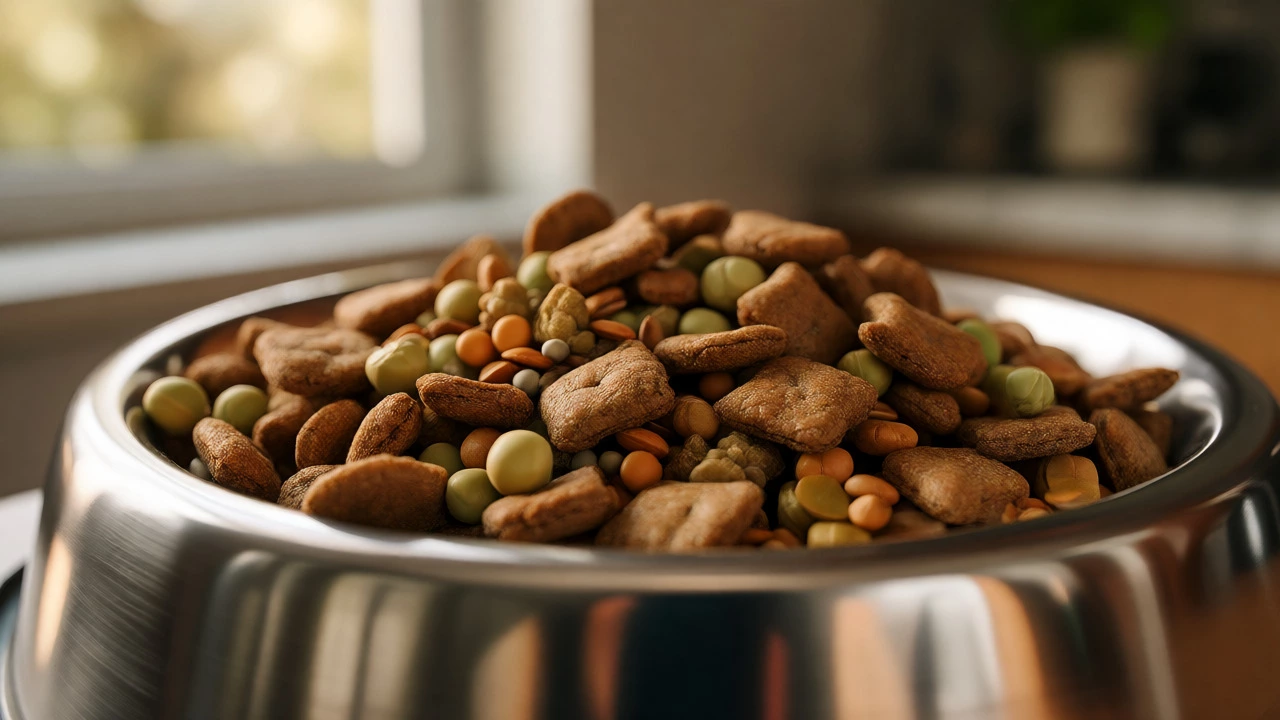
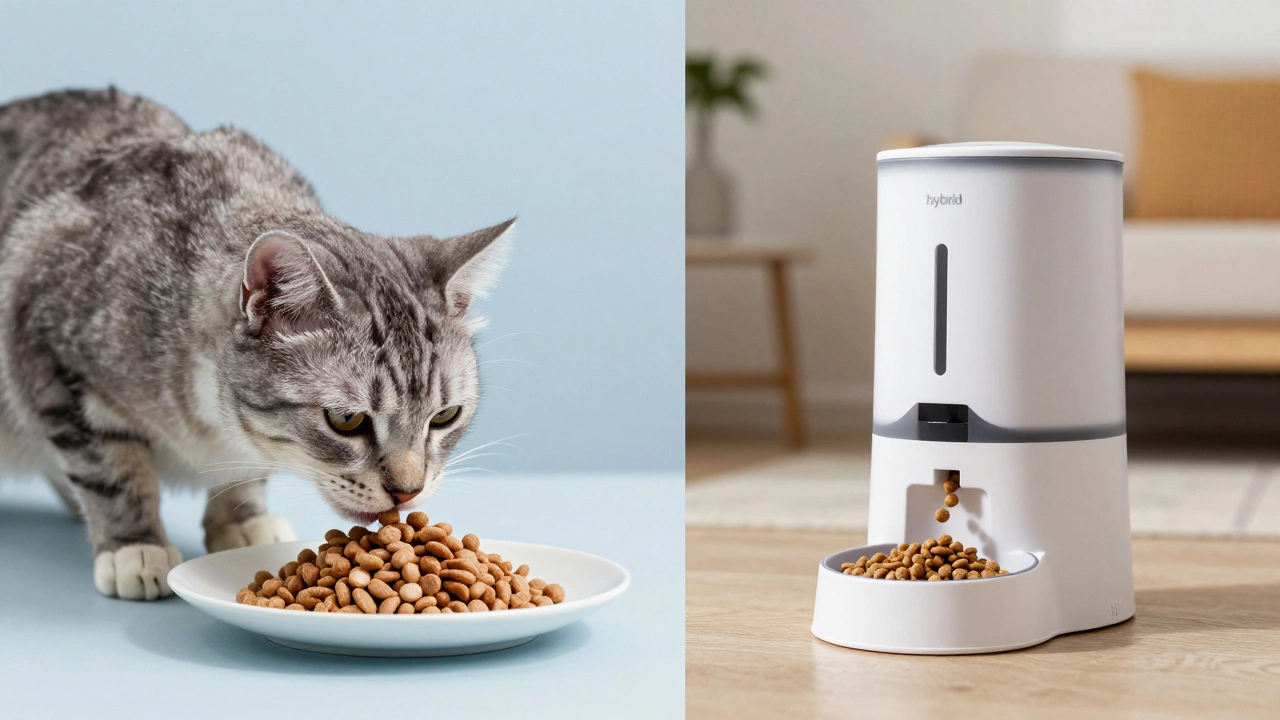
Your choice of food changes the logistics of your schedule. Dry Cat Food is a processed, dehydrated food pellet that is shelf-stable and convenient for free-feeding or automatic dispensers . Because it doesn't spoil, it's easy to split into small portions. However, it lacks moisture. On the flip side, Wet Cat Food is a moisture-rich diet usually sold in cans or pouches that closely mimics the water content of natural prey . You can't leave wet food out for 12 hours; it will dry out or attract flies. If you use wet food, you're naturally pushed toward a scheduled feeding routine. A great strategy is the "hybrid approach": a small amount of dry food in an automatic feeder for midnight snacks and two scheduled wet food meals for hydration and protein. This keeps their kidneys happy and their hunger satisfied.Senior Cats and Special Health Needs
As cats age, their digestive systems slow down. Some senior cats develop kidney disease or hyperthyroidism, both of which change how they process energy. For a cat with kidney issues, smaller, more frequent meals are often easier on the system. They might not be able to eat a large bowl of food at once without feeling nauseous. Similarly, cats with diabetes need their food timed precisely around their insulin injections. If you're managing a medical condition, your vet's specific timing instructions override any general rule of thumb. Keep an eye on their weight. Senior cats can either balloon up because they stop moving or waste away because they lose their appetite. Adjusting the frequency to 3 small meals can sometimes encourage a picky senior cat to eat more overall throughout the day.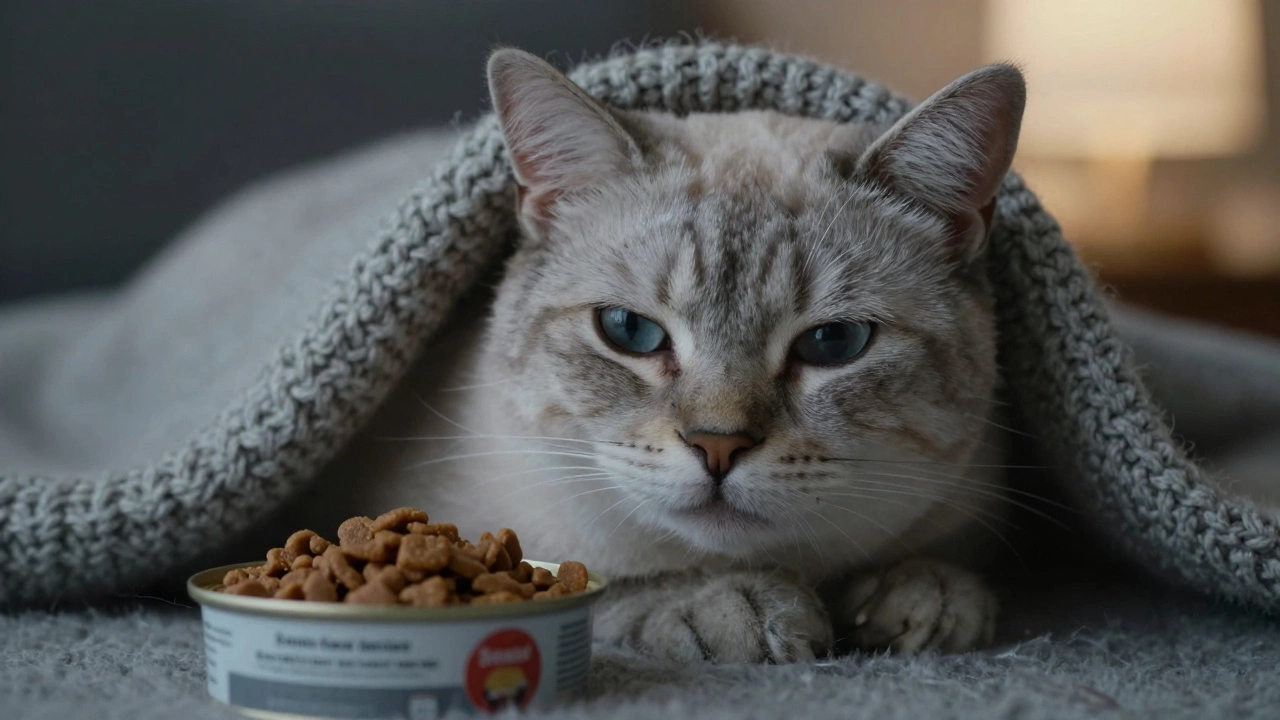
Common Feeding Pitfalls to Avoid
One of the biggest mistakes owners make is "topping off" the bowl. You see a little bit of food left, so you add a handful more. This leads to calorie creep. Instead, use a measuring cup. A few extra calories a day don't seem like much, but over a year, that's the difference between a lean cat and one that needs a diet. Another trap is the "begging cycle." Cats are masters of manipulation. They will act like they are starving even if they just ate. If you give in and feed them every time they meow, you are training them to demand food, not rewarding their hunger. Stick to the schedule. If they are genuinely hungry, you'll see it in their weight, not their volume.How to Transition Your Cat to a New Schedule
If you've been free-feeding and want to switch to scheduled meals, don't do it overnight. Your cat will likely panic and may even stop eating or spray in frustration. Start by picking two set times a day. Put the food down for 30 minutes, then take the bowl away. If they don't eat it all, don't worry. Gradually reduce the amount of "free" food available throughout the day over a week. Within ten days, they'll adjust to the new routine. Using a puzzle feeder or a treat ball during the gaps can help distract them and keep their minds sharp.Is it okay to feed my cat only once a day?
Generally, no. Cats have small stomachs and are designed for small, frequent meals. Feeding once a day can lead to hunger-induced vomiting, irritability, and a higher risk of gastric issues. It is much healthier to split the daily caloric intake into at least two separate sessions.
What if my cat wakes me up at 4 AM for food?
This is common behavior. To fix this, try using an automatic feeder that dispenses a small amount of kibble at 4 AM. This shifts the cat's association from you (the food provider) to the machine. Additionally, ensure they have a high-protein snack or a small meal right before you go to bed to keep them full longer.
How do I know if I'm feeding my cat too much?
Check their "body condition score." You should be able to feel their ribs without pressing hard, and they should have a visible waist when viewed from above. If they look like a football or you can't feel the ribs at all, it's time to reduce the portion size, regardless of how many times a day you feed them.
Can I switch from 2 meals to 4 meals a day?
Yes, and many cats actually prefer this. The key is to keep the total daily amount of calories the same. Simply divide the daily portion into four smaller servings. This can help cats with sensitive stomachs or those prone to obesity by keeping their metabolism steady.
Do indoor cats need different feeding frequencies than outdoor cats?
Indoor cats are generally less active and have a lower caloric burn, so they are more prone to obesity. While the frequency (2-3 times a day) remains the same, the total amount of food should be lower. Outdoor cats may need more calories to maintain body heat and energy for hunting, but they often supplement their diet with prey.