
Dog Applesauce Safety & Serving Calculator
Enter Dog Details
Does the label contain these ingredients?
Ready to Calculate
Enter your dog's weight and select any known ingredients to see if it's safe and how much to serve.
That jar of applesauce sitting on your counter looks harmless enough. Maybe even delicious. But when you look at your dog wagging his tail, hoping for a taste, a question pops into your head: Is it actually safe? The short answer is yes, but with a massive asterisk. You can give your dog applesauce, provided you pick the right kind and keep the portion small. Get it wrong, and you might be handing him a toxic sugar bomb or worse, a dose of xylitol that could land him in the emergency vet.
We all want to share our food with our pets. It feels like a bonding moment. But human snacks are often loaded with ingredients that are dangerous for canines. Applesauce is no exception. This guide breaks down exactly what makes applesauce safe, what makes it deadly, and how to serve it without risking your dog's health.
The Big Danger: Xylitol and Artificial Sweeteners
Before you open the lid, you need to check the label. Not for the apple content, but for the sweetener. Many commercial brands of applesauce use artificial sweeteners to cut costs or appeal to health-conscious humans. One specific sweetener, xylitol, is extremely toxic to dogs.
Xylitol causes a rapid release of insulin in dogs, leading to hypoglycemia (low blood sugar). This can happen within 10 to 60 minutes of ingestion. Symptoms include vomiting, weakness, difficulty walking, seizures, and liver failure. Even small amounts can be fatal. Check the ingredient list carefully. If you see xylitol, birch sugar, or sometimes just "sugar-free" listed prominently, throw it away or keep it far out of reach.
Other artificial sweeteners like aspartame or sucralose are generally considered less toxic than xylitol, but they offer no nutritional benefit and can cause digestive upset. Stick to plain, unsweetened applesauce whenever possible. If the only ingredient besides water and apples is sugar, it’s safer-but still not ideal.
Natural Sugar Content: The Hidden Calorie Bomb
Even if the applesauce is free of xylitol, it’s still high in natural sugars. Apples contain fructose, which concentrates further when cooked down into sauce. While not toxic like xylitol, excessive sugar intake leads to weight gain, dental decay, and potentially diabetes over time.
Dogs don’t have the same sweet tooth as humans, and their bodies aren’t designed to process large amounts of refined or concentrated sugars. A few teaspoons occasionally won’t hurt a healthy adult dog. Regularly spooning out half-cups of sugary applesauce will. Think of it like giving your kid candy every day. It’s tasty, but it’s bad for them long-term.
If your dog has diabetes, kidney issues, or is overweight, skip the store-bought applesauce entirely. The sugar spike isn’t worth the risk. For these dogs, fresh, chopped apple pieces (without seeds) provide fiber and vitamins without the concentrated sugar load of processed sauce.
Fiber Benefits: Why Apples Are Good for Dogs
Despite the sugar concerns, apples themselves are great for dogs. They’re rich in vitamins A, C, and K, plus fiber. Fiber aids digestion and can help regulate bowel movements. If your dog is constipated, a small amount of pureed apple can act as a gentle laxative.
The pectin in apples also supports gut health by feeding beneficial bacteria. This is why many holistic vets recommend incorporating small amounts of fruit into a balanced diet. The key is moderation and preparation. Whole apples require peeling and seeding because apple seeds contain trace amounts of cyanide. Applesauce solves the seed problem but introduces texture and sugar variables.
When choosing between whole apple slices and applesauce, consider your dog’s chewing habits. Some dogs gulp everything down. In those cases, smooth applesauce might be easier to digest than tough chunks of raw fruit. However, always ensure the sauce is thick enough to avoid choking hazards, especially for smaller breeds.
How to Choose Safe Applesauce for Your Dog
Not all jars are created equal. Here’s what to look for when shopping:
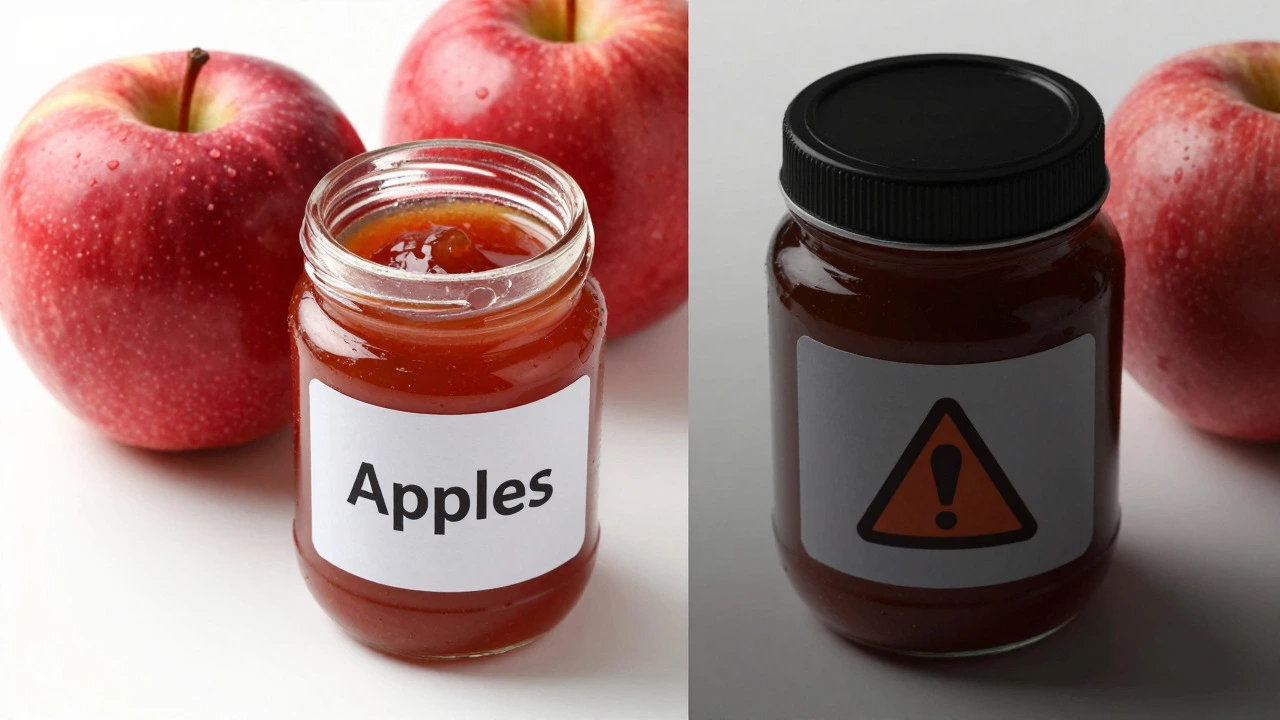
- Ingredients List: Should ideally say only "Apples" or "Apples, Water." Avoid anything with added sugar, corn syrup, or artificial flavors.
- No Added Salt: Some savory sauces add salt. Dogs need very little sodium, so extra salt is unnecessary and potentially harmful.
- Organic Options: If you’re worried about pesticides, choose organic applesauce. Conventional apples often carry pesticide residues on their skins, which remain in the sauce since most applesauce is made with skin-on apples.
- Avoid Cinnamon-Flavored Varieties: While cinnamon itself isn’t highly toxic in tiny amounts, some blends include other spices or oils that irritate a dog’s stomach. Plus, many dogs dislike the strong flavor.
If you can’t find a clean product at the store, make your own. It takes five minutes. Boil peeled, cored apples until soft, then blend. No additives needed. Your dog gets the benefits without the junk.
Serving Size Guidelines by Dog Weight
Portion control is critical. Too much fruit causes diarrhea. Use this general rule of thumb:
| Dog Size | Weight Range | Max Daily Amount |
|---|---|---|
| Tiny (Chihuahua, Toy Poodle) | Under 10 lbs | 1 teaspoon |
| Small (Beagle, Bulldog) | 10-25 lbs | 1 tablespoon |
| Medium (Spaniel, Boxer) | 25-50 lbs | 2 tablespoons |
| Large (Labrador, Golden Retriever) | 50-90 lbs | 3-4 tablespoons |
| Giant (Great Dane, Mastiff) | Over 90 lbs | ¼ cup max |
Start with half the recommended amount to see how your dog reacts. Every dog’s digestive system is different. Some tolerate fruit well; others get loose stools immediately. Monitor for gas, bloating, or changes in stool consistency.
Creative Ways to Serve Applesauce Safely
You don’t have to just spoon it onto your floor. Try these practical uses:
- Pill Hider: Mix medication into a small dollop of applesauce. The strong flavor masks bitter pills effectively.
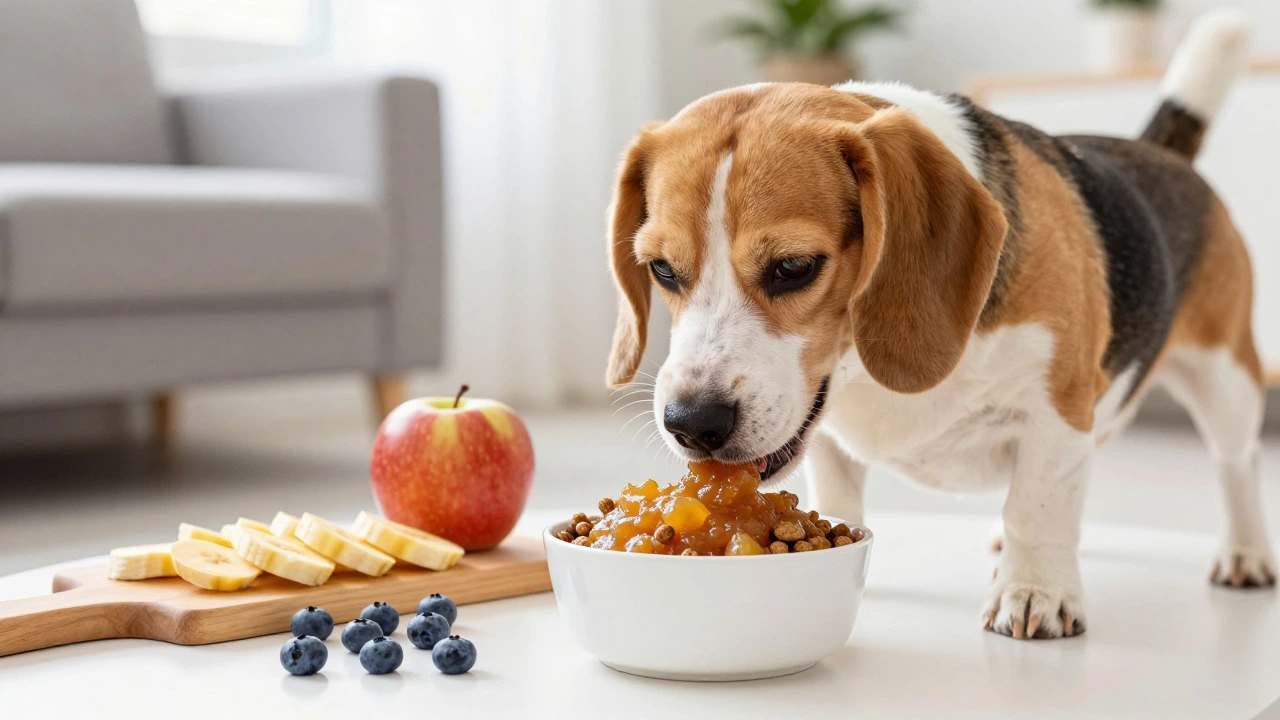
- Kibble Topper: Stir a teaspoon into dry food to encourage picky eaters. The moisture helps soften kibble too.
- Freezer Treats: Freeze small portions in ice cube trays. Great for hot days or teething puppies.
- Homemade Dog Biscuits: Replace part of the liquid in baking recipes with applesauce for natural sweetness and binding.
Avoid serving applesauce straight from the jar if it’s been open for more than a few days. Fermentation begins quickly, producing alcohol and acids that upset stomachs. Always refrigerate and discard after three days.
Signs of Trouble: When to Call the Vet
If your dog accidentally eats xylitol-sweetened applesauce, seek immediate veterinary care. Do not wait for symptoms. Time is critical. Bring the packaging if possible so the vet knows the exact concentration.
For non-toxic reactions, watch for:
- Vomiting within two hours
- Diarrhea lasting more than 24 hours
- Lethargy or weakness
- Excessive drooling
Mild upset stomach usually resolves on its own with rest and water. Withhold regular food for 12 hours, then reintroduce bland diet (boiled chicken and rice). If symptoms persist, consult your veterinarian.
Alternatives to Store-Bought Applesauce
If you’re concerned about hidden sugars or preservatives, consider these safer alternatives:
- Fresh Apple Slices: Core and peel thoroughly. Remove all seeds. Cut into bite-sized pieces.
- Banana Mashed: High in potassium, low in acid. Peel completely and mash lightly.
- Blueberries: Antioxidant-rich, low calorie. Wash well and serve whole.
- Carrot Sticks: Crunchy, fibrous, and low sugar. Great for dental health.
These options give you full control over ingredients. No surprise sweeteners, no mystery additives. Just real food your dog can enjoy safely.
Final Thoughts on Sharing Human Food
Giving your dog applesauce isn’t inherently bad. It becomes risky when we ignore labels, overfeed, or assume all human foods are pet-safe. Knowledge protects your companion. Read ingredients, measure portions, and prioritize freshness. When in doubt, stick to whole fruits prepared specifically for canine consumption.
Your dog doesn’t need fancy treats to feel loved. He needs safety, consistency, and care. By making informed choices about what goes into his bowl, you’re doing exactly that.
Can puppies eat applesauce?
Yes, but only in tiny amounts and only if it’s plain, unsweetened, and xylitol-free. Puppies have sensitive digestive systems. Start with half a teaspoon and monitor for diarrhea. Fresh apple slices are often better tolerated than processed sauce.
Is xylitol really that dangerous for dogs?
Absolutely. Xylitol triggers a massive insulin release in dogs, causing life-threatening low blood sugar and potential liver failure. Even a single gram per kilogram of body weight can be lethal. Always check labels for xylitol, birch sugar, or sugar-free claims.
Can I make my own applesauce for my dog?
Yes! Homemade applesauce is the safest option. Peel and core apples, boil until soft, then blend. Add no sugar, spices, or salt. Store in the fridge for up to three days or freeze in portions for longer storage.
What if my dog ate a whole jar of applesauce?
If it contained xylitol, go to the emergency vet immediately. If it was plain applesauce, expect digestive upset like vomiting or diarrhea. Contact your vet for guidance based on your dog’s size and health history. Do not induce vomiting unless instructed by a professional.
Are apple seeds toxic in applesauce?
Apple seeds contain amygdalin, which breaks down into cyanide when chewed. Most commercial applesauce removes cores and seeds during processing. However, homemade versions must be carefully seeded. A few accidental seeds won’t kill your dog, but regular exposure is harmful.
Can diabetic dogs eat applesauce?
Generally no. Applesauce contains concentrated natural sugars that spike blood glucose levels. Diabetic dogs require strict carbohydrate management. Consult your veterinarian before introducing any fruit-based treats. Fresh vegetables like green beans are safer alternatives.