Dog Pumpkin Dosage Calculator
Recommended Daily Amount
Safe SupplementStart with this amount mixed into food once daily.
Important Safety Rules:
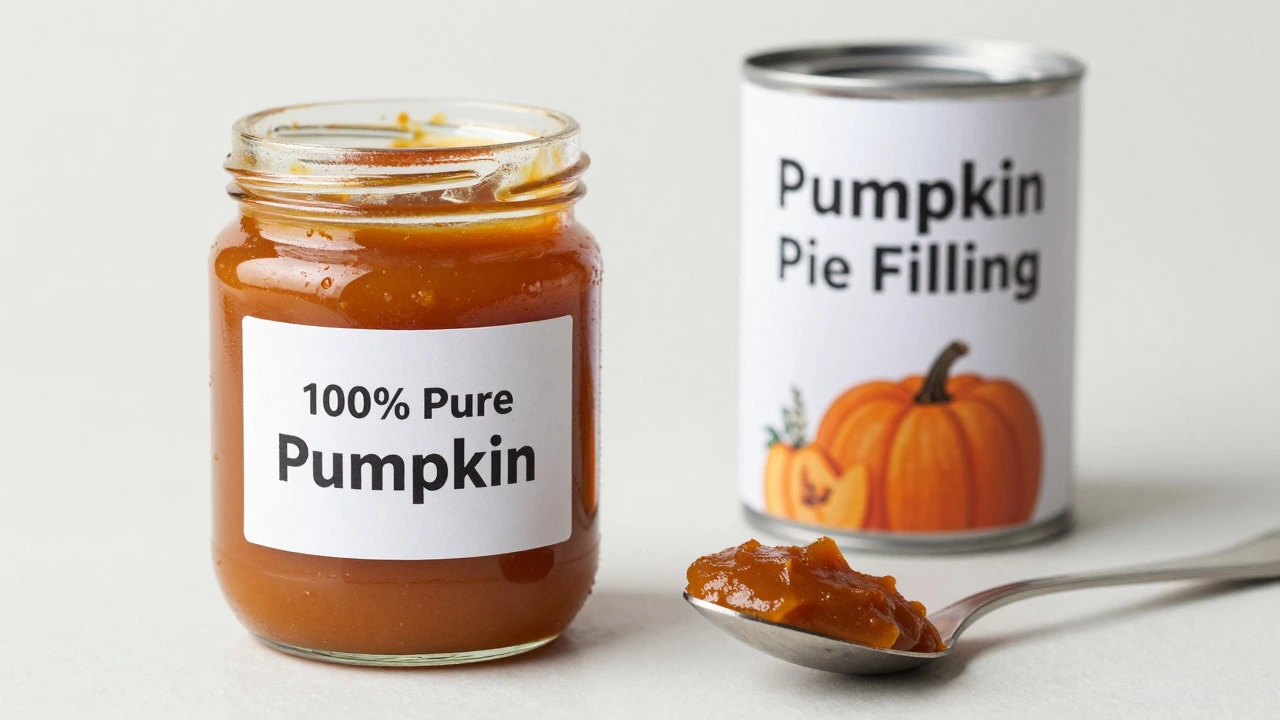
- Use Puree Only: Must be 100% pure pumpkin. Avoid pie filling (contains sugar/spices).
- Watch Stool: If stool becomes loose, reduce the dose immediately.
- Consult Vet: Essential if your dog is diabetic or has kidney issues.
Enter your dog's weight to find the perfect serving size.
Why Your Dog Might Need a Spoonful of Orange
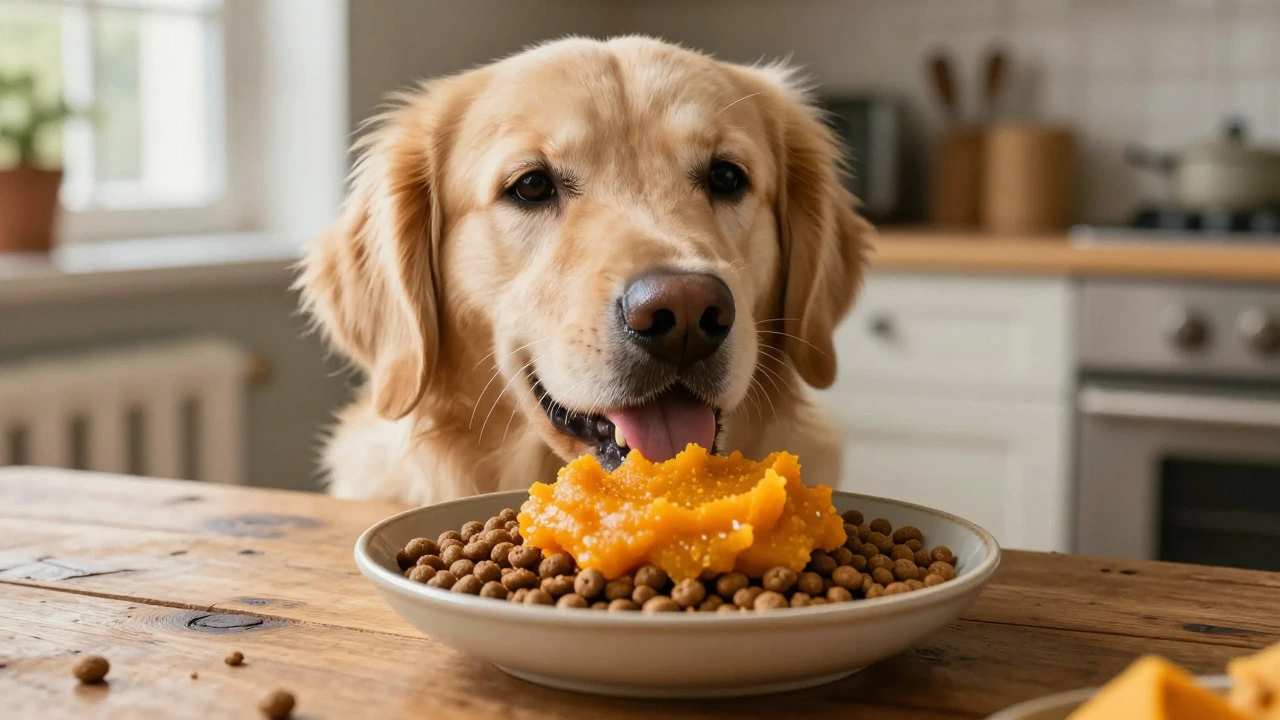
You’ve probably seen the trend. It’s everywhere on social media and in pet stores: owners mixing bright orange pumpkin is a nutrient-dense squash often used as a natural digestive aid for dogs into their pup’s kibble. But is this just another passing fad, or does it actually help your dog feel better? The short answer is yes, but only if you use the right kind.
Pumpkin isn’t magic, but it is incredibly effective at solving two of the most common complaints I hear from dog owners in Bristol: loose stools and constipation. It acts as a gentle regulator for your dog’s gut. If your dog is struggling with an upset stomach, adding a small amount of plain pumpkin can stabilize their bowel movements without the side effects of harsh medications. However, getting it wrong-like using pumpkin pie filling instead of pureed squash-can cause more harm than good.
The Digestive Powerhouse: Soluble Fiber
The main reason pumpkin works so well for dogs comes down to one specific ingredient: soluble fiber. When you eat pumpkin, that fiber absorbs water in the digestive tract. This creates a gel-like substance that helps move food through the intestines smoothly.
For a dog with diarrhea, this gel adds bulk to the stool, helping it firm up. For a dog who is constipated, the same fiber draws water into the colon, softening the stool and making it easier to pass. It’s a rare food that can help both ends of the spectrum. Think of it like a shock absorber for your dog’s digestive system. It doesn’t force things along; it just makes the ride smoother.
This mechanism is particularly useful during times of stress or dietary changes. Maybe you switched brands of kibble last week, or perhaps your dog ate something they shouldn’t have off the sidewalk. In these scenarios, pumpkin provides a safe, natural buffer. Unlike probiotics, which introduce new bacteria, pumpkin supports the existing environment by regulating transit time.
Nutritional Profile: More Than Just Fiber
While fiber gets all the glory, pumpkin is packed with other nutrients that support overall canine health. It’s low in calories but high in vitamins and minerals. Here is what else you’re feeding your dog when you add pumpkin:
- Vitamin A: Essential for maintaining healthy vision, immune function, and skin health. Pumpkin is rich in beta-carotene, which the body converts into Vitamin A.
- Vitamin C: Acts as an antioxidant, helping to reduce inflammation and support the immune system.
- Vitamin E: Protects cells from damage and promotes healthy skin and coat.
- Potassium: Helps maintain proper fluid balance and nerve function.
- Iron: Supports oxygen transport in the blood.
These nutrients work together. For example, the combination of Vitamin A and fiber can lead to a shinier coat and healthier skin, which is noticeable within a few weeks of consistent use. It’s not a miracle cure for allergies, but it supports the body’s ability to manage them.
Weight Management and Satiety
If your dog is overweight, pumpkin can be a valuable tool in their diet plan. It is extremely low in calories. One tablespoon of canned pumpkin contains only about 25 calories. By mixing this into your dog’s regular meal, you increase the volume of the food without significantly increasing the caloric intake.
This trick plays on satiety. The high fiber content makes your dog feel fuller for longer. Many owners find that their picky eaters finish their bowls faster when there’s a spoonful of pumpkin mixed in, simply because the texture and slight sweetness make the bland kibble more appealing. You can replace a portion of the calorie-dense kibble with pumpkin, effectively reducing total daily calories while keeping your dog satisfied.
| Nutrient | Dry Dog Kibble (per cup) | Canned Pumpkin (per tbsp) |
|---|---|---|
| Calories | 300-400 kcal | ~25 kcal |
| Fiber | 3-5g | 1.5g |
| Sugar | 0-1g | 1g |
| Fat | 10-15g | 0g |
The Critical Rule: Puree vs. Pie Filling
This is where most people go wrong. You cannot just grab any jar of pumpkin from the baking aisle. There are two distinct products, and only one is safe for dogs.
Safe: 100% Pure Pumpkin Puree. Look for jars labeled "100% Pure Pumpkin" or "Puree." The ingredient list should contain only one item: pumpkin. It will look like a thick, dark orange paste. Brands like Libby’s or generic store brands work perfectly fine.
Unsafe: Pumpkin Pie Filling. This product is loaded with added sugars, spices like nutmeg and cinnamon, and thickeners. Nutmeg, in particular, can be toxic to dogs in large amounts. The high sugar content can lead to obesity and dental issues. Always check the label. If it says "filling," put it back.
Fresh pumpkin is also an option, though less convenient. You can roast a sugar pumpkin or pie pumpkin, scoop out the seeds and stringy bits, blend the flesh, and freeze it in ice cube trays. This ensures no additives, but it requires significant effort. For most busy owners, canned puree is the practical choice.

How Much Pumpkin Should You Feed?
More is not always better. Because pumpkin is high in fiber, too much can cause the opposite effect: gas, bloating, or even worsened diarrhea. Start small and adjust based on your dog’s reaction.
- Small dogs (under 20 lbs): Start with 1 teaspoon per day.
- Medium dogs (20-50 lbs): Start with 1 tablespoon per day.
- Large dogs (over 50 lbs): Start with 1-2 tablespoons per day.
Mix it thoroughly into their wet or dry food. Watch their stool over the next 24 hours. If it firms up, you’ve found the right dose. If it becomes looser, reduce the amount. Never exceed 20% of your dog’s daily caloric intake with pumpkin. It’s a supplement, not a meal replacement.
Who Should Avoid Pumpkin?
While pumpkin is safe for most dogs, there are exceptions. Diabetic dogs need caution. Although pumpkin has a low glycemic index, it still contains carbohydrates. Consult your veterinarian before adding it to a diabetic dog’s diet, as it may affect insulin requirements.
Dogs with chronic kidney disease may need to limit potassium intake. Since pumpkin is high in potassium, your vet might advise against it. Always run new supplements by your vet if your dog has underlying health conditions.
Practical Tips for Serving Pumpkin
Some dogs love the taste; others turn their noses up. Here are a few ways to get them to eat it:
- The Mix-In: Stir it directly into warm kibble. The heat releases aromas that make the pumpkin smell more appealing.
- The Topper: Use it as a topping for wet food. The strong scent of pumpkin can mask the smell of less palatable medical diets.
- The Treat: Freeze small cubes of pumpkin mixed with a little low-sodium chicken broth for a refreshing summer snack.
Store opened canned pumpkin in the fridge for up to five days. Transfer it to an airtight container to prevent it from absorbing other odors. If it smells sour, toss it.
Can I feed my dog fresh pumpkin instead of canned?
Yes, fresh pumpkin is excellent. You must cook it first by roasting or boiling until soft, then peel and puree it. Raw pumpkin is hard to digest and can cause blockages. Ensure you remove all seeds and fibrous strands before serving.
Is pumpkin good for dogs with anxiety?
Pumpkin itself is not a sedative. However, some studies suggest that certain compounds in pumpkin seeds may have calming effects. While the flesh won’t calm anxiety, the routine of adding a treat can provide comfort. For severe anxiety, consult a vet for proven solutions.
How long does it take for pumpkin to work for diarrhea?
You should see improvements within 24 to 48 hours. If your dog’s diarrhea persists after two days of treatment, or if there is blood in the stool, stop the pumpkin and see a veterinarian immediately. It could indicate a more serious infection or parasite issue.
Can puppies eat pumpkin?
Yes, puppies can eat pumpkin in very small amounts. Start with half a teaspoon for small breeds. Their digestive systems are sensitive, so introduce it slowly to avoid gas. It’s a great way to help a puppy adjust to a new food formula.
Does pumpkin help with urinary crystals?
Pumpkin has a high water content and fiber, which can encourage hydration and more frequent urination. This may help flush out the urinary tract. However, it is not a cure for struvite or oxalate crystals. Always follow your vet’s prescribed diet for urinary issues.