
You wake up, stretch, and step out of bed. Within seconds, your dog slides into the warm indentation you just left behind. It’s a familiar scene for millions of pet owners, but it can feel like an invasion of personal space-or worse, a sign of dominance. Before you push them off, consider this: your dog isn’t trying to take over. They are following hardwired instincts that date back thousands of years.
Understanding why dogs gravitate toward our used bedding requires looking at canine biology, pack dynamics, and environmental comfort. It’s rarely about control; it’s almost always about connection, warmth, and security. If you’re wondering how to manage this behavior or if it signals a deeper issue, the answers lie in what your dog is actually seeking when they curl up in your spot.
The Power of Scent: Why Your Bed Smells Like Safety
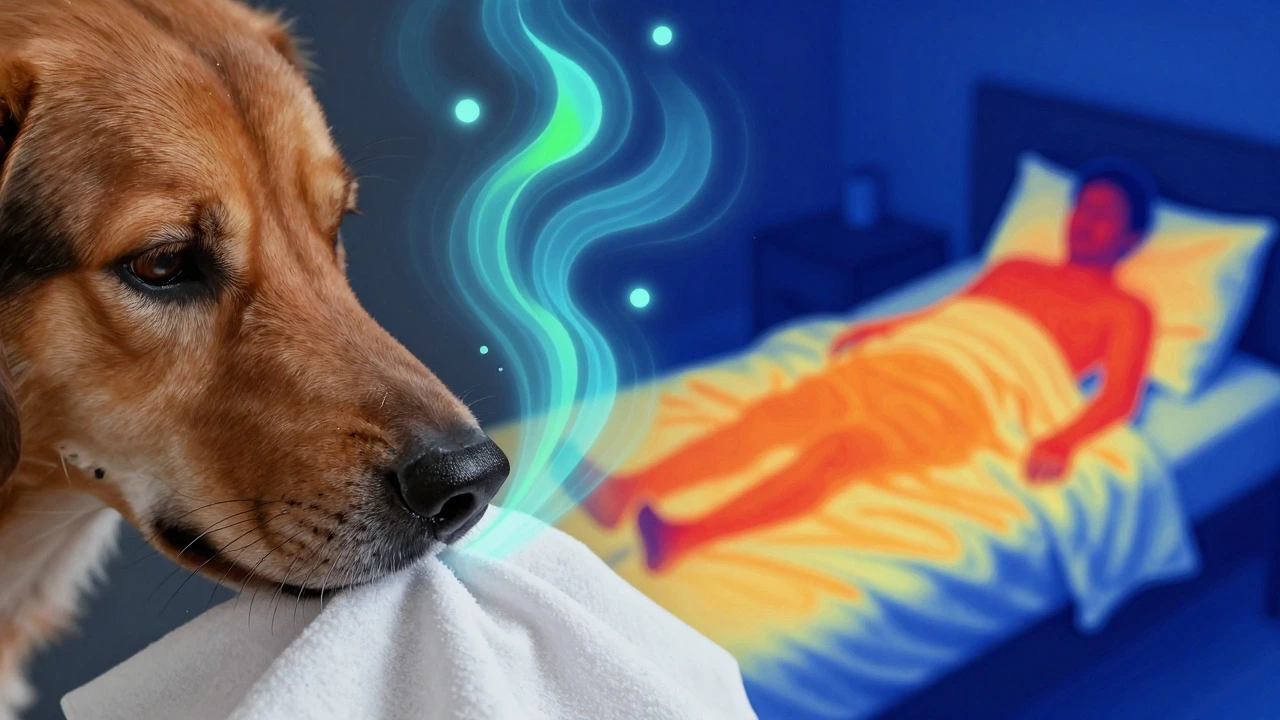
To humans, a used bed might smell like stale sweat or old laundry. To a dog, it smells like home, safety, and you. Dogs possess approximately 300 million olfactory receptors in their noses, compared to a mere six million in humans. This means their sense of smell is roughly 40 times stronger than ours. When your dog sniffs your pillow or buries their face in the sheets, they aren’t just smelling your skin cells; they are reading a complex chemical message.
Your scent provides a calming effect. In veterinary behavioral science, this is often linked to reduced cortisol levels. For many dogs, especially those who spend time alone during the day, your scent acts as a security blanket. It reassures them that you were there, that you are safe, and that the environment is stable. By sleeping in your spot, they are immersing themselves in your presence even after you’ve left the room.
- Scent Marking: Dogs may also be mixing their own scent with yours, reinforcing the bond between you two.
- Familiarity: A new guest in the house might change the scent profile of the bedroom, causing anxiety. Your specific scent anchors them.
- Emotional Regulation: Studies suggest that exposure to owner scent can lower heart rates in anxious dogs.
Thermoregulation: The Hunt for Warmth
Dogs have a higher normal body temperature than humans-typically ranging from 101°F to 102.5°F (38.3°C to 39.2°C). While they have fur coats, many domestic breeds, particularly short-haired ones like Greyhounds or Chihuahuas, lose heat rapidly. Humans act as giant, efficient heating pads. When you get out of bed, the mattress retains your body heat for several minutes.
This residual warmth is irresistible. It’s not just laziness; it’s energy conservation. Maintaining body temperature requires metabolic effort. By moving into your warm spot, your dog conserves calories and stays comfortable without having to shiver or seek another heat source. This is especially prevalent in colder months or in homes where the thermostat is kept low at night.
| Factor | Impact on Behavior | Mitigation Strategy |
|---|---|---|
| Scent Association | High comfort and security | Provide a worn t-shirt in their bed |
| Residual Heat | Energy conservation and warmth | Use heated dog beds or blankets |
| Pack Instinct | Desire for proximity and bonding | Allow co-sleeping or crate training near bed |
| Anxiety | Seeking reassurance from owner presence | Behavioral therapy or calming aids |
Pack Dynamics and Social Bonding
Dogs are social animals descended from wolves. In the wild, pack members sleep close together for protection and warmth. While domestic dogs have diverged significantly from their wild ancestors, the instinct to sleep near their "pack leader" remains strong. You are their pack. Your bed is the center of your territory.
Contrary to popular belief, sleeping in your spot is rarely an act of dominance. Dominance theory in dog behavior has largely been debunked by modern ethologists. Instead, this behavior is usually submissive or affiliative. Your dog wants to be close to you because you are their primary source of food, play, and affection. By occupying your space, they are maintaining physical proximity, which strengthens the social bond.
If your dog follows you from room to room and insists on being within touching distance, this is likely the driving force. They view your bed as the most important location in the house because that is where you rest. Resting near you ensures that if danger arises, you are both alert and together.
Separation Anxiety and Comfort Seeking
For some dogs, the urge to sleep in your spot is more urgent. Separation anxiety affects an estimated 23% of dogs. These dogs suffer from distress when separated from their owners. The moment you leave the bed, they perceive a separation event. Rushing to fill your void is a coping mechanism.
Signs that anxiety is driving this behavior include:
- Pacing or whining immediately after you get up.
- Destructive behavior around the bed or bedroom door.
- Excessive licking or panting.
- Refusal to settle down anywhere else in the house.
If your dog seems frantic rather than cozy, this isn’t just about warmth. It’s about panic. In these cases, simply pushing them off the bed won’t solve the problem. They need gradual desensitization to being alone, possibly aided by pheromone diffusers or medication prescribed by a veterinarian.
Medical Reasons: Pain and Discomfort
Sometimes, the reason your dog sleeps in your spot is medical. Older dogs or those with arthritis find firm mattresses painful. Human beds, especially memory foam or high-quality spring mattresses, often provide better joint support than standard dog beds. If your dog suddenly starts insisting on your bed or your spot, check for signs of stiffness or limping.
Additionally, dogs with cognitive dysfunction syndrome (similar to dementia in humans) may become confused about boundaries. They may forget where their own bed is or feel disoriented without the familiar scent and texture of your bedding. A sudden change in sleeping habits warrants a vet visit to rule out pain or illness.
Managing the Behavior: Should You Stop It?
Do you need to stop your dog from sleeping in your spot? Not necessarily. If it doesn’t bother you, let them enjoy the warmth and the bond. However, if you value your sleep quality or hygiene, you can redirect the behavior.
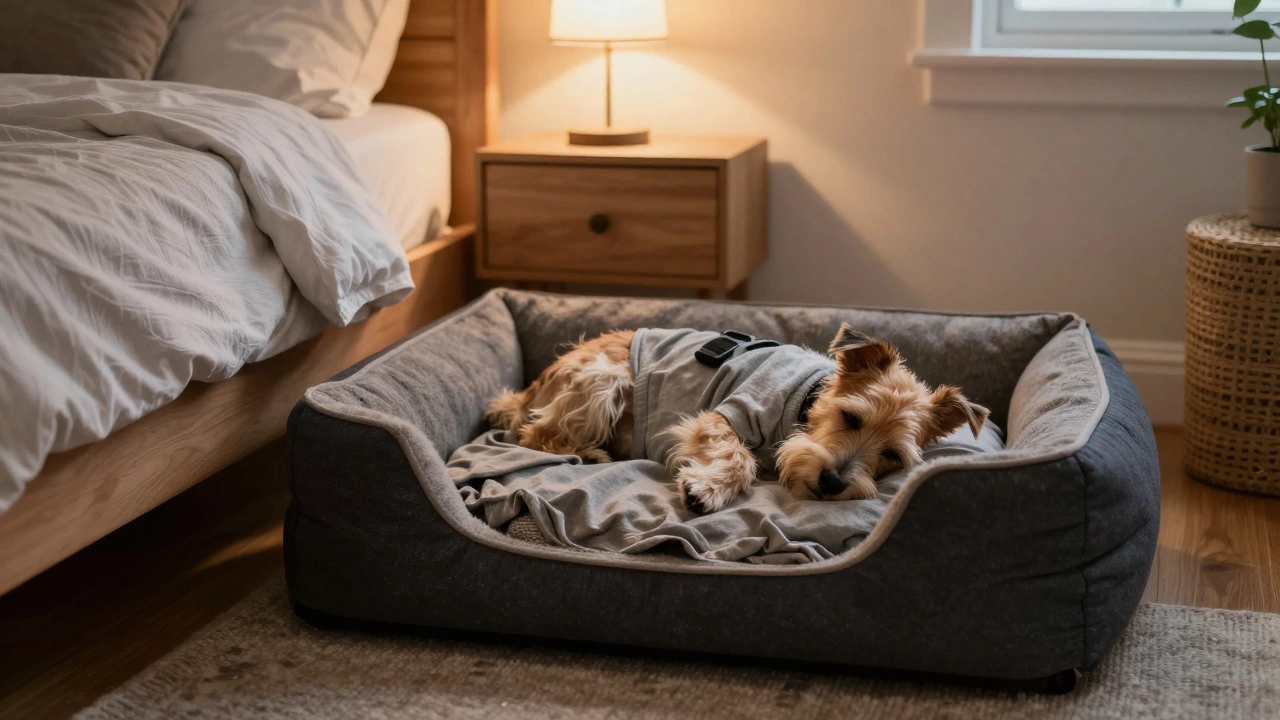
First, make your dog’s bed more appealing. Place it right next to your bed so they still have proximity. Add a blanket that smells like you-a worn t-shirt works wonders. Second, use positive reinforcement. Reward them heavily when they choose their own bed. Ignore them or gently guide them away when they jump into your spot. Consistency is key. If you allow it sometimes and forbid it others, the dog will remain confused.
Consider investing in a high-quality orthopedic dog bed. These beds mimic the support of a human mattress, addressing the comfort factor while keeping them off your sheets. Look for materials that retain heat if warmth is the primary driver.
Hygiene and Health Considerations
While cuddly, sharing a bed does introduce health considerations. Dogs carry bacteria like Salmonella, E. coli, and parasites like fleas and ticks. Regular grooming and flea prevention are essential if you share sleeping spaces. Additionally, dust mites and dander can accumulate in bedding, potentially triggering allergies in sensitive individuals.
If your dog sleeps in your spot, wash your bedding weekly in hot water. Keep your dog’s nails trimmed to prevent damage to the mattress. Ensure they are bathed regularly, though not so frequently that their natural skin oils are stripped, which can lead to dryness and itching.
Conclusion: Understanding the Bond
Your dog sleeping in your spot is a compliment. It signifies trust, love, and a desire for closeness. Whether driven by scent, warmth, or pack instinct, the behavior is rooted in their nature as social companions. By understanding the underlying reasons, you can decide whether to embrace the shared space or gently redirect them to their own comfortable resting place. Either way, the goal is a happy, healthy dog and a good night’s sleep for everyone.
Is my dog trying to dominate me by sleeping in my bed?
No, modern animal behaviorists agree that sleeping in your bed is rarely a sign of dominance. It is usually a sign of affection, a desire for warmth, or a need for security. Dogs do not have a hierarchical concept of "ownership" of beds in the way humans do.
How can I stop my dog from jumping into my bed?
Start by making their own bed more attractive with your scent (like a worn shirt) and placing it near yours. Use positive reinforcement to reward them for staying in their bed. Be consistent; if you allow them on the bed occasionally, they will continue to try. Closing the bedroom door at night can also help establish boundaries.
Does sleeping in my spot mean my dog misses me?
Yes, it often does. Your scent is comforting to them. If they bury their nose in your pillow or sheets, they are seeking reassurance and connection. This is especially common if you have been away from home for long periods.
Is it unhealthy for my dog to sleep in my bed?
Generally, no, provided your dog is healthy and parasite-free. However, it can disrupt sleep cycles for light sleepers. There is also a minor risk of transmitting zoonotic diseases or allergens. Regular vet checks and hygiene practices mitigate these risks.
Why does my dog follow me immediately after I get up?
This is pack behavior. Dogs want to stay close to their family members. Following you ensures they don't miss out on activities and maintains their social bond with you. It can also indicate boredom or a lack of independent entertainment options.