Dog Cargo Hold Safety Checker
Enter your dog's details to estimate their risk level when traveling in the aircraft cargo hold. This tool helps you identify potential red flags before booking.
Fill in the details above to see your risk assessment.
You’re standing at the check-in desk, your heart pounding as you watch your beloved dog being wheeled away on a trolley. They disappear behind a curtain, and suddenly, panic sets in. Is the cargo hold safe for dogs? It’s the question every pet owner asks themselves when faced with the reality of long-haul flights where cabin travel isn’t an option. The short answer is: yes, it can be safe, but it comes with significant caveats that no glossy brochure will tell you.
Cargo hold travel is the practice of transporting pets in the pressurized and temperature-controlled belly of an aircraft, distinct from unpressurized 'baggage' compartments. Unlike the horror stories from the 1980s involving loose animals in freight areas, modern regulations have tightened significantly. However, safety isn't just about the plane; it's about preparation, breed suitability, and choosing the right airline.
The Reality Check: What Actually Happens Down There?
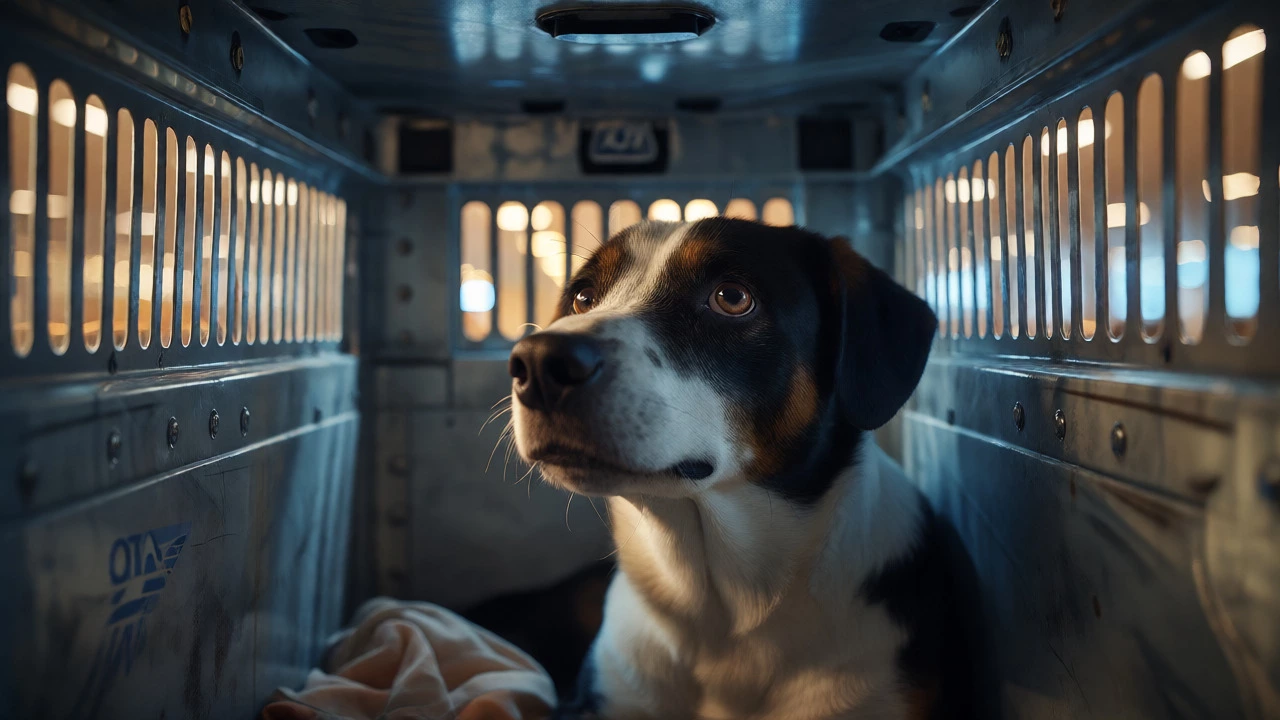
First, let’s bust a myth. When your dog flies "in cargo," they aren’t thrown into a dark, freezing box with suitcases. On most major international airlines, pets travel in the same pressurized, heated compartment as passenger baggage. The environment is monitored. But here’s the catch: while the pressure and temperature are controlled, the noise levels are high, and the handling during loading and unloading is rough. Your dog spends hours in a crate, unable to move freely, often without water access except through a drip system or ice block.
The biggest risk isn’t usually the flight itself-it’s the stress response. Dogs are sensitive to atmospheric changes and confinement. For a nervous dog, this experience can trigger severe anxiety, leading to panting, drooling, and even self-injury if they try to escape their crate. This is why understanding your dog’s temperament is step one. If your dog panics in a car carrier, they will likely panic in a plane hold.
Breed Matters More Than You Think
Not all dogs are built for the sky. Airlines maintain strict lists of banned breeds, primarily focusing on brachycephalic (short-nosed) dogs like French Bulldogs, Pugs, and Boston Terriers. Why? Because these breeds have compromised airways. At cruising altitude, even in a pressurized cabin, oxygen levels are slightly lower than at sea level. For a flat-faced dog, this can lead to respiratory distress or heatstroke because they cannot pant effectively to cool down.
- Brachycephalic Breeds: Often restricted to ground transport or require specific veterinary clearance due to breathing risks.
- Giant Breeds: Great Danes or Mastiffs may exceed weight limits for standard crates, requiring specialized heavy-duty containers.
- Nervous Breeds: Greyhounds or Whippets may handle the quiet well, but high-strung terriers might struggle with the isolation.
If you have a flat-faced breed, do not assume you can just book a ticket. Many airlines, including British Airways and Lufthansa, prohibit them entirely in cargo during summer months or year-round. Always check the current list before booking.
Choosing the Right Airline and Service Level
There is a massive difference between flying with a budget carrier and a premium full-service airline. In the UK, many owners fly via hubs like Heathrow or Frankfurt. Here, you generally have two options: checked baggage (where you walk your dog to the gate) or manifest cargo (handled by a specialist agent). Manifest cargo is often safer for larger dogs because the animal never leaves the care of trained handlers until they reach the destination terminal.
Look for airlines with dedicated pet programs. KLM and Air France, for instance, have robust networks across Europe. Emirates has gained a reputation for excellent pet care facilities in Dubai. Avoid airlines known for poor track records regarding lost pets or excessive layover times. A three-hour layover in a hot climate is far more dangerous than a direct five-hour flight.
| Feature | Cabin | Checked Baggage | Manifest Cargo |
|---|---|---|---|
| Max Weight | ~8-10kg (incl. bag) | Up to ~32kg | No strict limit (crate size dependent) |
| Supervision | With owner | Owner drops off/picks up | Specialist handler throughout |
| Risk Factor | Low | Moderate (handling errors) | Low-Moderate (professional handling) |
| Cost | $100-$200 | $200-$500 | $500-$1500+ |
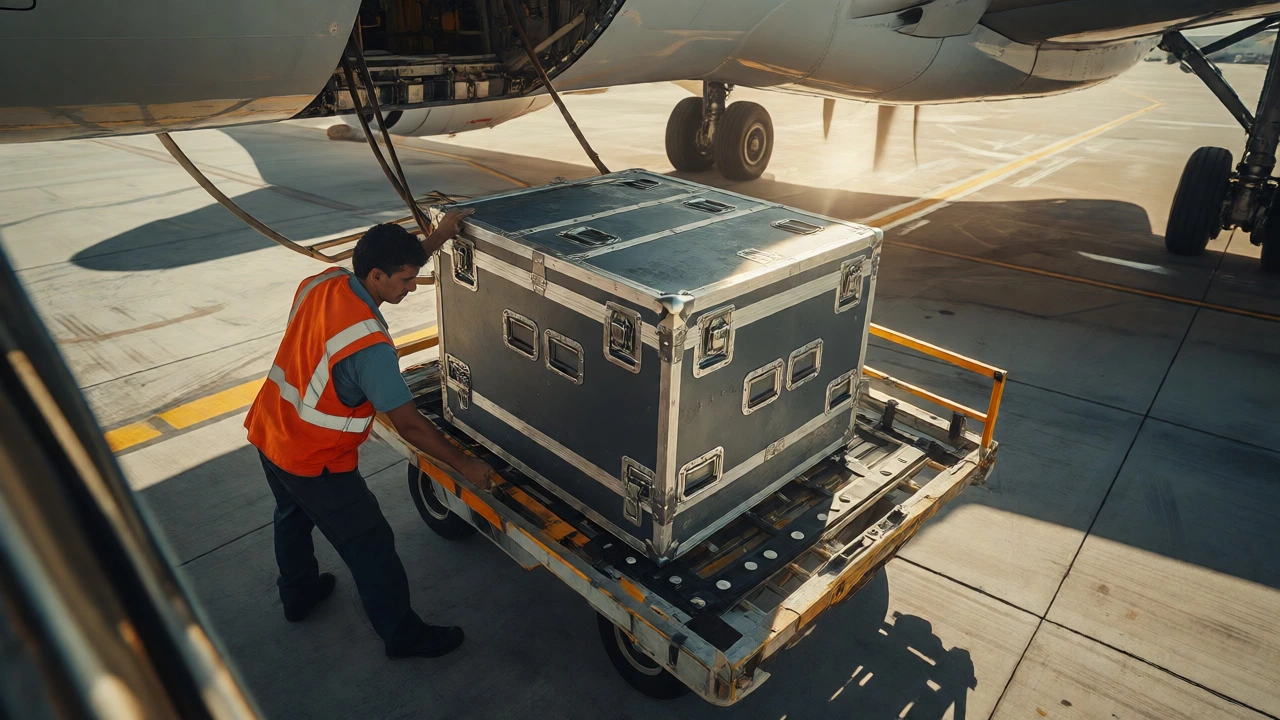
The Crate: Your Dog’s Temporary Home
A flimsy soft-sided carrier won’t cut it for the hold. You need an IATA-compliant crate. This isn’t just marketing jargon; it’s a set of engineering standards designed to protect the animal. The crate must be rigid, secure, and large enough for your dog to stand up, turn around, and lie down naturally. If it’s too small, your dog suffers muscle stiffness and anxiety. If it’s too big, they can be thrown against the walls during turbulence.
Key features to look for include metal screws rather than plastic clips (which can pop open under stress), ventilation on three sides, and a sturdy door latch. Line the bottom with absorbent padding. Attach a water dispenser to the outside so handlers can top it up without opening the crate. And please, skip the sedatives. The American Veterinary Medical Association advises against sedating pets for air travel because it can interfere with their ability to regulate body temperature and balance.
Health Checks and Paperwork
Safety starts weeks before the flight. Most countries require a health certificate issued within 10 days of travel. This document confirms your dog is fit to fly and vaccinated against rabies. Don’t leave this to the last minute. Veterinary clinics get backed up, and paperwork errors can ground your pet.
Consider microchipping if you haven’t already. While not always mandatory for domestic EU travel post-Brexit adjustments, it is crucial for international routes. Ensure the chip number matches the passport exactly. One digit wrong, and your dog could end up in quarantine for months.
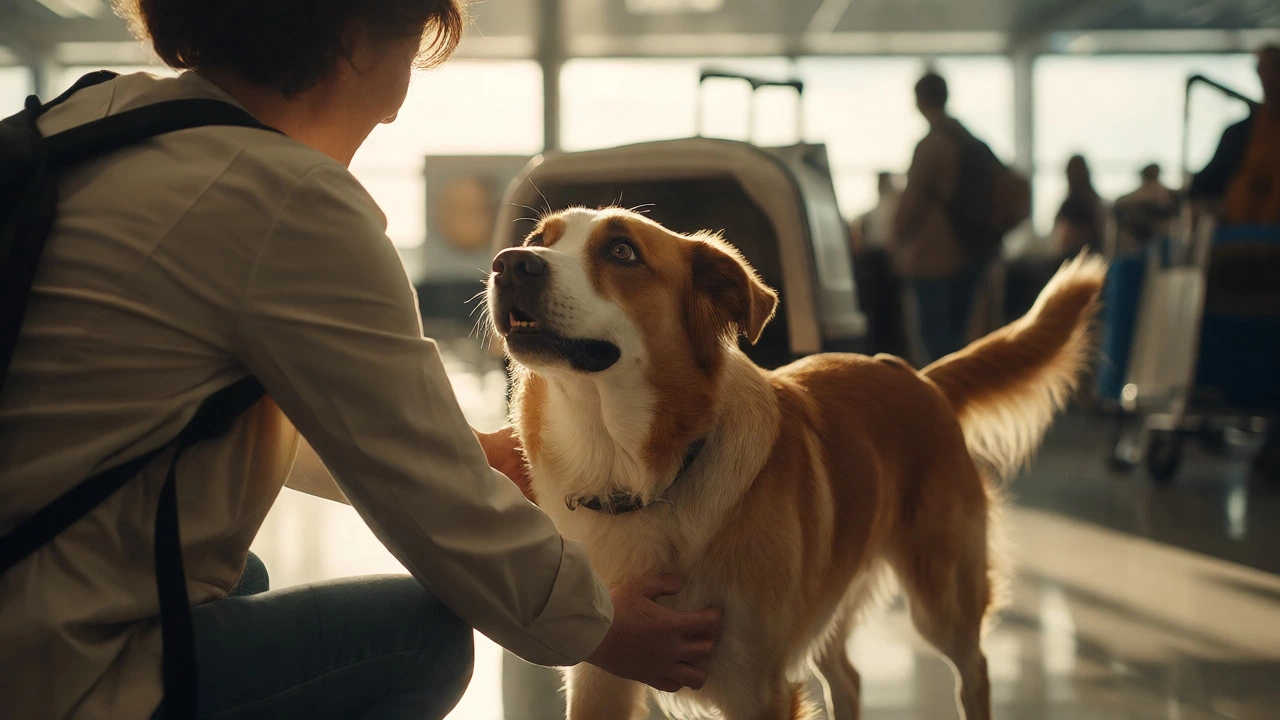
Tips for a Safer Journey
You can’t control the weather or the pilots, but you can control the preparation. Book morning flights. Afternoon temperatures on the tarmac can spike dangerously high, especially in southern Europe or the US. Direct flights are always preferable to reduce handling time. If you must connect, ensure the layover is long enough for reloading but short enough to minimize stress-aim for 2-4 hours maximum.
Exercise your dog thoroughly before drop-off. A tired dog is a calm dog. Feed them a light meal 4-6 hours before departure, but avoid feeding immediately before the flight to prevent nausea. Bring familiar items, like a worn t-shirt of yours, inside the crate. The scent of home can work wonders for reducing cortisol levels.
When Should You Avoid Flying?
Some dogs simply shouldn’t fly in the hold. Puppies under 16 weeks are generally too young and fragile. Senior dogs with existing heart or lung conditions face higher risks. If your dog has had recent surgery, wait until fully healed. And if you can drive, drive. The stress of driving is manageable; the stress of flying is absolute.
Can my dog see me after landing?
Usually, yes. If you booked as checked baggage, you meet your dog at the oversized baggage claim area. If they flew as manifest cargo, you pick them up at the airline's cargo facility, which is often separate from the main terminal. Allow extra time for customs clearance and retrieval.
Do dogs eat or drink during the flight?
They typically do not eat. Handlers may offer water via a syringe or attached dispenser if the flight is very long, but many airlines restrict this to prevent spills and hygiene issues. It is best to hydrate them well before and after the flight.
What happens if there is a delay?
If a flight is delayed, the dog remains in the climate-controlled holding area at the airport. They are not left on the tarmac indefinitely. Airlines have protocols to monitor animal welfare, though prolonged delays add stress. Always ask about the airline's specific animal welfare protocol for delays.
Is cargo travel more expensive than cabin travel?
Yes, significantly. Cabin fees are usually flat rates ($100-$200). Cargo costs depend on weight, volume, and distance, often ranging from $500 to over $1,500. Additional costs include crate rental/purchase, health certificates, and potential agent fees.
Should I sedate my dog for the flight?
Generally, no. Sedation can cause respiratory depression and affect thermoregulation, which is risky at altitude. Unless specifically prescribed by your vet for extreme anxiety cases, natural calming methods like exercise and familiar scents are safer.