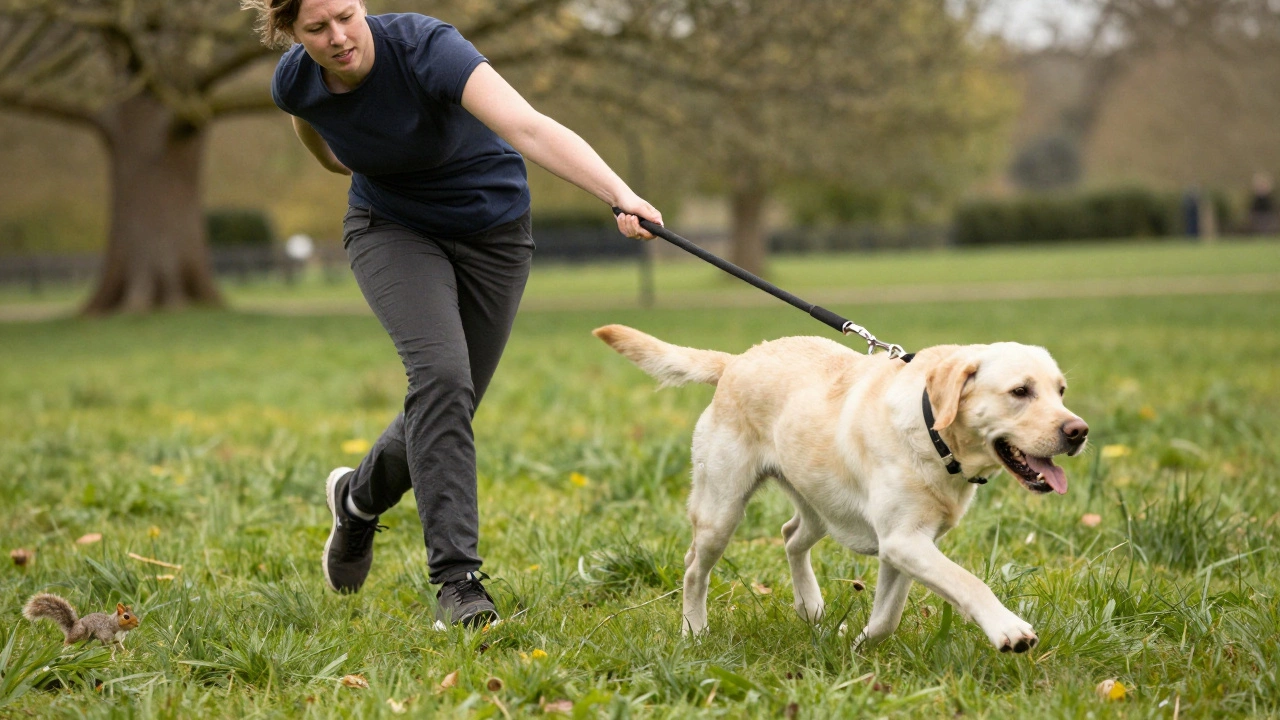
Canine Protein Intake: What Your Dog Really Needs
When it comes to canine protein intake, the amount and type of protein a dog needs to stay healthy and active. Also known as dog protein requirements, it's not just about feeding the most meat-heavy food on the shelf. Many owners think more protein equals better health, but that’s not always true. A healthy adult dog needs about 18-25% protein in their diet, depending on size, activity level, and age. Puppies, working dogs, or pregnant females may need more—up to 28-30%. But older dogs or those with kidney issues often do better with moderate protein, not high. Too much can strain organs, not build muscle.
Dog nutrition, the science of balancing food components to support a dog’s energy, growth, and immune system. Also known as canine dietary needs, it’s not just protein alone that matters. Protein works with fats, carbs, vitamins, and minerals. If your dog’s food is full of chicken but lacks omega-3s or zinc, they’ll still miss key nutrients. The best dog foods list real meat (like chicken, beef, or fish) as the first ingredient—not meat meal or by-products. And not all proteins are equal. Animal-based proteins like eggs, poultry, and fish are more digestible and complete than plant-based ones like soy or corn gluten. That’s why fish oil and wet food often show up in top-rated dog diets—they’re packed with usable protein and healthy fats.
Some owners turn to supplements thinking they’ll fix a protein gap, but most dogs eating balanced commercial food don’t need extra. In fact, unregulated protein powders or raw meat diets can cause imbalances or even poison your dog if not handled right. The real question isn’t "how much protein?" but "what kind, and for what purpose?"
What you’ll find below are real, no-fluff posts that cut through the noise. From fish oil and wet food guides to debates over supplements and protein sources, these articles show you exactly what works—and what doesn’t—for your dog’s daily meals. No theory. No marketing. Just clear, practical advice from owners and vets who’ve seen what happens when protein intake is off.
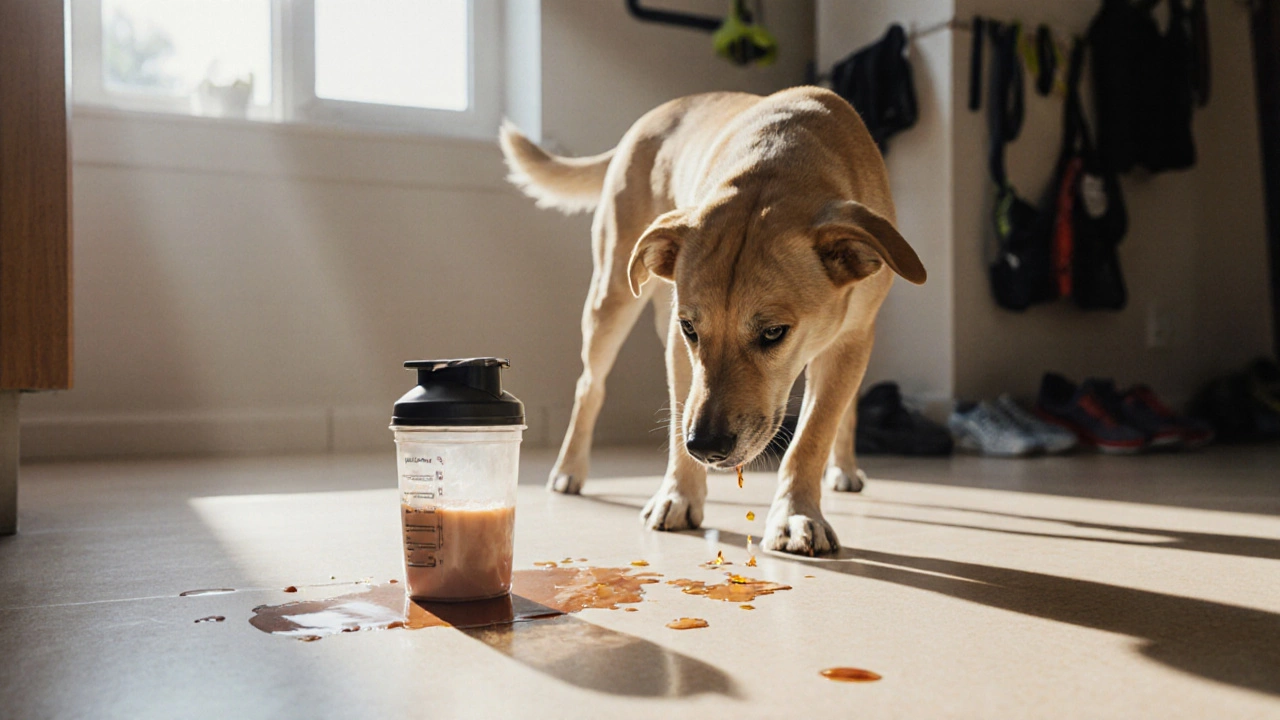
Are Protein Shakes Bad for Dogs? What Vet Experts Say
Protein shakes aren't safe for dogs. They often contain toxic ingredients like xylitol and can overload your dog's kidneys. Learn what to do if your dog drinks one and safer alternatives for boosting protein.
Popular posts