Cat Hydration Calculator
Many cat owners wonder if dry food is enough-especially when it’s convenient, affordable, and stays fresh longer. But can your cat really live on dry food alone? The short answer: dry food alone can keep your cat alive, but it won’t keep them thriving. And there’s a big difference between surviving and thriving when it comes to your cat’s health.
What’s in dry cat food?
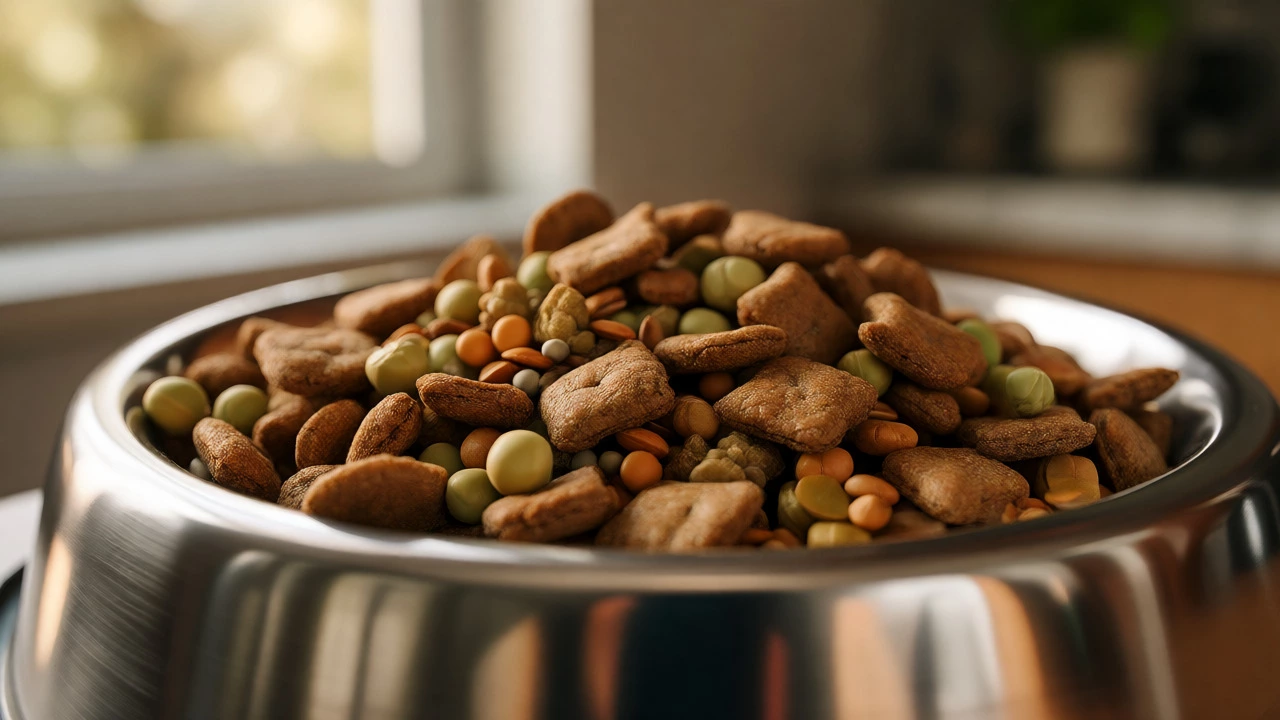
Dry cat food, or kibble, is mostly made of carbohydrates, proteins, and fats. The protein usually comes from meat meal, poultry by-product meal, or fish meal. The rest? Corn, wheat, rice, or potatoes. That’s not because those are ideal for cats-they’re not-but because they’re cheap fillers that help hold the kibble together.
Cats are obligate carnivores. That means their bodies evolved to get nutrients from animal tissue, not plants. Their digestive systems aren’t built to process large amounts of carbs. When you feed them dry food daily, they’re getting a diet that’s 60-70% carbs by weight. That’s like feeding a human a steady diet of bread and pasta with a tiny bit of chicken.
Hydration: The Silent Killer
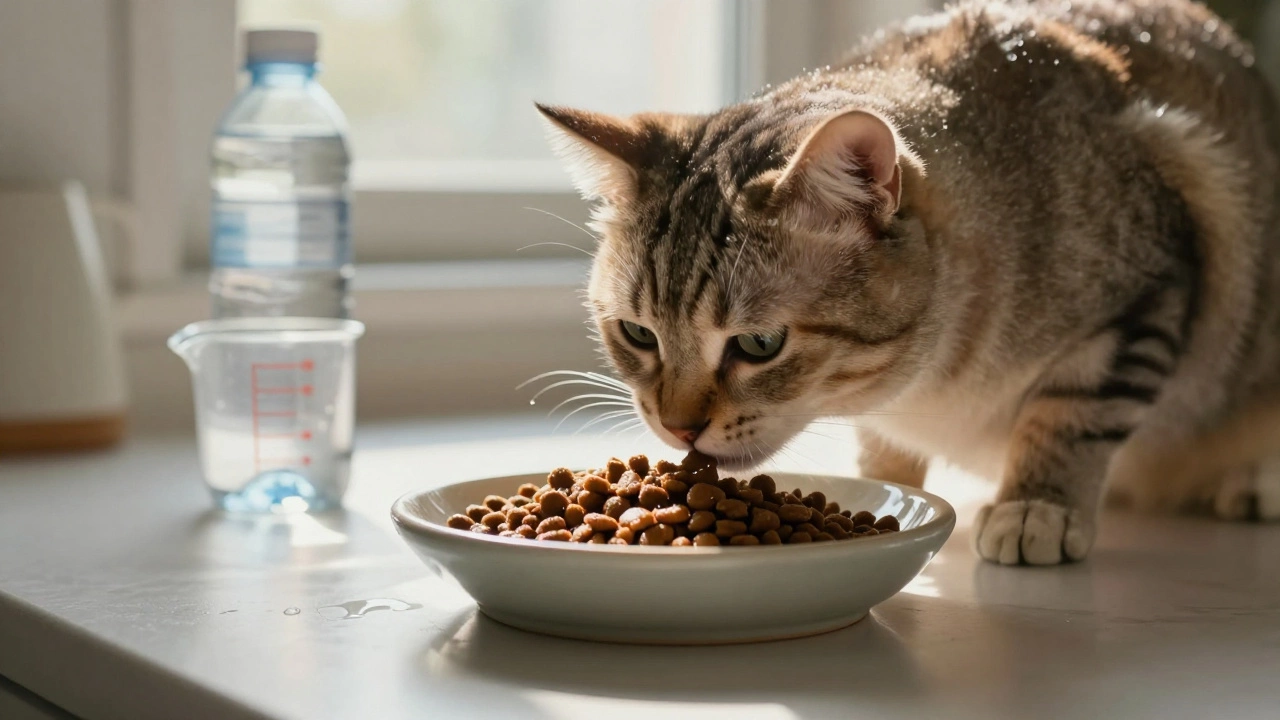
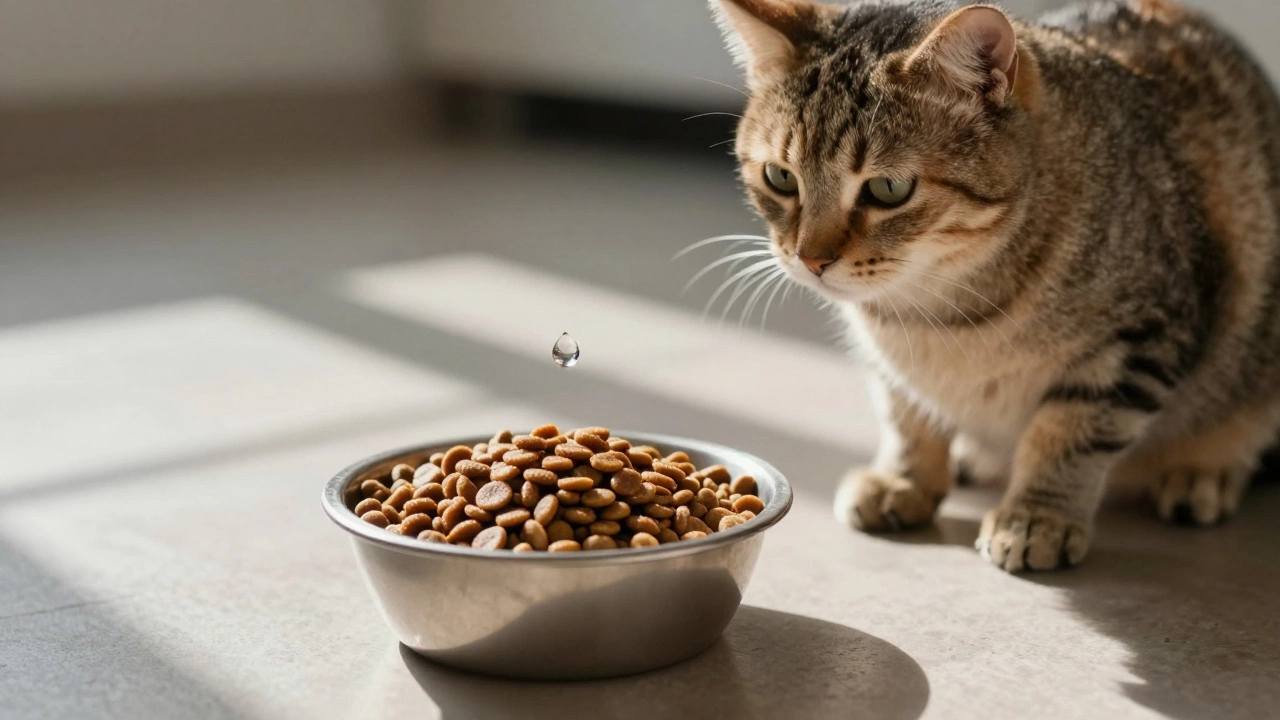
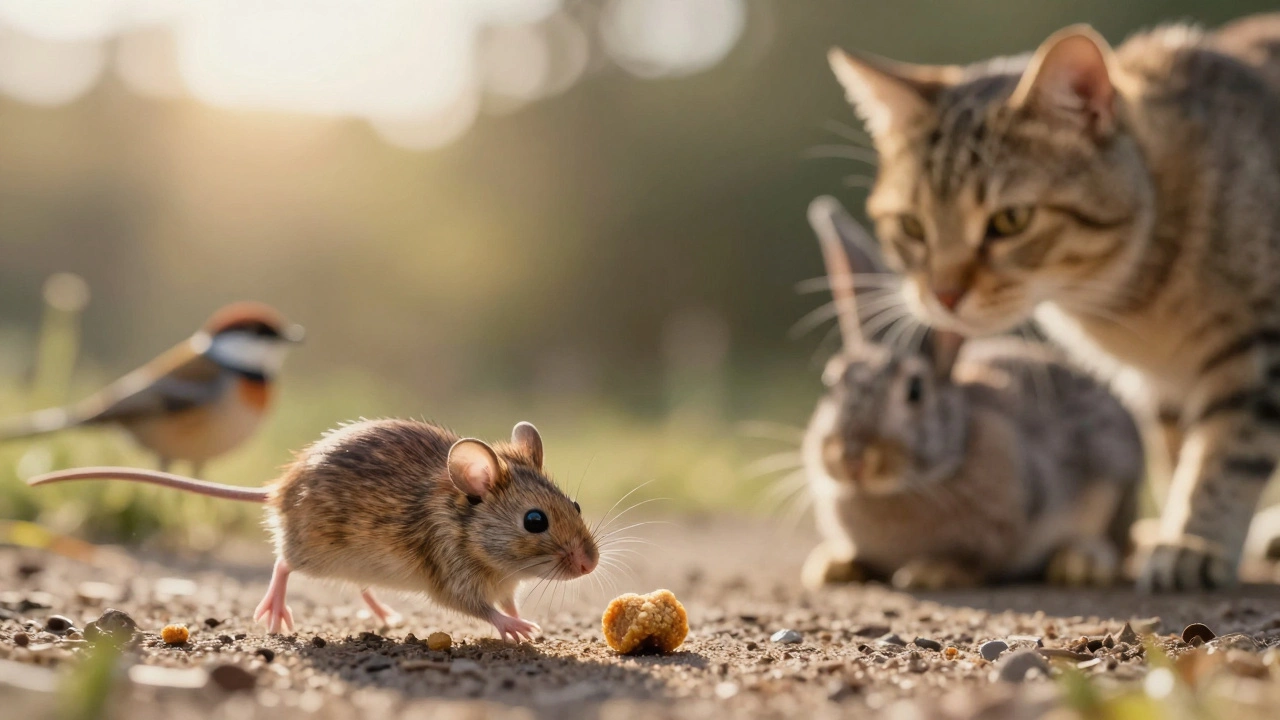
Cats have a weak thirst drive. In the wild, they get most of their water from prey-mice, birds, rabbits. Those animals are about 70% water. Dry food? It’s usually 8-10% water. That means your cat has to drink way more water than they naturally want to, just to stay hydrated.
Studies from the University of California, Davis, show that cats fed only dry food have significantly lower daily water intake than those eating wet food. Over time, this leads to concentrated urine. That’s a recipe for urinary crystals, bladder stones, and even life-threatening blockages-especially in male cats.
One vet in Bristol told me about a 4-year-old tabby that came in with a blocked urethra. The owner had been feeding dry food for two years. The cat didn’t drink much. The vet said: “It wasn’t the food itself that caused it. It was the lack of water the food forced the cat to avoid.”
Weight and Diabetes Risk
Carbs in dry food turn into sugar. Cats don’t need sugar. Their bodies don’t handle insulin spikes well. That’s why diabetes is one of the fastest-growing feline health problems. A 2023 study in the Journal of Feline Medicine and Surgery found that cats fed exclusively dry food were 2.6 times more likely to develop type 2 diabetes than those eating wet food.
Weight gain is another issue. Dry food is calorie-dense. One cup of kibble can have 350-500 calories. That’s a lot for a 10-pound cat. Many owners free-feed-leaving food out all day. Cats eat slowly, but they don’t stop. They don’t know when to say “enough.”
I’ve seen cats go from 8 pounds to 14 pounds in six months on dry food alone. Their owners didn’t realize how much they were eating. No one measured. No one tracked. Just a full bowl, every day.
What about dental health? Isn’t dry food better for teeth?
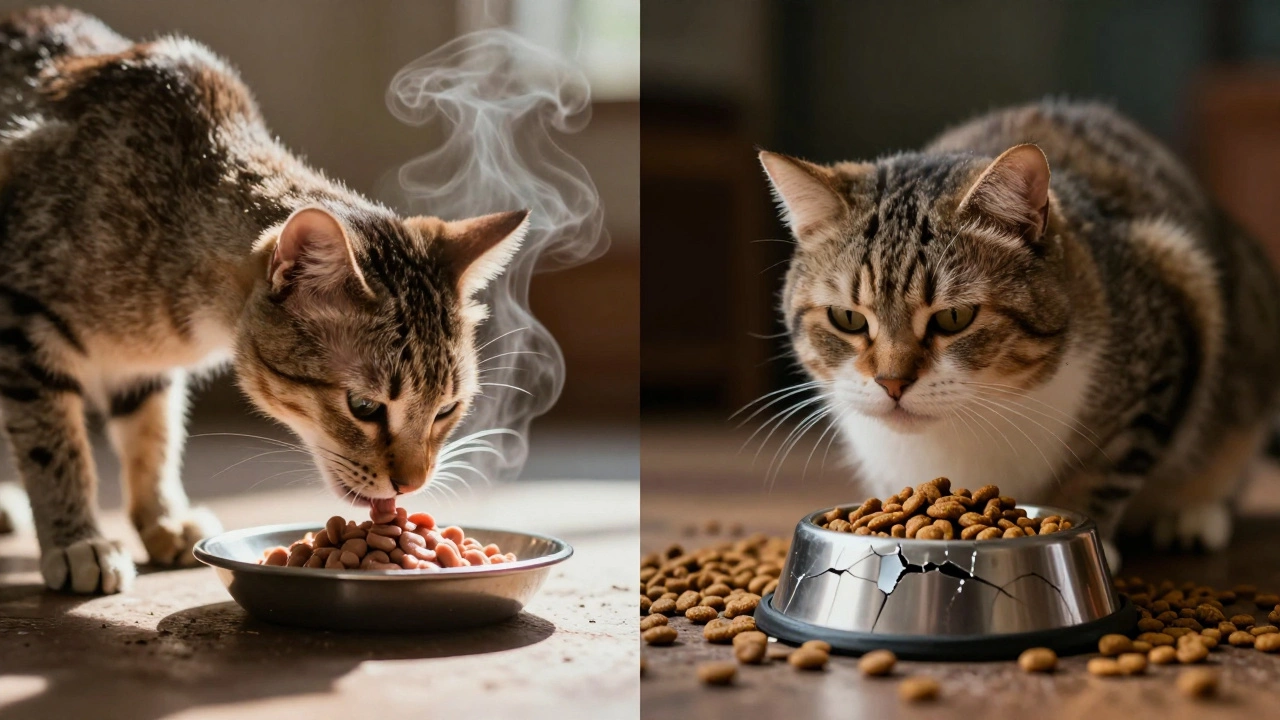
This is one of the biggest myths. People think crunchy kibble scrubs teeth clean. It doesn’t. Most kibble shatters on contact. It doesn’t scrape the gumline. It just gets swallowed. Dental disease in cats is almost always caused by plaque buildup-not lack of chewing.
There’s no strong evidence that dry food prevents tartar. The American Veterinary Dental College says the best way to keep teeth healthy is daily brushing, dental diets approved by the VOHC (Veterinary Oral Health Council), and professional cleanings. Not just any dry food.
What does a healthy cat diet look like?
A cat’s ideal diet should be:
- High in animal protein (at least 40% on a dry matter basis)
- Low in carbohydrates (under 10%)
- High in moisture (70-80% water)
- Rich in taurine, arginine, and arachidonic acid-nutrients cats can’t make on their own
Wet food naturally meets these needs. A 5.5-ounce can of wet food has about 78% water and 45% protein. That’s closer to what a mouse provides.
Some owners switch entirely to wet food. Others mix wet and dry. Both can work-but if you’re feeding dry food alone, you’re missing out on the most important part: hydration.
What if I can’t afford wet food?
Wet food isn’t always more expensive. Look at the cost per calorie, not per can. A 13-ounce bag of dry food might cost £12. A 6-pack of 5.5-ounce wet cans might cost £15. But that wet food has 4-5 times the water content and half the carbs.
Try this: feed one can of wet food per day, and use dry food only as a snack or for occasional meals. You’ll cut costs and improve health. Many vets recommend this hybrid approach.
Also, look for store brands. Brands like Purina One, Hill’s Science Diet, and Royal Canin have affordable wet options. Don’t assume “premium” means expensive. Sometimes the cheapest wet food has better ingredients than the priciest dry.
Signs your cat isn’t thriving on dry food alone
Watch for these red flags:
- Frequent urination or straining in the litter box
- Small, dark, or smelly urine clumps
- Weight gain or obesity
- Dull coat or excessive shedding
- Low energy, sleeping more than usual
- Bad breath or drooling
If you see even one of these, it’s time to rethink the diet. Don’t wait for a vet visit to confirm something’s wrong. Prevention is cheaper than emergency care.
How to transition safely
Switching from dry to wet food shouldn’t be rushed. Start by mixing a teaspoon of wet food into the dry. Gradually increase the wet portion over 7-10 days. Some cats resist. Be patient. Warm the wet food slightly-it smells more like prey.
Try different textures: pâté, chunks in gravy, or minced. Some cats prefer one over another. If your cat refuses wet food, try freeze-dried raw food. Rehydrate it with water. It’s closer to a natural diet than kibble.
Final verdict
Can your cat live on dry food alone? Technically, yes. But they won’t be healthy. They’ll be at higher risk for kidney disease, urinary blockages, obesity, and diabetes. The convenience of dry food shouldn’t outweigh the cost to your cat’s long-term health.
Feed wet food daily. Even just one can a day makes a difference. If you’re short on time, try a water fountain. It encourages drinking. But nothing replaces the water that comes with wet food.
Your cat didn’t evolve to eat kibble. They evolved to eat small prey. Give them what their body expects-not just what’s easiest for you.
Can kittens live on dry food alone?
No. Kittens have higher protein and moisture needs than adult cats. Dry food alone can lead to stunted growth, dehydration, and urinary issues. Feed them wet food at least twice daily, especially before 6 months of age. If you must use dry food, choose kitten-specific formulas and always provide fresh water.
Is grain-free dry food better for cats?
Not necessarily. Grain-free just means replaced with potatoes, peas, or lentils-still carbs. Cats don’t need grains, but they also don’t need legumes. The real issue isn’t grains-it’s the total carb content. Look for food with under 10% carbohydrates, regardless of whether it’s labeled “grain-free.”
How much water should a cat drink daily?
A healthy cat needs about 4-6 ounces (120-180 ml) of water per day. But if they’re eating dry food, they’ll need to drink all of it. If they’re eating wet food, they may drink little to nothing. That’s normal. The key is total water intake-not how much they drink from a bowl.
Can I make my own dry food for my cat?
It’s not recommended. Homemade dry food is hard to balance. Cats need precise levels of taurine, calcium, vitamin A, and other nutrients. Most homemade recipes miss key elements, leading to serious health problems. Stick to commercial foods that meet AAFCO standards unless under veterinary supervision.
What’s the best wet food brand?
There’s no single “best” brand. Look for food with meat as the first ingredient, no artificial additives, and low carbohydrate content (under 10%). Brands like Weruva, Tiki Cat, and Hill’s Science Diet have strong reputations. But even store brands like Friskies or 9Lives have decent options-just check the label.