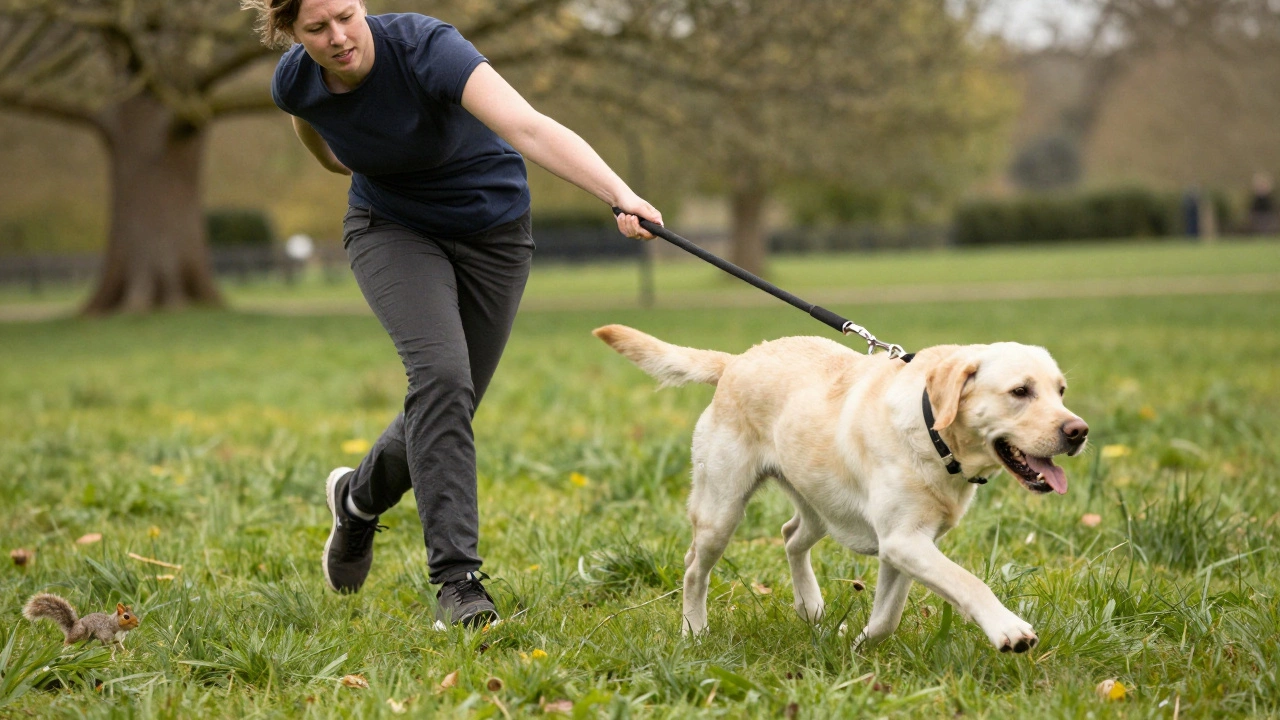
Dog Emotional Bond: How Connection Shapes Behavior and Health
When we talk about the dog emotional bond, the deep, reciprocal connection between a dog and their human that influences trust, stress levels, and overall well-being. This bond isn’t just about love—it’s a biological and behavioral reality that shapes how your dog thinks, acts, and feels every day. Studies show dogs release oxytocin—same hormone humans do when bonding—with their owners, not just strangers or other dogs. That’s why your dog stares at you while you eat, follows you from room to room, or sighs when you pet them. It’s not just attention-seeking. It’s attachment.
This bond affects everything: how your dog handles being left alone, how they react to vet visits, even how they respond to training. A dog with a strong emotional bond to their person is more likely to stay calm during grooming, listen to commands, and recover faster from stress. But if that bond is shaky—because of inconsistent routines, punishment-based training, or long periods of isolation—their behavior changes. They might hide after the groomer, refuse to eat when you’re away, or act out in ways that look like disobedience but are really anxiety. The dog stress, the physical and emotional strain caused by uncertainty, fear, or lack of connection you see in post-grooming trembling or nighttime accidents isn’t random. It’s a symptom of an unmet emotional need.
And it’s not just about being home all the time. It’s about quality presence. A dog doesn’t need you to sit with them for hours—they need you to be predictable. Feeding them at the same time, walking them when you say you will, ignoring them when they beg for attention but rewarding calm behavior—that’s how trust builds. The dog attachment, the secure emotional reliance a dog develops on a consistent, responsive caregiver forms through small, daily actions, not grand gestures. You can’t hug your way into their heart if you’re yelling at them for peeing inside. You can’t reward them with treats while leaving them alone for 12 hours straight. The bond requires balance: safety, routine, and emotional availability.
That’s why the posts below matter. They don’t just tell you what to do—they show you how the dog emotional bond connects to everything: crate training, feeding schedules, grooming shock, even the food you buy. A puppy peeing at night? It’s not defiance—it’s fear of being alone. A dog acting weird after the groomer? They’re not mad—they’re overwhelmed because their trust was tested. A dog refusing supplements? Maybe they sense the inconsistency in how you treat them. Every post here ties back to one truth: your dog’s behavior is a mirror of the bond you’ve built. And if you want to fix a problem, start by strengthening the connection.
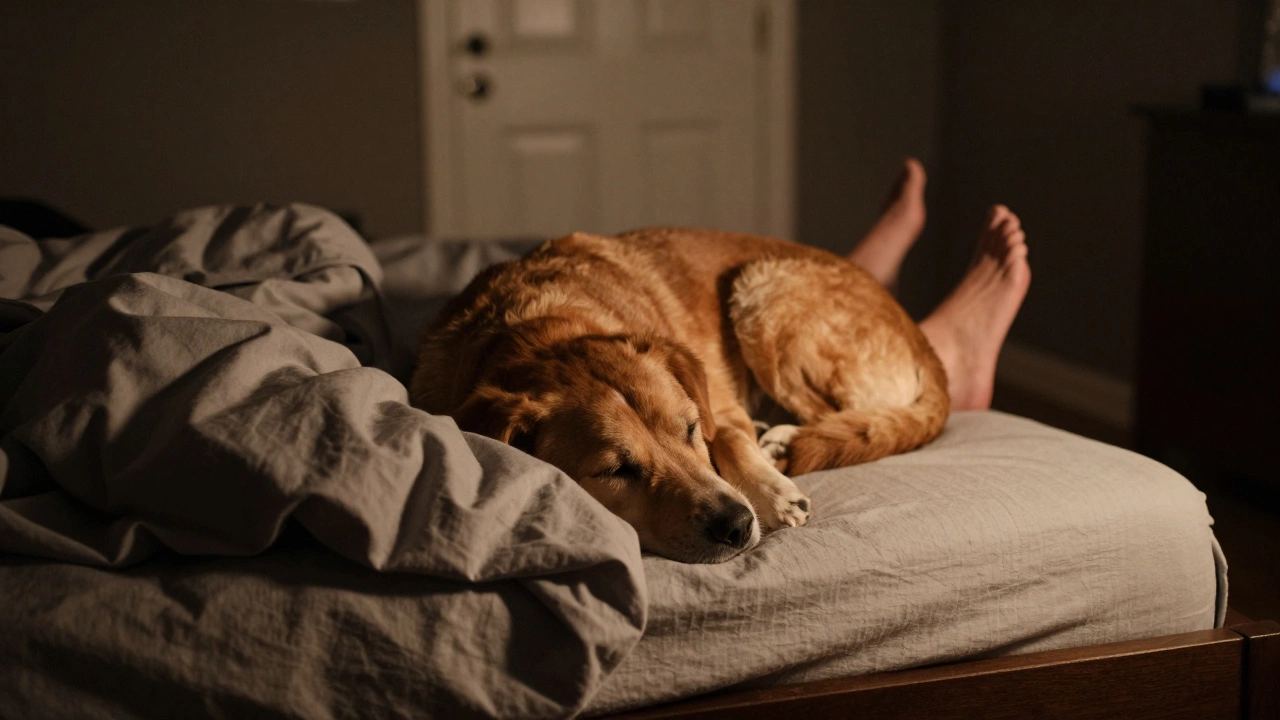
How Do You Know If Your Dog Is Bonded to You? 7 Clear Signs
Learn the 7 quiet, everyday signs your dog is truly bonded to you-not just attached to your routine. Real behaviors that prove emotional connection, backed by science and real dog owners.
Popular posts