
Dog Safety Harness: What You Need to Know for Walks, Car Rides, and Travel
When you think of a dog safety harness, a secure, padded strap system designed to protect a dog during movement, especially in vehicles or on walks. Also known as a pet seat belt, it’s not just a convenience—it’s a lifesaver. Too many dog owners wait until a sudden stop, a leap out of a moving car, or a panic during a storm to realize their dog had no real protection. A proper harness isn’t about control—it’s about keeping your dog from becoming a projectile or slipping free when it matters most.
A good dog car harness, a type of safety gear that attaches to the vehicle’s seat belt system to restrain a dog during travel works differently than a regular walking harness. It’s built to absorb impact, distribute force across the chest and shoulders, and stay locked in place. Brands that meet ASTM or Center for Pet Safety standards aren’t just marketing—they’ve been crash-tested. On the other hand, a dog harness for walking, a general-purpose control and comfort device used during outdoor activity might look similar, but it’s not designed for high-speed deceleration. Mixing them up can give you a false sense of security. If you drive with your dog in the back seat, you need a harness rated for vehicle use—not just one that looks cute or holds a leash.
It’s not just about cars. A safety harness matters on steep trails, near busy roads, or when your dog gets startled by fireworks or other dogs. Many of the stories we see about dogs running off after grooming or panicking at the vet? They were only on a collar or a loose walking harness. That’s like driving without a seat belt. The right harness gives you control without choking or restricting movement. It lets your dog breathe, move naturally, and still stay safely attached.
You don’t need the most expensive one. But you do need one that fits right. Measure your dog’s chest behind the front legs, check the weight limit, and make sure the buckles are sturdy—not flimsy plastic. Look for padding where the straps cross the shoulders. Avoid anything with dangling straps that could catch on branches or fences. And never use a harness that’s too big. A loose harness is worse than none at all—it can slip over the head in a panic.
What you’ll find in the posts below are real stories from owners who learned the hard way. From dogs who jumped out of cars because they weren’t harnessed, to ones who calmed down during grooming because they felt secure. You’ll see what works, what doesn’t, and how to pick the right one without falling for gimmicks. No fluff. No sales pitches. Just what you need to keep your dog safe—whether you’re driving to the vet, walking through town, or heading out for a hike.
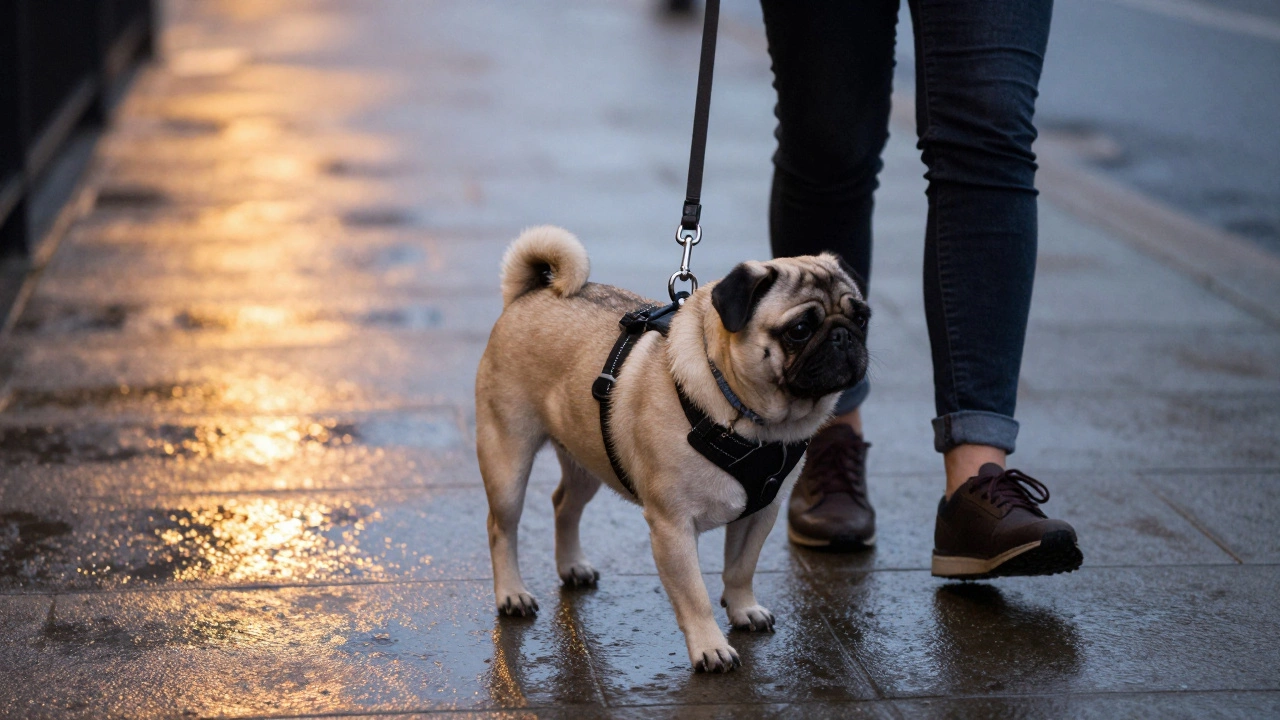
Is it better to walk a dog with a harness or collar?
Choosing between a dog harness and collar affects your dog's safety, comfort, and behavior. Learn why most vets recommend harnesses for walking and when a collar might still be useful.