Puppy Pees at Night: Why It Happens and What to Do
When your puppy pees at night, a common but stressful issue in early dog ownership where young dogs lack bladder control during sleep. Also known as nocturnal accidents, it’s not disobedience—it’s biology. Most puppies under 12 weeks old simply can’t hold it through the night, and their tiny bladders aren’t wired for long stretches without relief.
This problem connects directly to puppy sleep schedule, a structured daily rhythm that includes feeding, play, potty breaks, and rest. If your puppy’s last potty break was too early, or if they’re sleeping too far from their crate or potty area, accidents become likely. It also ties into puppy anxiety at night, fear or stress that can trigger urgent bathroom needs, especially after a big change like coming home for the first time. And don’t forget puppy bedtime routine, the consistent set of calm, predictable steps before sleep that help your puppy feel safe and know when it’s time to settle down.
Here’s the truth: you can’t train a 7-week-old puppy to sleep through the night like an adult dog. Their bodies aren’t ready. But you can set them up to succeed. Feed them their last meal at least 2 hours before bedtime. Take them out right before lights out—even if they don’t go, it builds the habit. Keep their sleeping area close to you, or at least near a door you can access easily. Use a crate if it’s comfortable for them, but never punish an accident. They’re not doing it on purpose.
Some owners think turning on a bright light or yelling will help. It won’t. It just scares them. Others try to limit water after dinner. That’s dangerous—dehydration harms puppies faster than you think. Instead, focus on timing, consistency, and patience. The goal isn’t to stop the accidents overnight—it’s to reduce them gradually as your puppy grows.
You’ll find real stories here from other owners who’ve been there. We’ve got posts on how to set up a nighttime routine that actually works, whether to leave a light on, what to do if your puppy cries, and how to tell if it’s a medical issue—not just a training problem. You’ll also see what vets say about using pee pads, how to recognize signs of a UTI, and why some puppies keep peeing even after months of training.
This isn’t about perfection. It’s about progress. Your puppy will grow out of this. But the way you handle it now shapes their confidence, their trust in you, and how they see nighttime for the rest of their life. Let’s get you the tools to make it easier—for both of you.
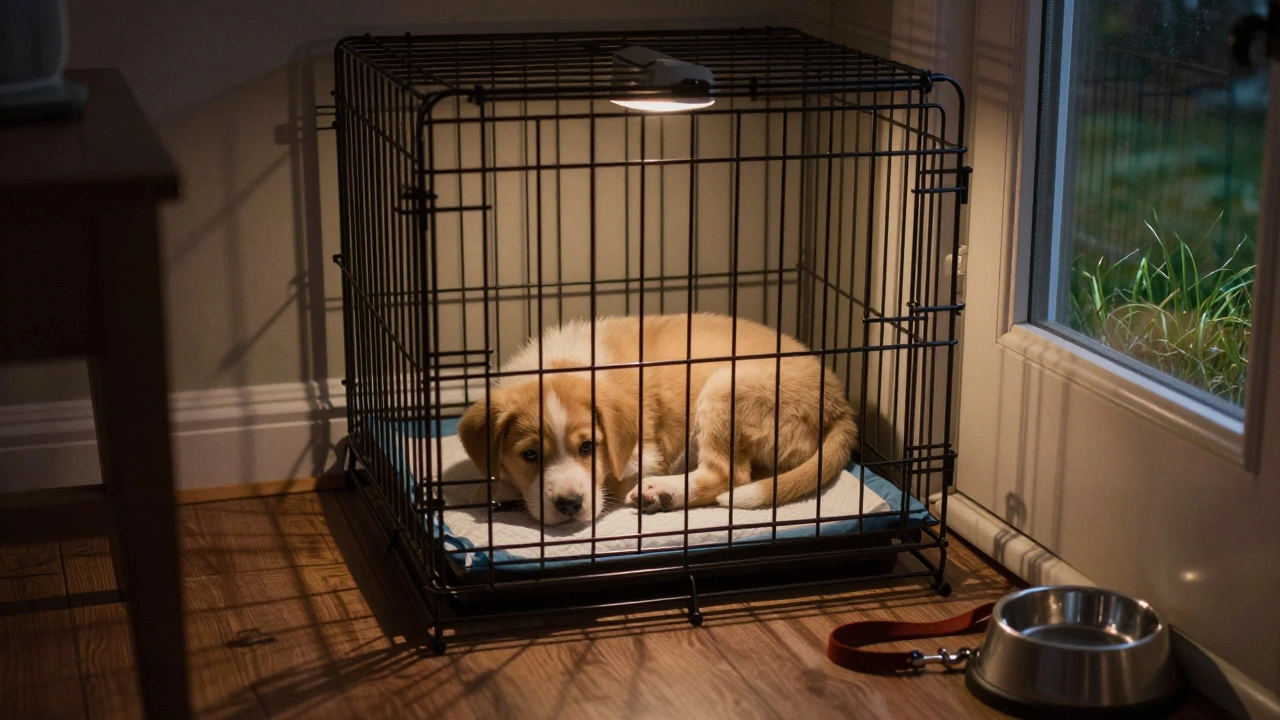
Will a Puppy Pee in a Crate at Night? Here’s What Really Happens
Most puppies can't hold their pee all night until they're 4-5 months old. Learn why accidents happen and how to train your puppy to sleep through the night without peeing in their crate.
Popular posts