
New Puppy Adjustment Planner
Week 1
DecompressionWeek 2
ExplorationWeek 3
BondingCurrent Phase: Decompression & Survival
Days 1-7: Building trust and establishing a baseline routine.
Bringing a new puppy home is equal parts joy and chaos. You’ve got the crate ready, the food bowls filled, and your heart full of hope. But then, reality hits. The barking starts at 3 AM. The accidents happen on the rug you just cleaned. And suddenly, you’re wondering if you made a huge mistake.
This is where the 7-7-7 rule comes in. It’s not a scientific law, but it is a practical framework used by many trainers and behaviorists to manage expectations during those critical first three weeks. Think of it as a roadmap for the emotional and behavioral turbulence that accompanies bringing a young dog into a new environment.
The First Seven Days: Decompression and Survival
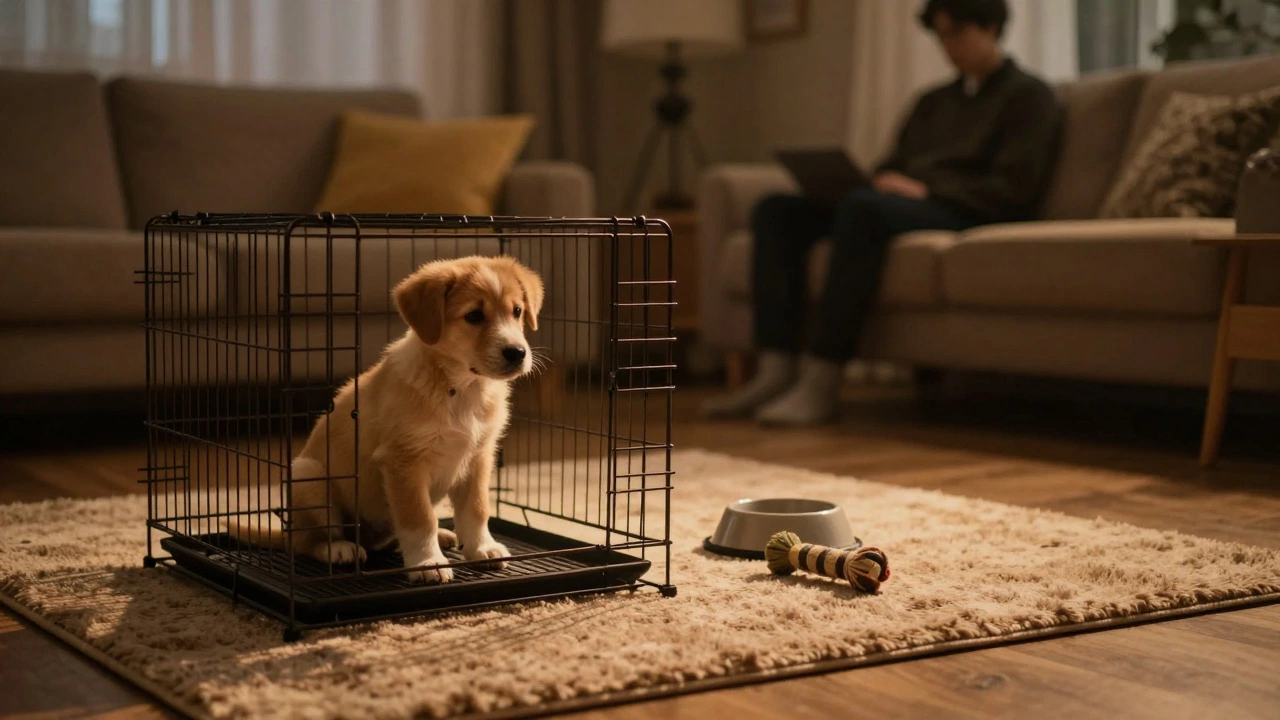
The first week is often called the "decompression phase." Your puppy has been ripped away from their mother and littermates, placed in a strange house, and surrounded by giant, loud humans who speak a language they don’t understand. Their primary goal right now isn’t to learn; it’s to survive and feel safe.
Here is what you should prioritize:
- Limited Exposure: Keep visitors to a minimum. Every new person or dog is a data point your puppy has to process. Too much data leads to overload.
- Basic Needs Only: Focus on feeding, potty breaks, and sleep. Don’t try to teach complex tricks like "roll over" yet.
- Crate Introduction: Make the crate a safe haven, not a prison. Feed meals inside it and leave the door open so they can explore voluntarily.
- Observe Body Language: Watch for signs of stress like lip licking, yawning, or hiding. If you see these, back off.
A common mistake owners make is trying to "socialize" aggressively in week one. They take the puppy to the park, introduce them to five other dogs, and invite friends over. This sets the puppy up for failure. Instead, keep the world small. Let the puppy come to you. When they choose to interact, reward them heavily with treats and calm praise.
The Second Seven Days: Exploration and Testing Boundaries
If week one was about survival, week two is about curiosity. Your puppy realizes that the big humans aren’t going to eat them. They start exploring the house, sniffing corners, and testing limits. This is when the chewing begins. That expensive leather sofa? It’s now a chew toy. Your shoes? Delicious.
This phase is crucial for establishing boundaries. The puppy is asking, "What are the rules here?" If you are inconsistent, they will never find the answer.
| Aspect | Week One (Decompression) | Week Two (Exploration) |
|---|---|---|
| Social Interaction | Minimal, family only | Controlled exposure to trusted guests |
| Training Focus | Name recognition, crate comfort | Potty consistency, bite inhibition |
| Environment | Restricted area (baby gates) | Gradual expansion of access |
| Behavioral Goal | Safety and trust | Boundary setting and routine |
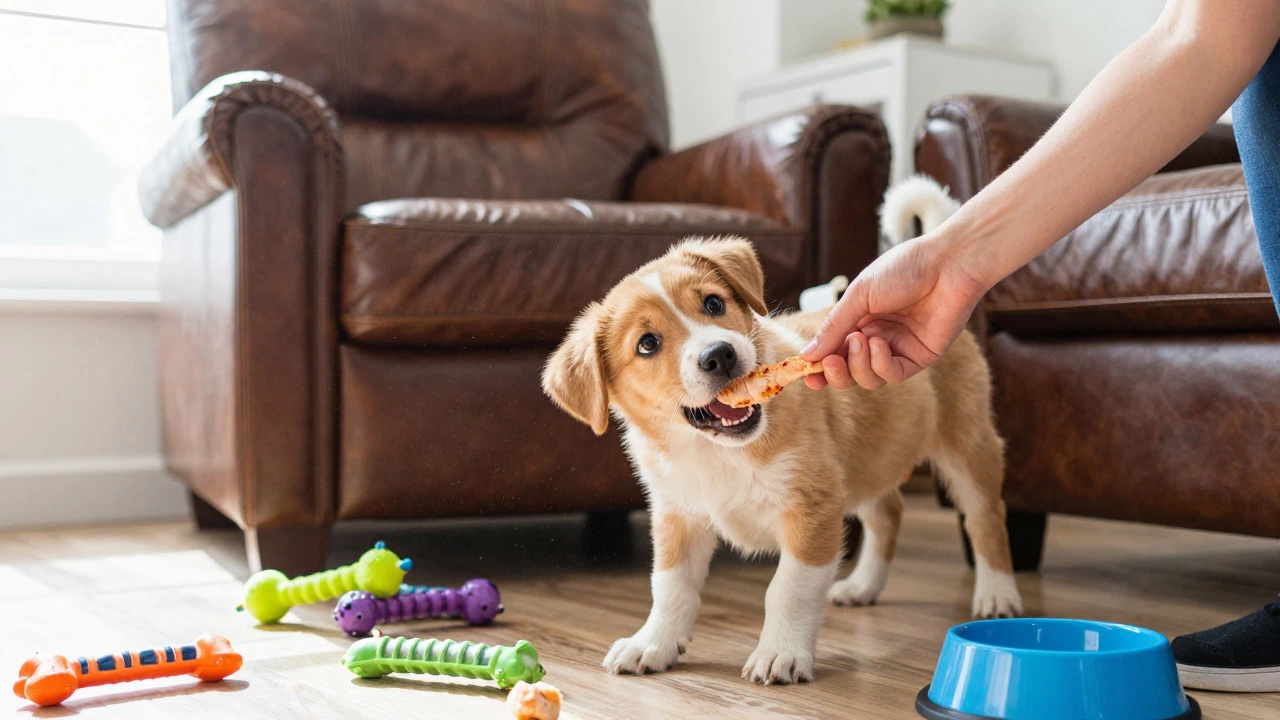
Start introducing simple commands like "sit" and "come," but keep sessions short-five minutes max. Puppies have attention spans measured in seconds. Use high-value treats like small pieces of chicken or cheese. Consistency is key. If jumping on people is okay today but bad tomorrow, the puppy learns nothing except confusion.
Potty training becomes more serious in week two. You’ll notice patterns. Most puppies need to go out after eating, sleeping, or playing. Take them out every two hours and immediately after any activity. When they succeed outside, celebrate wildly. When they fail inside, clean it up silently. No rubbing their nose in it. They won’t understand the connection.
The Third Seven Days: Bonding and Integration
By week three, the fog lifts. Your puppy starts to look like part of the family. They recognize your voice, anticipate walks, and maybe even sleep through the night. This is the bonding phase. The fear and uncertainty of the first two weeks give way to confidence and attachment.
This is when you can start expanding their world. Introduce them to different surfaces (grass, tile, carpet), sounds (vacuum cleaners, traffic), and environments (backyard, front yard). Keep these experiences positive. Pair new things with treats and play.
Separation anxiety often peaks around this time. The puppy realizes you leave and come back, but they don’t know if you’ll always come back. Start practicing short departures. Leave for five minutes, then ten, then thirty. Always make arrivals and departures boring. No big hugs when you leave, no fanfare when you return. This teaches them that alone time is normal and safe.
Continue reinforcing good behaviors. If they greet guests calmly, reward them. If they jump, turn your back until all four paws are on the floor. Positive reinforcement works best when it’s immediate and consistent.
Why the 7-7-7 Rule Works
The power of the 7-7-7 rule lies in its structure. It breaks down an overwhelming period into manageable chunks. Without it, owners often get frustrated when progress seems slow or non-existent. They compare their puppy to the neighbor’s well-behaved dog and wonder what they’re doing wrong.
But every puppy is different. Some adjust quickly; others take longer. The rule provides a timeline that accounts for individual variation. It reminds you that patience is not just a virtue-it’s a necessity.
Consider the analogy of moving to a new city. In the first week, you’re unpacking boxes and figuring out where the grocery store is. In the second week, you’re learning the bus routes and meeting neighbors. By the third week, you’re starting to feel at home. Your puppy goes through a similar process, just on a faster and more intense scale.

Common Pitfalls to Avoid
Even with the 7-7-7 rule, mistakes happen. Here are the most common ones:
- Rushing Socialization: Throwing the puppy into deep end too soon. Wait until they show confidence in their immediate environment before expanding.
- Inconsistent Rules: Allowing jumping on some days but not others. Pick your rules and stick to them.
- Neglecting Sleep: Puppies need 18-20 hours of sleep a day. An overtired puppy is a destructive puppy.
- Punishing Accidents: Yelling or punishing doesn’t teach where to go; it just teaches fear. Clean up and prevent next time.
- Ignoring Health Signs: Lethargy, loss of appetite, or persistent diarrhea warrant a vet visit, not more training.
Another pitfall is expecting perfection. Your puppy will still have bad days. They might regress after a walk or a vet visit. This is normal. Stick to the plan, stay calm, and keep moving forward.
Beyond the First Three Weeks
The 7-7-7 rule covers the initial adjustment period, but it’s not the end of the road. Training continues throughout your dog’s life. After week three, focus on advanced socialization, obedience classes, and enrichment activities.
Join a puppy kindergarten class if available. These classes provide controlled socialization with other vaccinated puppies and professional guidance. They’re invaluable for teaching appropriate dog-to-dog interactions.
Also, consider your long-term goals. Do you want a service dog? A competition dog? Or just a happy companion? Your training approach may vary based on these goals. For most owners, a well-mannered, confident pet is the aim. The foundation laid in the first three weeks supports this outcome.
Is the 7-7-7 rule scientifically proven?
No, the 7-7-7 rule is not a scientific theory backed by peer-reviewed studies. It is a heuristic-a practical rule of thumb developed by experienced dog trainers and behaviorists. While individual puppies may adjust faster or slower, the general pattern of decompression, exploration, and bonding holds true for most young dogs entering a new home.
Can I use the 7-7-7 rule for adult rescue dogs?
Yes, the principles apply to adult dogs too, though the timeline might differ. Adult rescues often have past trauma or established habits that require more patience. Some trainers recommend a 3-3-3 rule for adults: 3 days to decompress, 3 weeks to learn routines, and 3 months to fully bond. Adjust expectations based on the dog’s history.
What if my puppy is still anxious after three weeks?
Anxiety beyond three weeks isn’t uncommon, especially in sensitive breeds or dogs with difficult backgrounds. Continue with low-pressure routines, increase exercise and mental stimulation, and consult a certified professional dog trainer or veterinary behaviorist. Medication is rarely needed initially but can be helpful in severe cases under veterinary guidance.
How do I handle nighttime barking in the first week?
Place the crate near your bed so the puppy feels close to you. Use a white noise machine to mask household sounds. Before bedtime, ensure they’ve had a final potty break and some quiet play. If they bark, wait a few minutes to see if they settle. If not, take them out quietly for a potty break, then return them to the crate. Avoid rewarding barking with attention.
Should I let my puppy roam free in the house immediately?
No, restrict access using baby gates or crates initially. Full freedom leads to accidents, chewing hazards, and overwhelm. Gradually expand their territory as they demonstrate reliability with potty training and impulse control. This usually takes several weeks to months depending on the dog.