Dog Food Brand Match Finder
Precision & Breed
My dog has specific size/breed needs or I want the most tailored formula.
Health & Clinical
My dog has health issues, sensitive digestion, or requires therapeutic support.
Value & Variety
I want a reliable, affordable staple with good palatability for healthy dogs.
Your Recommended Brand
Why this fits your profile:
Alternative Options
Next Steps for Transition
- • Start mixing 25% new food with 75% old food for 2 days.
- • Increase to 50/50 for the next 2 days.
- • Move to 75% new food for the final 2 days before full switch.
- • Monitor stool quality closely during the 7-day process.
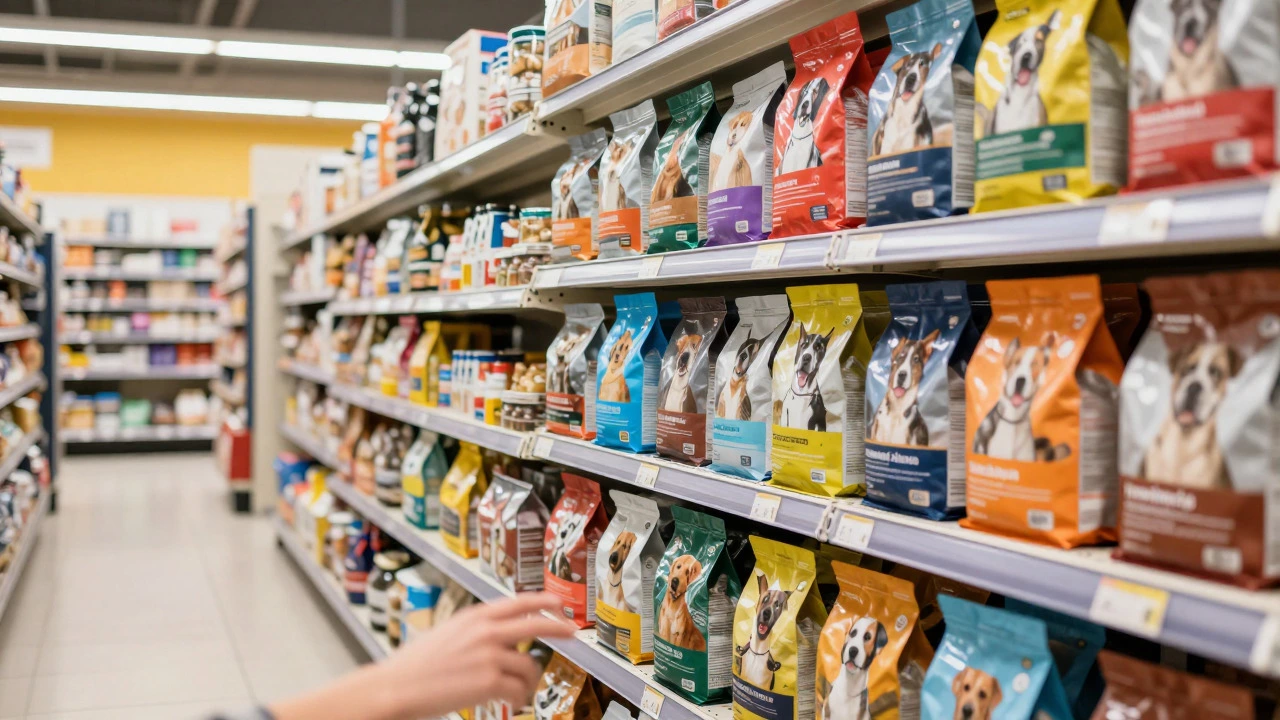
Walking down the pet aisle at your local supermarket or scrolling through online stores can feel overwhelming. With hundreds of options ranging from budget kibble to high-end fresh meals, how do you know which brand actually delivers on its promises? If you are looking for the most reliable names that veterinarians and pet owners consistently trust, the answer usually narrows down to three major players: Royal Canin, a French company known for specialized veterinary diets and breed-specific formulas., Hill's Science Diet, an American brand with a strong focus on clinical research and digestive health., and Purina Pro Plan, a globally recognized name offering balanced nutrition across various life stages.. These three brands dominate the market not just because of marketing budgets, but because they back their products with decades of nutritional science.
Why These Three Brands Stand Out
Choosing dog food isn't just about what your dog likes; it's about long-term health. The top three brands share a common trait: they invest heavily in research and development. Unlike smaller boutique brands that might rely on trendy ingredients without rigorous testing, these giants have access to large-scale studies. This means their formulations are more likely to meet the strict standards set by organizations like the Association of American Feed Control Officials (AAFCO) or the Federation of European Companion Animal Manufacturers (FEDIAF). For a dog owner in the UK, this reliability is crucial. You want a food source that supports joint health, skin condition, and energy levels without hidden fillers or inconsistent quality control.
However, "top" doesn't always mean "best for every dog." A senior Labrador might need something very different from a young Border Collie. That's why understanding the specific strengths of each brand matters. Let's break down what makes each of these three stand out in the crowded landscape of pet nutrition.
Royal Canin: Precision Nutrition for Specific Needs
Royal Canin has built its reputation on one core idea: one size does not fit all. Founded in France in 1968, the company pioneered the concept of breed-specific and life-stage-specific diets. If you own a Poodle, a Dachshund, or a Great Dane, there is likely a specific formula designed for that exact body shape and metabolic profile. This level of granularity is rare in the industry. For example, their formulas for small breeds often feature smaller kibble sizes to accommodate narrow jaws, while large breed formulas adjust calcium and phosphorus ratios to support bone growth without causing skeletal issues.
One of the standout features of Royal Canin is their partnership with veterinarians. Many vet clinics stock Royal Canin as their primary recommendation for therapeutic needs, such as weight management, renal support, or gastrointestinal sensitivities. This isn't just a sales tactic; it reflects a deep integration into professional medical practice. If your dog has a diagnosed health condition, Royal Canin often provides the most targeted solution available on the commercial market. However, some pet owners find the pricing higher than average, especially for the specialized lines. It’s a trade-off between cost and precision.
Hill's Science Diet: The Clinical Choice
Hill's Science Diet takes a slightly different approach. While they also offer breed-specific options, their brand identity is deeply rooted in clinical trials and evidence-based nutrition. The brand emphasizes "science-driven" solutions, meaning every ingredient choice is backed by peer-reviewed data. This makes them a go-to for many vets when dealing with complex health issues like urinary tract problems or heart disease. Their "Prescription Diet" line is particularly renowned in the veterinary community for managing chronic conditions.
For everyday maintenance, Hill's offers robust options like their "Adult 7+" or "Puppy" ranges. These formulas typically use high-quality protein sources like chicken or lamb, combined with prebiotics and probiotics to support gut health. One key attribute here is consistency. Hill's maintains strict quality controls to ensure that the nutrient profile remains stable batch after batch. For dogs with sensitive stomachs who react poorly to sudden changes in diet, this stability is a huge plus. The downside? Some owners report that the kibble texture is harder than competitors', which might be an issue for older dogs with dental problems unless softened with water.

Purina Pro Plan: Balanced Value and Variety
Purina Pro Plan occupies a unique space in the market. As part of the Nestlé Purina PetCare group, it benefits from massive global supply chains and extensive research facilities. What sets Purina apart for many consumers is the balance between premium quality and accessibility. They offer a wide range of products, from dry kibble to wet food and even raw-style options, making it easier to mix and match based on your dog's preferences. Their "SmartBlend" technology, which combines extruded kibble with a liquid coating, is designed to enhance palatability without sacrificing nutritional density.
Purina Pro Plan is often seen as the "all-rounder." It might not have the hyper-specialized niche focus of Royal Canin or the intense clinical prestige of Hill's, but it delivers solid, consistent nutrition at a price point that is generally more affordable. This makes it an excellent choice for multi-dog households or for owners who want a reliable daily staple without breaking the bank. The brand has also made significant strides in sustainability, focusing on reducing carbon footprints in production, which appeals to environmentally conscious pet parents in the UK.
Comparison: Which Brand Fits Your Dog?
To help you decide, let's look at how these three stack up against each other in key areas. There is no single "winner" here; the best choice depends entirely on your dog's specific needs, age, and your budget.
| Feature | Royal Canin | Hill's Science Diet | Purina Pro Plan |
|---|---|---|---|
| Primary Strength | Breed/Life-stage specificity | Clinical research & therapeutic diets | Value, variety & palatability |
| Ideal For | Dogs with specific breed needs or vet-recommended plans | Dogs with health conditions or sensitive digestion | Healthy adult dogs & multi-pet households |
| Price Range | Premium to High | Premium | Mid-range to Premium |
| Key Ingredient Focus | Tailored amino acid profiles | Prebiotics & clinically proven nutrients | SmartBlend technology & omega fatty acids |
| Veterinary Availability | High (Therapeutic lines) | Very High (Prescription lines) | Moderate (Retail focus) |
Factors Beyond the Brand Name
While these three brands are leaders, you should still read the label carefully. Look for a named meat source (e.g., "chicken") rather than vague terms like "meat meal" if your dog has allergies. Check the guaranteed analysis for protein and fat percentages to ensure they align with your dog's activity level. An active working dog needs more calories and protein than a couch potato pug. Also, consider the transition period. Switching from one brand to another should take at least seven days, mixing old and new food gradually to avoid gastrointestinal upset. Sudden changes can lead to vomiting or diarrhea, even with high-quality foods.
Another critical factor is freshness. Kibble has a shelf life, usually around 12-18 months from manufacture. Always check the "best before" date on the bag. Once opened, try to finish the bag within 4-6 weeks to prevent oxidation of fats, which can reduce nutritional value and create off-flavors. Storing kibble in airtight containers away from heat and light helps preserve quality.
Frequently Asked Questions
Is Royal Canin better than Hill's Science Diet?
Neither is universally "better." Royal Canin excels in breed-specific customization, making it ideal if you want a formula tailored to your dog's exact size and type. Hill's Science Diet is often preferred for its clinical backing and therapeutic options, particularly for dogs with existing health issues. Choose Royal Canin for precise lifestyle matching and Hill's for medical-grade confidence.
Are these brands suitable for puppies?
Yes, all three brands offer dedicated puppy formulas. Royal Canin has specific lines for small, medium, and large breed puppies. Hill's offers puppy diets focused on brain and immune system development. Purina Pro Plan has puppy ranges that support growth with DHA and omega fatty acids. Always select the formula corresponding to your dog's expected adult size to avoid skeletal issues.
How much do these dog foods cost in the UK?
Prices vary by region and retailer, but generally, Purina Pro Plan is the most affordable of the three, often starting around £0.50 per 100g. Hill's Science Diet sits in the mid-premium range, typically costing between £0.60 and £0.80 per 100g. Royal Canin is usually the most expensive, with prices often exceeding £0.80 per 100g, especially for specialized therapeutic diets. Buying larger bags online can reduce the per-unit cost significantly.
Can I switch between these brands freely?
You can, but you must do so gradually. Abruptly switching from one brand to another can cause digestive distress due to differences in ingredient composition and fiber content. A standard transition plan involves mixing 25% new food with 75% old food for two days, then 50/50 for two days, followed by 75% new for two days, before fully switching over. Monitor your dog's stool quality during this process.
Do these brands use artificial preservatives?
Most modern formulations from these top brands use natural preservatives like Vitamin E (tocopherols) and rosemary extract, though some lower-cost lines may still include BHA/BHT. Always check the ingredient list on the specific bag you are buying. The trend in the UK market has moved strongly toward natural preservation methods to appeal to health-conscious owners.