Let's be clear: there isn't just one "most unhealthy" food. Depending on your dog's size and health, a single raisin could be as devastating as a large chunk of dark chocolate. The goal isn't to make you paranoid, but to give you a concrete list of what needs to stay off the floor and out of the treat jar.
The Absolute Red List: Immediate Danger
Some foods act as fast-acting toxins. These aren't just "unhealthy" in the way a sugary treat is; they are biologically incompatible with canine systems.
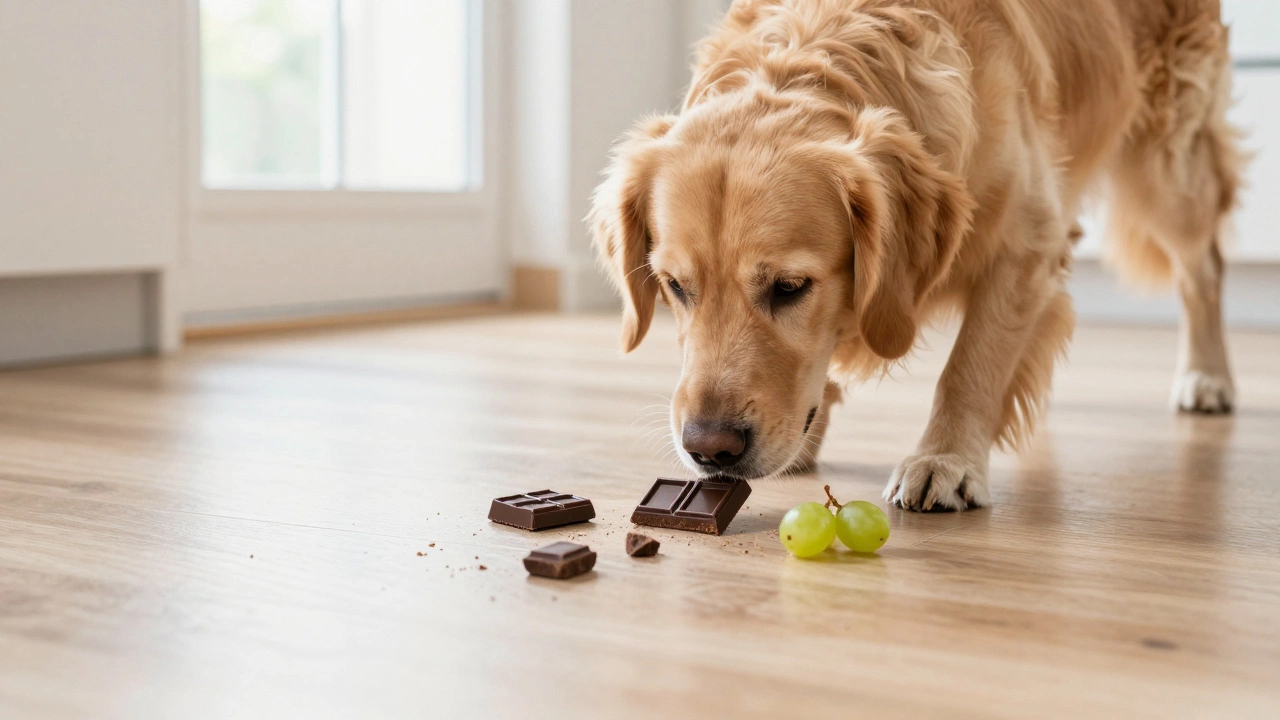
Chocolate is a well-known toxic substance for dogs containing theobromine and caffeine. Theobromine is a methylxanthine that stimulates the central nervous system. While a tiny bit of milk chocolate might just cause hyperactivity, dark chocolate or cocoa powder is far more concentrated and can lead to seizures or heart failure. The risk increases based on the fat content and the percentage of cocoa.
Xylitol is an artificial sweetener found in sugar-free gum, some peanut butters, and light syrups. This is perhaps the most deceptive danger. Xylitol causes a massive release of insulin in dogs, leading to a sudden drop in blood sugar (hypoglycemia). Within 30 minutes, a dog might become lethargic or shaky; within hours, they could suffer liver failure. Always check the label on "natural" peanut butters for this ingredient.
Grapes and Raisins are fruits that can cause acute kidney failure in dogs. Interestingly, the exact toxin isn't fully understood, but recent research suggests tartaric acid may be the culprit. Unlike some toxins, there is no "safe" dose here. Some dogs eat a handful with no effect, while others go into renal failure after just two grapes.
| Food Item | Primary Toxin | Main Risk | Urgency |
|---|---|---|---|
| Chocolate | Theobromine | Cardiac arrest / Seizures | High |
| Xylitol | Sugar substitute | Liver failure / Hypoglycemia | Critical |
| Grapes | Tartaric Acid | Acute Kidney Failure | High |
| Onions/Garlic | N-propyl disulfide | Hemolytic Anemia | Medium/High |
| Macadamia Nuts | Unknown lipid | Weakness / Hyperthermia | Medium |
The Slow Burn: Foods That Cause Long-Term Damage
Not every dangerous food causes an immediate crisis. Some work quietly over time, wearing down organs or changing blood chemistry.
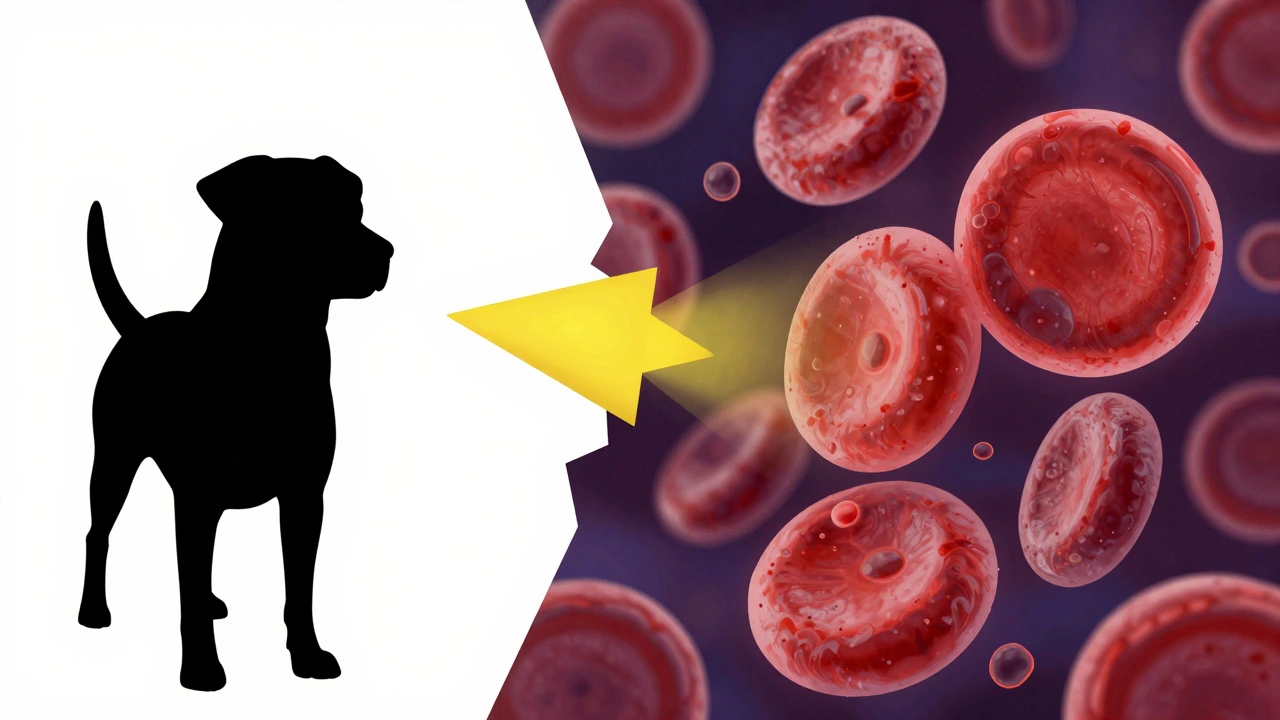
Onions and Garlic belong to the Allium family. They contain compounds that damage a dog's red blood cells, specifically causing oxidative damage to hemoglobin. This leads to hemolytic anemia, where the body destroys its own red blood cells. While a tiny bit of onion powder in a processed treat might not be an emergency, feeding them raw or cooked onions regularly is a recipe for disaster.
Then there are Macadamia Nuts. These are particularly potent for dogs. Ingesting them can lead to "macadamia nut toxicosis," characterized by vomiting, tremors, and loss of coordination. While not always fatal, the physical distress is significant and requires veterinary intervention to manage the symptoms.
We should also talk about Avocado. While the high fat content can lead to pancreatitis, the real concern is a toxin called persin. In dogs, persin is less dangerous than it is for birds or horses, but the pit is a massive choking hazard and can cause an intestinal blockage that requires surgery.
The "Hidden" Unhealthy Foods
Beyond the toxins, there are foods that aren't strictly poisonous but are unhealthy food for dogs because they disrupt the digestive system and contribute to obesity or chronic illness.
High-salt snacks are a major culprit. Excess sodium can lead to salt poisoning or high blood pressure. Imagine a dog eating a bag of salty potato chips; the resulting thirst is intense, and the strain on the kidneys is significant. This is especially dangerous for dogs with pre-existing heart or kidney issues.
Processed sugars are another hidden danger. While a bit of fruit is okay, refined sugar leads to weight gain, tooth decay, and diabetes. Many "human" treats are packed with corn syrup, which provides zero nutritional value and spikes insulin levels, potentially leading to metabolic syndrome in smaller breeds.
Dairy products are a gamble. Many dogs are lactose intolerant. While a piece of cheese might be a hit, a bowl of milk can cause severe diarrhea and bloating. The high fat in butter and heavy cream can trigger pancreatitis, an inflammation of the pancreas that causes severe abdominal pain and requires hospitalization.
How to Handle a Poisoning Emergency
If you suspect your dog has eaten something from the red list, your reaction time matters. Don't wait for symptoms to appear, as some toxins take hours to affect the organs.
- Identify the substance: Find the packaging or the exact item they ate. Note the amount and the time it happened.
- Remove remaining food: If they are still eating it, get the item away from them immediately.
- Call the vet or a pet poison hotline: Tell them your dog's weight and the substance. This allows the vet to calculate the toxic dose.
- Do NOT induce vomiting unless told to: Some substances can cause more damage if they come back up the esophagus, or the dog might inhale the vomit into their lungs.
Veterinary clinics usually treat these cases with activated charcoal to bind the toxins in the gut, or intravenous fluids to flush the kidneys and liver. The faster the intervention, the higher the chance of a full recovery.
Safe Alternatives for Your Dog
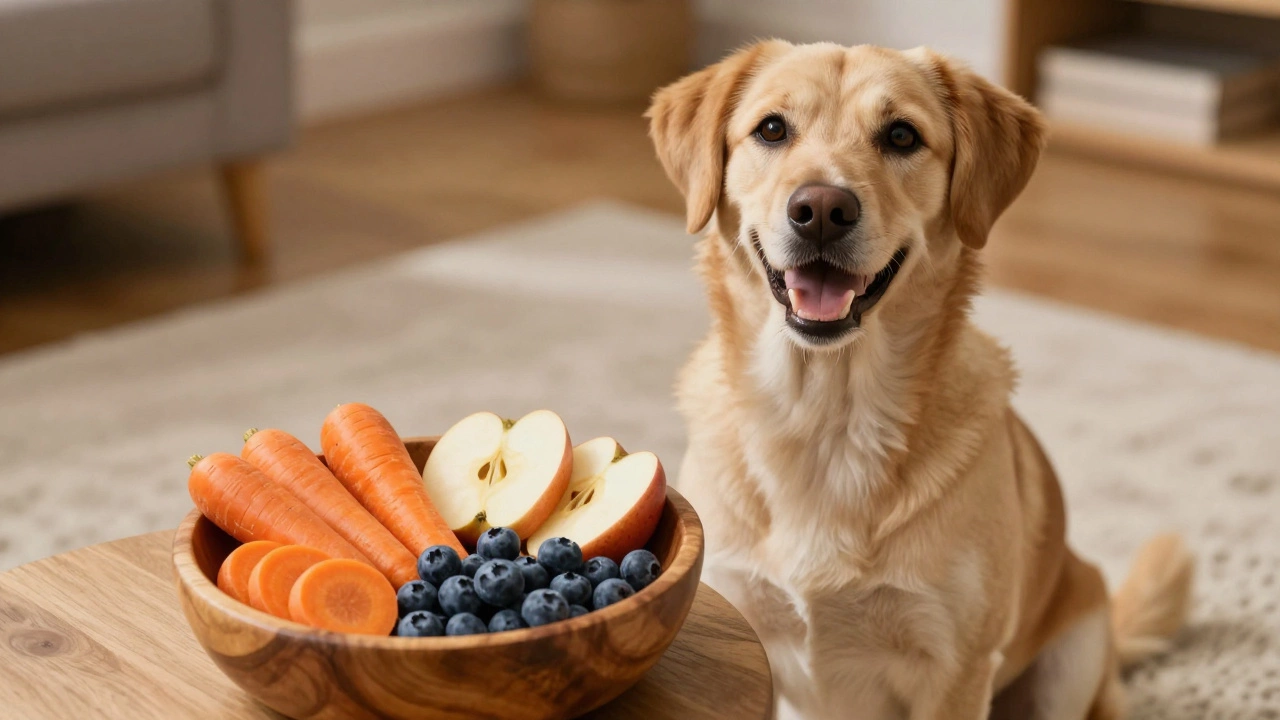
You don't have to stop giving your dog treats; you just need to swap the dangerous stuff for safe, nutrient-dense options. If your dog is craving something crunchy, try dehydrated sweet potato or sliced carrots. If they want something sweet, a few blueberries or a slice of apple (without the seeds) is a great choice.
For a "special" treat, plain cooked pumpkin (not the pie filling) is fantastic for digestion and satisfies that craving for something rich. Just remember to avoid anything with added salt or sugar. The simplest ingredients are usually the safest.
Can dogs eat small amounts of chocolate?
While a tiny lick of milk chocolate might not kill a large dog, it's never recommended. Theobromine accumulates in the system, and dark chocolate is significantly more toxic. It is better to avoid it entirely to prevent accidental over-ingestion.
What happens if my dog eats a grape?
Grapes can cause sudden kidney failure. Because dogs react differently, some may show no symptoms, while others may stop urinating, vomit, or become lethargic. You should contact a vet immediately regardless of the dog's size.
Is peanut butter safe for dogs?
Most peanut butter is safe, but you must check the ingredients for Xylitol, an artificial sweetener that is extremely toxic to dogs. Stick to natural versions with only peanuts and salt.
Can dogs eat onions or garlic powder?
Yes, and powder is often more concentrated than fresh onions. Both can cause hemolytic anemia by destroying red blood cells. Avoid giving dogs any food containing these ingredients.
What are the signs of food poisoning in dogs?
Common signs include sudden vomiting, diarrhea, shaking, seizures, extreme lethargy, or a change in gum color (pale or bluish). If you notice any of these after they've eaten human food, head to the vet.
Next Steps for Pet Parents
To keep your home safe, start by moving your "danger foods" to high shelves or airtight containers. Keep a list of your local emergency vet and a pet poison control number saved in your phone. If you're unsure about a new treat, a quick search for the ingredient on a veterinary database is always a smart move. Your dog's health is mostly about what you *don't* feed them.