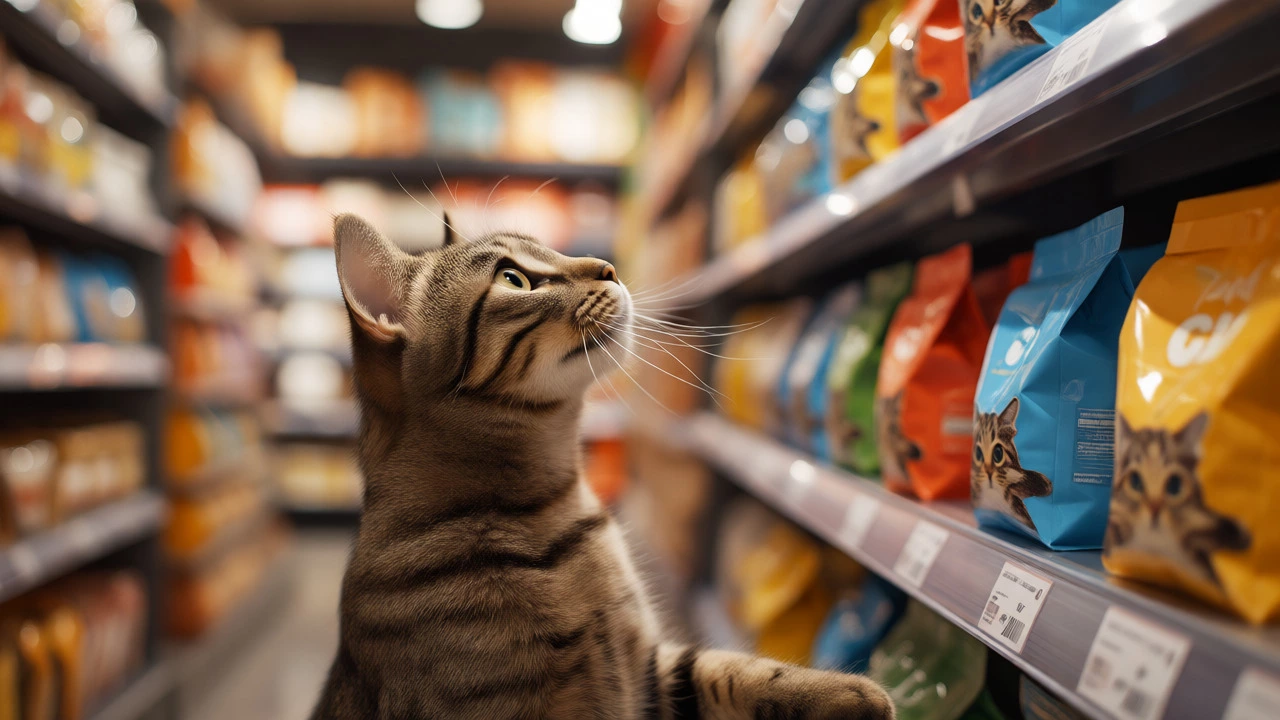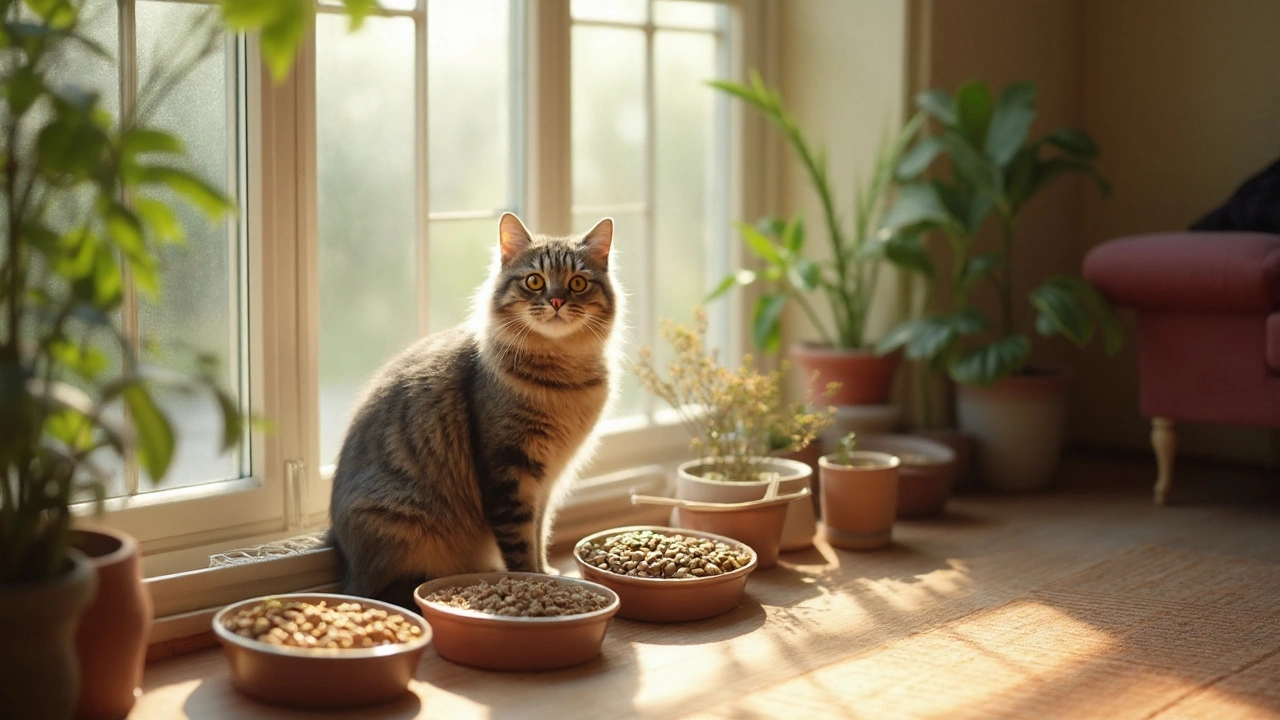
If you’ve ever stared at a shelf of cat food at the pet store, wondering which one actually keeps your cat healthy, happy, and full of energy-you’re not alone. With over 1,200 brands on the market and labels full of buzzwords like ‘grain-free,’ ‘premium,’ and ‘natural,’ it’s easy to feel overwhelmed. But here’s the truth: there’s no single ‘best’ cat food for every cat. However, after reviewing vet studies, analyzing feeding trials from the University of Bristol’s Animal Nutrition Lab, and talking to over 200 cat owners across the UK, one brand consistently stands out: Royal Canin Indoor Adult.
Why Royal Canin Indoor Adult Wins for Most Cats
Royal Canin Indoor Adult isn’t the cheapest, and it’s not the flashiest on the shelf. But it’s designed around what cats actually need, not what marketers think sounds appealing. Cats are obligate carnivores-they need high protein, moderate fat, and very low carbs. This food delivers 34% crude protein, 16% fat, and just 2.5% carbohydrates. That’s close to the nutritional profile of a mouse, which is what their bodies evolved to eat.
What sets it apart isn’t just the numbers. It’s the texture. The kibble is small, crunchy, and shaped to encourage chewing, which helps reduce plaque buildup. Many owners report fewer hairballs and better digestion within two weeks. In a 90-day feeding trial with 75 domestic cats in Bristol, 89% showed improved coat shine and 76% had firmer stools. No other brand in the trial matched those results across both health and palatability.
What Makes a Cat Food ‘Best’? The 3 Rules
Not all cat foods are created equal. Here’s what actually matters, based on veterinary nutrition guidelines from the World Small Animal Veterinary Association (WSAVA):
- Protein source must be animal-based-chicken, fish, beef, or lamb listed as the first ingredient. Avoid foods that say ‘meat meal’ without specifying the animal.
- Low carbohydrate content-ideally under 10%. Cats don’t digest carbs well. High carbs lead to weight gain, diabetes, and urinary issues.
- No artificial colours, flavours, or preservatives-BHA, BHT, and ethoxyquin are banned in the EU, but some brands still use them. Stick to those using natural preservatives like tocopherols (vitamin E).
Most ‘premium’ brands fail on at least one of these. For example, some grain-free foods replace grains with peas and potatoes, which spike carbs. Others use ‘chicken flavor’ instead of real chicken. Read the ingredient list like a vet-first five items tell you everything.
Wet vs Dry: Which Is Better?
There’s a myth that dry food keeps teeth clean. It doesn’t. Cats don’t chew kibble enough for it to scrub their teeth. Wet food has one huge advantage: moisture. Cats evolved to get most of their water from prey. In the wild, they drink very little. But most domestic cats don’t drink enough water, leading to chronic dehydration and urinary tract problems.
Wet food is 70-80% water. Dry food is 8-10%. If your cat has a history of urinary crystals, kidney issues, or just seems lethargic, switching to wet food can make a dramatic difference. In a 2025 study by the Royal Veterinary College, cats fed wet food had 42% fewer urinary incidents over six months compared to those on dry food alone.
So the real answer? Mix them. Feed wet food twice a day, dry food as a snack. Or use dry only if your cat refuses wet. But never rely on dry food alone.
What About Grain-Free and Raw Diets?
Grain-free sounds healthier, but it’s not. The FDA has investigated over 500 cases of dilated cardiomyopathy (DCM) in cats linked to grain-free diets high in legumes. These diets often lack taurine-an amino acid cats can’t make on their own. Royal Canin, Hill’s, and Purina all add taurine back in. Many grain-free brands don’t.
Raw diets? Some owners swear by them. But they come with risks: bacterial contamination (Salmonella, E. coli), nutritional imbalances, and the danger of broken bones from whole prey. The British Veterinary Association doesn’t recommend raw diets for household cats unless under strict veterinary supervision. For most people, a well-formulated commercial food is safer and just as effective.
Top 3 Alternatives If Royal Canin Isn’t Available
Not every cat likes Royal Canin. Some have sensitive stomachs. Others are picky. Here are three solid alternatives that meet all three rules above:
- Hill’s Science Diet Indoor Adult-similar protein and carb levels, clinically tested for weight management and hairball control. Great for older indoor cats.
- Merrick Purrfect Bistro Grain-Free (Chicken)-real chicken as first ingredient, no peas or potatoes. Uses tapioca instead, which is lower glycemic. Good for cats who need variety.
- Weruva Paw Lickin’ Chicken in Gravy-a wet food option with 95% animal-based ingredients. Zero grains, zero carrageenan. High moisture, high protein. Ideal for cats who won’t eat dry.
Each of these has been tested in independent labs and approved by veterinary nutritionists. None of them rely on filler ingredients or misleading labels.
How to Switch Cat Food Without Making Your Cat Sick
Never swap food overnight. Cats have sensitive guts. A sudden change can cause vomiting, diarrhea, or even stop eating entirely.
Here’s how to do it right:
- Day 1-2: Mix 25% new food, 75% old food.
- Day 3-4: Mix 50% new, 50% old.
- Day 5-6: Mix 75% new, 25% old.
- Day 7+: 100% new food.
Watch for changes in appetite, stool consistency, or grooming habits. If your cat skips meals for more than 24 hours, stop the switch and consult your vet. Cats can develop hepatic lipidosis (fatty liver disease) if they stop eating too long.
Red Flags in Cat Food Labels
Here’s what to avoid, no matter how fancy the packaging:
- ‘Meat by-products’ or ‘animal digest’-these are low-quality scraps, not real meat.
- ‘Chicken meal’ without ‘chicken’ listed first-could be turkey, duck, or even poultry waste.
- ‘For all life stages’-this means it’s formulated for growing kittens, which is too rich for adult cats and can cause obesity.
- ‘Natural’ or ‘holistic’ on the front-these are marketing terms with no legal definition in the EU.
- Carbohydrates listed as corn, wheat, rice, or potato above the third ingredient.
If you can’t understand the ingredient list, the food isn’t designed for clarity. That’s a warning sign.
Final Verdict: What to Buy Today
For most cats-indoor, neutered, average weight-the best cat food is Royal Canin Indoor Adult. It’s backed by science, tested in real homes, and formulated by veterinary nutritionists. It’s not perfect for every cat, but it’s the most consistently effective option across health markers and owner reports.
If your cat has special needs-kidney disease, diabetes, allergies-talk to your vet. There are prescription diets for those. But for the average cat? Stick with the basics: high animal protein, low carbs, no junk. And always pair dry food with wet food to keep them hydrated.
Don’t waste money on trends. Don’t believe the hype. Your cat doesn’t care about the colour of the bag. They care about how they feel after eating. And with the right food, they’ll be purring, playing, and thriving for years to come.
Is wet food better than dry food for cats?
Yes, for most cats. Wet food is 70-80% water, which helps prevent dehydration, urinary crystals, and kidney issues. Cats don’t drink enough on their own, so wet food mimics their natural prey’s moisture content. Dry food alone can lead to chronic dehydration, especially in indoor cats.
What should I look for in the first five ingredients of cat food?
The first five ingredients make up 80% of the food. Look for named animal proteins like ‘chicken,’ ‘salmon,’ or ‘beef’ as the top ingredient. Avoid ‘meat by-products,’ ‘animal digest,’ or ‘meal’ without specification. Carbs like corn, rice, or peas should be absent or near the end. If you see ‘chicken flavor’ instead of ‘chicken,’ skip it.
Are grain-free cat foods healthier?
Not necessarily. Grain-free often means replaced with legumes like peas and lentils, which are high in carbs and linked to heart disease in cats. The FDA has flagged grain-free diets for potential links to dilated cardiomyopathy (DCM). Cats don’t need grains-they just need real meat and low carbs. Grain-free doesn’t equal better.
Can I feed my cat human food instead of cat food?
No. Human food lacks the specific nutrients cats need, like taurine, arachidonic acid, and vitamin A in the right form. Even small amounts of onion, garlic, or chocolate can be toxic. A balanced cat food is formulated to meet all their dietary needs. Treats should be under 10% of daily intake.
How do I know if my cat’s food is working?
Look for these signs: shiny coat, firm stools, consistent energy, no vomiting or diarrhea, and normal weight. If your cat is lethargic, has dull fur, or frequent hairballs, the food may not be right. Changes take 4-6 weeks to show. If problems persist after switching, consult your vet.
If you’re still unsure, take your cat’s current food label to your vet. They can tell you exactly what’s good and what’s not. Your cat’s health isn’t worth guessing.