Cat Food Label Decoder
Paste the key details from your cat's food label below to get an instant health assessment. This tool helps you cut through marketing hype and focus on what matters: protein quality, hydration, and carb load.
Label Information
Fill out the form on the left and click "Analyze" to see how your cat's food stacks up against best practices.
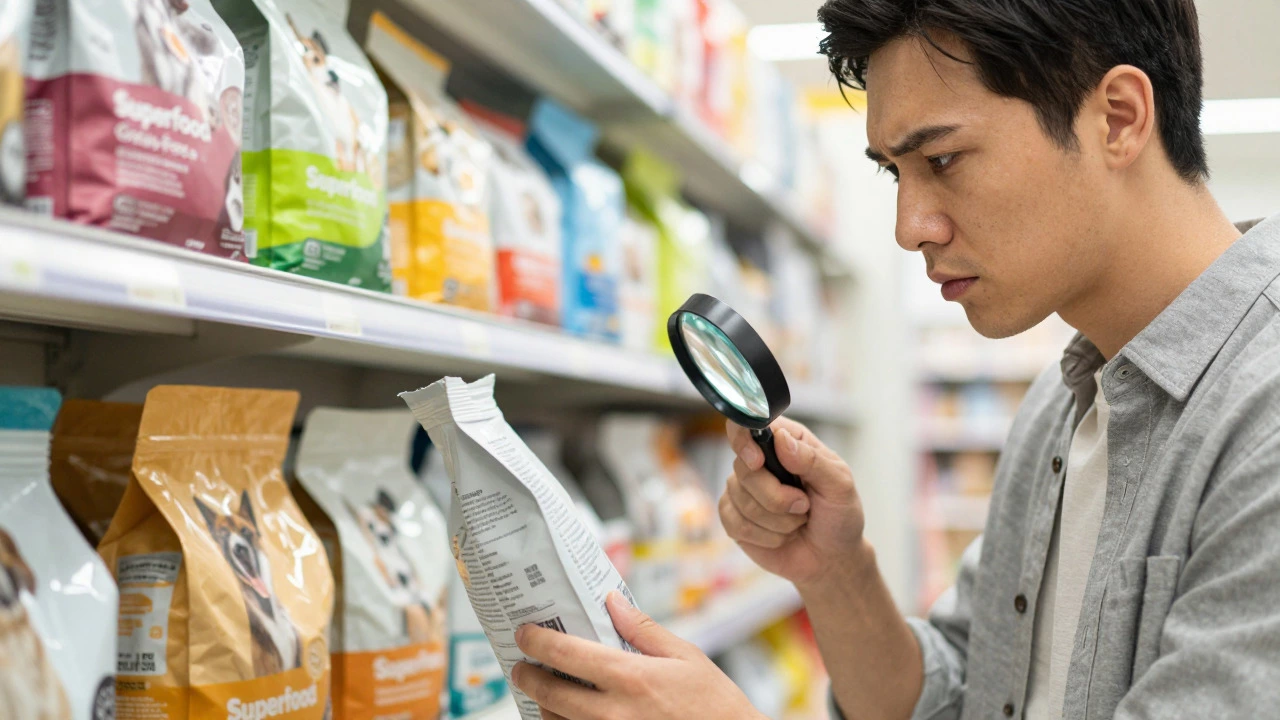
You’re standing in the pet aisle, staring at a wall of colorful bags and tins. One promises "grain-free," another boasts "real salmon," and a third claims to be "vet-recommended." It’s overwhelming, right? You just want to give your cat the best fuel possible without breaking the bank or falling for marketing fluff. The truth is, there isn’t one single "magic bullet" brand that works for every cat. However, there are clear markers of quality that separate truly healthy options from expensive junk. Let’s cut through the noise and look at what actually makes a store-bought cat food healthy.
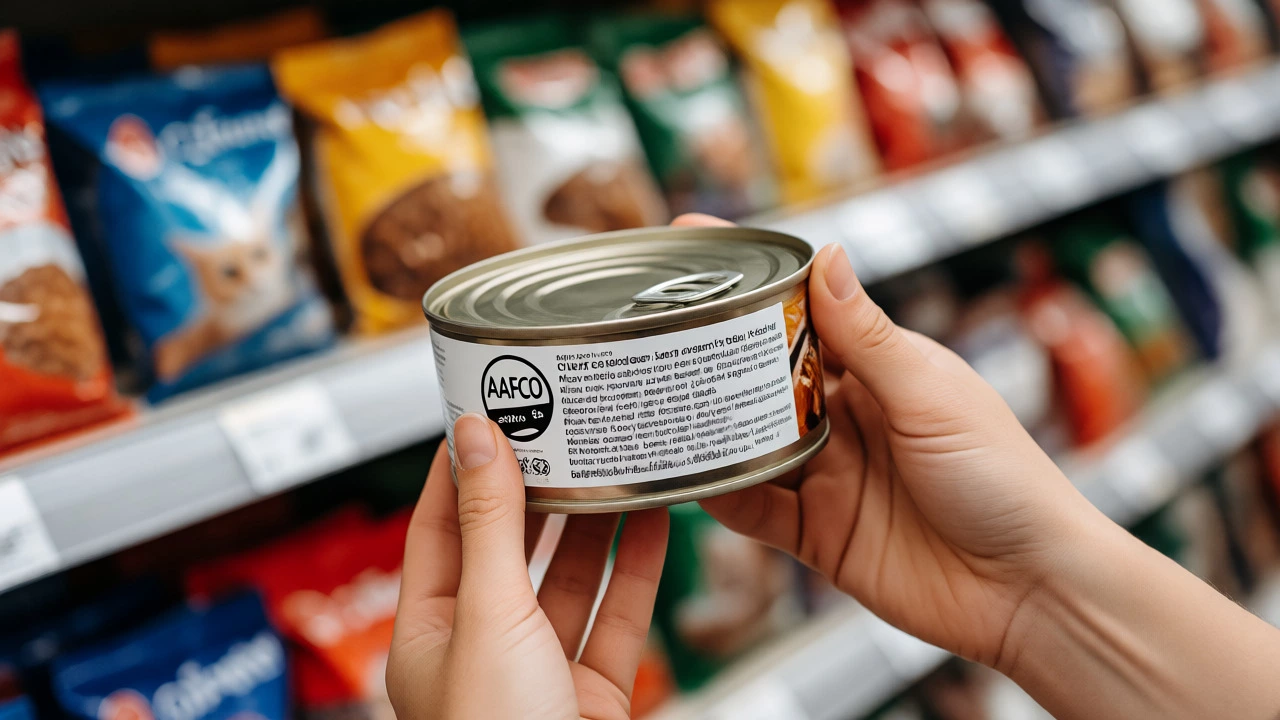
The Non-Negotiable: Look for the AAFCO Statement
Before you even read the ingredient list, flip the bag over. This is the first test any store-bought cat food must pass. You are looking for a specific statement from the Association of American Feed Control Officials (AAFCO). If the label says something like "Formulated to meet the nutritional levels established by the AAFCO Cat Food Nutrient Profiles," you’re on the right track.
Why does this matter? In the UK and US, pet food regulations are surprisingly loose regarding actual testing. Many brands use the term "natural" or "holistic" as marketing terms with zero legal definition. But AAFCO? That’s science-backed minimums. There are two ways a food meets these standards:
- Nutrient Profile Method: The manufacturer calculates that the ingredients add up to the required vitamins and minerals. This is common and generally safe if the brand has a good reputation.
- Feeding Trial Method: Cats were actually fed this food for six months, and their bloodwork and health remained stable. This is the gold standard. If you see "Animal Feeding Tests Using Protocols Established by AAFCO," prioritize it.
Protein First: Why Cats Are Obligate Carnivores
Here is where most people get it wrong. Cats are not small dogs. They are obligate carnivores, meaning they biologically require meat to survive. They cannot thrive on plant-based proteins alone. When you scan an ingredient list, the first five ingredients should be recognizable animal sources.
Look for named meats like "chicken," "salmon," or "turkey" rather than vague terms like "meat by-products" or "animal digest." While by-products aren't inherently bad (they can include nutrient-rich organs like liver), named meats offer more transparency. High-quality wet cat food usually contains 70-80% moisture and significantly higher protein content relative to calories than dry kibble. For example, a good wet food might have 10-12% crude protein on a wet basis, which translates to roughly 50-60% on a dry matter basis. Dry foods often hover around 30-40% dry matter protein, with the rest being carbohydrates.
The Carbohydrate Trap: Grain-Free vs. Grain-Inclusive
Walk into any pet store, and you’ll see "Grain-Free" stamped on half the shelves. Is it actually healthier? Not necessarily. Cats don’t need grains, but they also don’t need them to be replaced by peas, lentils, or potatoes. These plant starches are used to bind kibble together because cats lack the enzymes to process large amounts of carbs efficiently.
When manufacturers remove corn or wheat, they often replace it with legumes. Recent studies have linked certain grain-free diets high in peas and lentils to Dilated Cardiomyopathy (DCM) in some animals due to taurine absorption issues. So, don’t buy "grain-free" blindly. Instead, look for low-carb options. Whether it uses rice, barley, or sweet potato, the total carbohydrate load matters less than the source. Ideally, choose a food where the carb source is minimal and secondary to the meat. If you feed dry food, try to find options with under 20% carbohydrate content on a dry matter basis, though this is rare in mass-market brands.
Wet vs. Dry: The Hydration Factor
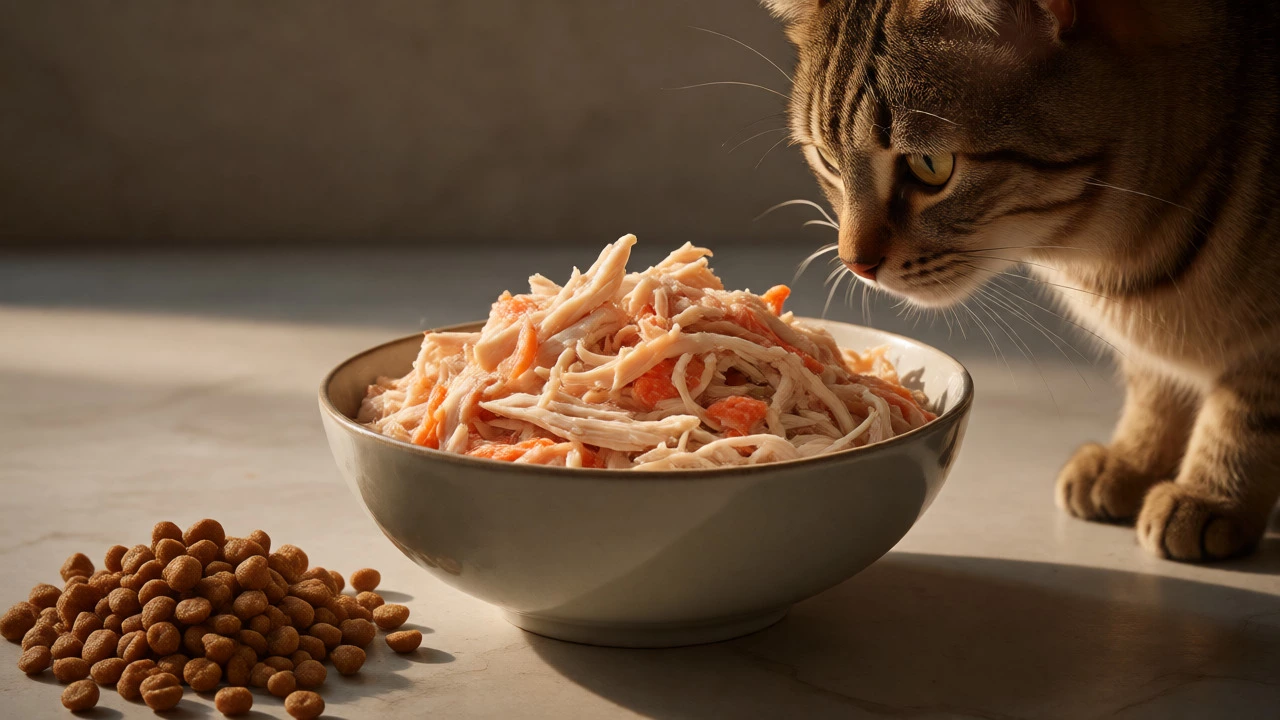
If you ask a feline nutritionist what the single biggest benefit of switching to wet food is, they won’t say "better taste." They’ll say "hydration." Cats evolved from desert-dwelling ancestors who got most of their water from prey. Modern indoor cats, especially those eating only dry kibble, are chronically mildly dehydrated. This puts immense strain on their kidneys and urinary tract.
| Feature | Wet Cat Food | Dry Cat Food (Kibble) |
|---|---|---|
| Moisture Content | 70-80% | 6-10% |
| Carbohydrate Load | Low (often <10%) | High (often 30-50%) |
| Caloric Density | Low per gram | High per gram |
| Cost | Higher | Lower |
| Dental Benefit | Minimal | Moderate (debated) |
This doesn’t mean you must go 100% wet. Budget constraints are real. A mixed approach-feeding wet food once a day and measured dry food the rest of the time-is a solid compromise. It boosts hydration without exploding your grocery bill. Just ensure the dry food is high-protein and low-carb.
Decoding the Ingredient List: What to Avoid
Ingredients are listed by weight before processing. This means "Chicken" includes the water weight. If a tin says "Chicken Soup," the chicken might be mostly water and broth. Look for "Deboned Chicken" or "Chicken Meal." "Meal" sounds processed, but it’s actually concentrated protein with the water removed, making it a potent source of amino acids.
Be wary of artificial colors and preservatives. BHA, BHT, and Ethoxyquin are synthetic antioxidants used to extend shelf life. While approved for use, many owners prefer natural preservatives like Mixed Tocopherols (Vitamin E) or Citric Acid. Also, check for added sugars. Cats cannot taste sweetness, so sugar is purely for palatability or cost-cutting filler. If you see cane syrup, molasses, or corn syrup near the end of the list, put the bag back.
Top Contenders: Brands That Consistently Score High
While individual needs vary, several brands consistently meet the criteria of high protein, low carbs, and AAFCO compliance. Note that availability varies by region, but these are widely recognized in the industry.
- Ziwi Peak: Often cited as the premium benchmark. Air-dried raw-style treats and canned foods with high meat content and no fillers. Expensive, but exceptionally clean labels.
- Tiki Cat: Known for extremely high protein and very low carbs in their wet varieties. Great for cats needing weight management or diabetes control.
- Wellness CORE: A solid mid-range option. Their wet formulas are grain-free and high in protein. Widely available in supermarkets and pet stores.
- Fancy Feast Classic Pâté: Don’t let the price fool you. The classic pâté line is surprisingly affordable, low-carb, and free of carrageenan (a thickener some cats react to). It’s a budget-friendly staple recommended by many vets.
- Hill’s Science Diet: While sometimes criticized for using corn or soy, Hill’s invests heavily in clinical research. Their prescription and adult maintenance lines are rigorously tested for safety and consistency.
How to Transition Your Cat’s Diet
Cats are creatures of habit. If you suddenly swap their food, they may refuse to eat, leading to hepatic lipidosis (fatty liver disease), which is dangerous. Do not rush this. Follow a strict schedule:
- Days 1-3: Mix 25% new food with 75% old food.
- Days 4-6: Move to 50% new, 50% old.
- Days 7-9: Try 75% new, 25% old.
- Day 10: Fully switch to the new diet.
If your cat stops eating during the transition, slow down. Add a little warm water to the wet food to enhance the aroma, or mix in a tiny bit of plain pumpkin puree (not pie filling) as a bridge.
Common Pitfalls to Avoid
One major mistake is feeding dog food to cats. Dog food lacks taurine, an essential amino acid for heart and eye health in cats. Long-term deficiency leads to blindness and heart failure. Another pitfall is "free-feeding" dry food. Leaving a bowl out all day encourages grazing, which leads to obesity. Measure portions based on your cat’s ideal weight, not their current weight, if they need to slim down.
Finally, ignore the "premium" hype on boutique brands unless they have transparent sourcing. Some small brands lack the rigorous quality control of larger manufacturers, leading to inconsistent batches. Stick to brands with a long history of safety recalls being rare and minor.
Is grain-free always better for cats?
No. While cats are carnivores and don't need grains, replacing them with high amounts of legumes (peas, lentils) can cause digestive upset or potential heart issues in some cats. A balanced diet with moderate, easily digestible carbs is often safer than extreme grain-free formulations.
Can I feed my cat human food?
Small amounts of plain cooked chicken, turkey, or fish are fine as treats. However, avoid onions, garlic, chocolate, grapes, and alcohol, which are toxic to cats. Human food should never make up more than 10% of their daily calorie intake.
How do I know if my cat likes the new food?
Watch their behavior. If they eat enthusiastically within 10-15 minutes and return for more later, it’s a hit. If they sniff it, walk away, or vomit shortly after, they likely dislike the texture or flavor. Never starve a cat into submission.
Is expensive cat food worth it?
Not always. Price doesn't guarantee quality. Some mid-range brands like Fancy Feast or Purina Pro Plan offer excellent nutrition at a fraction of the cost of luxury brands. Always judge by the ingredient list and AAFCO statement, not the price tag.
Should I feed my senior cat different food?
Yes, if they have kidney disease or dental issues. Senior cats often need lower phosphorus levels and easier-to-chew textures. Consult your vet before switching, as some "senior" formulas are actually higher in carbs to reduce calorie density, which might not suit lean older cats.