Cat Food Quality Analyzer
Enter the values from your cat food's "Guaranteed Analysis" panel. This tool converts them to a Dry Matter Basis (DMB) to remove water weight bias, allowing you to compare wet and dry foods fairly.
Fill in the Guaranteed Analysis values to get an instant nutritional breakdown.
You stare at the aisle in your local pet store, surrounded by bags promising "grain-free," "ancestral diets," and "premium kibble." The price tags range from a few pounds to nearly fifty. It’s overwhelming. You want what’s best for your cat, but "best" is a marketing term, not a scientific one. So, what actually makes cat food good?
The truth is simpler than the labels suggest. The best cat food is defined by its ability to meet your cat’s biological needs: high animal protein, adequate hydration, and essential nutrients like taurine. It isn’t about the brand logo on the bag; it’s about the ingredient list and the nutritional profile. Whether you have a picky eater, a senior with kidney issues, or an active kitten, the right choice depends on understanding how cats process food differently than dogs or humans.
The Biological Reality: Cats Are Obligate Carnivores
This is the single most important fact that dictates every other decision you make. Unlike dogs, which are omnivores and can survive on a varied diet including plants, cats are obligate carnivores. This means they require nutrients found only in animal tissue to survive. They cannot synthesize certain amino acids and vitamins from plant sources alone.
For example, cats need preformed vitamin A. If you feed them beta-carotene (found in carrots), their bodies can’t convert it efficiently. They also require taurine, an amino acid critical for heart health and vision. Dogs can make some of their own taurine; cats cannot. If a diet lacks sufficient animal-based taurine, a cat can develop dilated cardiomyopathy, a serious heart condition.
Because of this biology, the "best" food always prioritizes named meat sources as the primary ingredients. When you read a label, look for "chicken," "salmon," or "beef" listed first. Avoid vague terms like "meat meal" or "animal by-products" if possible, though these aren't always bad-they just lack transparency. High-quality commercial foods will specify the source.
Decoding Labels: AAFCO and Guaranteed Analysis
In the UK and US, reputable cat foods follow guidelines set by organizations like the Association of American Feed Control Officials (AAFCO). While the UK uses FEDIAF standards, many global brands align with AAFCO profiles because they are rigorous and widely recognized. An AAFCO statement on the bag confirms the food provides complete and balanced nutrition for a specific life stage, such as growth, maintenance, or all life stages.
Don’t ignore the "Guaranteed Analysis" panel. This section lists minimum percentages of crude protein and fat, and maximum percentages of fiber and moisture. Here is how to interpret those numbers:
- Protein: Adult cats generally thrive on diets with 30-40% crude protein on a dry matter basis. Kitten food often has higher levels (40%+).
- Fat: Essential for energy and coat health. Look for 15-25% fat content. Low-fat diets are rarely necessary unless prescribed by a vet for pancreatitis.
- Carbohydrates: Not listed on the guaranteed analysis, but calculated by subtracting protein, fat, moisture, ash, and fiber from 100%. Ideally, keep carbs below 20-25% on a dry matter basis. High carb loads can contribute to obesity and diabetes in susceptible breeds.
A common mistake is comparing wet and dry food directly using these percentages. Wet food has 70-80% water, so its protein percentage looks lower. Dry food has only 5-10% water, making its protein percentage look higher. To compare them fairly, you must convert to a "dry matter basis" by removing the water weight mathematically.
Wet vs. Dry: The Hydration Factor
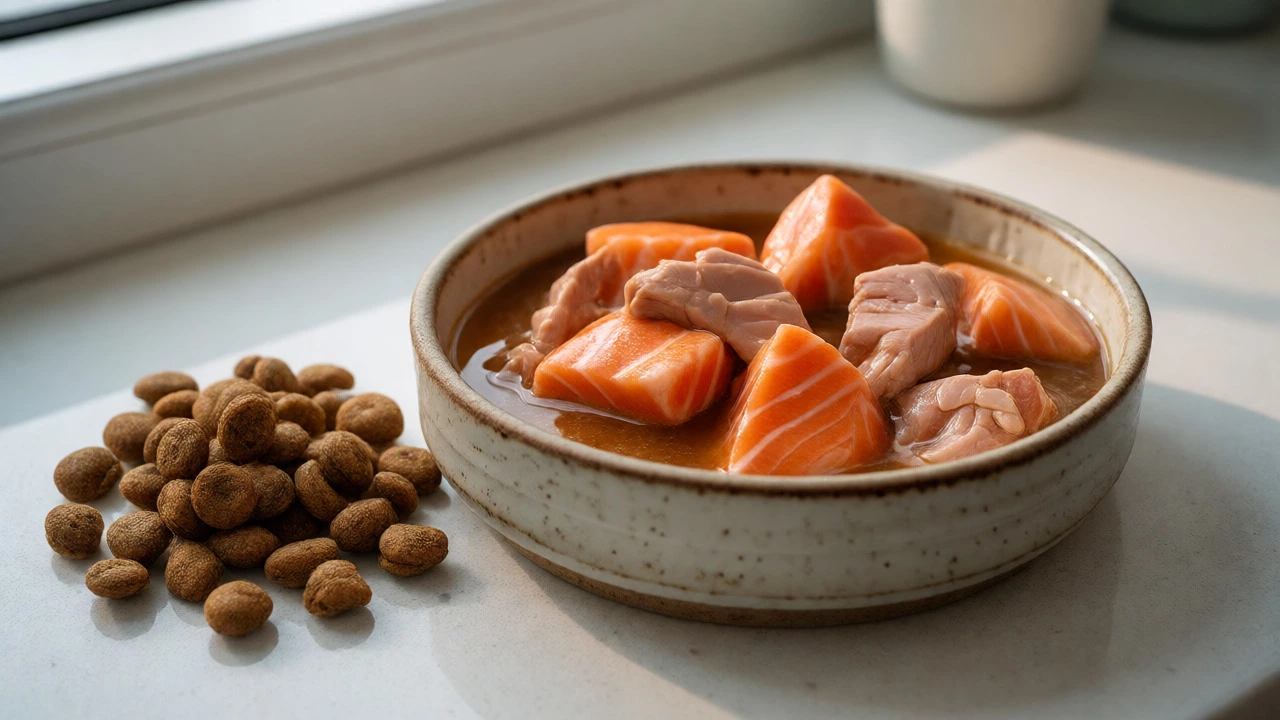
If you ask any feline specialist, they will likely lean towards wet cat food as superior for long-term health. Why? Because cats evolved in desert environments and have a low thirst drive. Their ancestors got most of their moisture from prey animals.
Modern domestic cats often suffer from chronic dehydration, which stresses the kidneys and urinary tract. Feeding exclusively dry kibble forces cats to drink significantly more water than they naturally would. Many simply don’t drink enough, leading to concentrated urine and potential crystals or stones.
| Feature | Wet Food | Dry Food |
|---|---|---|
| Moisture Content | 70-80% | 5-10% |
| Carbohydrate Load | Low (typically <10%) | High (often 30-50%) |
| Dental Health | Neutral (requires brushing) | Mixed evidence (may reduce plaque slightly) |
| Convenience/Cost | Higher cost per calorie, spoils faster | Lower cost, easy storage, free-feeding friendly |
| Palatability | Generally higher aroma/taste appeal | Varies by brand/flavor |
This doesn’t mean dry food is bad. It’s convenient, affordable, and helps with dental tartar buildup in some cats. The "best" approach for many owners is a mixed diet: primarily wet food for hydration and protein, supplemented with small amounts of high-quality dry food for grazing or convenience. If you must feed only dry food, ensure your cat has access to fresh, moving water-many prefer running fountains over static bowls.
Ingredient Quality: What to Avoid
Marketing loves buzzwords. "Grain-free" sounds healthy, but grains like rice or oats are digestible carbohydrates. Unless your cat has a specific grain allergy (which is rare compared to protein allergies), avoiding grains doesn’t automatically make food better. In fact, replacing corn with potato or pea starch can sometimes increase carbohydrate load without adding nutritional value.
Watch out for these red flags:
- Artificial Colors: Red dyes in cat food serve no nutritional purpose. They are added solely to appeal to human eyes.
- Propylene Glycol: Often used in semi-moist foods to retain moisture. Some cats may be sensitive to it.
- Excessive Fillers: Ingredients like cellulose pulp or soy flour are cheap bulkers. They fill the bag but offer little nutritional benefit to a carnivore.
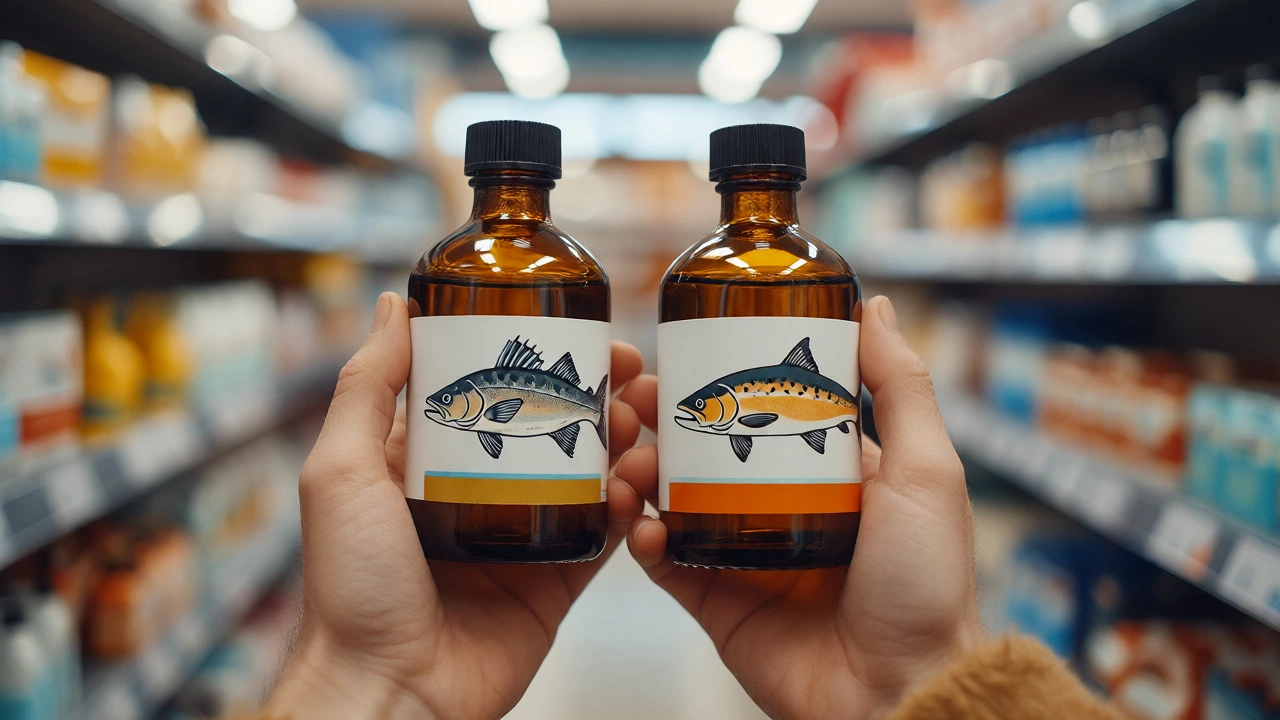
Instead, look for beneficial additives. Omega-3 fatty acids (from fish oil) support skin and coat health. Probiotics can aid digestion, especially during food transitions. Taurine supplementation is mandatory in commercial diets, but check that it’s explicitly listed.
Life Stage Matters: Kittens, Adults, and Seniors
One size does not fit all. A kitten requires roughly three times the calories and twice the calcium and phosphorus of an adult cat to support rapid bone and muscle growth. Feeding adult maintenance food to a growing kitten can lead to skeletal abnormalities.
Conversely, feeding kitten food to an adult cat often results in obesity due to the excess calories and minerals. Senior cats (usually 7-10+ years) have different needs again. Older cats often lose appetite and struggle to digest protein efficiently. They may benefit from highly palatable, moderately restricted phosphorus diets to protect aging kidneys. Always consult your vet before switching senior cats to prescription renal diets, as these are medical interventions, not general lifestyle choices.
Transitioning Foods Safely
Cats are notorious for being neophobic-they fear new things. If you switch their food abruptly, they may refuse to eat entirely. This is dangerous, especially in overweight cats, who can develop hepatic lipidosis (fatty liver disease) after just two days of not eating.
Follow this gradual transition schedule over 7-10 days:
- Days 1-3: Mix 75% old food with 25% new food.
- Days 4-6: Mix 50% old food with 50% new food.
- Days 7-9: Mix 25% old food with 75% new food.
- Day 10+: 100% new food.
If your cat rejects the mix, slow down the transition. Warm the food slightly (to body temperature) to enhance the aroma, which can trigger their appetite.
Key Takeaways
Is expensive cat food always better?
Not necessarily. Price often reflects branding and packaging rather than nutritional density. However, very cheap foods often rely on low-quality fillers and plant proteins. Mid-range brands that clearly state named meat sources and meet AAFCO/FEDIAF standards are usually the sweet spot for quality and value.
Can I feed my cat dog food?
No, not as a staple. Dog food lacks sufficient taurine and arachidonic acid, which are essential for cats. Eating dog food occasionally won’t hurt, but long-term consumption leads to blindness, heart failure, and poor coat condition.
How do I know if my cat likes the food?
Beyond immediate consumption, look for signs of good digestion: firm stools, consistent energy levels, and a shiny coat. If your cat vomits frequently, has loose stools, or leaves food uneaten after the transition period, try a different protein source or formula.
Is raw food safer than cooked?
Raw diets mimic ancestral eating habits but carry risks of bacterial contamination (Salmonella, E. coli) and parasitic infection. They also require careful balancing to prevent nutrient deficiencies. Commercially prepared raw foods are safer than home-prepared ones but still require strict hygiene protocols.
Do indoor cats need special food?
Indoor cats tend to burn fewer calories, so they may need lower-calorie formulas to prevent obesity. Some "indoor" formulas include fiber to help manage hairballs. However, check the ingredient list; sometimes "indoor" is just marketing for a standard maintenance diet with slightly reduced fat.