Vet-Approved Dog Food Analyzer
Enter details to see if this food meets vet standards.
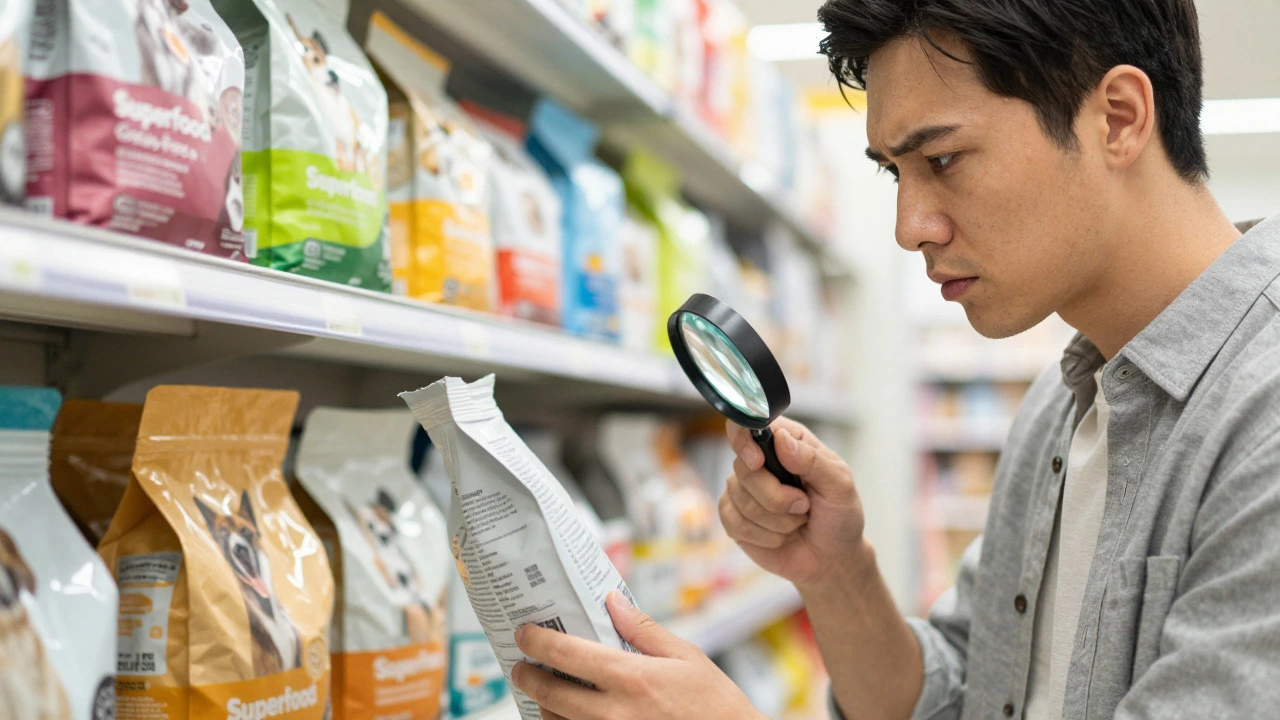
Walk into any pet store today, and you’ll face a wall of colorful bags promising 'superfood' blends, ancestral diets, and grain-free miracles. It’s overwhelming. But if you strip away the marketing hype, what do veterinarians actually say? The short answer is that there is no single 'best' food for every dog. However, vets agree on specific criteria that define high-quality nutrition. They look for foods that meet rigorous scientific standards, use named meat sources, and avoid controversial fillers.
In 2026, the consensus among veterinary nutritionists has shifted slightly toward transparency and clinical evidence over trends. Whether you have a playful puppy or a senior dog with joint issues, understanding what vets prioritize can save you money and keep your dog healthier for longer. Let’s break down exactly what experts are looking for when they recommend a brand.
The Gold Standard: AAFCO Nutritional Profiles
When vets evaluate dog food, the first thing they check isn't the ingredient list-it's the nutritional adequacy statement. This is where AAFCO, which stands for the Association of American Feed Control Officials, comes into play. While AAFCO doesn't test food, their guidelines set the baseline for what constitutes complete and balanced nutrition.
A vet-recommended bag will always carry a statement saying it meets AAFCO nutrient profiles for your dog's life stage. Look for phrases like "formulated to meet the nutritional levels established by the AAFCO Dog Food Nutrient Profiles." If a bag lacks this, it’s likely a supplement or a treat, not a complete meal. Without this verification, you’re guessing whether your dog is getting enough taurine, zinc, or calcium.
- Growth: Essential for puppies up to one year old.
- Maintenance: For adult dogs who are fully grown.
- All Life Stages: Suitable for puppies, adults, and seniors alike.
Vets emphasize that feeding an adult formula to a growing puppy can lead to skeletal defects due to insufficient calcium and phosphorus ratios. Conversely, feeding high-calorie puppy food to an older dog contributes to obesity, a leading cause of canine health issues.
Ingredient Quality: Named Meats vs. By-Products
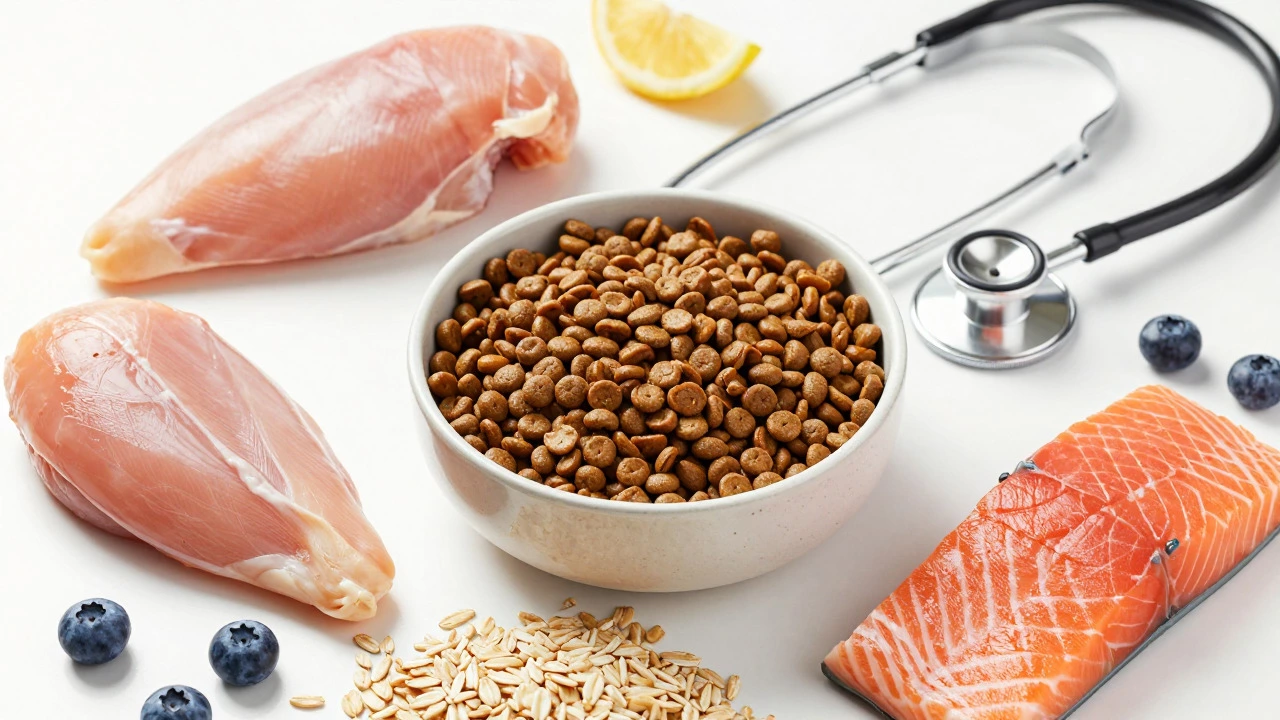
Once the nutritional profile checks out, vets examine the ingredient list. The order matters because ingredients are listed by weight before cooking. High-quality vet-recommended foods start with a named animal protein source, such as chicken, salmon, or beef. Avoid vague terms like "meat meal" or "animal digest," which can hide lower-quality tissues.
There is often confusion about by-products. In the pet food industry, by-products refer to edible parts like liver, kidneys, and lungs. These organs are actually nutrient-dense and highly palatable. Vets generally approve of named organ meats but advise against generic "by-product meals" unless the source is specified (e.g., chicken by-product meal). The key is specificity. If the label says "chicken fat," that’s good. If it just says "fat," you don’t know if it came from beef, poultry, or fish.
| Feature | Vet Recommended | Avoid/Low Quality |
|---|---|---|
| Primary Protein | Named meat (Chicken, Beef) | Meat meal, Corn gluten meal |
| Fat Source | Named animal fat (Salmon oil) | Generic "Fat" or Vegetable Oil |
| Carbohydrates | Whole grains (Brown rice) or limited legumes | Corn, Wheat, Soy fillers |
| Additives | Natural preservatives (Mixed tocopherols) | BHA, BHT, Ethoxyquin |
The Grain-Free Debate and DCM Concerns
For years, grain-free diets were marketed as more 'natural.' However, since 2018, the FDA has investigated a potential link between grain-free diets and Dilated Cardiomyopathy (DCM), a serious heart condition. While the exact cause isn't fully understood, many vets now caution against grain-free formulas unless medically necessary for a specific allergy.
Most dogs do not have grain allergies; they are far more likely to be allergic to proteins like beef or dairy. Unless your vet has diagnosed a true grain intolerance through elimination trials, sticking to foods with whole grains like oats, barley, or brown rice provides stable energy and fiber. These grains are easily digestible and help regulate blood sugar. Jumping on the grain-free bandwagon without medical reason may expose your dog to unnecessary cardiac risks.
Wet Food vs. Dry Kibble: Hydration Matters
Dry kibble is convenient and helps clean teeth mechanically, but it contains only about 10% moisture. Wet food, on the other hand, contains up to 78% water. Vets increasingly recommend incorporating wet food into your dog's diet to improve hydration, especially for dogs prone to kidney disease or urinary crystals.
You don’t have to choose one exclusively. Many owners mix a scoop of wet food into dry kibble. This boosts flavor, encourages picky eaters, and ensures your dog stays hydrated. For senior dogs with dental issues, wet food is often easier to chew and digest. Always check the calorie content, though, as wet food can be denser in calories per cup than dry kibble.
Life Stage Specificity
Dogs have different nutritional needs at different ages. A puppy requires higher protein and fat for rapid growth, while a senior dog needs less calorie density but more joint-supporting supplements like glucosamine and chondroitin.
Vets recommend switching to senior formulas around age seven for medium breeds and earlier for large breeds. These foods often include antioxidants to support cognitive function and omega-3 fatty acids to reduce inflammation. Feeding a senior dog high-energy puppy food can lead to rapid weight gain, stressing their aging joints and organs.

Top Vet-Recommended Brands in 2026
While individual preferences vary, several brands consistently appear in veterinary recommendations due to their transparency, research backing, and adherence to AAFCO standards.
- Hill’s Science Diet: Known for extensive clinical trials and specialized formulas for sensitive stomachs and kidney health.
- Royal Canin: Offers breed-specific and condition-specific diets developed with veterinary input.
- Purina Pro Plan: Widely available and backed by strong nutritional science, particularly for active dogs.
- Orijen/Acana: Popular for high-protein, biologically appropriate recipes, though some vets monitor carbohydrate sources closely.
- Eukanuba: Focuses on precise amino acid profiles for muscle maintenance.
These brands invest heavily in research and quality control. They publish their ingredient sourcing and manufacturing processes, allowing vets to trust the consistency of the product batch after batch.
Raw Diets: Benefits and Risks
Raw feeding, or BARF (Biologically Appropriate Raw Food), has gained popularity. Proponents claim shinier coats and cleaner teeth. However, many vets express concern over bacterial contamination (Salmonella, E. coli) and nutritional imbalances. Home-prepared raw diets often lack essential minerals unless carefully formulated by a veterinary nutritionist.
If you choose raw, opt for commercially prepared frozen raw meals that undergo pathogen reduction testing. Ensure your household has no immunocompromised individuals. Always discuss raw diets with your vet to monitor for nutritional gaps.
How to Transition Foods Safely
Switching dog food abruptly can cause diarrhea and vomiting. Vets recommend a gradual transition over 7 to 10 days. Start with 25% new food and 75% old food, then increase the ratio daily until the switch is complete. Watch for soft stools or itching, which may indicate an intolerance.
Do vets really prefer prescription diets?
Prescription diets are only necessary if your dog has a specific medical condition like kidney disease, diabetes, or severe allergies. For healthy dogs, high-quality commercial foods meeting AAFCO standards are sufficient. Prescription diets are more expensive and should only be used under veterinary supervision.
Is organic dog food better?
Not necessarily. Organic certification refers to farming practices, not nutritional completeness. A non-organic food with balanced nutrients is better than an organic food lacking essential vitamins. Focus on the ingredient quality and AAFCO statement rather than the organic label.
How much should I feed my dog?
Feeding guidelines on the bag are starting points. Adjust based on your dog's activity level, metabolism, and body condition score. Your vet can help determine the ideal weight and portion size. Overfeeding is a common mistake that leads to obesity-related health problems.
Can I add human food to my dog's diet?
Yes, in moderation. Safe options include plain cooked chicken, carrots, blueberries, and green beans. Avoid onions, garlic, grapes, chocolate, and xylitol. Human treats should make up no more than 10% of your dog's daily caloric intake to maintain nutritional balance.
Why does my dog have gas on premium food?
Gas can result from eating too quickly, swallowing air, or intolerance to certain ingredients like legumes or dairy. Try using a slow-feeder bowl and reviewing the ingredient list for common irritants. If gas persists, consult your vet to rule out underlying digestive issues.