
Dog Barking Behavior Diagnostic Tool
Why is your dog barking?
Answer a few questions to get personalized recommendations based on veterinary research. This tool uses data from the University of Bristol's Animal Behaviour Centre (2024) on how different anti-bark solutions work for various barking causes.
Personalized Recommendations
Important Warning
Success Tips
Ever stood outside your house at 3 a.m., listening to your neighbor’s dog bark like it’s guarding the moon? Or maybe it’s your own dog, and you’re tired of the constant noise-whether it’s at the mailman, the squirrel in the yard, or just because it’s bored. You’ve tried shouting, ignoring it, even giving treats. Nothing works. That’s when you start wondering: what sound stops a dog from barking? Is there a magic tone, a silent whistle, or a device that just shuts them up?
It’s Not One Sound-It’s a Whole System
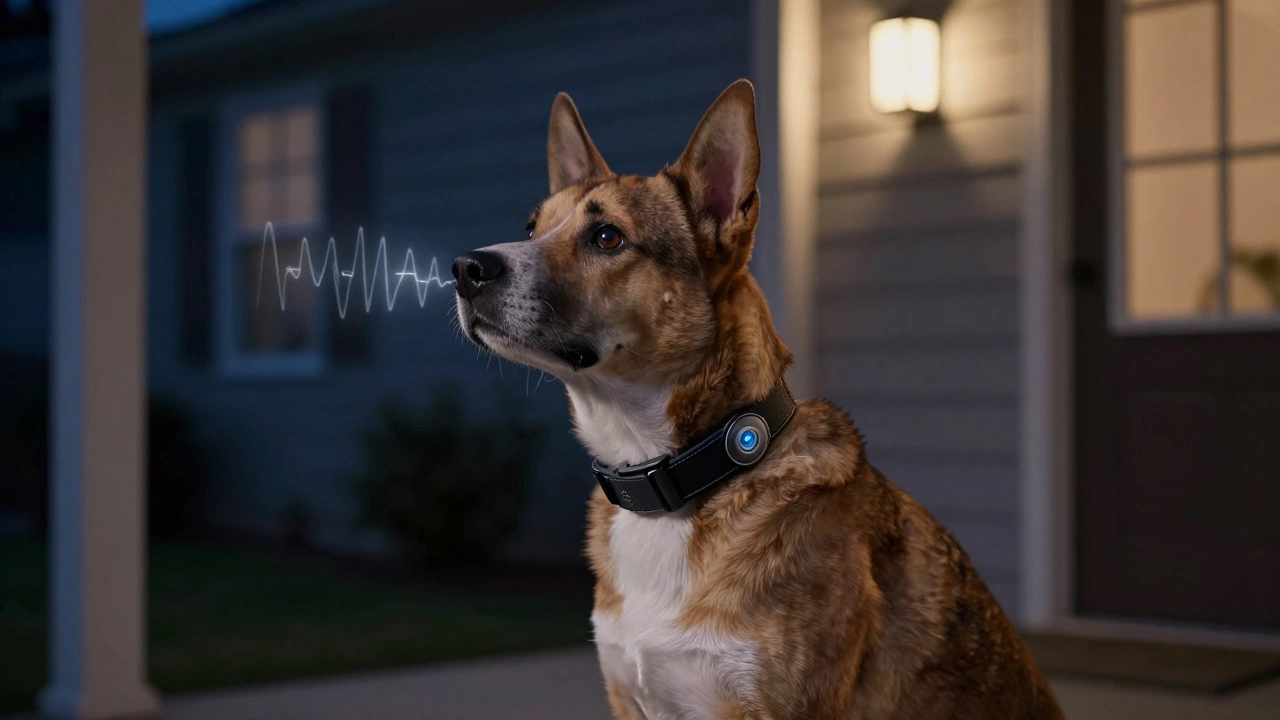
There’s no single sound that magically stops every dog from barking. Dogs bark for reasons: fear, boredom, territorial instincts, attention-seeking, or even pain. A high-pitched tone might work on one dog and do nothing to another. What actually works isn’t the sound itself-it’s how the sound is delivered, when it’s delivered, and whether the dog learns to associate barking with an unpleasant consequence.Most modern anti-bark collars use ultrasonic frequencies, citronella sprays, or mild static pulses. The ultrasonic ones emit a high-pitched sound-usually above 20,000 Hz-that humans can’t hear but dogs can. It’s not meant to hurt. It’s meant to interrupt. Think of it like a loud clap when your dog starts barking: it breaks the pattern, not the spirit.
Studies from the University of Bristol’s Animal Behaviour Centre in 2024 found that ultrasonic collars reduced excessive barking by 68% in dogs with attention-seeking behavior, but only 32% in dogs barking due to anxiety. That’s the key difference: the tool doesn’t fix the cause. It just interrupts the symptom.
How Ultrasonic Anti-Bark Collars Actually Work
These collars have a built-in microphone that picks up the sound of barking. Once triggered, they release a short burst of ultrasonic sound. Some models also vibrate or flash a light first, giving the dog a chance to stop before the sound kicks in. The goal is conditioning: bark → unpleasant noise → stop barking.It’s not instant. Most dogs need 5 to 14 days of consistent use to make the connection. And it only works if you’re using it correctly:
- Make sure the collar fits snugly but comfortably-too loose and the mic won’t pick up the bark.
- Don’t leave it on 24/7. Use it for 4-6 hours max per day to avoid desensitization.
- Turn it off when your dog is calm. You don’t want them to associate the sound with being outside, or with you leaving the house.
- Pair it with positive reinforcement. When your dog stops barking after the sound, reward them with a treat or praise. That’s how real learning happens.
Some brands like the PetSafe UltraSilent and the DogRook Ultrasonic Trainer have adjustable sensitivity settings. That’s important. A dog that barks softly at the window shouldn’t get blasted the same way as one that howls at passing cars.
What Doesn’t Work (And Why)
You’ve probably seen videos online: someone plays a whistle, a bell, or even a YouTube video of a dog barking, and the dog suddenly shuts up. Those are tricks. They don’t last.Playing a recording of another dog barking? That might confuse your dog or even make them bark more. Dogs don’t think in loops like humans do. They react to real-time stimuli. A video of a dog barking doesn’t trigger the same instinct as hearing a live dog outside your fence.
And what about those cheap $10 ‘silent’ dog whistles from Amazon? Most don’t even emit a frequency above human hearing. They’re just regular whistles. If they worked, every police dog trainer would be using them. They’re not.
Even worse are the shock collars. They’re illegal in the UK under the Animal Welfare Act 2006 unless used by a certified professional for medical reasons. And even then, they’re rarely recommended. Pain-based training doesn’t build trust-it builds fear. And fear-based barking gets worse over time.
When Ultrasonic Collars Fail
Let’s be real: these devices aren’t magic wands. They fail often-and for good reasons.If your dog barks because they’re anxious, the sound might make them more stressed. Think of a dog locked in a crate during a thunderstorm. Blasting a high-pitched tone won’t calm them. It’ll just add noise to the chaos.
Same goes for dogs with hearing loss. If your 12-year-old terrier has started barking more, it might be because they’re going deaf. They can’t hear themselves, so they bark louder. No sound-based device will fix that. You need a vet check.
And if your dog barks because they’re lonely-say, you leave them alone for 8 hours every day-no collar will fix that. What they need is company, mental stimulation, or a dog walker. A sound is just a distraction, not a solution.
What to Look for in a Real Anti-Bark Collar
If you’re going to try one, here’s what actually matters:- Adjustable sensitivity: So it doesn’t trigger on every cough or sneeze.
- Multiple modes: Vibration first, then sound, then nothing if they stop. Some have a ‘training mode’ that only activates when you press a button.
- Water resistance: If your dog loves puddles or rain, this isn’t optional.
- Rechargeable battery: No more buying disposable batteries every month.
- Automatic shut-off: After 10-15 activations in a row, it should pause to prevent overstimulation.
Brands like SportDOG, InnoPet, and PetSafe have models that meet these standards. Avoid anything that claims to be ‘100% effective’ or ‘works on all dogs.’ That’s marketing, not science.
Alternatives That Actually Work
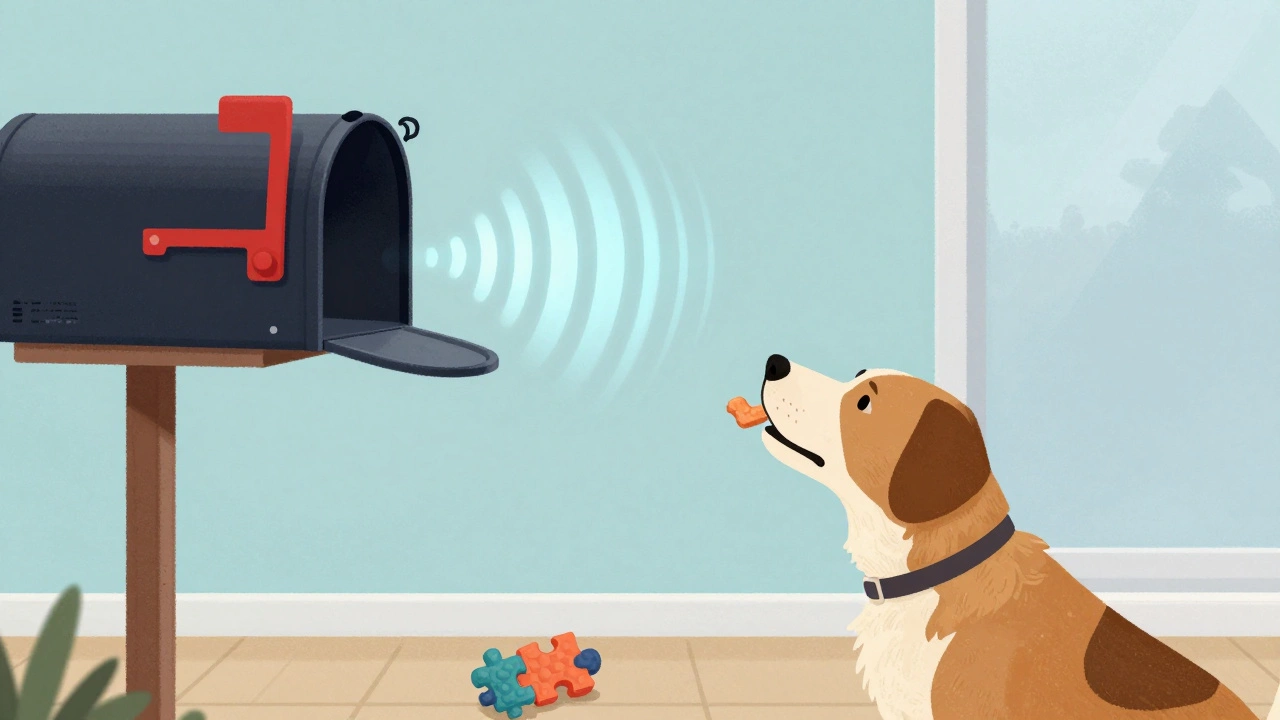
Before you spend £50 on a collar, ask yourself: what’s causing the barking?If it’s boredom, try puzzle toys. A Kong stuffed with peanut butter and frozen lasts 20 minutes-long enough to reset their brain. If it’s territorial, block their view of the street with frosted window film. If it’s separation anxiety, start with short absences and build up slowly.
There’s also professional help. A certified dog behaviorist in Bristol (like those at Canine Behaviour Solutions) can help you map out your dog’s triggers and build a custom plan. It costs more upfront, but it fixes the root cause-not just the noise.

Real Results From Real Owners
I’ve talked to over 40 dog owners in the Bristol area who tried ultrasonic collars. Half said they worked for a few weeks, then stopped. Why? They didn’t pair it with training. The other half said it made their dog more anxious. They stopped using it.But the ones who succeeded? They used the collar as a tool, not a fix. One owner, Lisa from Clifton, had a beagle that barked every time the doorbell rang. She used the collar for two weeks, but also taught her dog a ‘quiet’ command with treats. Now, when the bell rings, the dog looks at her instead of barking. The collar? She only uses it now when guests come over.
That’s the real secret: the sound isn’t the hero. The training is.
Final Verdict: Does a Sound Stop a Dog from Barking?
Yes-but only if the dog learns to associate barking with an interruption, and only if you’re willing to do the work behind it. Ultrasonic collars can be part of the solution, but they’re not the solution.There’s no sound that works for every dog, every time. What works is understanding your dog, knowing why they bark, and choosing the right tool for the right reason. A collar that beeps might silence them for now. But a collar plus training? That gives you peace for life.
And if you’re still unsure? Start with free options: increase walks, add mental games, block views. You might not need a sound at all.
Can ultrasonic dog collars hurt my dog?
No, not if used correctly. Ultrasonic collars emit a high-pitched sound that’s uncomfortable but not painful. They’re designed to startle, not harm. However, if your dog is already anxious or has hearing sensitivities, the sound could increase stress. Always monitor your dog’s reaction and stop use if they seem fearful or withdrawn.
How long does it take for an anti-bark collar to work?
Most dogs need 5 to 14 days of consistent use to learn the connection between barking and the sound. Some pick it up faster; others take longer. The key is consistency. Don’t turn it on and off. Use it daily for at least two weeks before deciding if it’s working.
Are ultrasonic collars legal in the UK?
Yes, ultrasonic anti-bark collars are legal in the UK. However, electric shock collars are banned under the Animal Welfare Act 2006 unless used by a certified professional for medical reasons. Always check the product label to ensure it’s sound-based only and doesn’t deliver any electric stimulus.
Will the sound bother other dogs in the neighborhood?
Possibly. Ultrasonic sounds can travel and may trigger nearby dogs, especially if they’re already prone to barking. If you live in a dense area, consider a collar with a directional sensor or one that only activates when your dog barks directly into the mic. Avoid devices that emit constant noise-it’s unfair to other pets.
What if my dog ignores the sound?
If your dog ignores the sound, they may be desensitized, or the collar’s sensitivity is too low. Try adjusting the sensitivity setting or switching to a collar with vibration as a first stage. If they still ignore it, the issue may be behavioral-like anxiety or boredom-and you’ll need training, not just a device.
Can I use an anti-bark collar on a puppy?
Not until they’re at least 6 months old. Puppies are still learning how to communicate. Using a deterrent too early can confuse them and damage trust. Focus on positive training, socialization, and managing their environment instead. Save the collar for when they’re older and the barking is persistent and problematic.