Puppy Sleep & Potty Calculator
Step 1: Enter Puppy Details
Bladder Capacity
Estimated Maximum Hold Time
--
Hours Max
Tonight's Plan
Quick Tips for Tonight
Remove bowl 60 mins before calculated first wake-up to prevent overflow.
Use white noise to mask sudden sounds that cause panic waking.
If under holding limit, wait 10 seconds. Ignore low-level complaints.
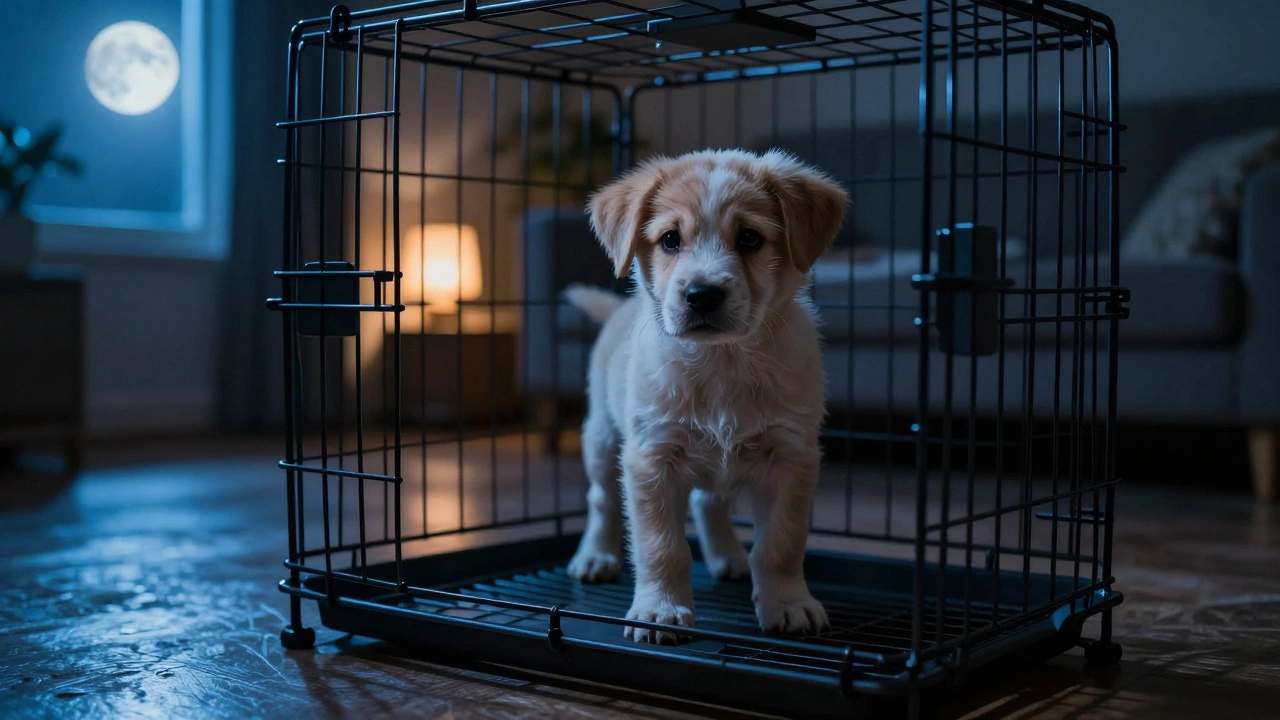
That sound cuts through any home silence like a siren. You know exactly what I mean. It happens around 2:00 AM, just as you finally drift off after a long day. Your new companion is whimpering, whining, or full-out barking from the other room. It feels personal, like a failing grade in parenthood, but here is the truth: puppy crying at night is standard biology, not a behavioral disaster. It usually means one of two things-they are terrified of being alone, or they physically need to relieve themselves.
We've been doing this since 2016, and we've seen everything from a trembling Cavalier King Charles Spaniel to a rowdy Labrador Retriever mix turn up the volume in the dead of night. The goal isn't to stop the noise instantly (that often creates worse problems later) but to manage the transition so both you and the dog get restful sleep. Here is how you handle it, step-by-step, without breaking your bond.
The Real Reasons Your Puppy Won't Sleep
Before you rush out of bed, you need to understand the engine driving the noise. A puppy leaving their mother and littermates is akin to moving into a new country where no one speaks your language. They are suddenly isolated from the warmth and heartbeat of their herd. This triggers a deep instinctual response calledSeparation Anxiety, which refers to distress triggered when a dog cannot see or feel their primary attachment figure nearby.
Beyond loneliness, there is physiology. A common rule of thumb is adding one hour to your puppy's age in months to determine their bladder capacity. An eight-week-old pup can hold it for roughly four hours max. If your 10 PM bedtime pushes to 3 AM, their bladder is screaming before their brain knows how to say "sorry." They aren't trying to wake you; they are physically unable to hold the pressure.
Environment plays a massive role too. We live in Bristol, and our floors get cold. If the puppy is lying on bare linoleum or thin fabric in a drafty room, they might be shivering rather than sleeping. Finally, check for hunger. Small breeds burn calories fast. A hungry growling tummy will often manifest as restless movement and vocalisation.
Setting Up the Sleeping Zone for Success
Where you put the bed matters more than most realise. Many people make the mistake of putting the crate right in the kitchen, where the fridge hums and traffic moves all night. Instead, treat the area like a cave. Crate Training is a method using a confined space to teach dogs safety and bladder control while providing a secure den-like environment.
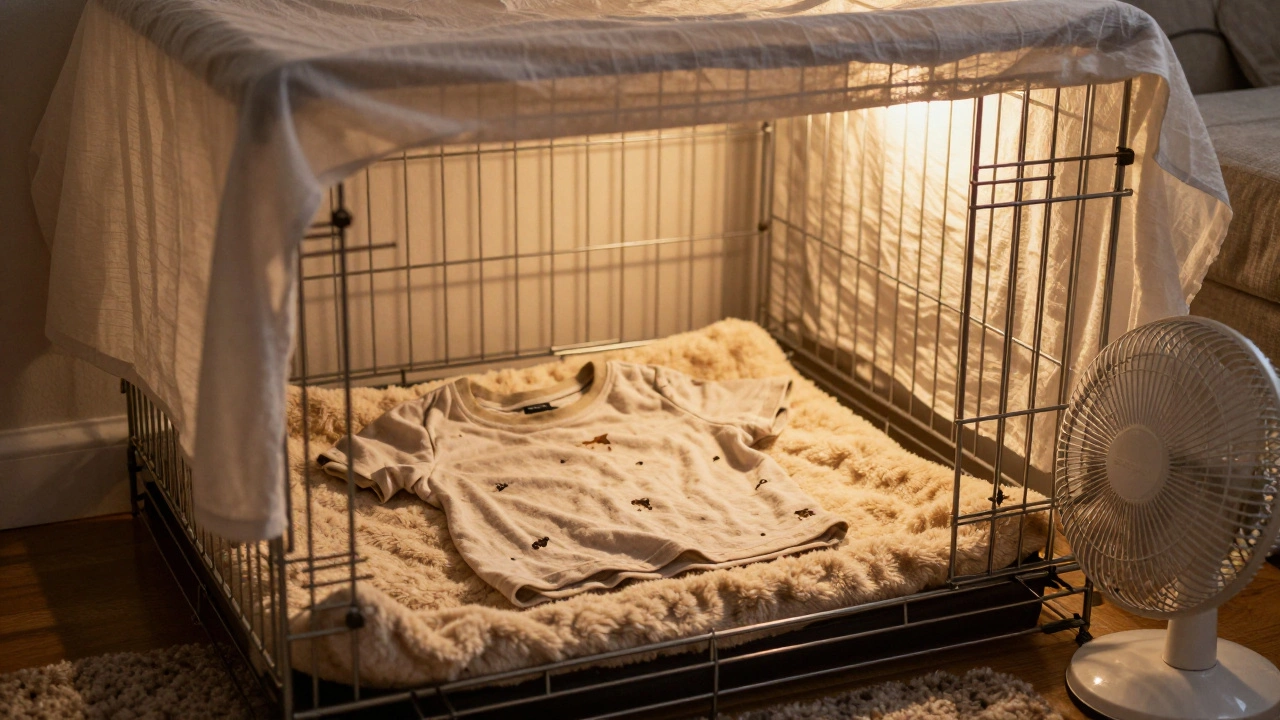
If you are using a crate, cover three sides with a breathable blanket. Leave the front open for airflow but dim the visual distractions. If the crate feels exposed, they will panic. Place the crate near your bedroom door initially. Hearing you breathe helps calm their heart rate. As they adjust over a few weeks, move the crate further away gradually.
Comfort items are non-negotiable. Put something smelling like mum in there-wear an old T-shirt, then put it in the basket. It works surprisingly well. Also, consider white noise. A fan or a cheap radio playing static drowns out household noises that might startle them, creating a consistent auditory background.
Handling the Cry in the Middle of the Night
This is where most owners lose their patience. You hear the wailing, and instinct screams "get them!" Resist the urge to immediately engage fully. Follow this sequence:
- Pause. Wait ten seconds. Sometimes they just let out a random yelp and settle back down. If you run in every time, you reinforce the idea that crying equals instant rescue.
- Assess. If it continues, assume they need a toilet break. At night, keep interactions extremely boring. No talking, no eye contact, no play. Treat it like a maintenance task.
- Dim Lights. Walk to the window or outside pad quickly. Let them go, then head straight back.
- Settle. Once they finish, drop them back in the crate. Turn off the light again.
If you talk cheerfully or try to cuddle them until they stop crying, you tell their brain that nighttime interaction is fun. They want connection, not a sleepover. Keep the mood somber and sleepy.
Avoiding Common Mistakes That Make it Worse
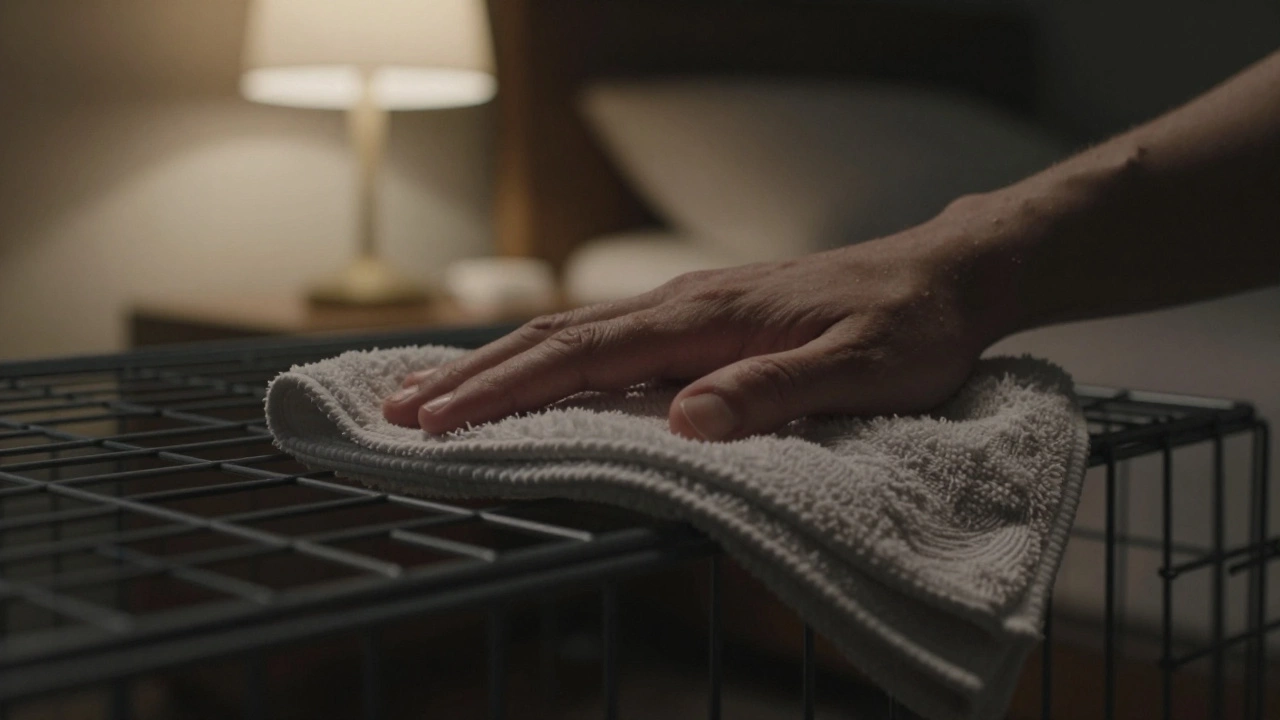
Well-meaning advice online often suggests ignoring the crying completely. While consistency is key, absolute ignoring for a brand-new puppy can lead to panic attacks. A better middle ground is the "towel pat" method. Lay a flat hand or folded towel gently on top of their crate while making soft, rhythmic sounds to mimic heartbeats. It reassures them without encouraging play.
Another trap is taking them into your bed because "it's freezing." Unless you have a specific plan to phase this out eventually, bring them up now. Later, getting them used to the floor again is infinitely harder. If they must stay on the floor, ensure the bedding has heat retention properties, perhaps a heated pad designed for pets underneath their blanket.
Also, don't forget socialisation limits. Over-tired puppies behave like hyperactive toddlers. If they are wound up high-energy, they cannot wind down. Try to keep evening energy levels lower than daytime. A brisk walk earlier in the day helps tire their muscles, while calm chewing games in the evening help tire their brains.
When to Call the Vet
Sometimes crying is communication of pain. Watch for specific red flags. If the crying involves limping, panting heavily while lying down, or shaking uncontrollably, it could be illness. Puppies who refuse water or show a distended abdomen alongside vocalising need immediate vet attention. These symptoms often accompany conditions like parvovirus or foreign object ingestion.
Differentiate between a "complaint cry" and a "pain cry." Complaints usually stop when the owner arrives. Pain cries continue even with comfort or escalate in intensity regardless of your presence. Trust your gut. You know this creature better than anyone else.
Establishing a Predictable Routine
Predictability reduces fear. Dogs thrive on knowing what comes next. Establish a winding-down sequence that signals sleep is coming. For example: feed dinner, wait 20 minutes, then a short toilet trip, followed by the final crate placement. Always do this in the same order.
As the nights progress, extend the time between potty breaks slightly. By week six, many puppies sleep through the night consistently. If you find yourself waking up at the same exact time every night, they may be clock-watching. Adjust your own bedtime slightly or vary their food timing to break the association.
How long does puppy crying at night usually last?
It varies by breed and individual temperament, but most puppies settle within two to four weeks. Consistent routines speed this up significantly. Some sensitive breeds, like Greyhounds or Collies, may take up to two months to feel fully secure sleeping away from owners.
Is it okay to leave a water bowl out overnight?
Generally, remove water about an hour before bed. This ensures they empty their bladder during the final pre-bed potty break. Leaving a bowl out guarantees accidents inside the crate, which reinforces negative associations with the sleeping area.
What is the best surface for a sleeping puppy?
A padded cushion inside a crate or pen is ideal. Avoid hard plastic liners directly under the puppy. In colder climates, use washable fleece blankets. Ensure the bedding doesn't allow the puppy to drag large chunks into their mouth, which is a choking hazard.
Should I ignore the crying completely?
Total ignoring risks causing severe distress. Instead, respond minimally. If you must attend to them, keep it boring. Only engage if it has been past their physical limit for holding urine, or if they appear sick or injured.
Can white noise help stop the crying?
Yes, white noise masks sudden household sounds that might trigger a startled reaction. It also provides a constant sound backdrop that feels similar to the busy life of the litter. A simple desk fan is often effective and affordable.