Let’s be honest-rehoming a pet isn’t a decision anyone makes lightly. Maybe your job moved across the country, your health changed, or your living situation no longer fits. Whatever the reason, you want to do right by your animal. You’re not giving up. You’re finding a better fit. And that matters.
Start with the people who know your pet best
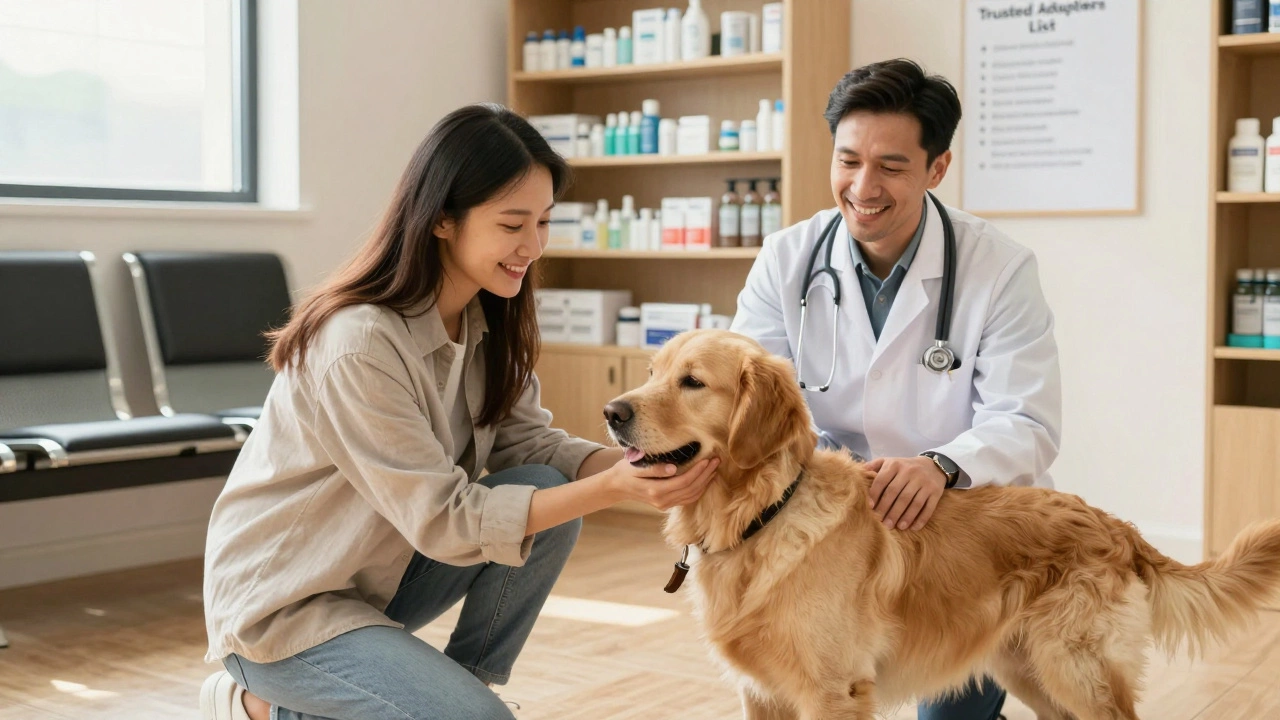
Your first stop shouldn’t be a website or a social media post. It should be your vet. They’ve seen your pet’s medical history, behaviour, and how they react to different people. Many vets keep a quiet list of trusted adopters-people who’ve successfully taken in pets before, who’ve been screened, and who understand what your animal needs. In Bristol, clinics like the Avon Vet Centre and Bristol Animal Hospital regularly connect owners with pre-vetted homes. They don’t charge for this service. They just want your pet to land somewhere safe.
Don’t underestimate your own network either. Ask friends, neighbours, coworkers. Post in local community groups-not just Facebook, but Nextdoor, community boards at the library, or even the pub noticeboard. People who already know you and your pet are more likely to give them a real chance. A dog who barks at strangers might be fine with your neighbour’s quiet household. A cat who hides from kids might thrive with a retired teacher who’s home all day.
Rehoming centres: your most reliable option
If you can’t find a home yourself, take your pet to a reputable rehoming centre. Not all centres are the same. Look for ones that are registered with the Association of Dogs and Cats Homes (ADCH) or are members of the RSPCA network. These organisations follow strict welfare standards: they assess temperament, provide medical care, and match pets to homes based on lifestyle, not just availability.
Centres like Bristol Animal Rescue or Blue Cross Bristol don’t just put pets up for adoption-they spend weeks getting to know them. They note if your dog needs a yard, if your cat is scared of vacuum cleaners, or if your rabbit needs a companion. They’ll even do home checks. That’s not bureaucracy. That’s protection-for your pet and the new family.
Be honest. Tell them everything. If your dog has chewed through three doors, say so. If your cat won’t use a litter box unless it’s in a quiet corner, tell them. Hiding details leads to returns. And returns are traumatic-for the pet and the centre.
What to avoid: the dark side of online rehoming
Facebook groups, Gumtree, and Craigslist might seem easy. But they’re also where scams, neglect, and impulse adoptions happen. A post that says “free to good home” can attract people who want a free guard dog, a cheap breeder’s source, or just a pet to use and discard.
Here’s what to watch for:
- They ask for no references or home check
- They want to take the pet immediately, without meeting
- They say “I’ll just keep it in the garage” or “I don’t need to walk it”
- They offer to pay you cash and disappear
Never accept payment for rehoming. In the UK, charging for rehoming a pet can be considered illegal under the Animal Welfare Act 2006. If someone offers you money, walk away. It’s a red flag.
Prepare your pet for the transition
Your pet doesn’t understand why they’re leaving. They feel abandoned. You can reduce that fear.
Start by keeping routines. Feed at the same time. Walk at the same hour. Don’t suddenly stop cuddling them because you’re sad. They need stability now more than ever.
Update their microchip. If you’re handing them over to a centre, make sure your contact info is current. If you’re giving them to a private adopter, transfer the chip registration to their name through the UK’s Petlog database. It’s free, and it’s the only way they can be returned to you if they get lost.
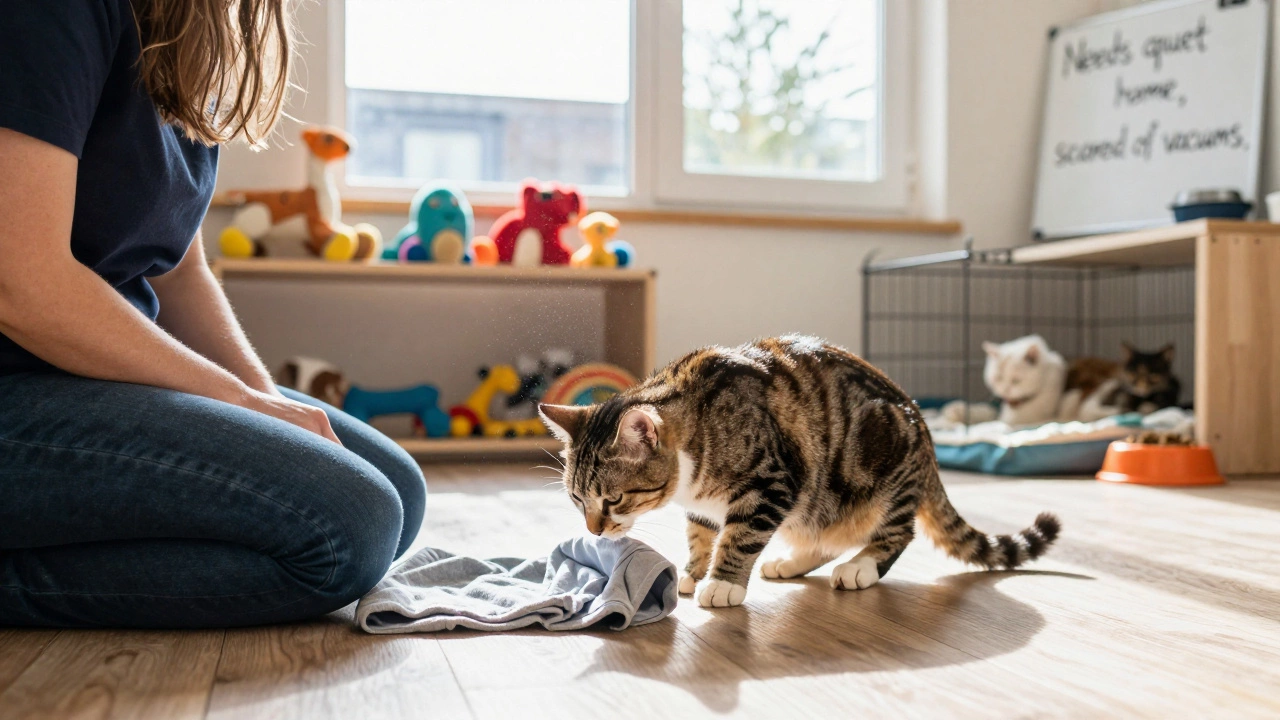
Leave behind something that smells like you-a worn T-shirt, a blanket they sleep on. That scent helps them feel safe in a new space. It’s not magic. It’s science. Dogs and cats rely on smell to feel secure.
Follow up-but don’t hover
It’s natural to want to know how they’re doing. But checking in too often can confuse your pet and stress the new owner. Wait at least two weeks. Then, if you’re still worried, send a short, kind message: “Just wanted to say thank you for giving them a home. I hope they’re happy.”
Some centres offer post-adoption check-ins. Use them. They’ll call the new owner, ask how things are going, and help fix problems before they become big ones. That’s the kind of support that makes rehoming work.
What if your pet has special needs?
Older pets, pets with arthritis, diabetes, or anxiety? They still deserve good homes. But finding them takes more effort.
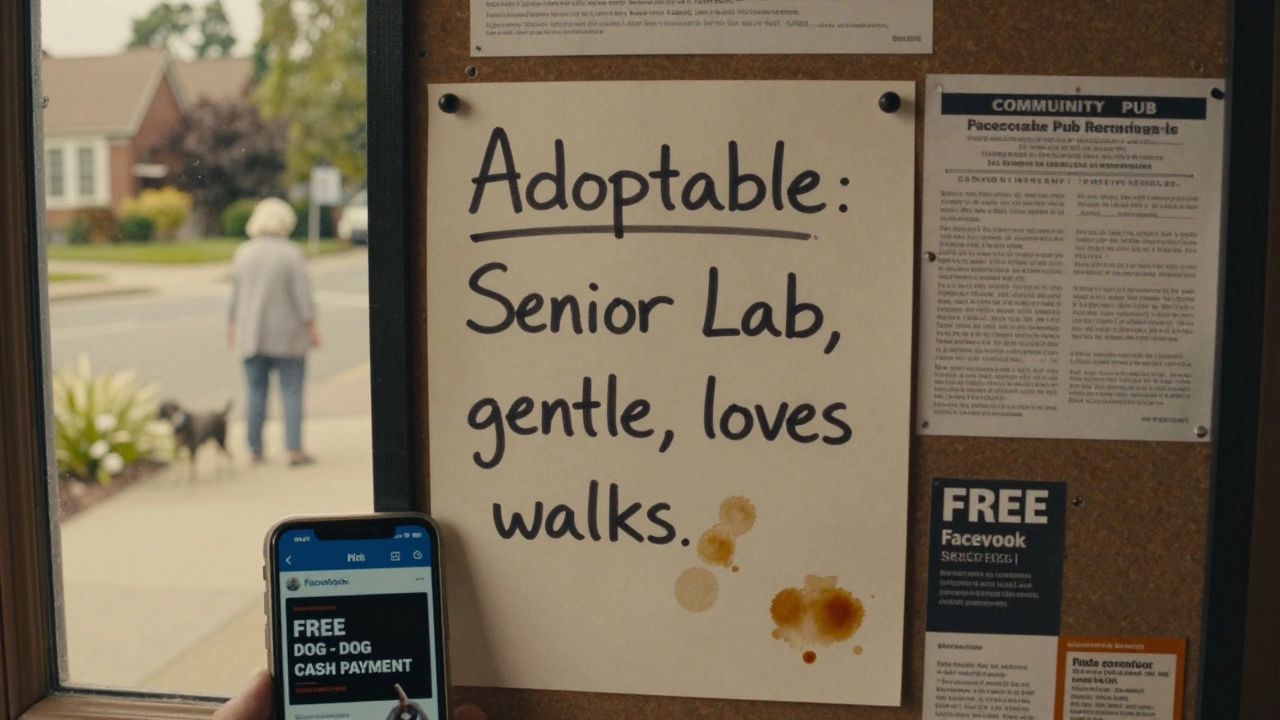
Reach out to breed-specific rescues. For example, if you have an elderly Labrador, contact Labrador Rescue UK. If you have a senior cat with kidney disease, try Cats Protection-they have a special program for older or medically complex cats. These groups have experience matching pets with owners who understand the commitment.
Don’t assume no one will take them. People adopt senior pets every day. They’re quieter. They’re calmer. They’re often already trained. And they need someone who won’t give up on them.
Final thought: Rehoming isn’t failure. It’s love.
You didn’t fail your pet by rehoming them. You failed them by keeping them somewhere they couldn’t thrive. You’re not letting go-you’re choosing a better future for them. That’s courage.
Take your time. Be honest. Use the right resources. And remember: your pet’s next chapter starts with you making the right call. Not the easy one. The right one.
Can I rehome my pet for free in the UK?
Yes, you can and should rehome your pet for free. Charging money for rehoming is against the Animal Welfare Act 2006 and can be seen as exploitation. Reputable rehoming centres and rescue groups never charge the original owner. If someone offers to pay you, it’s a red flag-this could be a scam or illegal breeding operation.
How long does it take to rehome a pet?
It varies. A young, healthy dog or cat might find a home in a few days if you use a good rehoming centre. Older pets, those with medical needs, or breeds that are less popular (like greyhounds or exotic rabbits) can take weeks or even months. The key is patience and honesty. The right home is worth waiting for.
What documents do I need to rehome my pet?
You’ll need your pet’s microchip details, vaccination records, and any medical history. If your pet is registered with Petlog, update your contact info before handing them over. If you’re using a rehoming centre, they’ll handle the paperwork. If you’re giving them directly to a new owner, help them register the microchip in their name. Keep copies of everything.
Can I rehome a pet if I live in rented accommodation?
Yes, but you’ll need to prove the new home is pet-friendly. Most rehoming centres require a copy of the rental agreement showing pets are allowed. If you’re giving your pet to a friend or family member, ask them to show you their tenancy agreement. Some landlords won’t allow pets unless they’re registered as assistance animals-so check the rules before making any promises.
What if I can’t afford to take my pet to a rehoming centre?
Many rehoming centres offer free collection services, especially if your pet has medical needs or you’re in hardship. Contact your local RSPCA branch, Blue Cross, or Dogs Trust. They’ll send someone to pick up your pet, often within 24-48 hours. Don’t delay-reach out now. They’re there to help, not judge.