Peanut Butter Safety Checker & Portion Calculator
Step 1: Check Ingredients
Select all ingredients you see listed on the jar label:
Step 2: Portion Calculator
Calculate safe serving size for your dog:
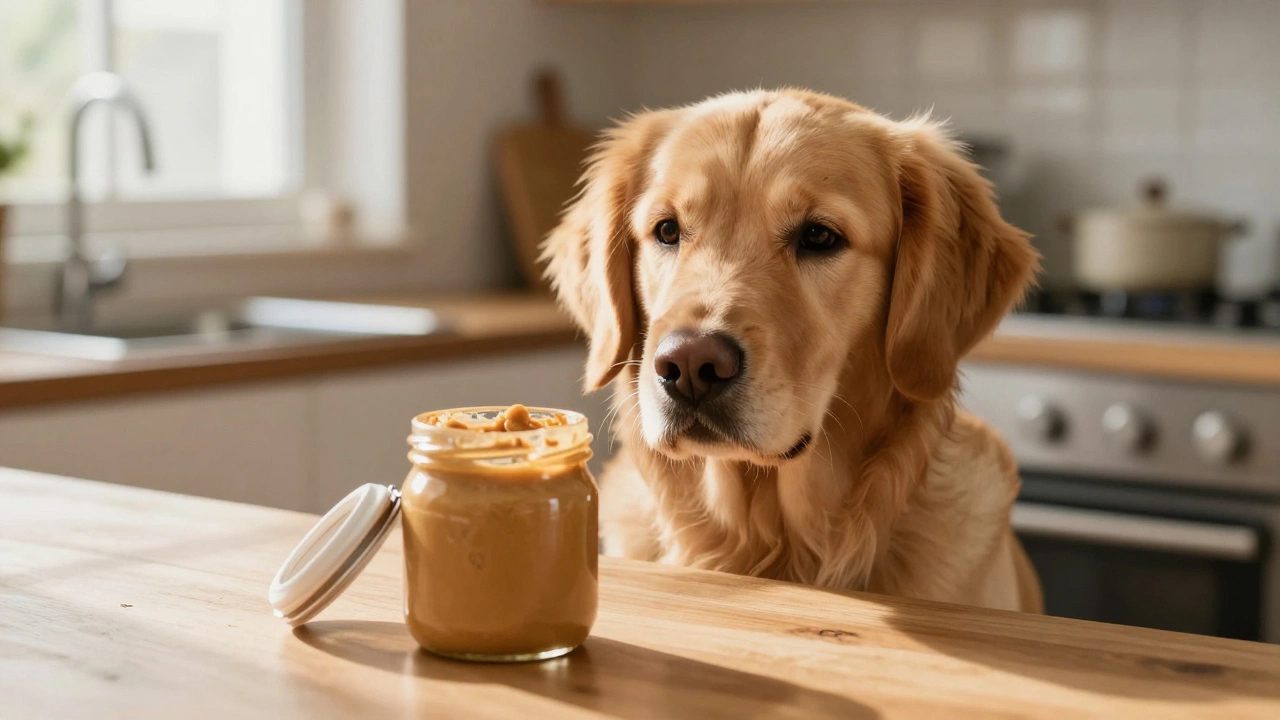
Pick up any jar of peanut butter a common household condiment often used in baking and snacks, and your dog will stare at you with wide eyes. It’s a popular treat idea because it smells good and feels safe. But there is one ingredient hiding in many jars that is actually toxic to your pet. If you ignore this, the result isn’t just an upset stomach; it could lead to liver failure. You need to know exactly which brand works and why.
The Silent Killer Ingredient
You cannot separate peanut butter safety from one specific word. That word is xylitol a sugar alcohol commonly used as a low-calorie sweetener. It looks harmless enough. Manufacturers added it because people wanted fewer calories and lower sugar spikes. For humans, it’s fine. For dogs domesticated canines that require species-appropriate diets, it is lethal. Even small amounts trigger a massive release of insulin from the pancreas. This causes blood sugar to plummet dangerously fast.
This condition is called hypoglycemia. Your dog becomes weak, collapses, vomits, and potentially suffers seizures. Within 24 hours, their liver can shut down. We used to think it was just a stomach ache issue, but we now know the timeline is extremely short. Some dogs react to doses as low as 0.1 grams per kilogram of body weight. A tiny taste from the spoon could be too much for a Chihuahua. You cannot rely on the packaging front design to tell you this. They often hide the sweeteners deep in the ingredient list.
How to Read the Label Like a Pro
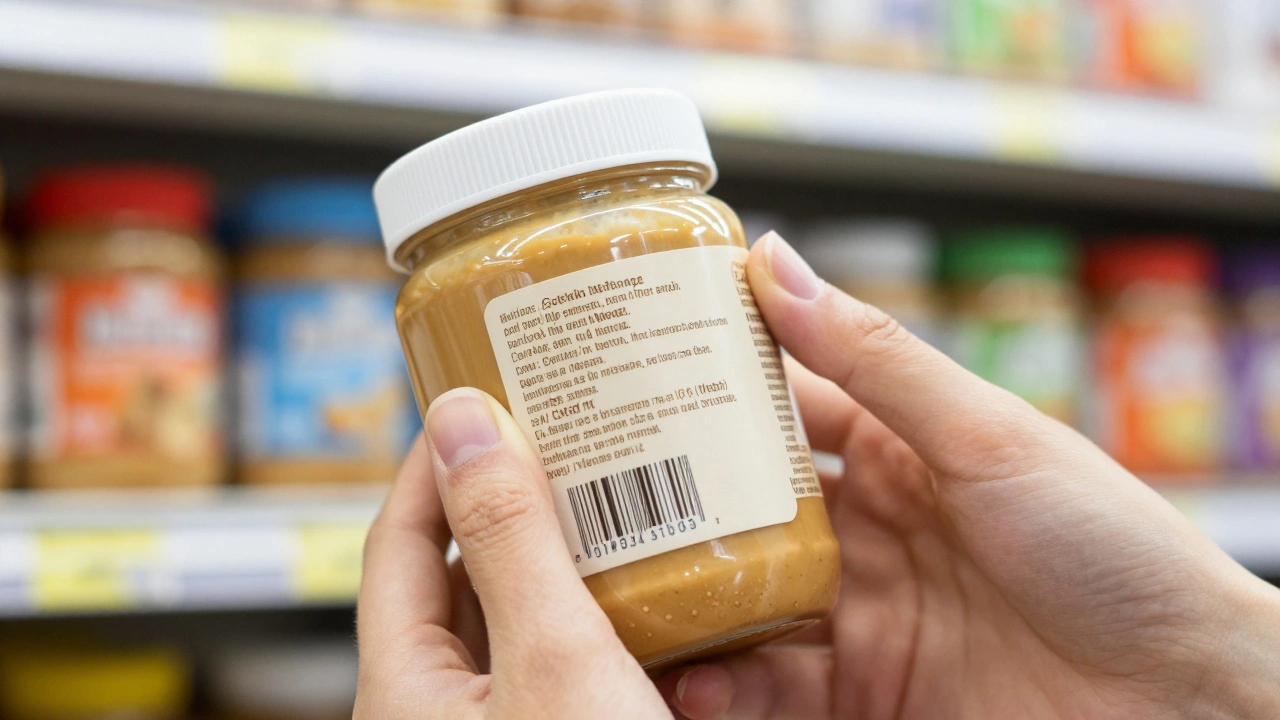
If you walk into a supermarket aisle in Bristol right now, you see rows of jars. Many are labeled "Natural" or "Organic." Do not trust those marketing terms. Natural doesn’t mean xylitol-free. Some health-food brands specifically target diabetics or low-carb diets using this sweetener. You must turn the jar around.
Look for the "Sweeteners" or "Ingredients" block near the bottom. If you see xylitol listed anywhere, put the jar back immediately. Sometimes they use fancy chemical names instead. Watch out for Erythritol, which is also risky for dogs, though less studied than xylitol. Avoid anything claiming "Sugar-Free." While some sugar-free versions use artificial sweeteners like Aspartame which aren't immediately fatal, the risk of Xylitol contamination in the manufacturing process exists. It’s safer to stick to simple recipes: peanuts, oil, and salt. Period.
Safe Brand Options in 2026
Finding a jar that passes the test takes effort. Formulations change year to year. A batch bought in January might differ from a batch bought in March. Below are categories and examples that typically remain safe, but always verify the back label.
| Type | Safety Status | Typical Ingredients | Risk Level |
|---|---|---|---|
| Creamy Commercial | Mixed (Check Label) | Peanuts, Sugar, Palm Oil, Salt, Mono/Diglycerides | High (Often contains Xylitol or high sugar) |
| Natural/Pure | Generally Safe | Roasted Peanuts, Sea Salt | Low (Watch for hidden sweeteners) |
| Sugar-Free | Dangerous | Xylitol, Erythritol, Stevia | Extreme (Toxic) |
| Dog-Specific Treats | Safest Option | Peanut Flour, Glycerin, Dog Vitamins | Virtually None |
In the UK, major supermarkets often stock brands like Jif or Skippy. These classic American import brands usually avoid Xylitol, but you still find imported European health brands that do use it. Tesco own-brand peanut butters are typically safe regarding sweeteners, but they contain added sugar. High sugar isn't fatal like Xylitol, but it contributes to obesity and tooth rot in pets. If you are feeding treats, aim for the lowest calorie option.
Dog-Safe Peanut Butter Products specifically formulated for canine consumption without human additives exist as well. Companies like Zuke's or Beneful produce tubs specifically for dogs. These are guaranteed safe because the manufacturers know their customers. The price is higher than a standard supermarket jar, but buying a single safe tub saves potential thousands in emergency vet bills later.
Hidden Dangers Beyond Sweeteners
Even if you clear the Xylitol hurdle, peanut butter isn't nutritionally perfect. It is dense in fat. A large intake overwhelms your dog's digestive system. Pancreatitis is a real risk here. When inflammation hits the pancreas, it hurts severely. Symptoms include arched backs, vomiting, and loss of appetite. Keep portions microscopic compared to human servings.
Sodium is another factor. Human food is loaded with salt. Dogs don't have kidneys designed to filter that much sodium efficiently. Over years of eating salty treats, this strains the kidneys and increases thirst. Look for "Unsalted" varieties if possible. Also, steer clear of peanut butter containing hydrogenated oils. These trans fats offer no benefit and are linked to heart disease in long-term studies. Stick to the simplest ingredient lists you can find. Ideally, peanuts and salt should be the only two items on the list.
Calculating Safe Portions
Treats shouldn't exceed 10% of a dog's daily caloric intake. Most peanut butter brands list 90-100 calories per tablespoon. A medium dog needs roughly 1,000 calories a day. That means one tablespoon is a lot. Splitting that amount is necessary.
- Small Breed: 1/4 teaspoon twice weekly max.
- Medium Breed: 1/2 teaspoon twice weekly max.
- Large Breed: 1 teaspoon twice weekly max.
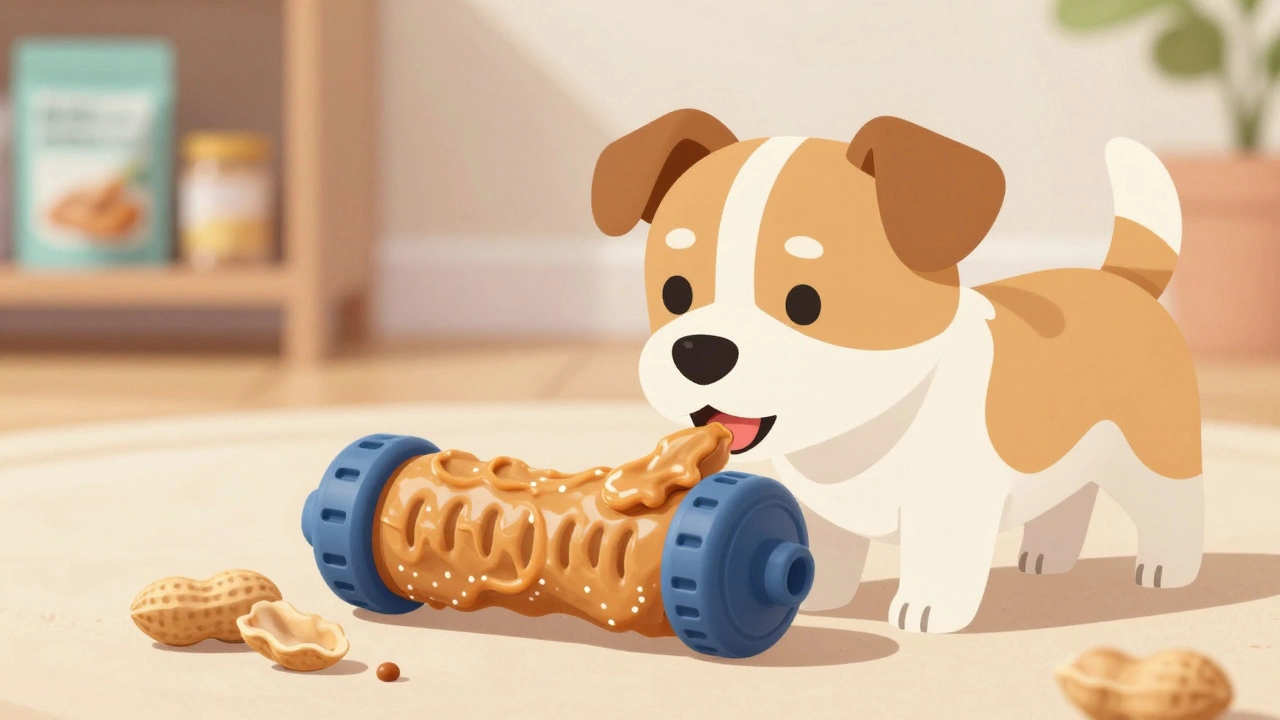
This keeps them as a fun reward without ruining their diet balance. Using the treat for enrichment is better than giving it directly. Put that quarter-teaspoon inside a Kong toy. It makes the dog work for it, slowing down consumption. It reduces anxiety and extends the enjoyment time. This strategy turns a fatty snack into a mental exercise session.
What to Do If Accidental Ingestion Happens
Did your pup swipe a jar off the counter? You need to act instantly. Do not wait for symptoms to appear. By the time they shake or collapse, damage has occurred. First, take the jar to the vet immediately. Knowing the specific concentration helps them calculate dosage. Call your local animal hospital. Tell them straight away: "My dog ate Xylitol." If you aren't sure, bring the container.
If the ingestion happened within the last hour, the vet may induce vomiting. However, if enough time has passed, they monitor blood glucose levels constantly. Insulin shock happens quickly. You cannot fix this at home. Waiting until morning is never a good strategy. Early intervention is the difference between a scare and a tragedy.
Alternatives to Peanut Butter
If the risk feels too high, consider switching entirely. There are plenty of healthy options that provide the same texture or protein profile without the risk. Pumpkin puree mixes well for filling Kongs. Low-fat plain yogurt adds probiotics if your dog handles dairy. Sardines are excellent for Omega-3 fats. Cheese cubes work if they are unsalted. The goal is rewarding behavior without introducing toxins. Always check these alternatives too; even pumpkin can contain added sugar in some store-bought tins.