Dog Food Ingredient Safety Checker
That bag of kibble sitting on your pantry shelf looks harmless enough. It smells savory, maybe a bit like chicken or beef, and the packaging promises 'complete nutrition.' But have you ever actually read the ingredient list past the first three items? Most pet owners don't. We trust the brand name, we check the price, and we assume that if it's sold in a store, it must be safe. The problem is that 'safe' for a human doesn't mean safe for a dog. Their metabolism processes chemicals differently than ours do.
Feeding your dog isn't just about filling their bowl; it's about protecting their internal organs from slow-acting toxins. Some ingredients cause immediate vomiting, while others silently damage the liver or kidneys over months. Knowing what to avoid in dog food can literally save your pet's life. Let's look at the specific culprits hiding in plain sight.
The Sweet Killer: Xylitol and Artificial Sweeteners
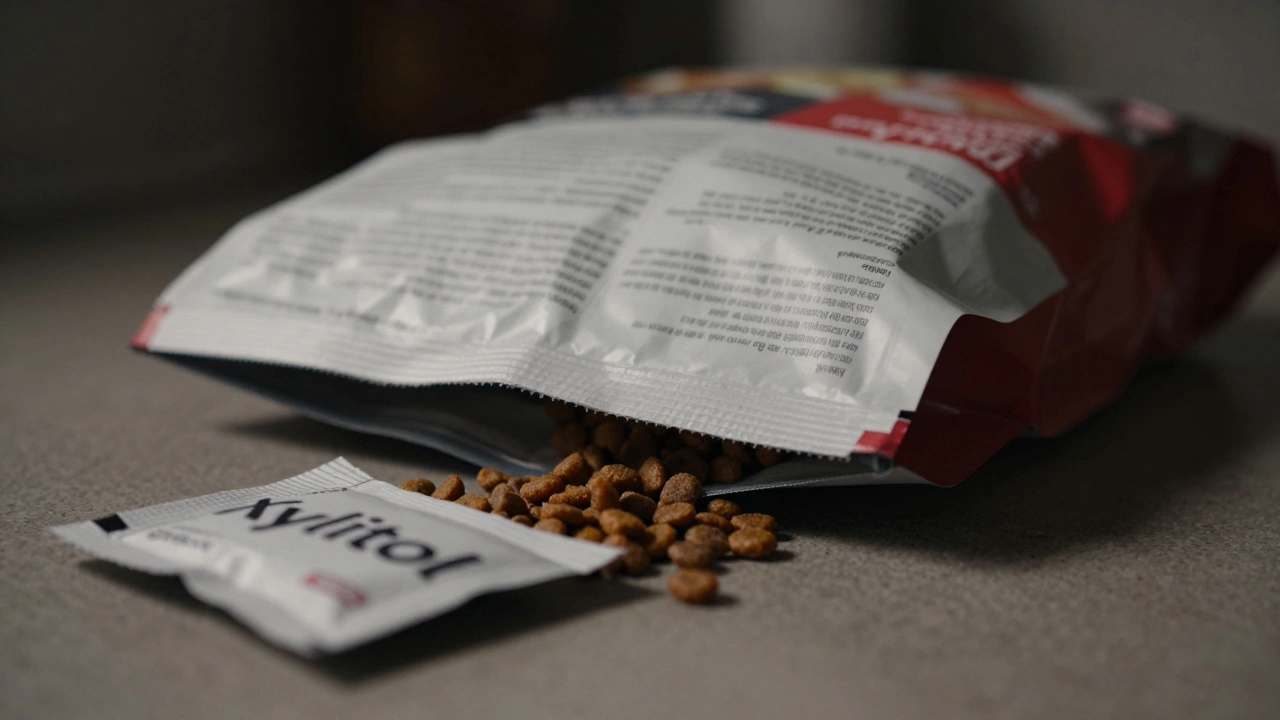
If there is one ingredient that demands your immediate attention, it is Xylitol, which is a sugar alcohol used as a low-calorie sweetener in many human foods and some pet treats. You might know it by other names on labels, such as birch sugar or alditol. To humans, it's a helpful tool for dental health and weight management. To dogs, it is a potent toxin.
When a dog ingests xylitol, it triggers a rapid release of insulin from the pancreas. This causes blood sugar levels to crash dangerously low (hypoglycemia) within 10 to 60 minutes. Symptoms include weakness, vomiting, loss of coordination, and seizures. In severe cases, it leads to acute liver failure. The scary part? The lethal dose varies wildly between breeds. A small Chihuahua could suffer serious harm from just a few grams, whereas a Great Dane might need significantly more. Always check treat wrappers and dental chews for this ingredient.
While xylitol is the big danger, other artificial sweeteners like saccharin and aspartame are generally considered less toxic but still offer no nutritional benefit. They exist solely to make the food palatable to factory workers who taste-test the product, not to nourish your dog. Stick to natural sweetness from fruits like blueberries or apples if you want to add flavor.
Fillers That Fuel Inflammation
Walk down any supermarket aisle, and you'll see bags boasting 'Chicken Dinner Flavor.' Look closer at the ingredients. Often, the first item isn't chicken meal; it's corn, wheat, or soy. These grains are cheap fillers. They stretch out the protein content so manufacturers can charge premium prices for bulkier bags.
Corn and wheat are common allergens for dogs. Just like some people react to gluten or dairy, many dogs develop skin issues, ear infections, and digestive upset when fed grain-heavy diets. While not every dog is allergic to grains, these fillers provide little nutritional value compared to whole meats or vegetables. They spike blood sugar and contribute to obesity, which puts extra strain on joints and the heart.
Soy is another controversial filler. It contains phytoestrogens, which can interfere with a dog's hormonal balance. Long-term consumption of high-soy diets has been linked to thyroid issues in some studies. If you see 'corn gluten meal,' 'soybean meal,' or 'wheat middlings' near the top of the list, put the bag back. Your dog needs protein, not plant-based padding.
Chemical Preservatives: BHA, BHT, and Ethoxyquin
Fresh food spoils quickly. Kibble needs to sit on shelves for months without growing mold. To achieve this, manufacturers use preservatives. Natural options like mixed tocopherols (Vitamin E) and rosemary extract are great. But synthetic preservatives tell a different story.
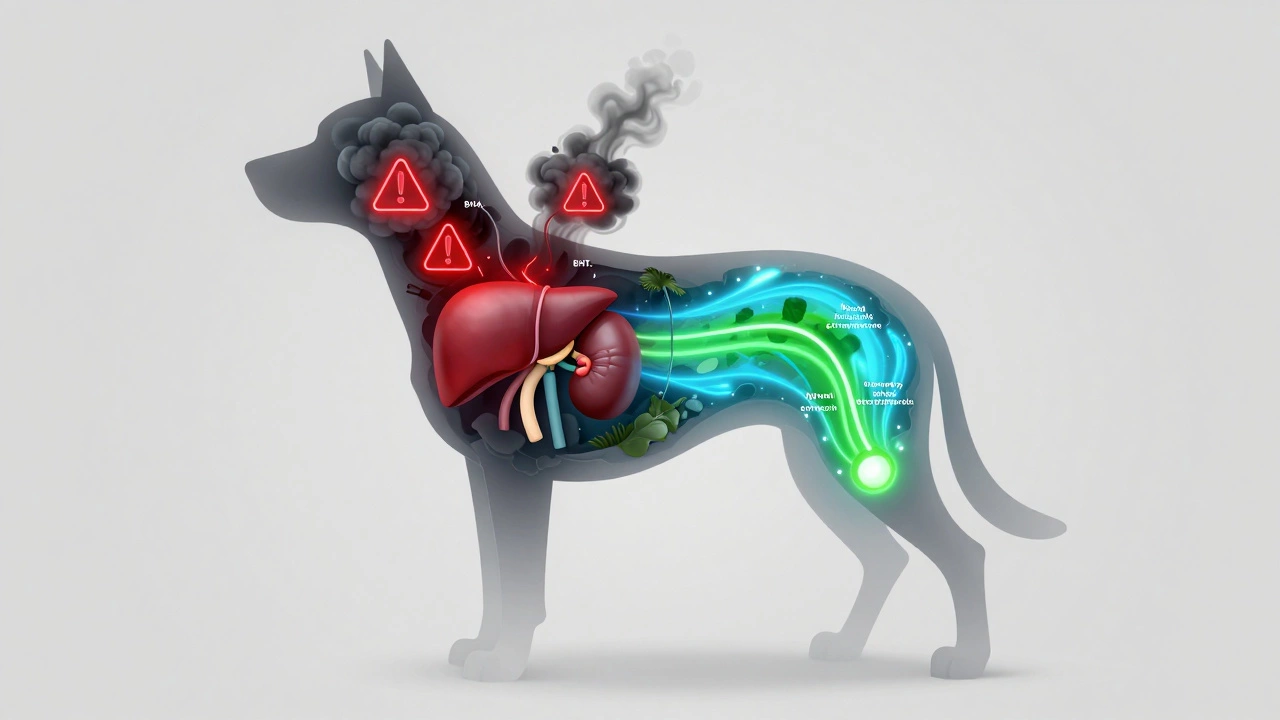
BHA (Butylated Hydroxyanisole) and BHT (Butylated Hydroxytoluene) are synthetic antioxidants widely used in the food industry. The National Cancer Institute has classified them as potential carcinogens. When dogs consume these chemicals daily over years, the risk of cellular mutation increases. Many holistic veterinarians advise avoiding them entirely.
Then there is Ethoxyquin, which is a synthetic antioxidant derived from petroleum products, commonly used to preserve red meat in dry dog food. Originally developed as a pesticide, ethoxyquin became popular because it keeps meat looking fresh. However, recent research suggests it may metabolize into harmful compounds that stress the liver and bladder. The FDA has raised concerns about its long-term safety. If you see ethoxyquin, choose a brand that uses natural preservation methods instead.
Vague Meat By-Products and Mystery Meals
Ingredient labeling laws allow for some ambiguity. Terms like 'meat by-products,' 'animal digest,' or 'poultry meal' sound vague for a reason. 'Meat by-products' can include lungs, spleens, brains, and intestines. While some of these tissues are nutritious, the term often masks lower-quality parts that wouldn't sell as steaks or chops. More importantly, it doesn't tell you *which* animal the parts came from.
'Poultry meal' could be chicken, turkey, duck, or even feather tips. If your dog has a specific allergy to chicken, 'poultry meal' is a gamble you shouldn't take. High-quality food lists specific proteins: 'Deboned Chicken,' 'Salmon Meal,' or 'Beef Liver.' Specificity indicates quality. Vagueness usually indicates cost-cutting. Aim for named sources of protein as the primary ingredients.
Artificial Colors and Flavors
Dogs don't care if their kibble looks like bright orange nuggets or green triangles. They eat based on smell. So why do manufacturers add Red 40, Yellow 5, and Blue 2? To appeal to *you*. Marketing teams believe colorful food looks more appetizing to humans buying the product.
These artificial dyes serve zero nutritional purpose. Some studies link artificial colors to hyperactivity and behavioral issues in sensitive dogs. Similarly, 'artificial flavors' are chemical compounds designed to mimic the scent of bacon or cheese. They mask the blandness of low-quality fillers. Real food smells good naturally. If a brand needs artificial enhancers to make the food smell appealing, the base ingredients are likely poor.
Risks of Raw and Homemade Diets
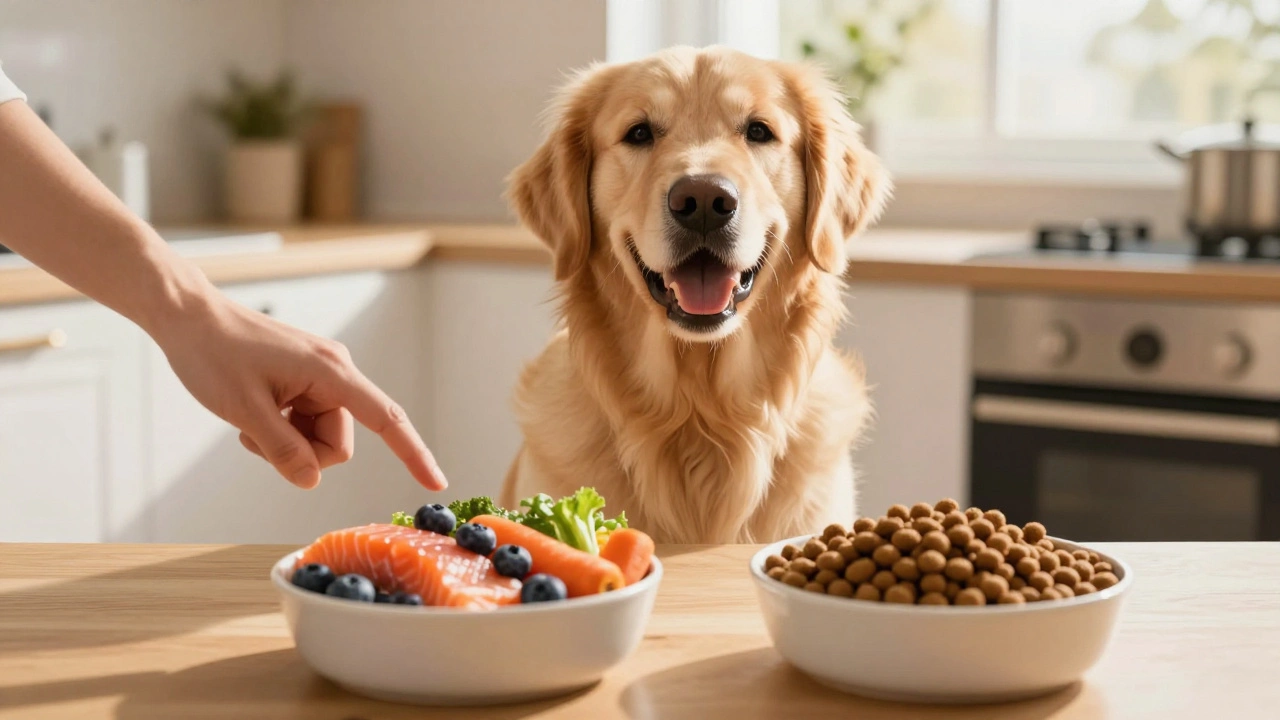
In an effort to avoid processed ingredients, many owners turn to raw feeding or homemade meals. While well-formulated raw diets can be healthy, they carry significant risks if not handled correctly. Raw meat can harbor Salmonella, E. coli, and Listeria. These bacteria pose a threat not just to your dog, but to your family members, especially children or immunocompromised individuals.
Homemade diets often lack essential nutrients. Dogs require precise ratios of calcium to phosphorus, along with specific vitamins like taurine and zinc. A diet of just chicken and rice will lead to severe deficiencies over time, causing bone deformities and heart failure. Unless you work with a veterinary nutritionist to formulate a balanced recipe, homemade food is a dangerous experiment. Commercial raw foods that are freeze-dried or dehydrated offer a safer alternative by killing pathogens through processing while retaining nutrients.
How to Read Labels Like a Pro
Avoiding bad ingredients starts with literacy. Here is a quick checklist for your next shopping trip:
- First Ingredient: Should be a named meat source (e.g., Chicken, Lamb), not a grain or vegetable.
- No Fillers: Avoid corn, wheat, soy, and rice unless your vet recommends a limited-ingredient diet for allergies.
- Natural Preservatives: Look for mixed tocopherols, rosemary extract, or vitamin E.
- No Artificial Additives: Reject BHA, BHT, ethoxyquin, and artificial colors/flavors.
- Specific Proteins: Ensure all meat sources are clearly identified.
| Ingredient Type | Safe / Preferred | Unsafe / Avoid |
|---|---|---|
| Protein Source | Deboned Chicken, Salmon Meal, Beef Liver | Meat By-Products, Poultry Fat, Animal Digest |
| Grains/Fillers | Oats, Brown Rice (if tolerated) | Corn, Wheat, Soy, Corn Gluten Meal |
| Preservatives | Mixed Tocopherols, Rosemary Extract | BHA, BHT, Ethoxyquin |
| Sweeteners | None needed, or fruit purees | Xylitol, Saccharin, Aspartame |
| Colors/Flavors | Natural beet juice (for color) | Red 40, Yellow 5, Artificial Flavors |
Transitioning Safely
Switching to cleaner food doesn't happen overnight. Sudden changes upset a dog's gut microbiome, leading to diarrhea and vomiting. Transition slowly over 7 to 10 days. Start with 25% new food and 75% old food. Gradually increase the ratio of the new food each day. Monitor your dog's stool and energy levels during this period. If you notice itching or loose stools, pause the transition and consult your vet.
Remember, the best food is the one your dog tolerates well and that fits your budget. Expensive doesn't always mean better, but cheap often means compromised quality. By knowing what to avoid, you empower yourself to make choices that support your dog's long-term health, keeping their coat shiny, their mind sharp, and their body strong for years to come.
Is corn really bad for dogs?
Corn itself is not toxic to dogs, but it is a common allergen and a low-quality filler. It provides carbohydrates but lacks the essential amino acids found in meat. For dogs with sensitive stomachs or grain allergies, corn can trigger skin issues and digestive upset. It's best avoided in favor of higher-protein ingredients.
Can I feed my dog table scraps?
Occasional small amounts of plain, cooked meat or vegetables are usually fine. However, regular table scraps can lead to nutritional imbalances and obesity. Avoid scraps seasoned with garlic, onion, salt, or butter, as these can be harmful. It's safer to stick to formulated dog food for the majority of their diet.
What does 'grain-free' mean?
Grain-free diets exclude wheat, corn, and rice, replacing them with potatoes, peas, or lentils. While beneficial for dogs with grain allergies, recent studies have linked certain grain-free diets to Dilated Cardiomyopathy (DCM), a heart condition. Consult your vet before switching to grain-free, especially if your breed is prone to heart issues.
Are bones safe in dog food?
Cooked bones are extremely dangerous as they splinter and can puncture the digestive tract. Raw bones can be safer but still pose choking and bacterial risks. Most commercial kibbles do not contain bones. If you choose to give bones, only use raw, large marrow bones under supervision, and never cooked ones.
How do I know if my dog has a food allergy?
Signs of food allergies include chronic itching, ear infections, paw licking, and gastrointestinal issues like gas or diarrhea. Diagnosis requires an elimination diet trial supervised by a vet, where you feed a novel protein source for 8-12 weeks to see if symptoms resolve. Blood tests are often unreliable for diagnosing food allergies.