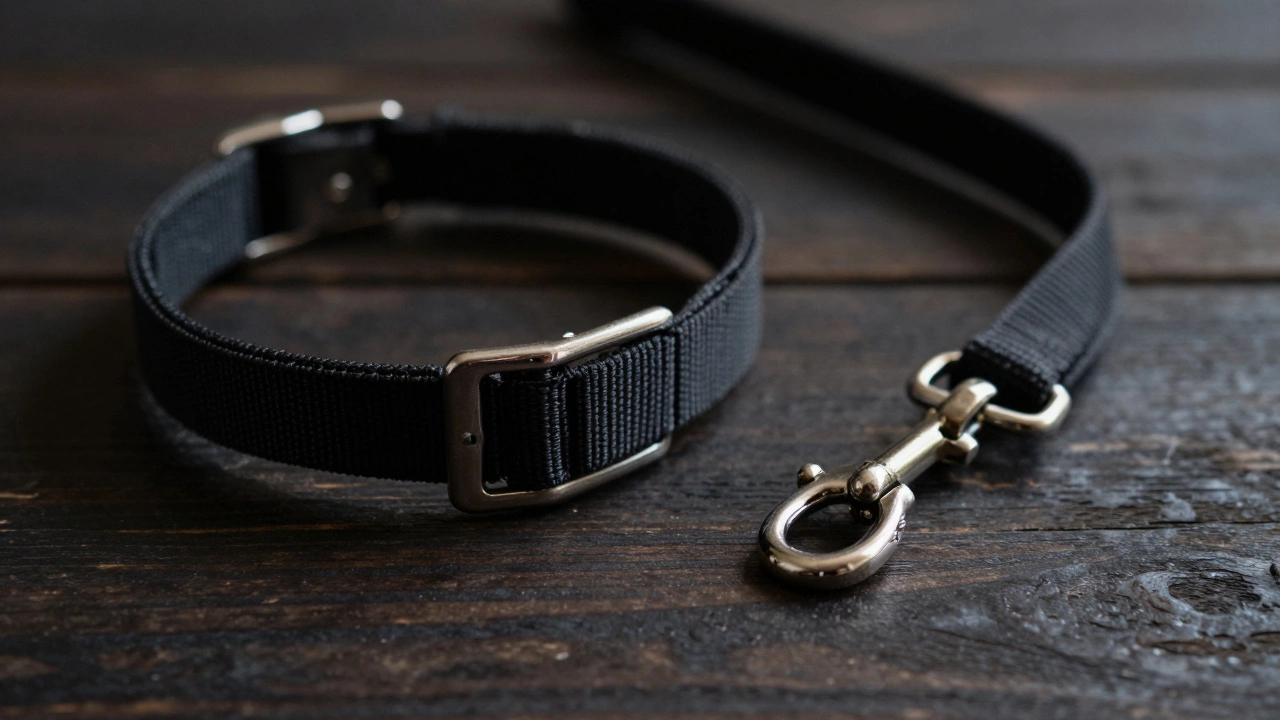
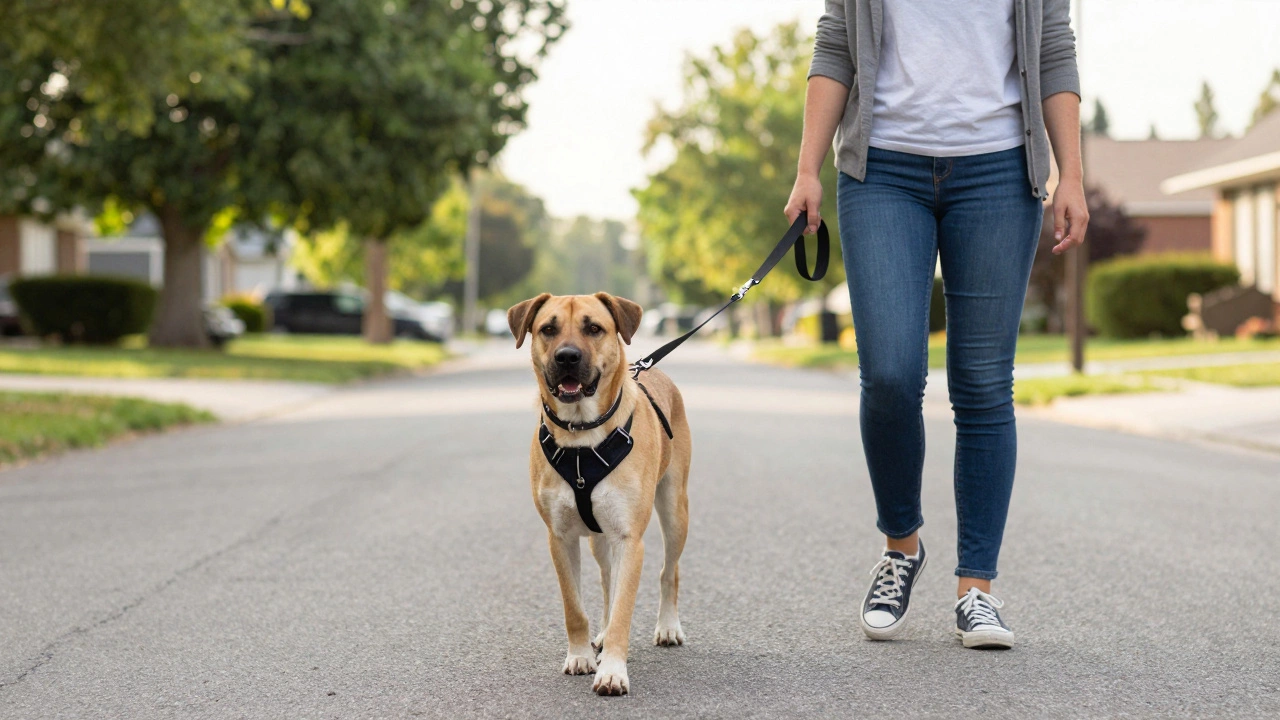
Ever walked your dog and felt like you’re in a tug-of-war with a 70-pound muscle? You’re not alone. Leash pulling is one of the most common complaints from dog owners - and prong collars are often the go-to solution. But here’s the truth: prong collars don’t stop pulling. They just make it less comfortable for your dog to do it. And that’s not training. That’s coercion.
How prong collars actually work
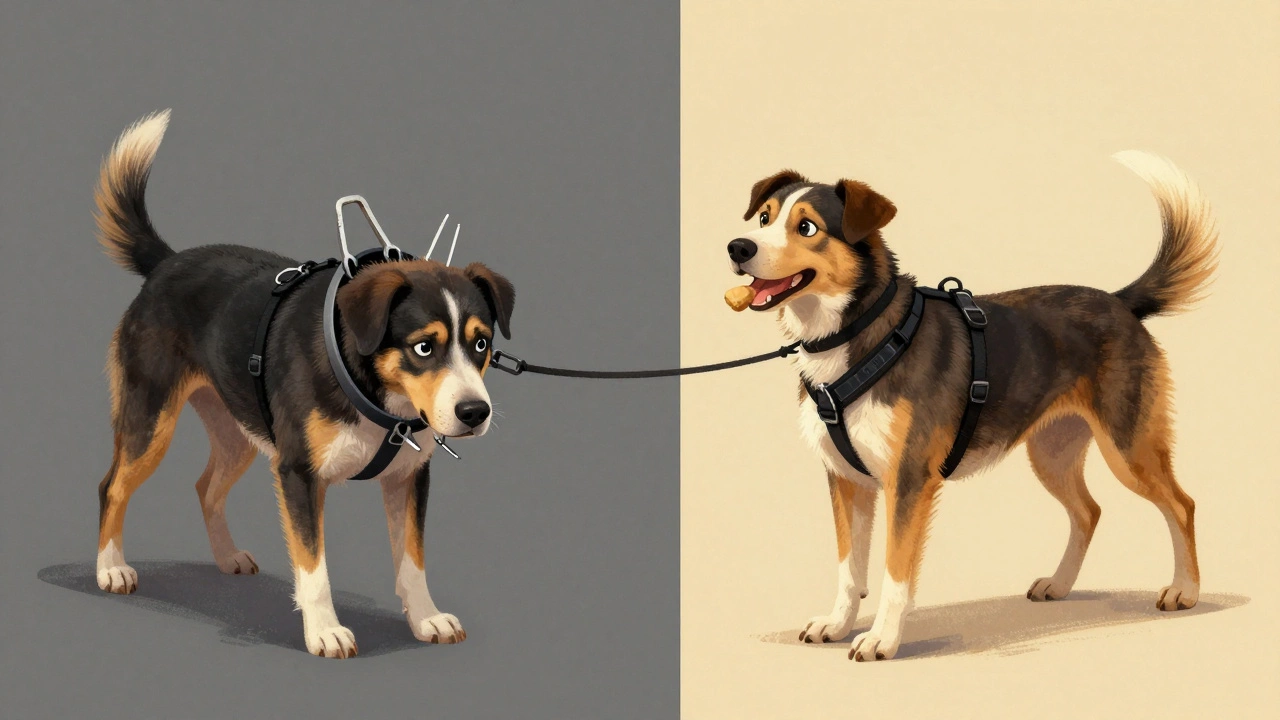
Prong collars, also called pinch collars, have metal links with blunt, inward-pointing prongs that press into your dog’s neck when tension is applied. The idea is that when your dog pulls, the collar pinches - creating discomfort. The moment they stop pulling, the pressure stops. It’s negative reinforcement: pain to discourage, relief to reward.
It’s not magic. It’s physics. And it works - in the short term. Many owners report their dogs stop pulling immediately after putting on a prong collar. But here’s what no one tells you: the dog isn’t learning. They’re just scared of the pain.
One study from the University of Pennsylvania’s School of Veterinary Medicine tracked 100 dogs using prong collars versus positive reinforcement methods. After four weeks, dogs using prong collars showed reduced pulling - but also higher stress levels. Their heart rates were elevated during walks. Their body language was tense: lowered ears, tucked tails, avoidance of eye contact. The dogs didn’t learn to walk nicely. They learned to fear the leash.
Why short-term results don’t equal long-term success
Let’s say your dog stops pulling on the prong collar. Great, right? But what happens when you take it off? What if you forget it at home? What if you’re walking them in the park and they spot a squirrel?
Most dogs who’ve only been trained with prong collars revert to pulling within days. Why? Because they never learned what to do instead. They didn’t learn to pay attention to you. They didn’t learn to stay calm around distractions. They just learned that the collar hurts when they pull.
Think of it like putting a speed limiter on your car. The car won’t go over 60 mph - but you still don’t know how to drive safely. You’re just being forced to slow down.
What actually stops dogs from pulling
Real leash training isn’t about controlling your dog’s neck - it’s about teaching them to choose to walk beside you. And that starts with rewards, not pain.
Here’s what works:
- Start with a well-fitting harness. A front-clip harness (like the Freedom No Pull or Easy Walk) redirects your dog’s movement when they pull. It doesn’t hurt. It just turns them gently back toward you.
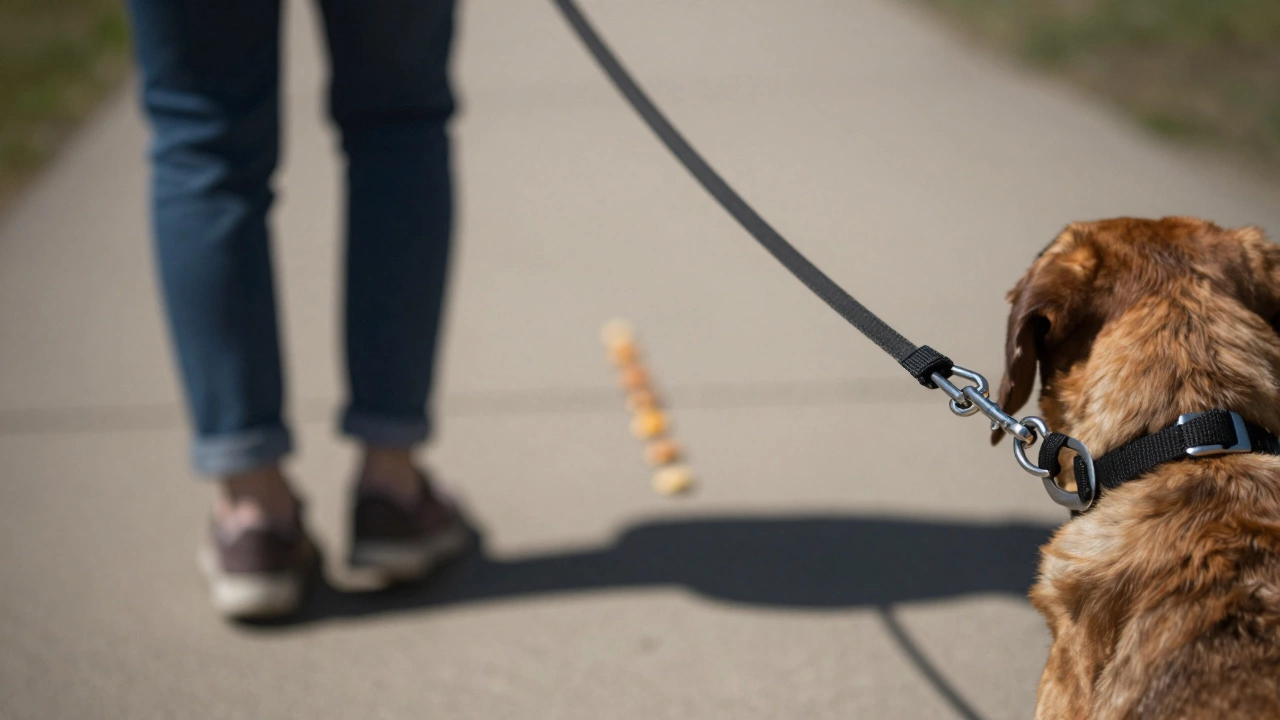
- Use high-value treats. Pick something your dog loves - chicken, cheese, freeze-dried liver. Every time they walk beside you without tension, mark it with a click or a “yes!” and give a treat.
- Stop walking when they pull. As soon as the leash tightens, stand still. Don’t yank. Don’t argue. Just wait. The second the leash goes slack - even a little - move forward and reward. Dogs learn fast: slack leash = treats. Tight leash = nothing.
- Keep sessions short. Five minutes, twice a day. Longer than that and your dog gets frustrated. Short, positive, and frequent builds real habits.
- Practice in low-distraction areas first. Start in your backyard. Then move to quiet streets. Only go to busy parks once your dog is consistently walking calmly.
One owner in Bristol, Sarah T., trained her 18-month-old Labrador using this method. She’d tried prong collars before - they worked for a week, then her dog started lunging harder. After switching to the front-clip harness and treats, within three weeks her dog was walking calmly beside her, even past other dogs and cyclists.
The hidden risks of prong collars
Prong collars aren’t just ineffective long-term - they can be dangerous.
When improperly fitted, the prongs can dig into the trachea, thyroid, or cervical spine. Dogs with neck injuries, brachycephalic breeds (like Bulldogs or Pugs), or puppies with developing bones are at higher risk. Even if fitted correctly, repeated pressure on the neck can cause nerve damage over time.
And then there’s the emotional toll. Dogs trained with aversive tools often develop fear-based aggression. They start associating other dogs, people, or even the sight of a leash with pain. One vet in Bristol told me about a German Shepherd who started snapping at other dogs after being trained with a prong collar - not because he was aggressive, but because every encounter triggered the memory of pain.
What about choke chains and shock collars?
Choke chains work the same way as prong collars - tightening on pull. They’re just less precise. Shock collars deliver electric pulses. All three are banned in the UK under the Animal Welfare Act 2006 for training purposes. Not because they’re “cruel” in a vague sense - but because science shows they cause more harm than good.
The RSPCA, the Kennel Club, and the Association of Professional Dog Trainers (APDT) all agree: aversive tools have no place in modern dog training. They’re outdated, risky, and unnecessary.
What to buy instead
You don’t need expensive gear. You need the right tools for the job.
- Front-clip harness - best for strong pullers. Redirects movement without pressure.
- Head halter (like the Gentle Leader) - gives you gentle control over the head. Good for dogs who lunge or pull hard.
- Standard flat collar - fine for well-trained dogs who don’t pull. Pair with a leash.
- Leash - 4 to 6 feet of nylon or leather. No retractables. They teach dogs to pull.
Cost? A good front-clip harness is £20-£30. Treats? A bag of freeze-dried liver costs £12 and lasts months. That’s cheaper than a prong collar - and it doesn’t risk your dog’s health or your relationship with them.
When to seek help
If your dog is pulling so hard they’re dragging you, or if they’re lunging at other dogs or people - don’t wait. Get help from a certified professional.
Look for a trainer who’s:
- Certified by the APDT or IAABC
- Uses positive reinforcement only
- Shows you how to train, not just how to manage
Most offer a free 15-minute consultation. Ask them: “Will you use any tools that cause pain or fear?” If they say yes, walk away.
The real goal isn’t to stop pulling - it’s to enjoy walks again
Walking your dog should be the best part of your day. Not a battle. Not a chore. Not something you dread because you’re afraid your dog will yank you into traffic.
Prong collars might silence the pulling - but they don’t fix the problem. They just bury it under fear.
True training builds trust. It teaches your dog that staying close to you is the easiest, most rewarding choice. And that’s something no pinch, shock, or choke can ever give you.
It takes patience. It takes consistency. But if you’ve ever felt the joy of walking beside your dog - relaxed, happy, connected - you know it’s worth it.
Do prong collars hurt dogs?
Yes. Prong collars are designed to cause discomfort by pressing metal prongs into the dog’s neck. Even when fitted correctly, they apply pressure to sensitive areas like the trachea and thyroid. Over time, this can lead to nerve damage, skin irritation, or even thyroid problems. Many dogs also develop anxiety around walks because they associate the leash with pain.
Are prong collars legal in the UK?
Under the Animal Welfare Act 2006, it’s illegal to use prong collars, choke chains, or shock collars for training dogs in England and Wales. They’re classified as devices that cause unnecessary suffering. While enforcement is rare, using them can lead to legal action if reported. Scotland and Northern Ireland have similar restrictions.
How long does it take to stop a dog from pulling?
It depends on the dog’s age, history, and how consistent you are. Most dogs show improvement in 2-4 weeks with daily 5-10 minute sessions. Older dogs or those with strong pulling habits may take 6-8 weeks. The key isn’t speed - it’s consistency. Training every day, even briefly, builds faster results than occasional long sessions.
Can puppies wear prong collars?
No. Puppies have delicate necks, developing bones, and sensitive nerves. Prong collars can cause permanent damage. Puppies should only use flat collars or front-clip harnesses. Start leash training as early as 8-10 weeks using treats and positive reinforcement. Early training prevents pulling before it becomes a habit.
What’s the best alternative to a prong collar?
The best alternative is a front-clip harness paired with positive reinforcement training. The harness redirects pulling gently, and treats teach your dog that walking calmly = rewards. Combine that with the “stop-and-wait” method, and most dogs learn to walk nicely in under a month. It’s safer, kinder, and more effective long-term.