Puppy Energy & Stage Predictor
Current Phase: ...
StageDescription goes here.
The Great Puppy Energy Mystery
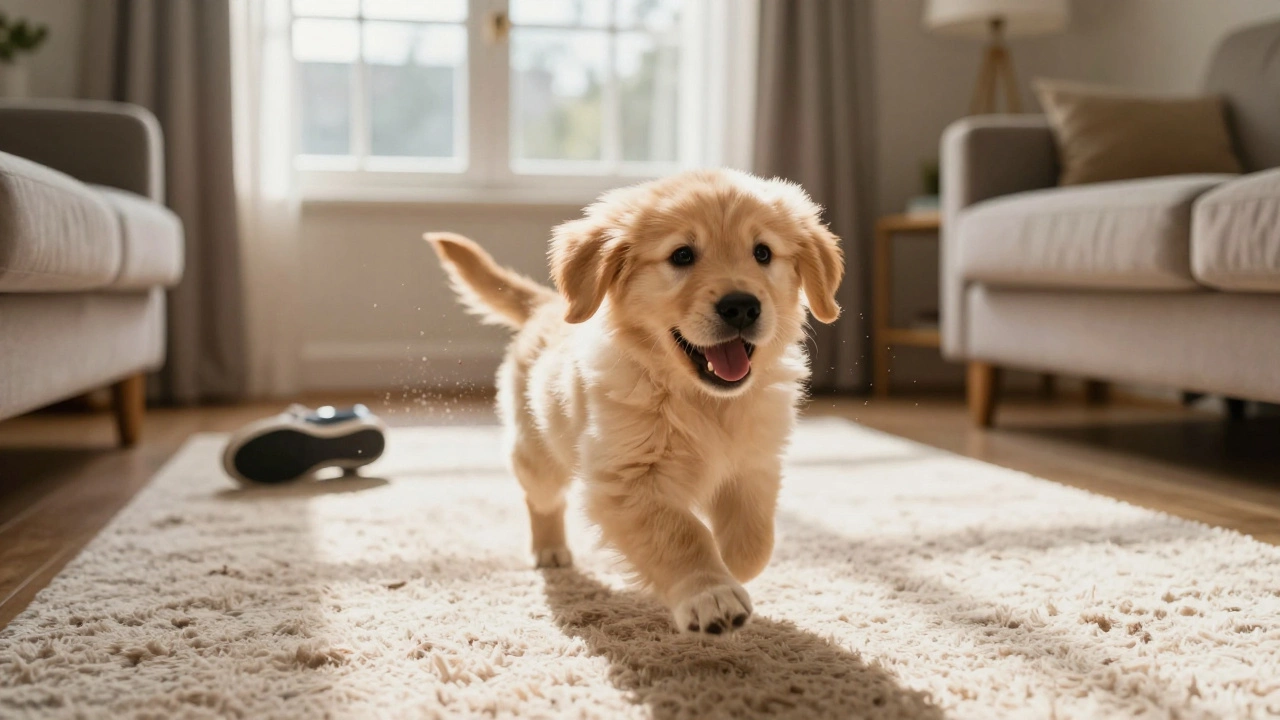
You’ve probably spent the last few weeks wondering if your house will ever stop feeling like a tornado hit it. One minute your pup is fast asleep, looking like a little angel, and the next, they are zooming across the living room, chewing on your favorite sneakers, and barking at a piece of floating dust. It’s exhausting, but here is the good news: there is a light at the end of the tunnel. While every dog is different, most puppies start to settle as their brains mature and they learn how to handle their emotions. If you are currently in the thick of the 'zoomies,' you aren't alone, and you aren't doing anything wrong. Your pup is just navigating a massive biological shift.
Quick Takeaways:
- Most puppies show a noticeable shift in energy between 6 and 18 months.
- The "teenage" phase (6-12 months) can actually bring more chaos before the calm.
- Mental stimulation is just as tiring as a long walk.
- Chewing is a developmental need, not just a bad habit.
The Age Milestones of Puppy Energy
Understanding the timeline helps you stop taking the chaos personally. When a puppy chews your table leg, they aren't trying to be a menace; they are just exploring the world with their mouth. Puppyhood is the developmental stage from birth until the dog reaches sexual maturity, typically around one year. During this time, their energy fluctuates in waves.
From 8 to 16 weeks, you're dealing with high-intensity bursts. These pups have a "light switch"-they are either at 100% energy or 0% energy. You'll see them go from frantic biting to deep sleep in seconds. By the time they hit 4 to 6 months, they generally have more stamina. They can stay awake longer and follow directions a bit better, but this is also when the teething peak hits.
Then comes the dreaded adolescent phase, usually between 6 and 12 months. If you thought they were wild as 8-week-old fluff balls, wait until they hit the "teenage" years. This is when Puberty in dogs kicks in, bringing hormonal shifts that can make them forget every command you've taught them. They might suddenly decide that the couch is a chew toy again. However, once they cross the 12-to-18-month mark, the mental fog clears, and the frantic energy begins to level off into a more predictable adult temperament.
Why They Won't Stop Chewing (and How to Fix It)
If your puppy is treating your home like a buffet, it's likely because of teething. Just like human babies, puppies lose their deciduous teeth to make room for adult ones. This process causes gum inflammation and discomfort. Chewing isn't just a hobby for them; it's a physical necessity to soothe the pain.
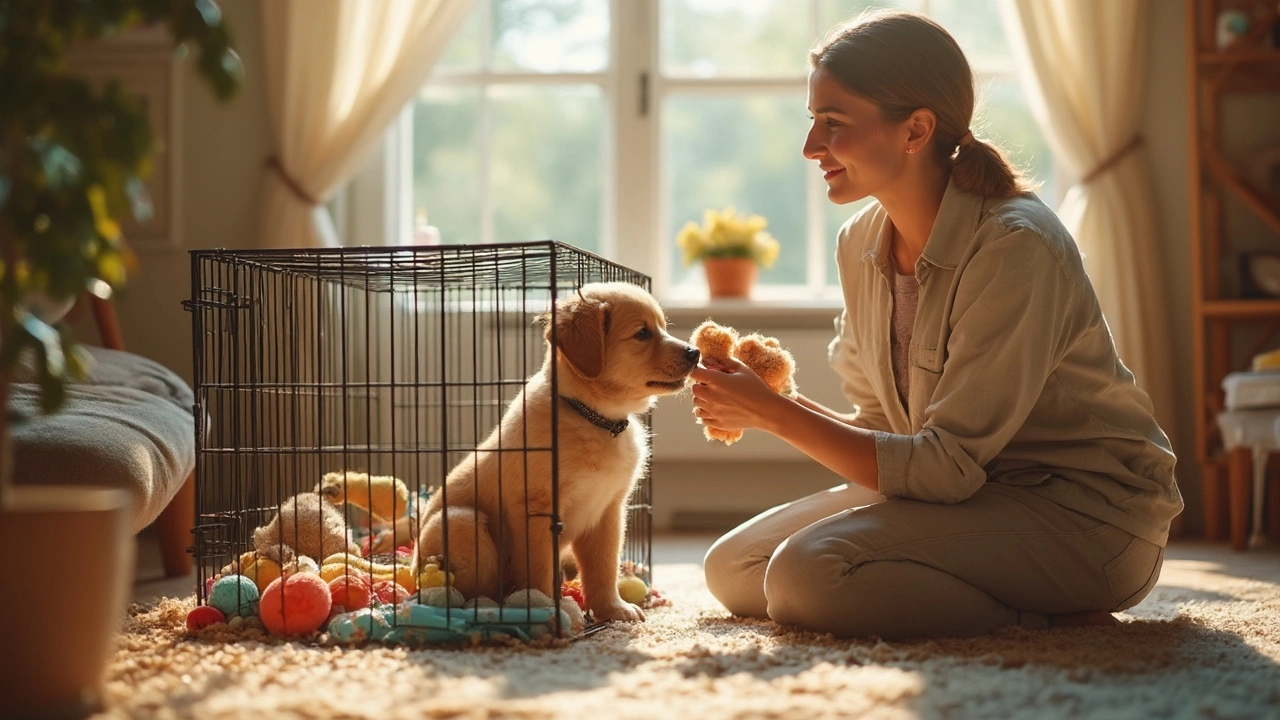
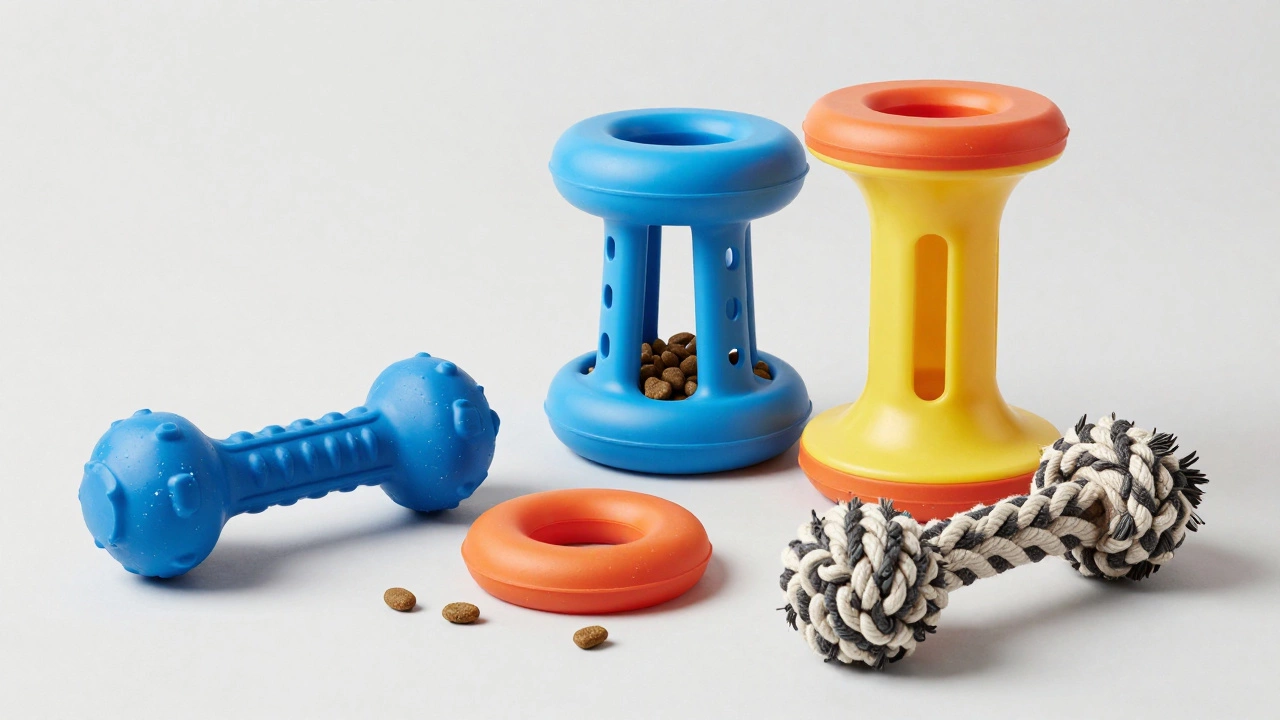
The secret to protecting your furniture is "trade-ups." You can't just tell a puppy "no"; you have to tell them what they can chew. This is where Puppy Toys come into play. A toy isn't just a plaything; it's a tool for development. To keep a puppy calm, you need toys that target different needs: hard rubber for teething pain, plush for comfort, and interactive puzzles for mental exhaustion.
| Toy Type | Best For | Why it Works |
|---|---|---|
| Rubber Chew Toys | Teething/Aggressive Chewing | Soothes gums and is durable enough to survive puppy jaws. |
| Puzzle Feeders | Mental Boredom | Forces the dog to think, which tires them out faster than walking. |
| Plush Squeaky Toys | Comfort/Hunting Instinct | Satisfies the urge to shake and carry objects. |
| Ropes/Tug Toys | High Energy Release | Allows for a physical outlet through interactive play. |
The Secret to a Calm Dog: Mental Stimulation
A common mistake owners make is thinking a tired dog is the result of a five-mile walk. While physical exercise is great, a puppy with high intelligence and no mental outlet will remain hyper. You can walk a Border Collie for two hours, and they'll still come home and chew your baseboards because their brain is still bored.
Mental stimulation is the "hack" to getting your puppy to calm down faster. Think of it as brain work. Positive Reinforcement Training is a great way to do this. Spending 15 minutes teaching a new command like "sit" or "stay" is often more exhausting for a pup than a 30-minute game of fetch. When they have to focus, they use glucose and mental energy, which leads to that deep, twitchy-paw sleep we all crave.
Try incorporating "scent work." Hide a few pieces of kibble around the room and tell them to "find it." Using their nose engages a massive part of their brain and naturally lowers their arousal levels. If you combine this with a structured nap schedule, you'll find they spend less time in the "danger zone" where they start biting everything in sight.
Handling the "Zoomies" (Frenetic Random Activity Periods)
We've all seen it: the sudden, wide-eyed look, the tucking of the hindquarters, and the sudden sprint around the living room at 9 PM. In the vet world, this is called FRAPs (Frenetic Random Activity Periods). It's essentially a release of pent-up energy. It happens most often in the evening, which is why it's so frustrating when you're just trying to watch a movie.
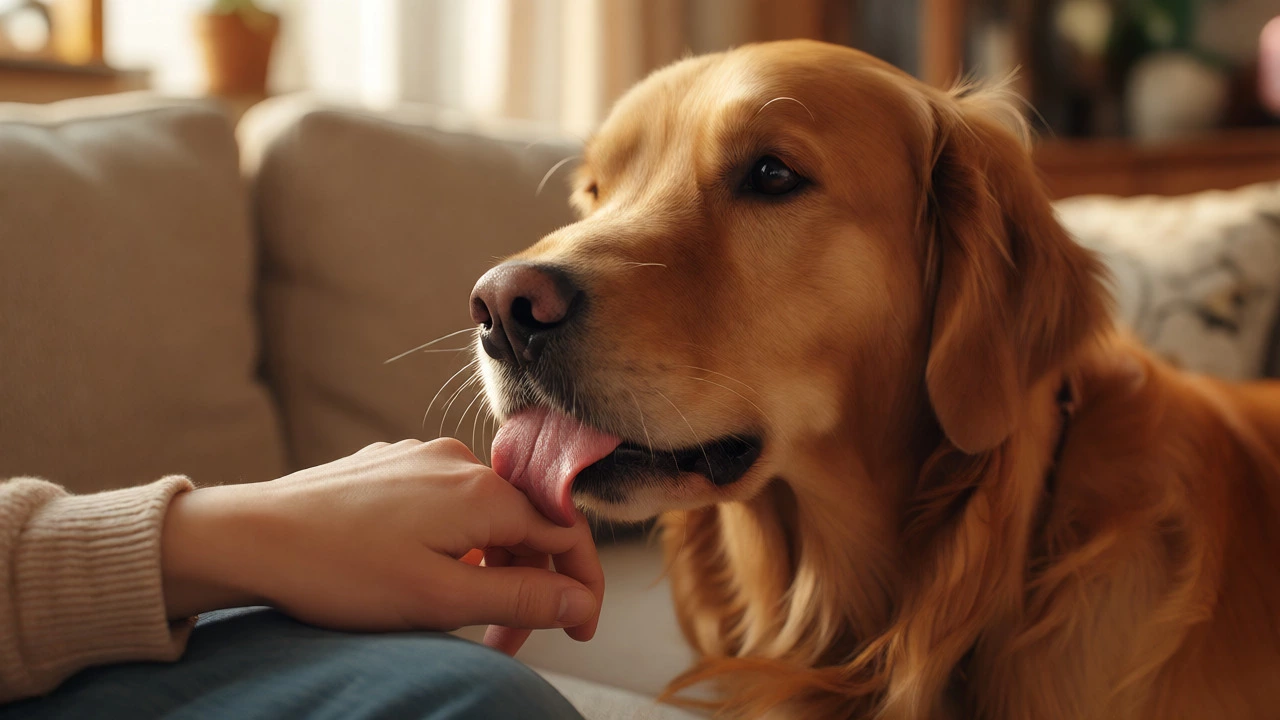
The worst thing you can do during a zoomie session is try to chase the puppy or yell at them. This just adds to the excitement and keeps the energy high. Instead, keep the environment safe-move breakables off the coffee table-and let them burn it off. Once the burst is over, immediately offer a low-energy activity, like a frozen Lickmat or a chew toy, to signal that the "party" is over and it's time to wind down.
Creating a "Calm Down" Routine
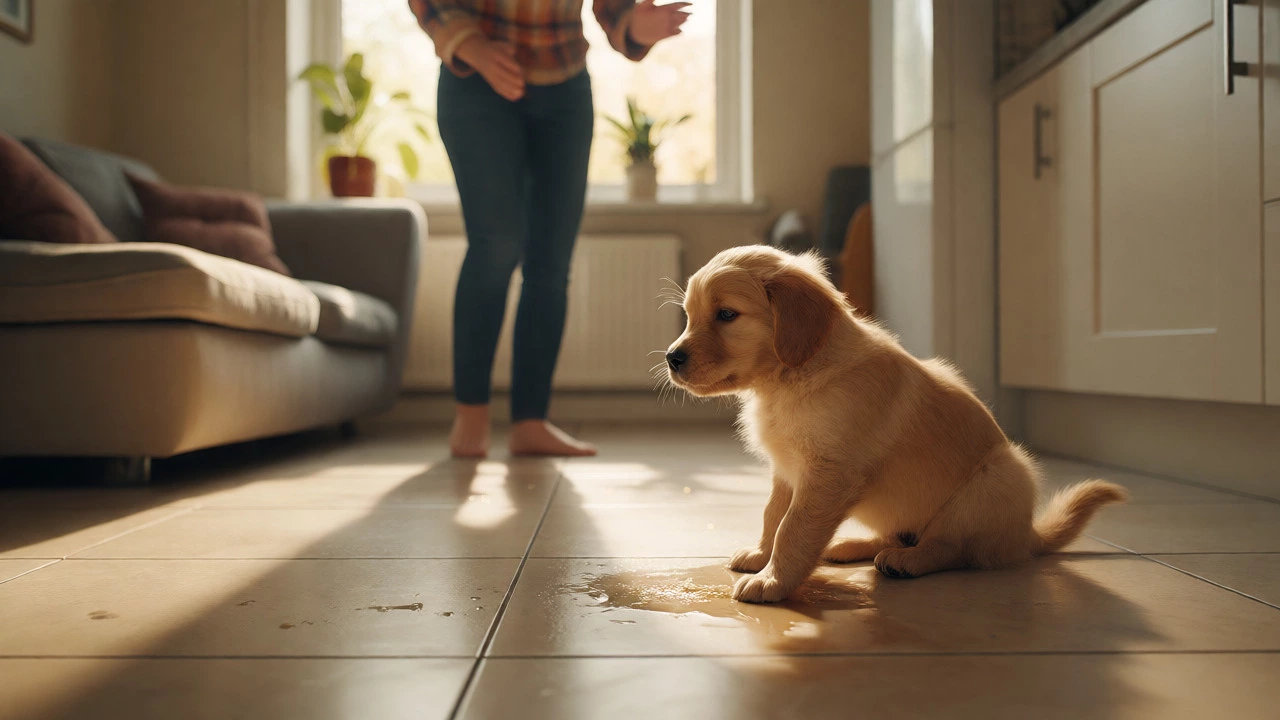
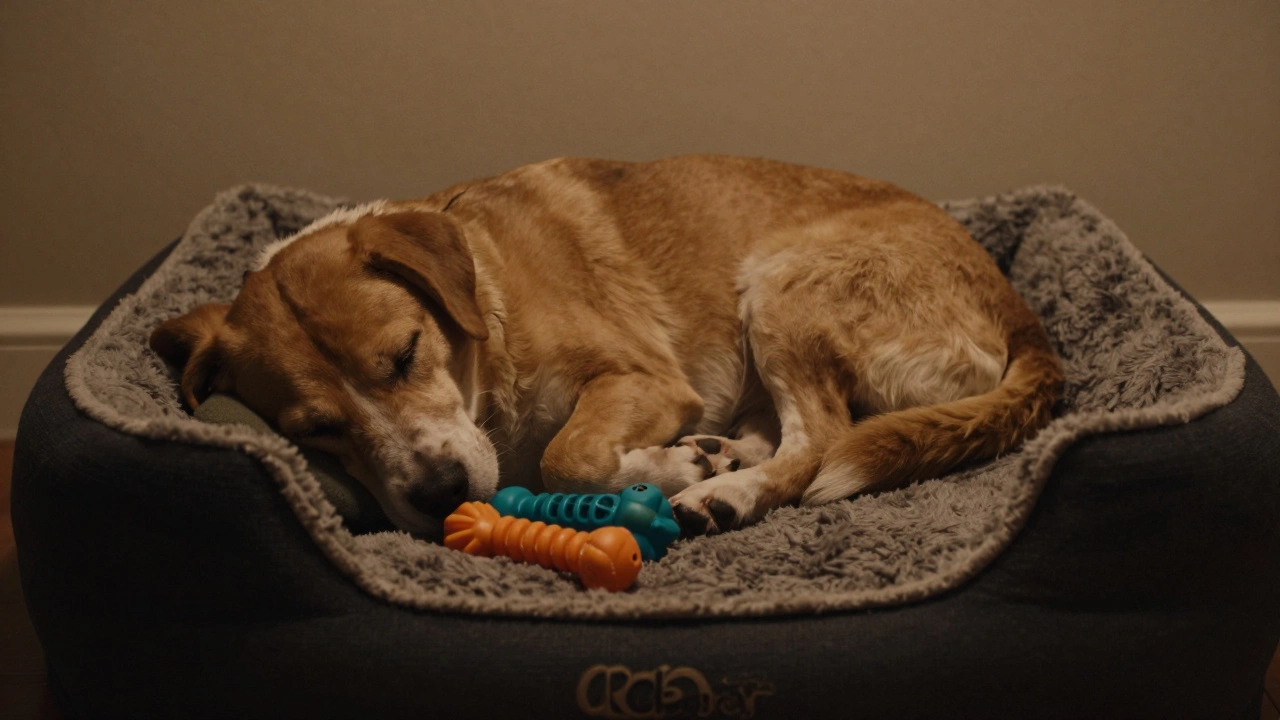
Puppies don't actually know how to turn themselves off. They are like toddlers; they will keep going until they literally collapse. As the pack leader, you have to teach them how to be bored. If you always respond to their chaos with high-energy play, you are accidentally training them to be hyper.
Start a wind-down ritual an hour before bed. Dim the lights, put away the loud squeaky toys, and switch to something soothing. A long-lasting chew or a puzzle toy is perfect here. By consistently associating a certain time of day with low energy, you help their internal clock align with your own. This is especially important for High-Energy Breeds like Labradors or Australian Shepherds, who need explicit guidance on when it's okay to be wild and when it's time to chill.
Why does my puppy get more hyper at night?
This is often called the "witching hour." Puppies often accumulate a day's worth of overstimulation and fatigue. Just like a tired child who refuses to nap, a tired puppy can actually become over-aroused and hyperactive. The solution is a structured nap schedule and a calming routine before the evening peak hits.
Is it normal for my 8-month-old puppy to act like a baby again?
Yes, this is typical adolescent behavior. Around 6-12 months, dogs go through a hormonal shift that can cause a temporary regression in training and a spike in energy or stubbornness. Be patient, stay consistent with your rules, and remember that this phase is temporary.
How do I stop my puppy from biting my hands when they are excited?
When a puppy bites out of excitement, they are often overstimulated. The best response is to stop the interaction immediately. Don't yell, as that can be seen as "barking back" and encourage them. Instead, calmly stand up, cross your arms, and ignore them for 30 seconds. Then, redirect them to a toy. This teaches them that biting equals the end of the fun.
Can I give my puppy a chew toy if they have already eaten?
Absolutely. Chewing is not about hunger; it's about mental satisfaction and physical relief for their gums. Giving them a chew toy after a meal is a great way to keep them occupied and calm while you eat your own dinner.
When should I be worried that my puppy is too hyper?
Most puppy energy is normal. However, if your dog cannot settle even after significant exercise and mental work, or if the hyperactivity is accompanied by anxiety (like pacing or destructive chewing even when tired), it's worth a chat with your vet to rule out any underlying health issues or severe anxiety.
Next Steps for Your Puppy's Peace
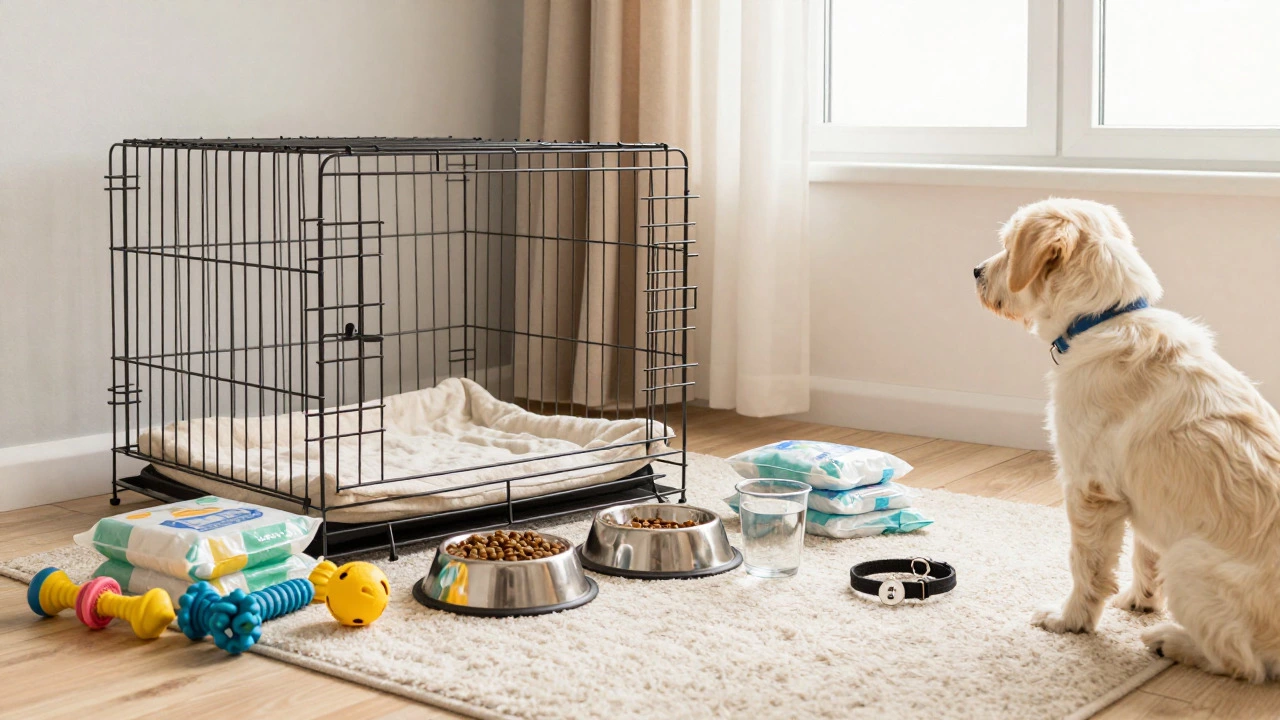
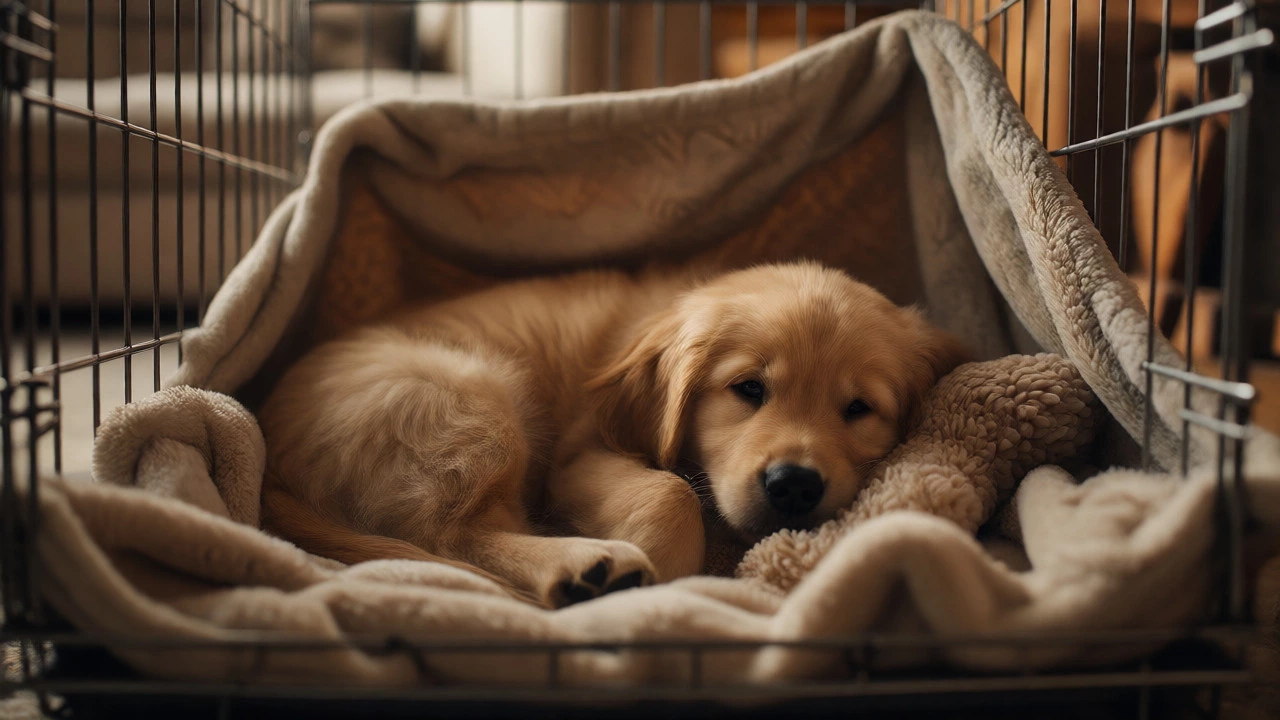
If you're still struggling, start by tracking your puppy's sleep. Many owners are surprised to find their pup is only sleeping 4-5 hours a day when they actually need 16-20. An overtired puppy is a naughty puppy. Try implementing forced naps in a crate or a quiet pen to reset their mood.
If the chewing has moved from "curiosity" to "destruction," look into rotating your toys. Don't leave all 20 toys in the middle of the floor; they become part of the furniture and lose their appeal. Instead, keep three out and swap them every few days. This makes every toy feel new again, keeping their brain engaged and their mouth away from your shoes.