Puppy Alone-Time Calculator & Readiness Checker
Based on "1 hour per month + 1" rule while asleep.
Crucial for preventing accidents and stress.
Check off items you have prepared before leaving your puppy alone.
Expert Advice for Your Situation
Enter your puppy's age above and complete the checklist to receive personalized recommendations based on veterinary guidelines.
The Hard Truth About Leaving a 10-Week-Old Puppy
If you just brought home a 10-week-old puppy is a young canine typically between 2.5 and 3 months old who has recently separated from their mother and littermates, the short answer to whether you can leave them home alone is: no. Not really. At this age, puppies have tiny bladders, intense social needs, and zero understanding of what "alone" means. They are essentially babies wrapped in fur.
You might be wondering if an hour is okay. Maybe two? The reality is that most veterinarians and behavioral experts recommend keeping time alone under one hour for puppies this young. Why? Because their bodies simply aren't built for it yet. A 10-week-old puppy usually cannot hold their bladder for more than 3 to 4 hours maximum, but realistically, they need to go every 60 to 90 minutes when awake. If you lock them in a crate or room for longer than that, you’re not teaching patience; you’re setting them up for accidents, stress, and potentially destructive behavior.
This isn't about convenience. It's about biology. When you leave a puppy alone too soon, you risk triggering early signs of separation anxiety is a condition where dogs become distressed when separated from their owners, leading to barking, howling, destruction, or elimination issues. This condition is much harder to fix once it takes root. So, before you pack your bag for work or run errands, let’s look at how to handle this transition safely.
Understanding Your Puppy’s Biological Limits
To understand why leaving a 10-week-old puppy alone is risky, you need to look at their physical development. Puppies at this stage are still growing rapidly. Their digestive systems are sensitive, and their bladder control is minimal. The general rule of thumb for bladder capacity is one hour per month of age, plus one extra hour. So, a 10-week-old (roughly 2.5 months) can theoretically hold it for 3.5 hours. But that’s only if they are asleep.
In practice, when a puppy is awake, curious, and excited, that window shrinks dramatically. Most experts suggest aiming for breaks every 60 to 90 minutes during the day. If you leave them for four hours straight, even with a full water bowl, they will likely soil their sleeping area. This creates a negative association with being alone. Instead of learning independence, they learn that being left behind equals discomfort and mess.
Furthermore, puppies are social creatures. In the wild, and certainly in domestic settings, isolation signals danger. For a 10-week-old, being cut off from their "pack" (you) triggers a survival instinct. This leads to vocalization-barking, whining, and crying-which can disturb neighbors and increase the puppy’s own stress levels. Cortisol, the stress hormone, spikes in these situations, which can affect their long-term health and temperament.
How to Prepare Your Home Before You Leave
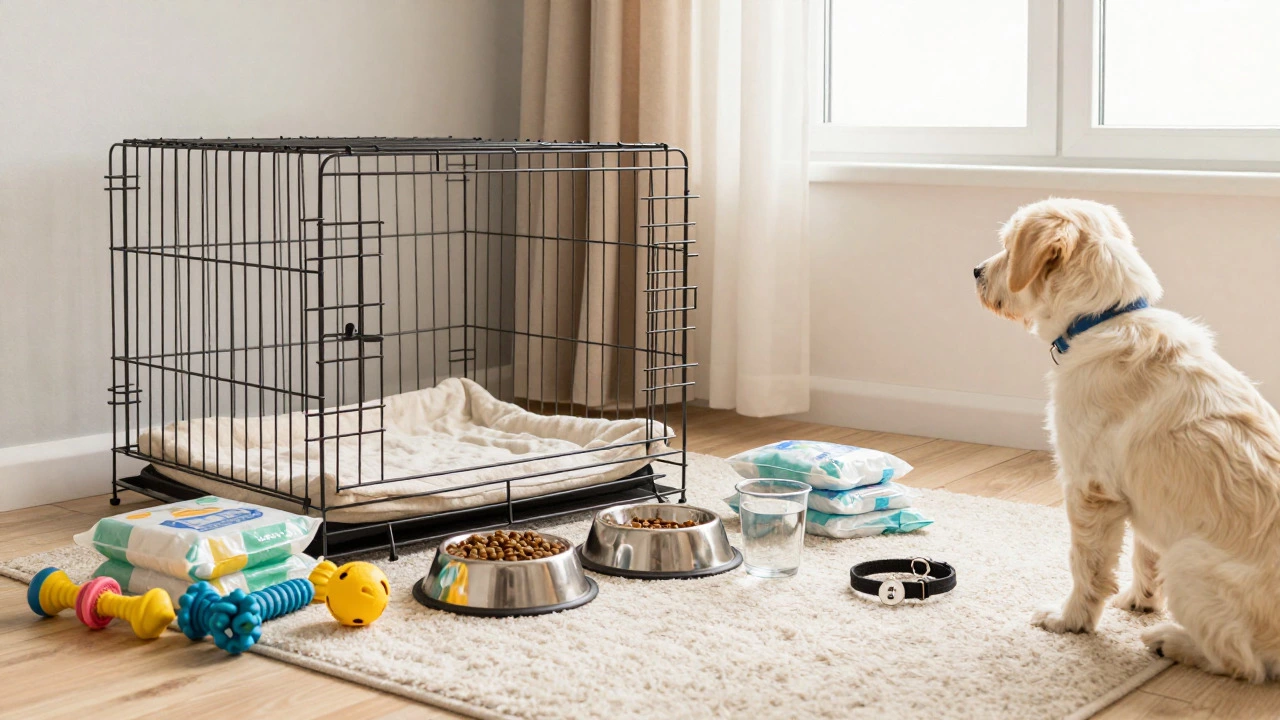
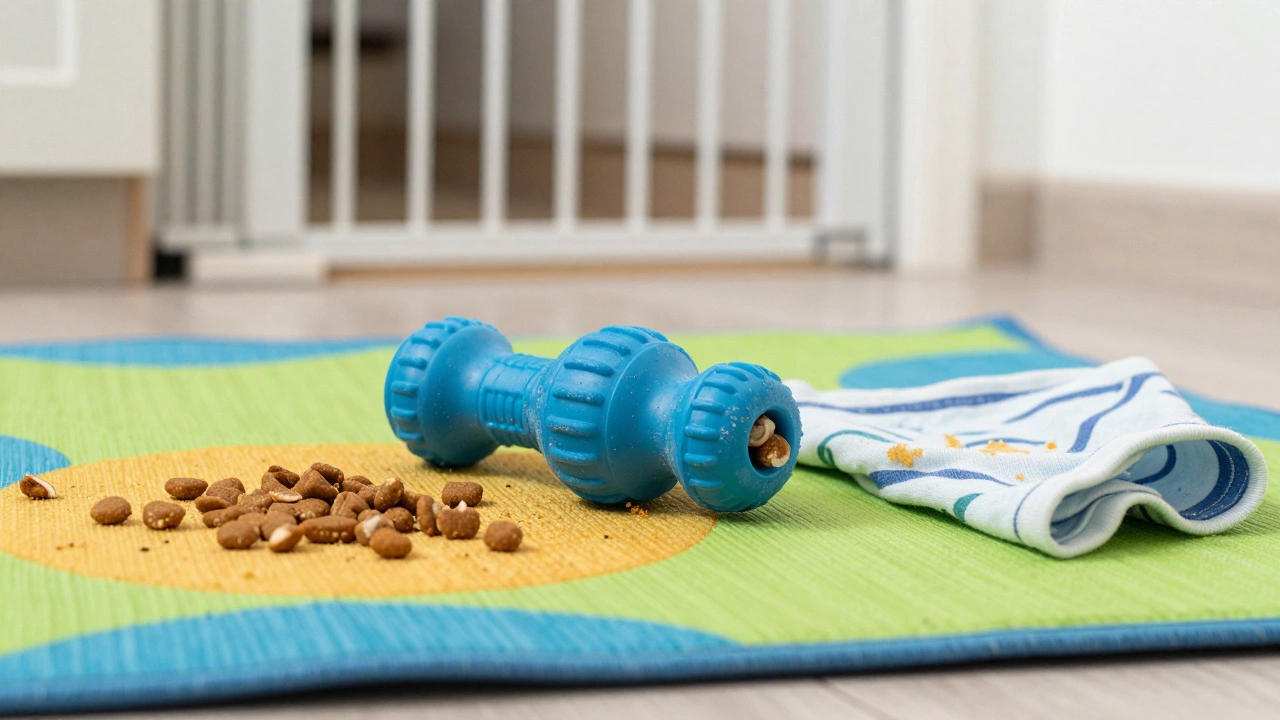
If you must step out for a short period, preparation is key. You don’t want your puppy to spend their first few hours alone feeling bored or anxious. This is where puppy toys are specifically designed playthings for young dogs that help with teething, mental stimulation, and preventing destructive chewing come into play. These aren't just distractions; they are tools for emotional regulation.
- Puzzle Feeders: Use a puzzle feeder is a toy that requires a dog to manipulate parts to access food, providing mental exercise and slowing down eating like a Snuffle Mat or a Kong Classic stuffed with frozen peanut butter. This keeps their mouth busy and their brain engaged. Mental fatigue often leads to physical rest, so a tired puppy is more likely to nap while you’re gone.
- Chew Toys: At 10 weeks, puppies are teething. Provide a safe, durable chew toy like a rubber Kong or a nylon bone. Avoid rawhide, which can pose choking hazards or cause intestinal blockages. The act of chewing releases endorphins, which naturally calm the puppy.
- Comfort Items: Include an item that smells like you, such as an unwashed t-shirt, or a plush toy with a heartbeat mechanism. Familiar scents provide a sense of security and mimic the presence of the mother or siblings.
Avoid leaving high-value treats like raw meat bones unattended, as some puppies may try to swallow them whole. Also, ensure all electrical cords are tucked away and toxic plants are out of reach. Puppy-proofing isn't just about safety; it’s about reducing stimuli that could trigger anxiety or curiosity-driven mischief.
Crate Training vs. Open Space
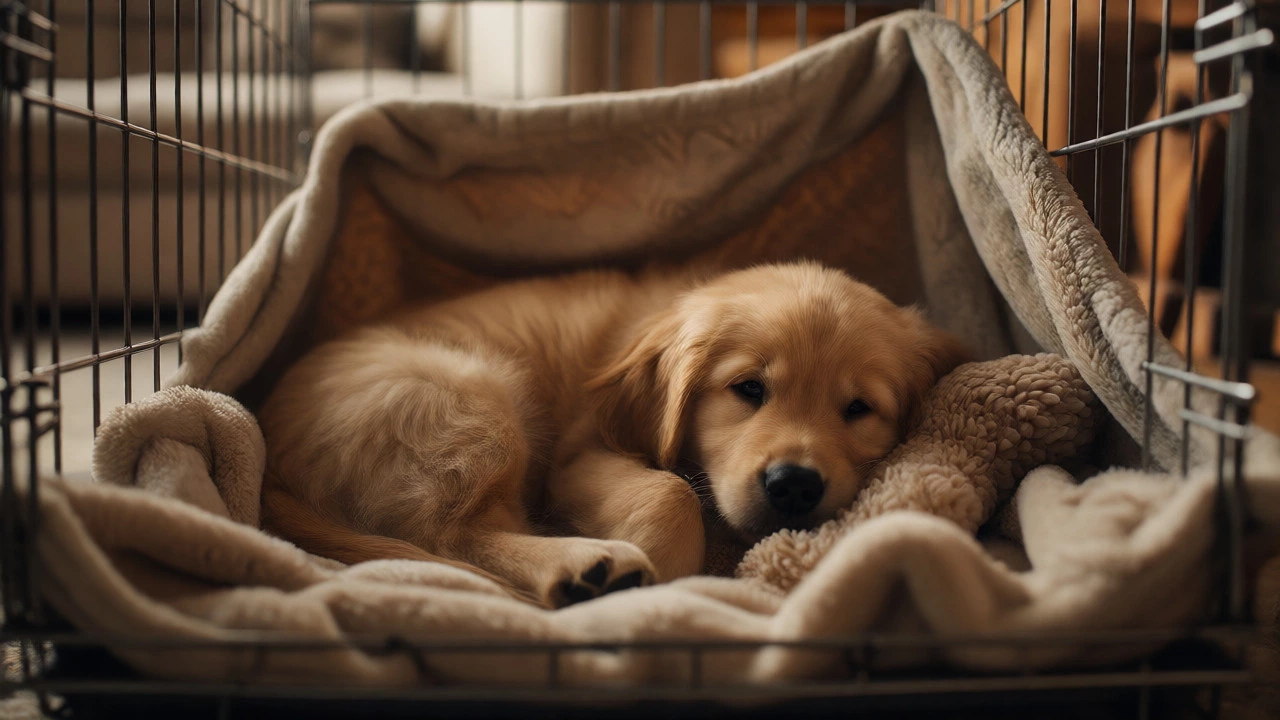
Many new owners turn to crate training immediately. While crates can be useful for housebreaking and safety, using one incorrectly can backfire. A crate should never be used as a punishment or a prison. For a 10-week-old puppy, the crate size matters immensely. If the crate is too large, they may use one corner for bathroom and another for sleeping, defeating the purpose of housebreaking.
If you choose to crate, make sure it’s cozy and inviting. Cover part of it with a light blanket to create a den-like atmosphere. However, many behaviorists now recommend an alternative: a confined open space. This could be a small room with baby gates, such as a laundry room or a kitchen with a gate across the doorway. This allows the puppy to move around, stretch, and lie down in different positions without the confinement of bars.
The goal is to prevent accidents, not to restrict movement entirely. An open gated area allows the puppy to see you if you’re in the adjacent room, which can reduce panic. If you use a crate, limit the time to no more than 1-2 hours, including sleep time. Never leave a 10-week-old puppy crated for more than 4 hours total in a 24-hour period, and always provide ample potty breaks.
Simulating Absence: Gradual Desensitization
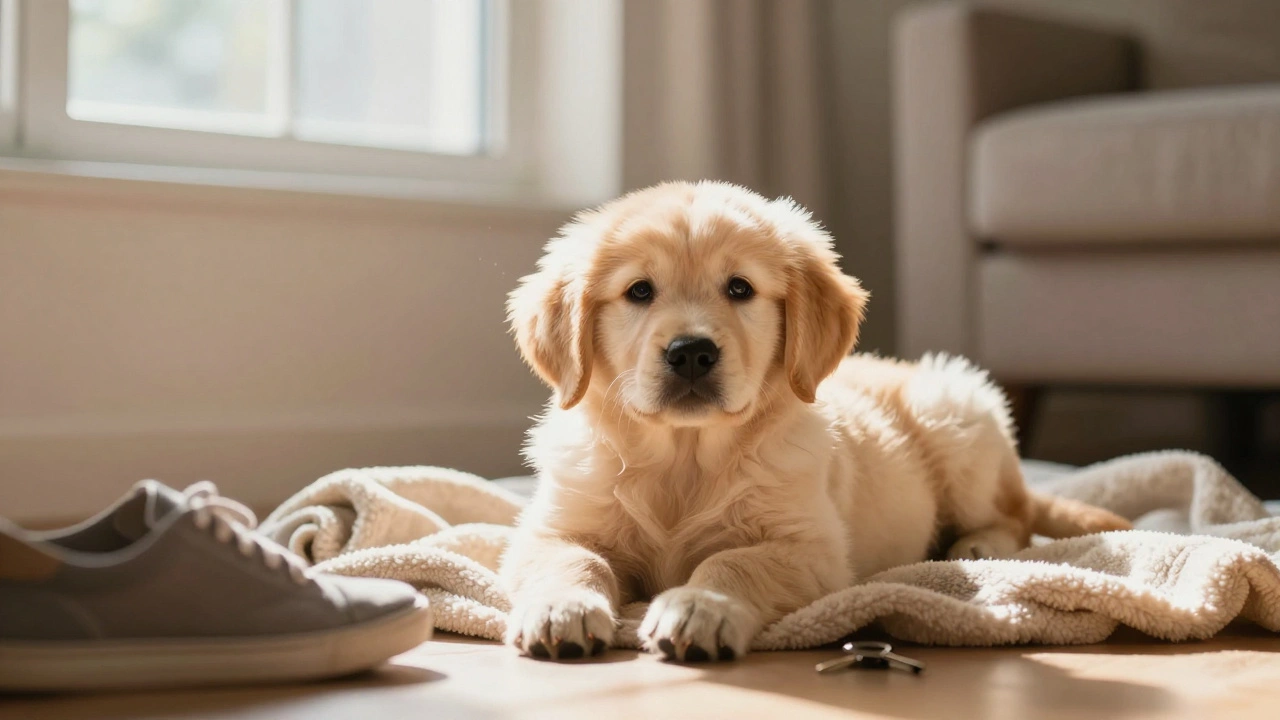
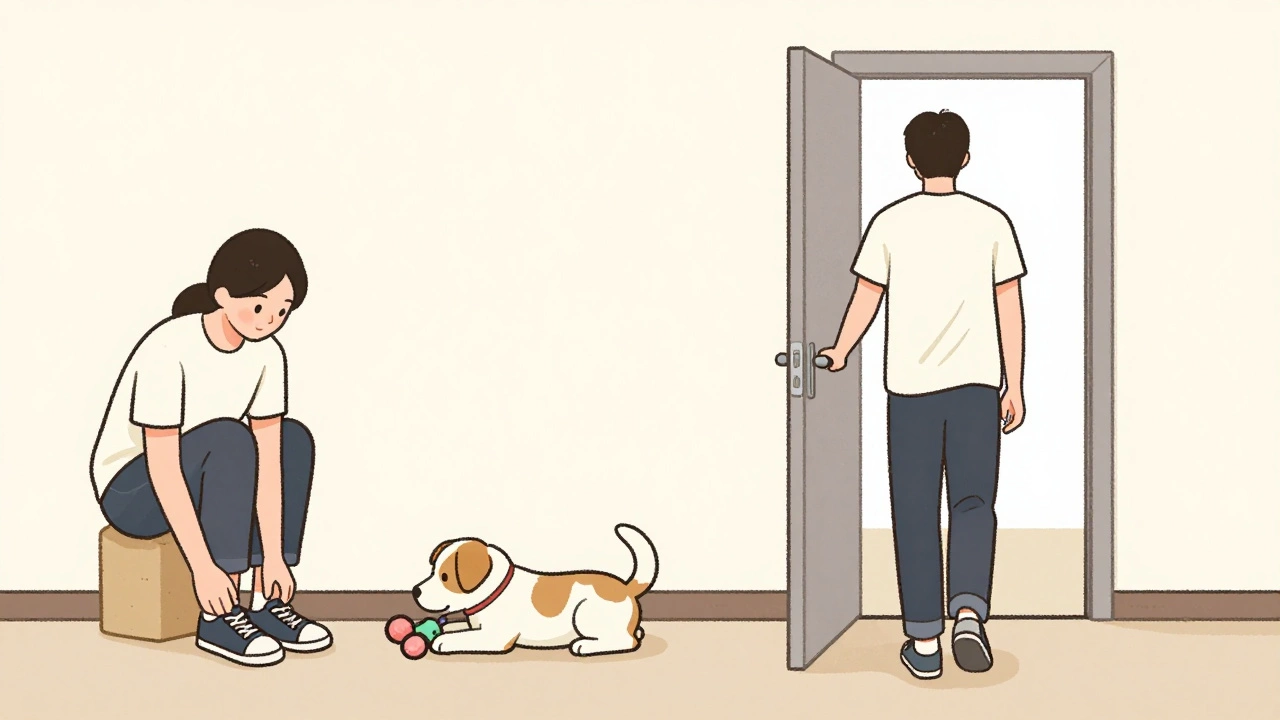
You can’t just walk out the door for the first time and expect your puppy to chill. You need to train them to be alone gradually. This process is called desensitization. Start small. Pick up your keys, put on your shoes, and then sit back down on the couch. Do this repeatedly until the puppy stops reacting to these cues.
Next, step outside the front door for 10 seconds, then come back. Increase the time to 30 seconds, then a minute, then five minutes. Stay calm when you leave and when you return. No big hello parties. If you greet them excitedly, you reinforce the idea that your departure was a major event. Keep exits and entries boring.
This gradual approach helps build confidence. Each successful short absence teaches the puppy that you always come back. Over weeks, you can extend the time to 15 minutes, then 30, then an hour. Rushing this process is the number one cause of separation anxiety later in life. Patience here pays off in a calmer, more secure adult dog.
Alternatives When You Must Be Away Longer
What if you have a job that requires you to be away for 8 hours? You cannot ethically leave a 10-week-old puppy alone for that duration. Here are practical solutions:
| Option | Pros | Cons | Best For |
|---|---|---|---|
| Working From Home | Constant supervision, frequent potty breaks | Requires flexible job, potential distractions | New owners with remote work options |
| Pet Sitter / Dog Walker | Mid-day break, social interaction | Cost, finding a trustworthy person | Owners who can afford daily visits |
| Daycare | Socialization, exercise, feeding | Risk of illness exposure, overstimulation | Social puppies with up-to-date vaccinations |
| Family/Friend Help | Low cost, familiar environment | Inconsistent schedules, reliance on others | Those with nearby support networks |
If daycare is your choice, ensure the facility is reputable and checks vaccination records. At 10 weeks, your puppy should have had their first round of core vaccines, but immunity isn't complete until several weeks after the final booster. Discuss risks with your vet before exposing them to other dogs.
Hiring a pet sitter who comes mid-day to let the puppy out, feed them, and play for 30 minutes can split your 8-hour day into manageable chunks. This mimics the natural rhythm of a family home where someone is always present.
Signs Your Puppy Is Struggling
Even with the best preparation, some puppies struggle. Watch for these red flags:
- Destructive Chewing: Targeted destruction of doors, windows, or your belongings indicates high anxiety, not just boredom.
- Excessive Vocalization: Howling or barking that continues for more than 10-15 minutes after you leave suggests panic.
- Elimination Accidents: Soiling the crate or bed immediately upon your return or while alone is a sign of distress.
- Pacing or Drooling: Physical signs of agitation like panting, drooling, or pacing back and forth.
If you notice these behaviors, do not punish the puppy. Punishment increases fear and worsens anxiety. Instead, consult a certified professional dog trainer or a veterinary behaviorist. Early intervention is crucial. Separation anxiety is treatable, but it requires professional guidance and consistent training protocols.
Creating a Routine That Works
Dogs thrive on routine. Establish a predictable schedule for feeding, potty breaks, and playtime. If your puppy knows exactly what happens next, they feel safer. Try to leave and return at similar times each day. Use a camera app on your phone to check in occasionally. This helps you monitor their behavior and adjust your strategy. If you see them sleeping peacefully, you know you’re on the right track. If you see them stressed, reassess your timeline.
Remember, raising a puppy is a marathon, not a sprint. The first few weeks are the hardest. By prioritizing their emotional and physical needs now, you invest in a well-adjusted, confident companion for the next 15 years.
How long can a 10-week-old puppy stay alone?
Ideally, no more than 1 to 2 hours. Their bladder control is limited, and they require frequent social interaction. Exceeding this regularly can lead to accidents and separation anxiety.
Is it cruel to leave a 10-week-old puppy alone?
Leaving them for extended periods (over 4 hours) is considered neglectful due to physiological limits. Short absences (under 2 hours) with proper preparation are acceptable but should be minimized.
What toys are best for a puppy left alone?
Interactive puzzle feeders like Kongs stuffed with food, snuffle mats, and durable chew toys are best. They provide mental stimulation and comfort, reducing boredom and anxiety.
Should I use a crate or a gated area?
A properly sized crate is good for housebreaking, but a gated open area allows more movement and less confinement stress. Ensure the area is puppy-proofed and safe.
How do I prevent separation anxiety?
Practice gradual desensitization by leaving for short periods and increasing time slowly. Keep departures and arrivals low-key. Provide engaging toys and maintain a consistent routine.