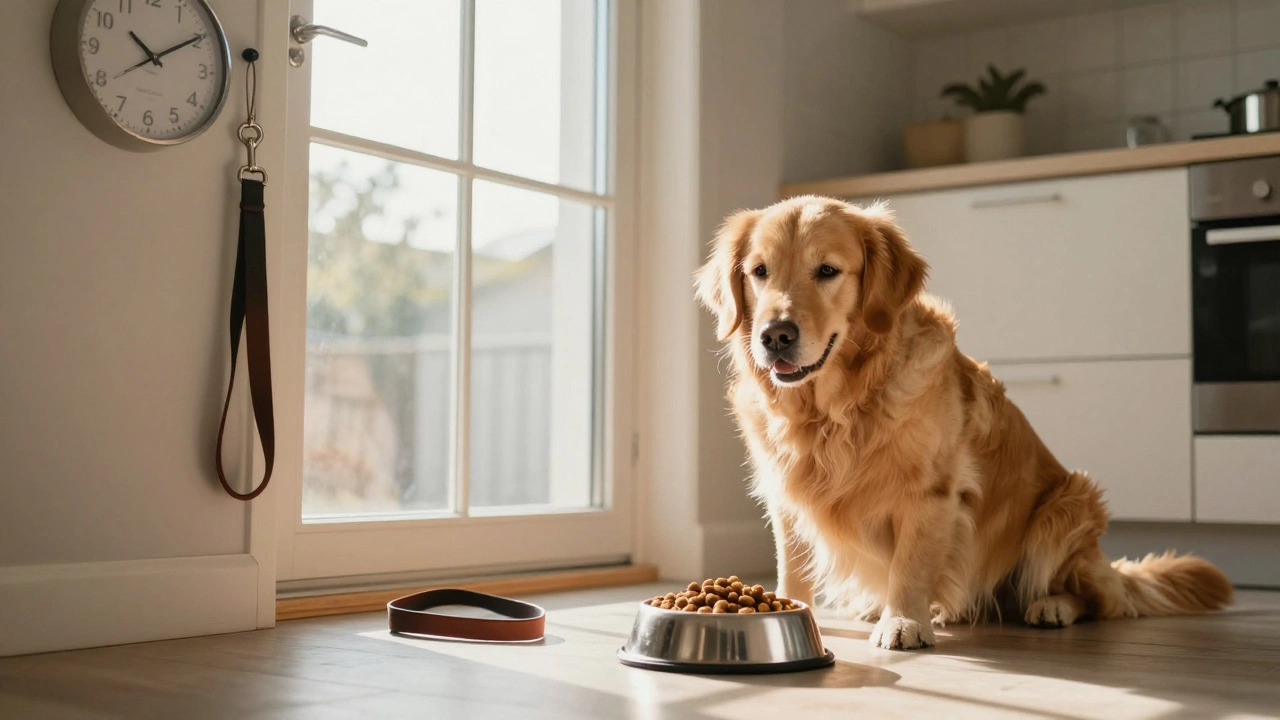
Dog Feeding Schedule Calculator
Find Your Dog's Best Feeding Times
Select your dog's characteristics to get personalized feeding schedule recommendations.
Your Dog's Feeding Schedule
Why this schedule works: This schedule aligns with your dog's digestive cycle (6-8 hours) and helps maintain stable energy levels throughout the day.
Feeding your dog at the right time isn’t just about convenience-it affects their digestion, energy levels, and even their behavior. Many dog owners wonder: should I feed my dog in the morning or evening? The truth is, there’s no single answer that works for every dog. But there are clear patterns based on biology, lifestyle, and health that can help you make the best choice.
Why Timing Matters for Dogs
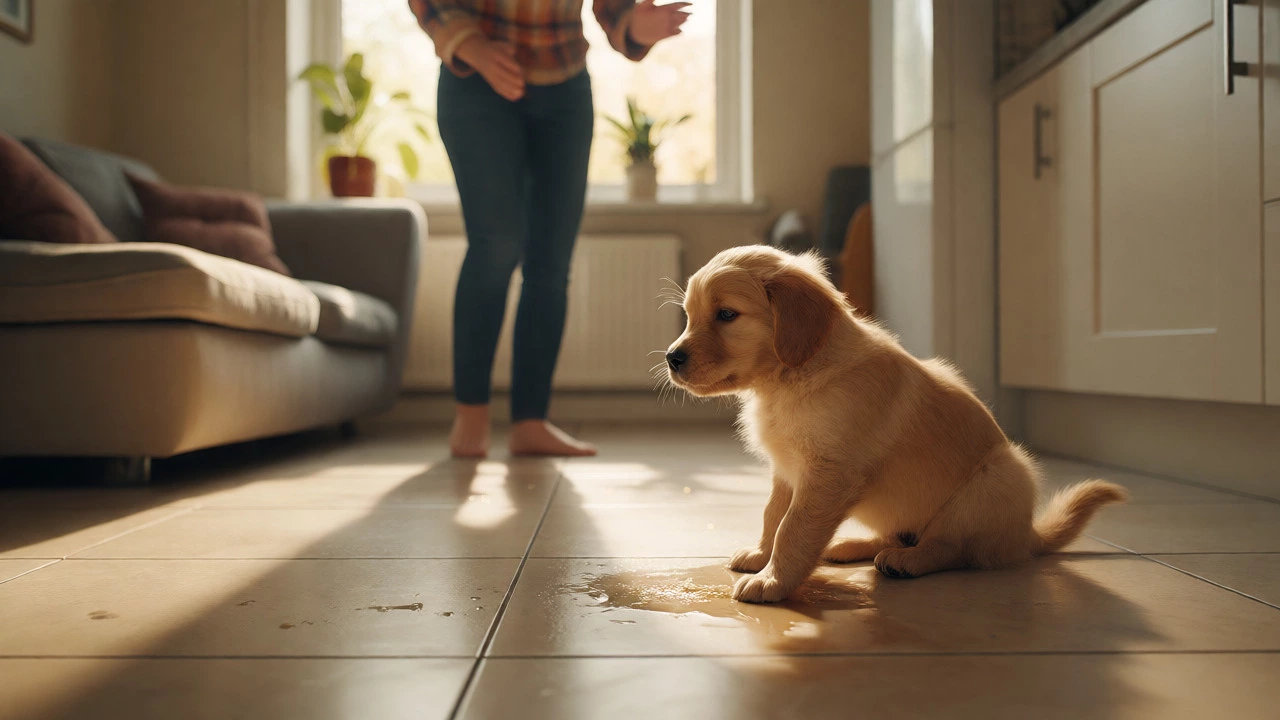
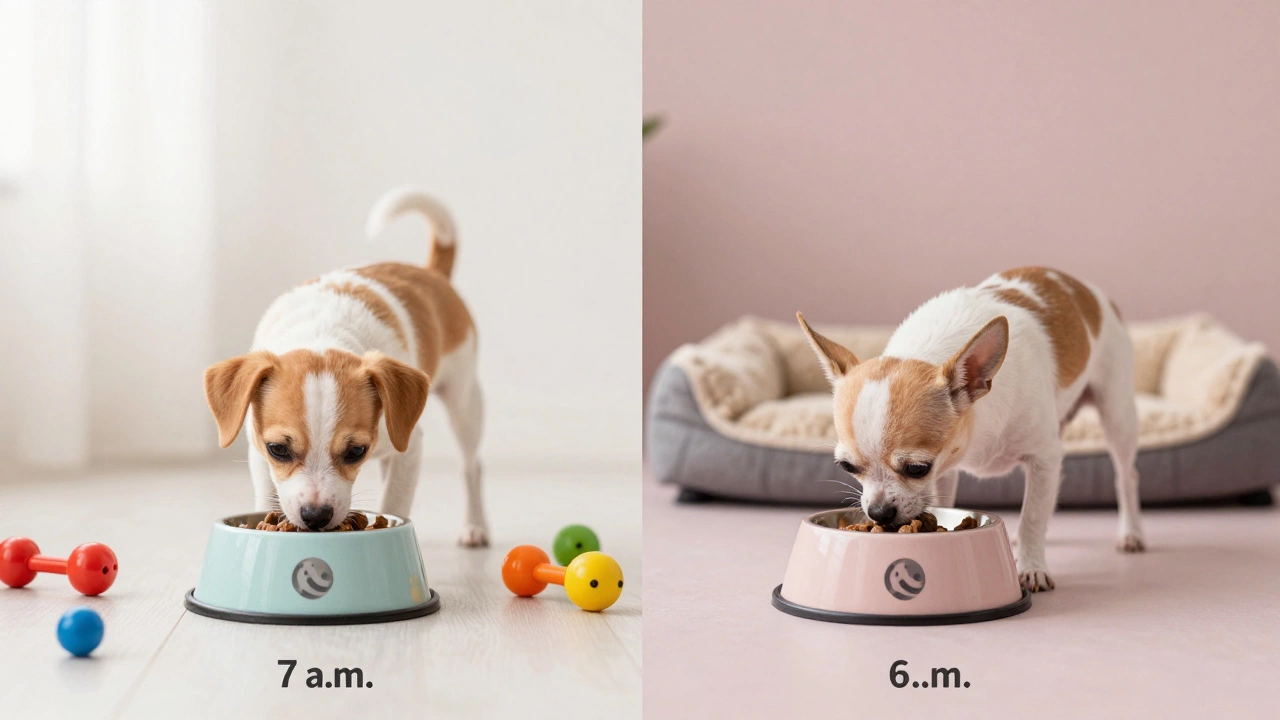
Dogs don’t eat because they’re bored. Their bodies run on routines shaped by evolution and domestication. Wild canines hunted at dawn and dusk-times when prey was most active. Modern dogs still have that rhythm built into their biology. Feeding them at inconsistent times can throw off their internal clock, leading to digestive upset, anxiety, or even accidents in the house.Most dogs digest food in about 6 to 8 hours. That means if you feed them at 7 a.m., they’ll likely need to go out between 1 and 3 p.m. If you feed them at 6 p.m., they’ll need to go out around midnight or early morning. Knowing this helps you plan walks and potty breaks around your schedule-and avoid midnight messes.
Feeding in the Morning: Pros and Cons
Feeding your dog in the morning has some real advantages. For one, it gives them energy for the day. A full stomach means they’re more alert during walks, training, or playtime. If you’re an early riser, this schedule lines up naturally with your routine. You can take them out right after eating, which helps with house training, especially for puppies or older dogs with weaker bladder control.Morning feeding also reduces the chance of nighttime accidents. Dogs that eat late often need to go out after midnight, which interrupts sleep for both you and your pet. If your dog has acid reflux or gastritis, feeding them in the morning helps keep stomach acid down during the long overnight fast.
But there are downsides. If you work long hours and leave your dog alone all day, feeding them in the morning means they’re hungry for hours. Some dogs get anxious or destructive when bored and hungry. Also, if your dog is on medication that needs to be given with food, morning feeding might not work if your vet recommends evening doses.
Feeding in the Evening: Pros and Cons
Evening feeding is popular for a reason. It fits well with the typical family schedule. You come home from work, eat dinner, then feed your dog. It feels natural. Plus, your dog gets the benefit of your company during mealtime, which can reduce separation anxiety.For active dogs-like herding breeds, working dogs, or those who go on long hikes-feeding them in the evening gives them time to burn off energy before eating. That’s better for digestion. Eating after exercise helps stabilize blood sugar and reduces the risk of bloat, especially in deep-chested breeds like German Shepherds or Great Danes.
But feeding late comes with risks. If your dog eats at 8 p.m., they may need to go out at 2 a.m. That’s not ideal if you’re a light sleeper or have a busy morning. Dogs with sensitive stomachs might also feel uncomfortable overnight, especially if they’re fed rich or fatty meals. And if your dog is prone to vomiting or reflux, lying down after a big meal can make things worse.
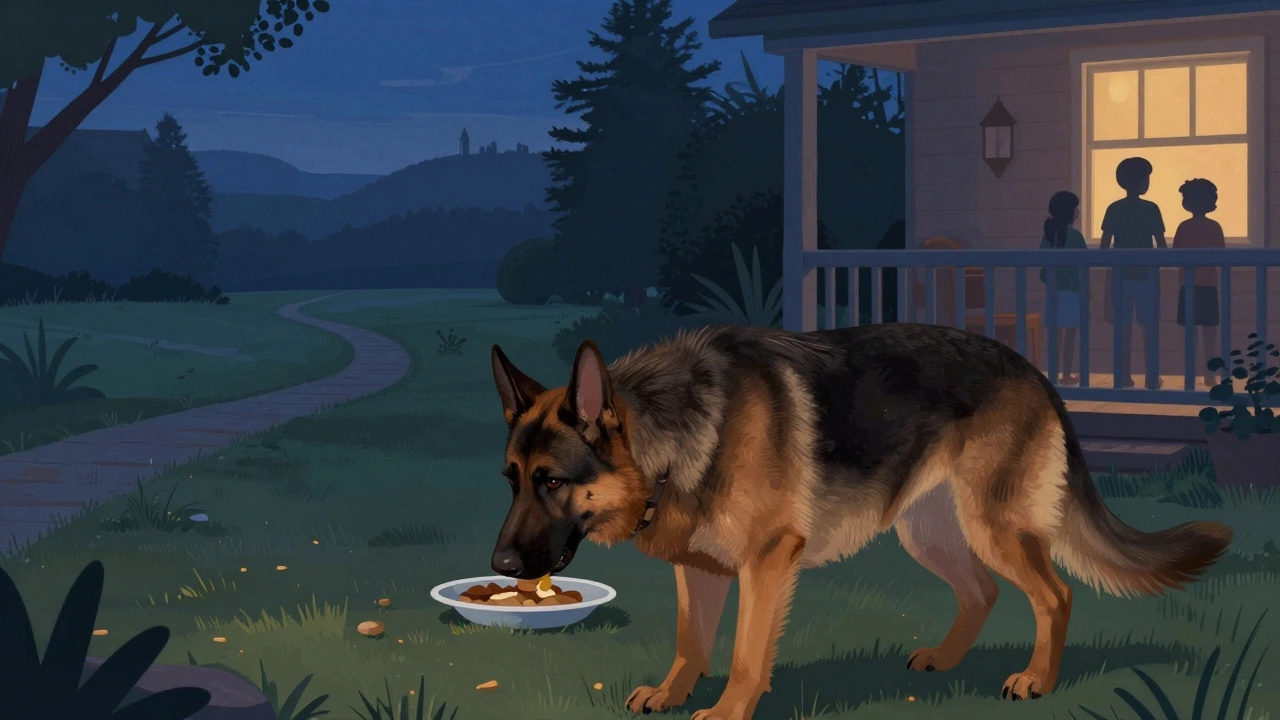
Two Meals a Day: The Gold Standard
Most veterinarians recommend feeding adult dogs twice a day-once in the morning and once in the evening. This isn’t just tradition. It’s science. Two meals help regulate blood sugar, reduce hunger pangs, and keep digestion steady. It also gives you two chances to monitor your dog’s appetite. A sudden drop in hunger can be an early sign of illness.For most dogs, a 12-hour gap between meals works best. That means feeding at 7 a.m. and 7 p.m. It’s predictable, easy to remember, and gives your dog enough time to digest before sleeping. Puppies under six months need three meals a day. Seniors or dogs with medical conditions might need smaller, more frequent meals. Always check with your vet if your dog has diabetes, pancreatitis, or other chronic issues.
What About Free Feeding?
Some owners leave food out all day, calling it “free feeding.” It sounds easy, but it’s rarely the best choice. Dogs don’t self-regulate like humans. Many will overeat, leading to obesity. Others will graze slowly, which can cause stomach upset or make it hard to track how much they’re eating. If you’re using food puzzles or slow-feeders, free feeding can work-but only if you’re monitoring weight and stool consistency.Free feeding also makes it hard to notice when something’s wrong. If your dog skips a meal, that’s a red flag. If they’re always eating, you might miss the early signs of illness.
How to Choose the Right Schedule for Your Dog
There’s no universal rule. The best feeding time depends on your dog’s age, breed, activity level, and health. Here’s how to decide:- Puppies under 6 months: Feed three times a day-at 7 a.m., 12 p.m., and 6 p.m. Their tiny stomachs can’t hold much, and they need steady energy.
- Adult dogs (1-7 years): Two meals a day, 12 hours apart. Morning and evening works for most.
- Seniors (8+ years): Consider smaller, more frequent meals if they have arthritis, dental issues, or reduced metabolism. Evening meals may help with nighttime comfort.
- Large, deep-chested breeds (Great Danes, Dobermans, etc.): Avoid feeding right before or after intense exercise. Feed at least an hour before a walk, and wait two hours after.
- Dogs with diabetes: Meals must be timed exactly with insulin shots. Your vet will give you a strict schedule.
If you work odd hours or have a variable schedule, consistency still matters more than the exact time. Feed at the same time every day-even on weekends. Dogs thrive on routine. A 7 a.m. feed on Monday and a 6:30 p.m. feed on Saturday will confuse them more than a fixed 7 p.m. feed every day.
Signs Your Feeding Schedule Isn’t Working
Your dog will tell you if something’s off. Watch for these red flags:- Excessive begging or scavenging for food
- Vomiting bile in the morning (sign of an empty stomach)
- Restlessness or pacing at night
- Loss of appetite for more than 24 hours
- Changes in stool consistency or frequency
If you see any of these, adjust the timing or portion size. If the problem continues, talk to your vet. It could be something deeper-like thyroid issues, parasites, or gastrointestinal disease.
Real-Life Examples from Bristol Homes
I’ve seen this play out in dozens of homes around Bristol. One client, a nurse who works night shifts, feeds her Border Collie at 5 p.m. and 5 a.m. That fits her schedule and keeps the dog calm during her sleep hours. Another family, both teachers, feeds their Golden Retriever at 7 a.m. and 6 p.m. They take him for a walk after each meal, which helps with weight control and mental stimulation.Then there’s the retired couple who feed their 14-year-old Chihuahua three small meals a day. He’s got arthritis and dental pain. Eating less at a time keeps him comfortable. He doesn’t beg anymore. His energy improved. His vet said it was one of the best changes they’d made.
There’s no magic hour. It’s about matching your dog’s needs to your life.
Final Tip: Don’t Overthink It
The most important thing isn’t whether you feed in the morning or evening-it’s that you’re consistent. Pick a time that works for your life, stick to it, and watch how your dog responds. If they’re energetic, maintain a healthy weight, and have regular bowel movements, you’ve got it right.And if you’re ever unsure? Ask your vet. They know your dog’s history. A simple change in timing can make a big difference.
Is it better to feed a dog before or after a walk?
It’s safer to walk your dog before feeding, especially for large or deep-chested breeds. Walking after a meal increases the risk of bloat-a life-threatening condition. Wait at least one hour after eating before going for a vigorous walk. Light potty breaks are fine right after eating.
Can I feed my dog only once a day?
Some adult dogs can do fine with one meal a day, but it’s not ideal. Most vets recommend two meals to prevent hunger, stabilize blood sugar, and reduce digestive stress. If you’re feeding once daily, make sure the portion is correct and your dog isn’t showing signs of anxiety, vomiting bile, or weight loss.
What if my dog won’t eat in the morning?
It’s normal for dogs to skip a meal now and then, especially if they’re stressed, hot, or just not hungry. But if your dog refuses food for more than 24 hours, or shows other symptoms like lethargy or vomiting, contact your vet. Sometimes, switching to evening-only feeding works better for dogs with low morning appetite.
Does the type of dog food affect feeding time?
Yes. Wet food digests faster than dry kibble, so dogs fed wet food may need to go out sooner. High-fiber or prescription diets might slow digestion. Always follow the feeding guidelines on the package and adjust timing based on your dog’s response. If you switch food types, give it a few days to see how they handle it.
Should I feed my dog at the same time every day?
Absolutely. Dogs thrive on routine. A consistent feeding schedule helps regulate their digestion, bathroom habits, and even their mood. Even if your schedule changes, try to keep feeding within a 30-minute window each day. Your dog will thank you with fewer accidents and less anxiety.