12-Hour Dog Travel Planner
Trip Settings
Enter your planned departure time to calculate mandatory stops.
Set a departure time to see your custom travel itinerary.
Twelve hours behind the wheel is a marathon for humans, but for your dog, it can be an ordeal. You might be planning a cross-country move or a dream vacation to see family on the other side of the country. The idea is exciting until you look at your furry companion and wonder: is this safe? Can they actually handle sitting in a metal box for half a day?
The short answer is yes, dogs can physically endure a 12-hour drive, but it requires meticulous preparation. It is not just about cranking up the AC and hoping for the best. Without proper management, a long car ride turns into a health hazard involving dehydration, anxiety, and even life-threatening overheating. If you treat this like a standard errand rather than a logistical operation, you risk your dog’s well-being.
Is 12 hours too long for a dog in a car?
No, 12 hours is not inherently too long, provided the dog has regular breaks, access to water, and a secure environment. However, it is considered an extreme duration that requires careful planning to prevent stress and physical discomfort.
Understanding Your Dog's Physical Limits
Dogs are not built for sedentary confinement. In the wild, their ancestors moved constantly. Forcing a modern domestic dog to sit still for twelve hours goes against their biological wiring. The primary concern isn't just boredom; it's physiological strain. Prolonged immobility can lead to muscle stiffness and joint pain, especially in older dogs or breeds with pre-existing conditions like hip dysplasia.
More critically, there is the issue of bladder control. Most adult dogs can hold their urine for 6 to 8 hours maximum. Pushing beyond that limit causes distress and potential urinary tract issues. A 12-hour drive means you must plan for at least two significant stops where your dog can relieve themselves properly. This isn't optional; it's a biological necessity.
Anxiety plays a massive role here too. Many dogs suffer from separation anxiety or motion sickness. When confined in a moving vehicle for hours, these feelings amplify. Signs include excessive panting, drooling, whining, or destructive behavior. If your dog gets nervous during a 20-minute vet visit, a 12-hour journey will likely trigger a panic response unless you have desensitized them beforehand.
Pre-Trip Preparation: The Week Before
You cannot wing a 12-hour trip. Start training weeks in advance. Begin by having your dog ride in the car for short periods-10 minutes, then 20, then an hour. Reward calm behavior with high-value treats. This builds positive associations with the vehicle rather than fear.
Visit your veterinarian before the trip. Discuss motion sickness medications if your dog is prone to vomiting. Drugs like Cerenia (maropitant citrate) are commonly prescribed for nausea in pets. Also, ensure your vaccinations are up to date, as you may pass through areas with different parasite risks or encounter other animals during stops.
Pack a dedicated "travel kit." This should include:
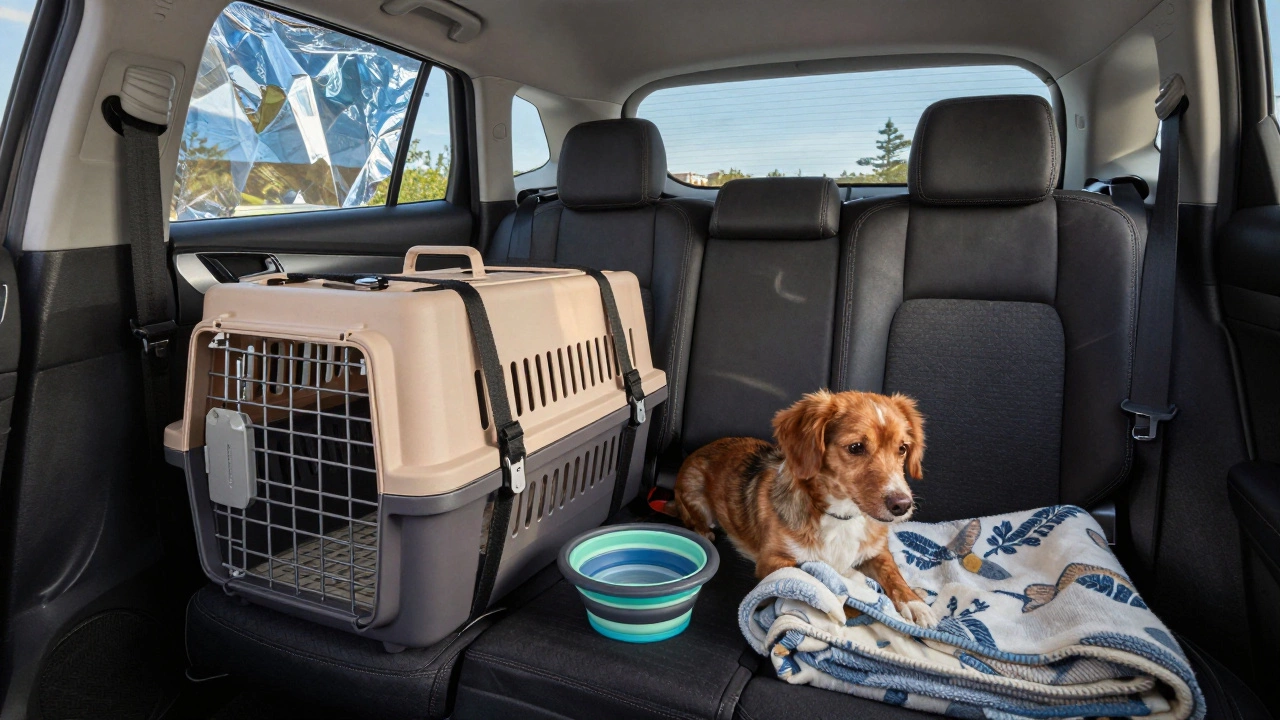
- A sturdy harness or crate (never let a dog roam free)
- Plenty of fresh water and a collapsible bowl
- Familiar toys or blankets with your scent
- Poop bags and paper towels for accidents
- A copy of their medical records
If your dog uses a crate, make sure it is large enough for them to stand, turn around, and lie down comfortably. Secure the crate firmly to the seat or floor using straps. An unsecured crate becomes a projectile in a sudden stop, endangering both your dog and passengers.
Safety First: Securing Your Passenger
Let’s be clear: letting your dog ride in your lap or the backseat without restraint is dangerous. In a crash at 30 mph, a 50-pound dog exerts 1,500 pounds of force. They can be thrown against seats, windows, or even ejected from the vehicle. This endangers your dog and distracts you, potentially causing an accident.
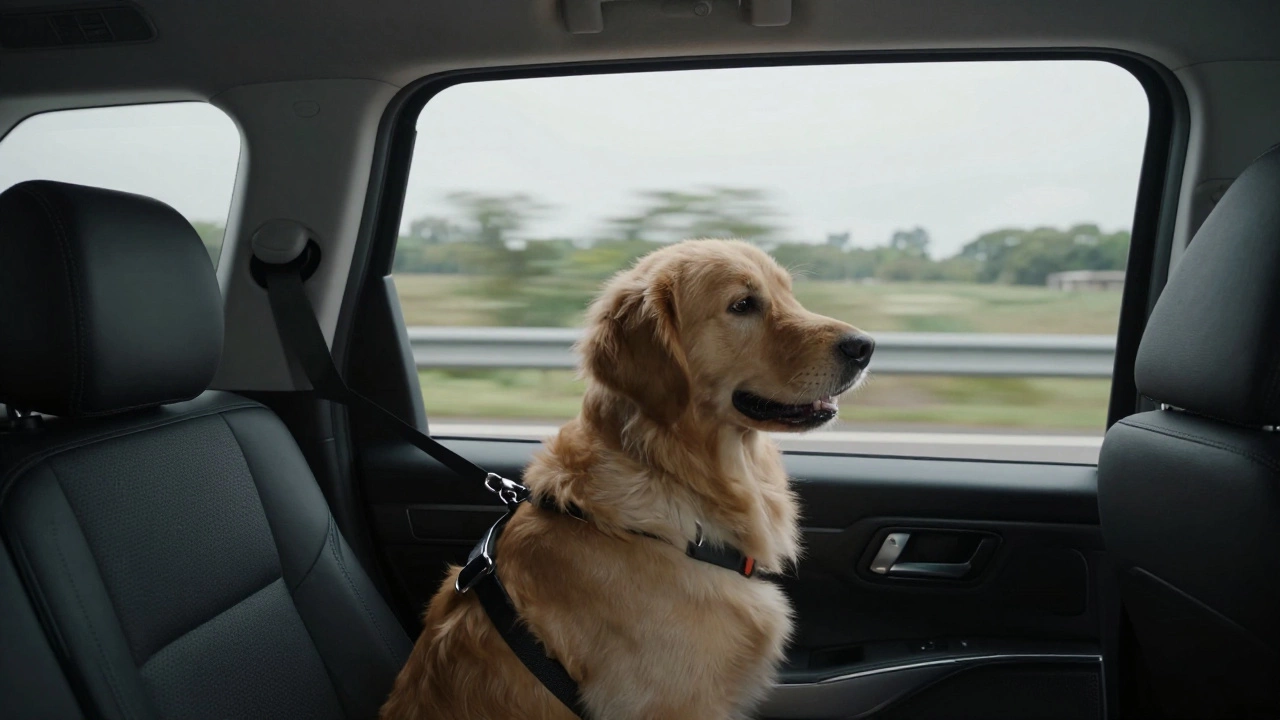
Crates and Harnesses are the only safe ways to transport dogs in vehicles, providing critical protection during sudden stops or collisions. According to veterinary safety guidelines, a properly secured crate acts as a cage-like structure that absorbs impact energy. Alternatively, a certified dog car harness connects to the seatbelt buckle, limiting movement while allowing some comfort.Avoid window extenders or mesh screens. These offer no protection in a crash and can encourage your dog to lean out, risking eye injuries from debris or neck damage from wind resistance. Keep windows cracked slightly for airflow, but never open them fully enough for a paw or head to stick out.
Managing Temperature and Comfort
Heatstroke is the silent killer of long car trips. Dogs regulate body temperature primarily through panting, which is inefficient when humidity is high or air circulation is poor. Even in mild weather, direct sunlight through windows creates a greenhouse effect inside the car. Temperatures can rise by 20 degrees Fahrenheit within minutes.
Never leave your dog in a parked car, even for five minutes. On a 70-degree day, the interior can reach 100+ degrees quickly. During the drive, maintain a consistent cabin temperature between 68-72°F (20-22°C). Use sunshades on windows to block direct rays. If your dog starts panting excessively with bright red gums, pull over immediately, offer water, and use a fan or damp cloth to cool them down.
Conversely, cold weather poses risks too. Older dogs or short-haired breeds may shiver or become lethargic. Bring a blanket or a heated pet pad designed for cars to keep them warm. Check paws for ice buildup if traveling in snowy regions.
The Route Strategy: Breaks Are Non-Negotiable
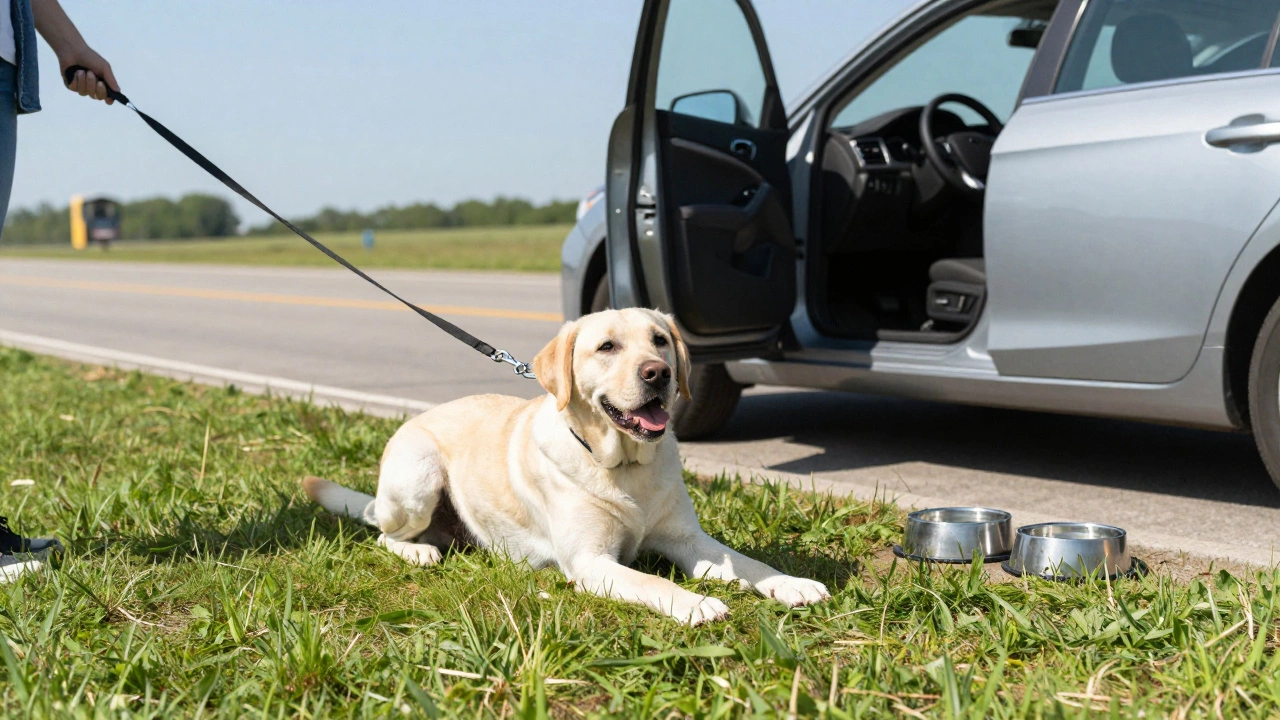
A 12-hour drive is not one continuous stretch. Plan for a break every 2 to 3 hours. Each break should last at least 15-20 minutes. This allows your dog to stretch, hydrate, and eliminate waste. Use designated rest stops with grassy areas where your dog can run safely on a leash.
During breaks, monitor your dog closely. Look for signs of fatigue, limping, or reluctance to move. Offer small amounts of water frequently rather than letting them gulp large quantities, which can cause bloat-a serious condition where the stomach twists. Avoid feeding a full meal right before or during the drive. Stick to light snacks or wait until you reach your destination.
If possible, split the drive into two days. Sleeping in a hotel or staying with friends halfway reduces stress significantly. Dogs thrive on routine; disrupting it for 12 straight hours is taxing. A night’s rest resets their energy levels and makes the second leg much easier.
What to Do During the Drive
Keep the atmosphere calm. Play soft music or white noise to mask road sounds. Some owners swear by classical music reduces barking and panting. Avoid loud conversations or sudden movements that might startle your dog.
Check on your dog visually every 30 minutes. Ensure they haven’t shifted into an uncomfortable position or started chewing on unsafe objects. If they seem anxious, speak to them in a soothing tone. Never scold them for accidents or noise; this increases stress.
Consider calming aids. Products containing L-theanine or alpha-casozepine (like Zylkene) can help reduce anxiety without sedation. Consult your vet before using any supplements. Sedatives are generally discouraged because they can interfere with balance and vestibular function, worsening motion sickness.
Red Flags: When to Stop Immediately
Know the warning signs of severe distress. If your dog exhibits any of the following, pull over and assess the situation:
- Excessive drooling or foaming at the mouth
- Bright red or purple gums
- Vomiting repeatedly
- Difficulty breathing or gasping
- Weakness or collapse
If symptoms persist after cooling down and resting, seek emergency veterinary care. Do not push through these signs. No destination is worth your dog’s life.
Arrival and Decompression
When you finally arrive, don’t rush your dog out. Let them acclimate to the new environment slowly. Open the door and let them explore at their own pace. Provide fresh water and a quiet space to rest. They may be exhausted and need time to recover from the sensory overload of the journey.
Clean the car thoroughly afterward. Remove hair, odors, and any residual stress triggers. This prepares the vehicle for future trips and reinforces the idea that car rides are manageable events.
How often should I stop during a long dog car trip?
You should stop every 2 to 3 hours for at least 15-20 minutes. This frequency allows your dog to relieve themselves, stretch their legs, and drink water, preventing physical discomfort and reducing anxiety.
Can I give my dog sedatives for a 12-hour drive?
Generally, no. Sedatives can impair your dog's ability to regulate body temperature and balance, increasing the risk of heatstroke and motion sickness. Consult your vet for non-sedative calming aids instead.
What is the safest way to secure a dog in a car?
The safest methods are a properly sized and strapped-in crate or a certified dog car harness connected to the seatbelt. Never allow a dog to roam freely in the vehicle.
Should I feed my dog before a long car ride?
Avoid feeding a full meal right before or during the drive to prevent nausea and bloat. Offer light snacks during breaks or wait until you reach your destination to provide a normal meal.
Is it okay to leave a dog in a parked car during a stop?
Never leave your dog alone in a parked car, regardless of the weather. Temperatures can change rapidly, leading to fatal heatstroke or hypothermia. Always take your dog with you during stops.