Groomer's Freshness Simulator
Select the options that match your current routine to see how close you are to achieving that professional groomer scent.
Freshness Potential
Make selections
Estimate how long the scent will last:
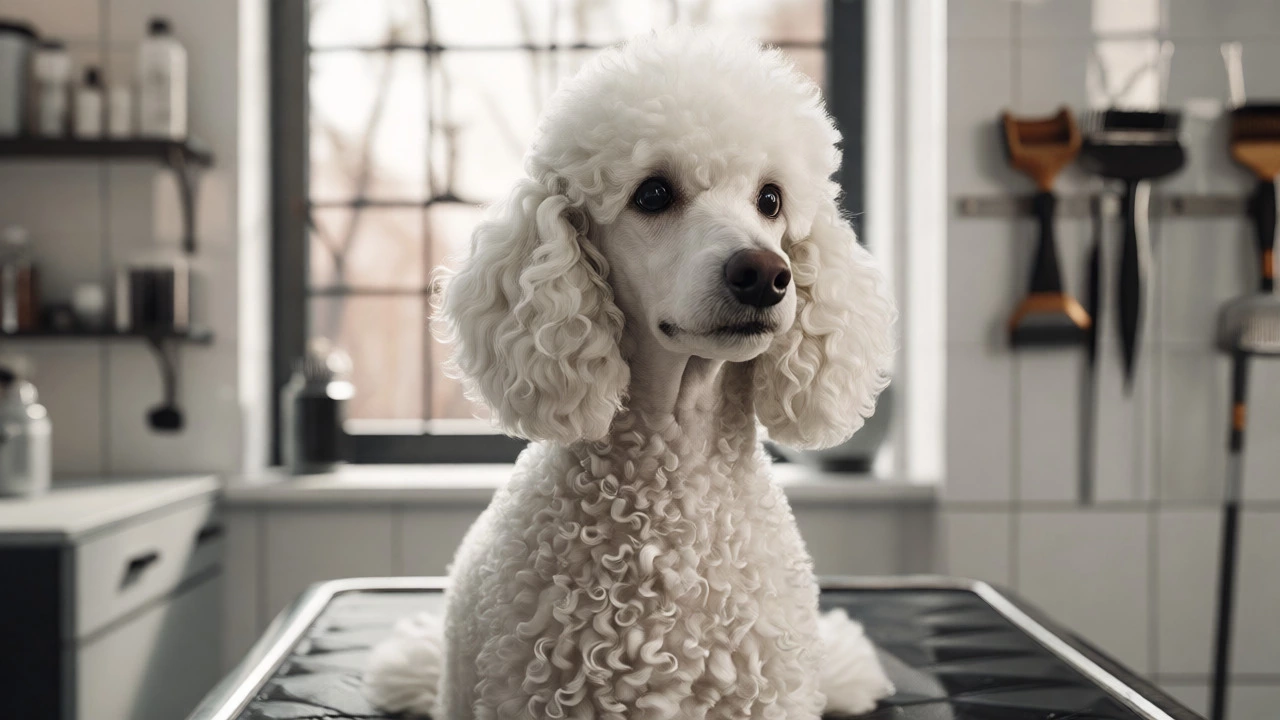
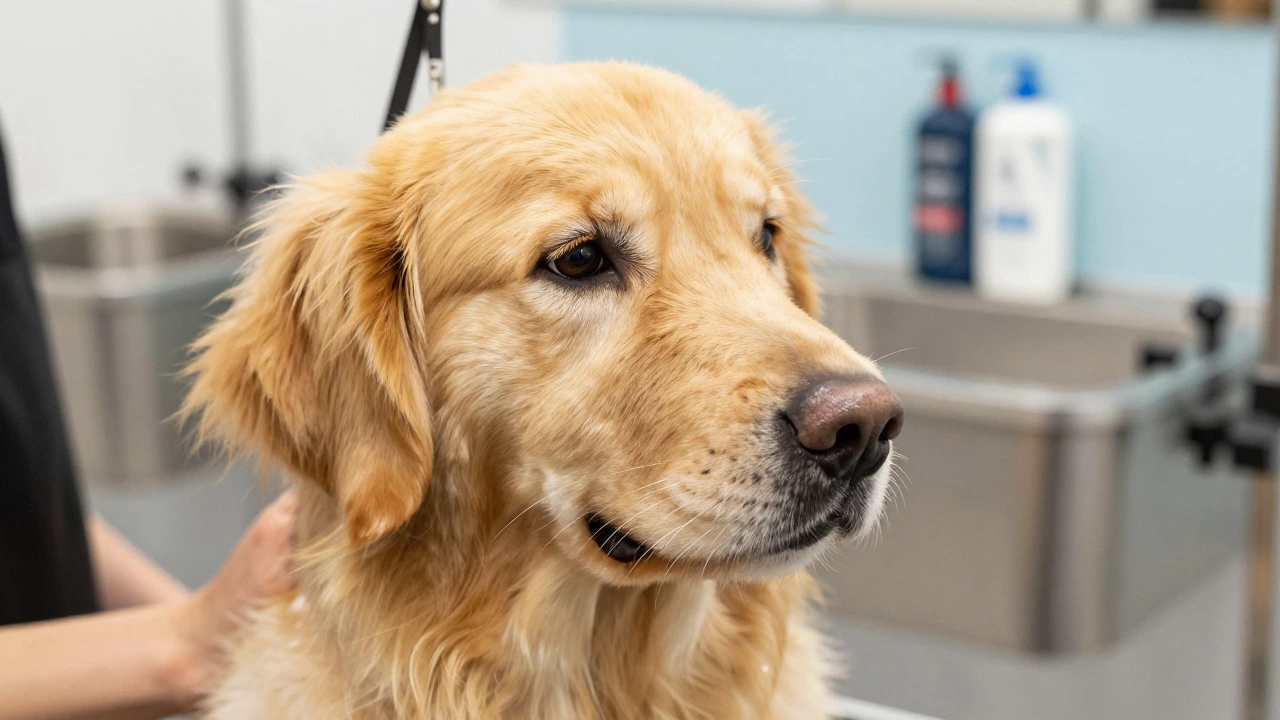
?There is nothing quite like walking into a groomer’s shop and being hit with that clean, fresh scent. It’s distinct from human laundry detergent or household cleaners. It smells like sunshine, soap, and something inherently comforting. You pick up your dog, bury your face in their fur, and take a deep breath of pure bliss. But have you ever stopped to wonder why this happens? Why does your dog smell so much better after a professional bath than they do after you wash them at home?
The answer isn’t just about expensive soap. It involves biology, chemistry, and the specific techniques used by professionals. Understanding this can help you replicate that feeling at home or simply appreciate the science behind the service.
The Role of Professional-Grade Products
The biggest difference between a home bath and a groomer’s bath is the quality and formulation of the products used. At home, you might use a standard bottle of dog shampoo bought from a supermarket. These products are often diluted heavily with water and contain fillers to keep costs down. They clean the surface dirt but rarely penetrate deep enough to remove the oils that cause odors.
Groomers use professional-grade shampoos that are highly concentrated. These formulas are designed for high-frequency use and contain stronger cleansing agents. More importantly, they are pH-balanced specifically for canine skin. Human skin has a pH of around 5.5, while dog skin is more alkaline, typically ranging between 6.5 and 7.5. Using human products on dogs can strip their natural oils too aggressively or leave residue that traps bacteria. Professional shampoos respect this biological difference, ensuring a thorough clean without damaging the skin barrier.
Many groomers also use a two-step process: a pre-conditioner or de-shedding treatment followed by a medicated or moisturizing shampoo. This double-cleanse approach ensures that loose hair, dander, and embedded dirt are lifted out before the final rinse. The result is a coat that feels lighter and smells fresher because the source of the odor-the trapped debris-is actually gone.
Understanding Canine Skin Biology
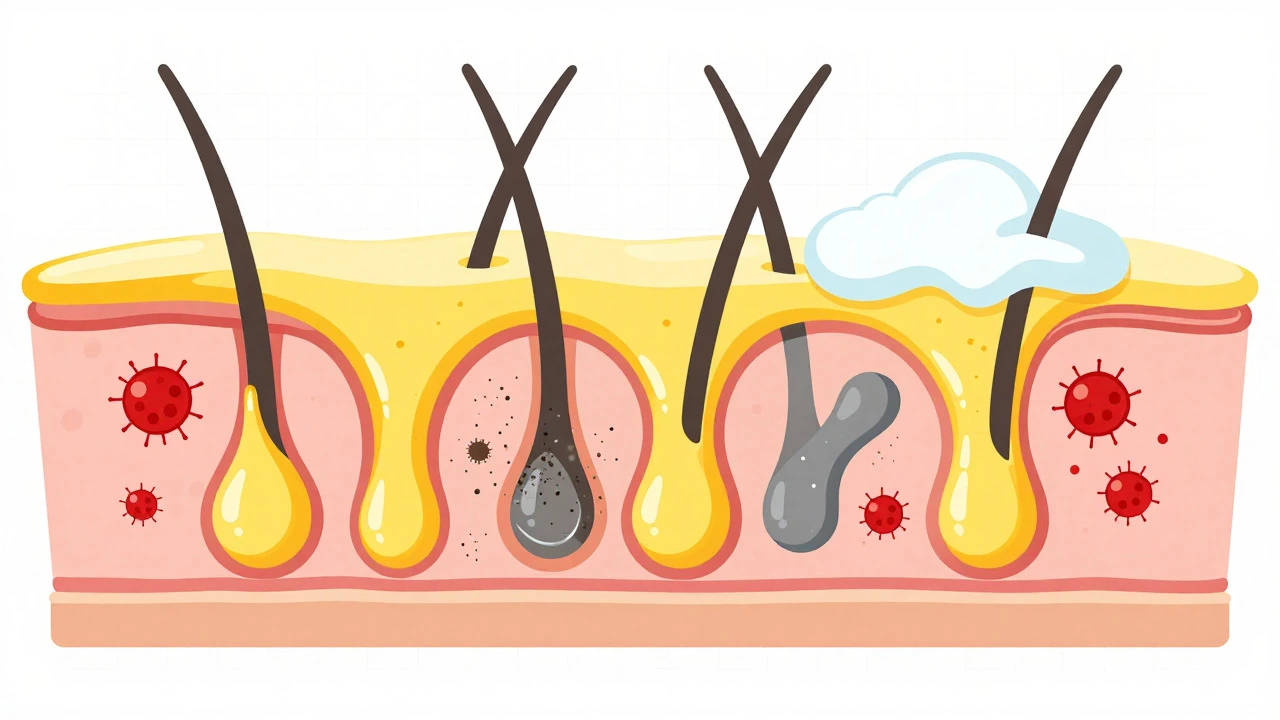
To understand why dogs smell bad in the first place, we need to look at their skin. Dogs produce an oily substance called sebum. Sebum is secreted by sebaceous glands located near the hair follicles. Its job is to protect the skin and keep the coat waterproof and shiny. However, sebum also attracts dust, pollen, and bacteria. As these particles mix with the oil, they create that familiar "wet dog" smell.
This odor is largely caused by bacteria breaking down the oils on the skin. Specifically, certain types of bacteria, such as Staphylococcus and Pseudomonas, thrive in moist, oily environments. When a dog rolls in grass, mud, or even just walks through the house, these bacteria multiply and produce volatile organic compounds (VOCs) that our noses detect as unpleasant odors.
A professional groomer doesn’t just wash away the dirt; they disrupt this bacterial cycle. By using warm water and effective surfactants (the cleaning agents in soap), they emulsify the sebum, allowing it to be rinsed away completely. Without the food source (the oil) and the habitat (the matted hair), the bacteria population drops significantly, leading to a neutral, clean scent.
The Power of High-Velocity Drying
If you’ve ever tried to dry a large dog with a regular towel, you know it’s a losing battle. Towels absorb moisture from the top layer of the coat but often miss the dense undercoat. This trapped moisture creates a perfect breeding ground for yeast and bacteria, which leads to musty smells within hours of the bath.
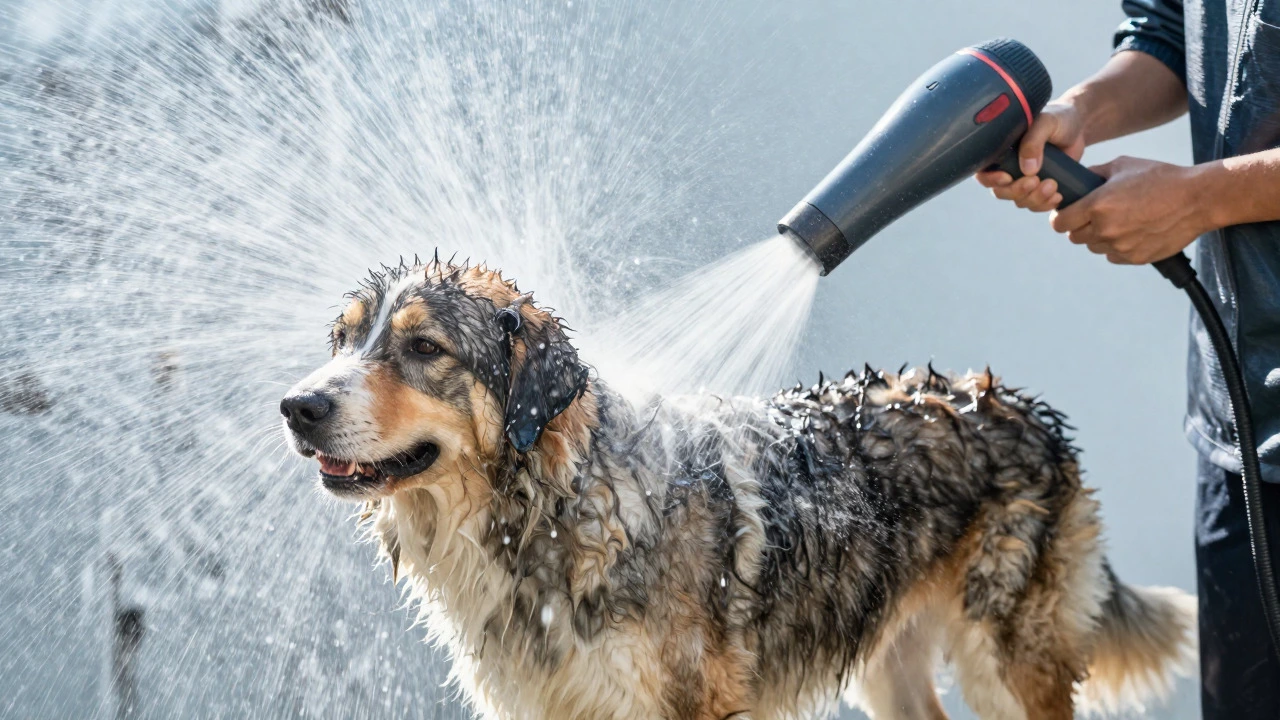
Groomers use high-velocity dryers. These machines blow air at speeds exceeding 100 miles per hour. Unlike human hair dryers that rely primarily on heat, high-velocity dryers rely on force. They blast water out from the roots of the hair shaft all the way to the tips. This thorough drying prevents dampness from lingering in the undercoat.
Furthermore, many groomers brush the dog while drying. This technique, known as blow-drying, helps to separate the hairs and ensure that every inch of the coat gets airflow. A completely dry coat cannot support the rapid growth of odor-causing microbes. This is why your dog smells good immediately after leaving the shop-there is no dampness left to ferment.
Scent Additives and Conditioners
Once the coat is clean and dry, the groomer adds the finishing touch: fragrance. Most professional shampoos and conditioners contain added scents like lavender, oatmeal, vanilla, or citrus. These aren’t just perfumes sprayed on top; they are infused into the conditioning agents that remain in the hair cuticle after rinsing.
Conditioners work by smoothing the hair cuticle. When the cuticle is smooth, light reflects off the hair, making the coat look shinier. But it also locks in the pleasant scent molecules. Because the conditioner stays in the fur longer than the shampoo, the fresh smell lasts for days. Some groomers may also apply a light cologne or spray, but the primary long-lasting scent comes from the conditioning phase of the wash.
Removing Environmental Triggers
Dogs spend most of their time outdoors. They roll in dirt, sniff garbage cans, and walk through puddles. Their coats act as magnets for environmental pollutants. Pollen, mold spores, and urban exhaust particles get trapped in the fur. Over time, these accumulate and contribute to a stale or earthy odor.
A professional grooming session includes a detailed brushing-out process before the bath. Groomers spend significant time removing mats, tangles, and loose undercoat. This mechanical removal is crucial. If you wash a matted dog, the water and soap sit on top of the mat rather than reaching the skin. The dirt remains trapped inside the knot. By removing the dead hair and debris first, the groomer ensures that the shampoo can actually reach the skin where the odor originates.
| Factor | Home Bath | Professional Grooming |
|---|---|---|
| Shampoo Quality | Retail grade, often diluted | Concentrated, pH-balanced for dogs |
| Drying Method | Towels or low-speed dryer | High-velocity dryer + brushing |
| Debris Removal | Surface level only | Deep deshedding and dematting |
| Scent Longevity | Fades within hours | Lasts several days |
| Skin Health Impact | Can be irritating if wrong pH | Moisturizes and balances skin |
How to Replicate the Groomer’s Scent at Home
You don’t need to visit a groomer every week to enjoy that fresh scent. With the right tools and techniques, you can achieve similar results at home. Here is how to upgrade your bathing routine:
- Invest in a quality shampoo: Look for brands labeled "professional" or "salon quality." Avoid products with harsh sulfates or artificial fragrances that might irritate sensitive skin. Oatmeal and aloe vera bases are excellent for soothing skin while cleaning.
- Brush before you bathe: Never skip the pre-bath brush-out. Remove as much loose hair and dirt as possible. This allows the water and shampoo to penetrate deeper.
- Use warm, not hot, water: Hot water strips natural oils and can burn sensitive skin. Warm water helps open the pores and loosen dirt effectively.
- Rinse thoroughly: Residue is the enemy of freshness. Rinse until the water runs completely clear. Any leftover soap will attract dirt and cause itching.
- Dry completely: If you don’t have a high-velocity dryer, use multiple towels and a regular hair dryer on a cool setting. Ensure the undercoat is bone dry before letting your dog run around.
- Apply conditioner: Use a leave-in conditioner or a moisturizing rinse to seal the cuticle and lock in the fresh scent.
When the Smell Isn’t Just Dirt
Sometimes, no amount of washing seems to fix the odor. If your dog smells foul despite regular baths, it might be a health issue. Certain medical conditions produce distinct odors that shampoo cannot mask.
Yeast infections often smell like corn chips or Fritos. This is common in dogs with floppy ears or skin folds. Bacterial infections can produce a rotting or metallic smell. Dental disease causes bad breath that can permeate the entire coat due to close contact during sleeping and cuddling. Anal gland issues release a pungent, fishy odor that is unmistakable.
If you notice a sudden change in your dog’s smell, or if the odor persists after a professional grooming, consult your veterinarian. Treating the underlying infection or dental issue will resolve the smell far better than any amount of lavender shampoo.
How long does the groomer's smell last on a dog?
The fresh scent typically lasts between 3 to 7 days, depending on the dog's activity level and environment. Highly active dogs who spend time outdoors will lose the scent faster as they pick up new odors. Indoor dogs may retain the fresh smell for over a week.
Can I use human shampoo on my dog?
It is generally not recommended. Human shampoo has a lower pH (around 5.5) compared to dog skin (6.5-7.5). Regular use can disrupt the acid mantle of the dog's skin, leading to dryness, irritation, and increased susceptibility to infections. While occasional use won't harm a healthy dog, dedicated dog shampoos are safer and more effective.
Why does my dog smell like popcorn?
A popcorn or corn chip smell is usually a sign of a yeast infection, particularly in the ears or skin folds. Yeast is a type of fungus that thrives in warm, moist areas. If this smell persists after a bath, a vet visit is necessary to treat the fungal overgrowth.
Do groomers use perfume on dogs?
Most groomers do not spray heavy perfumes. Instead, the scent comes from the shampoos and conditioners used during the bath. These products contain mild, dog-safe fragrances like lavender or vanilla that are infused into the coat. Some groomers may use a light cologne spray at the end, but it is usually subtle and non-toxic.
How often should I bathe my dog?
For most dogs, bathing once a month is sufficient. Over-bathing can strip natural oils and lead to dry, itchy skin. Active dogs or those with skin conditions may need more frequent baths, but always follow your veterinarian's advice. Between baths, regular brushing helps distribute natural oils and keeps the coat smelling fresh.