Dog Walking Gear Selector
Answer 4 simple questions about your dog to get a personalized recommendation for the best walking gear.
Your Personalized Recommendation
There is a moment every dog owner faces. You grab the leash, clip it on, and take a step. Your dog pulls. The pressure hits their neck instantly. It’s uncomfortable for them and frustrating for you. This simple act of walking your dog raises a big question: should you be using a dog harness or a traditional collar? The answer isn’t just about preference; it’s about anatomy, behavior, and safety.
For years, the standard was a flat buckle collar. It’s cheap, easy to use, and holds ID tags. But as we understand more about canine physiology, the conversation has shifted. A harness distributes force across the chest and shoulders, while a collar concentrates it on the trachea and spine. Knowing which tool fits your specific dog can prevent injury and make walks enjoyable again.
The Anatomy of Pulling: Why Collars Can Be Risky
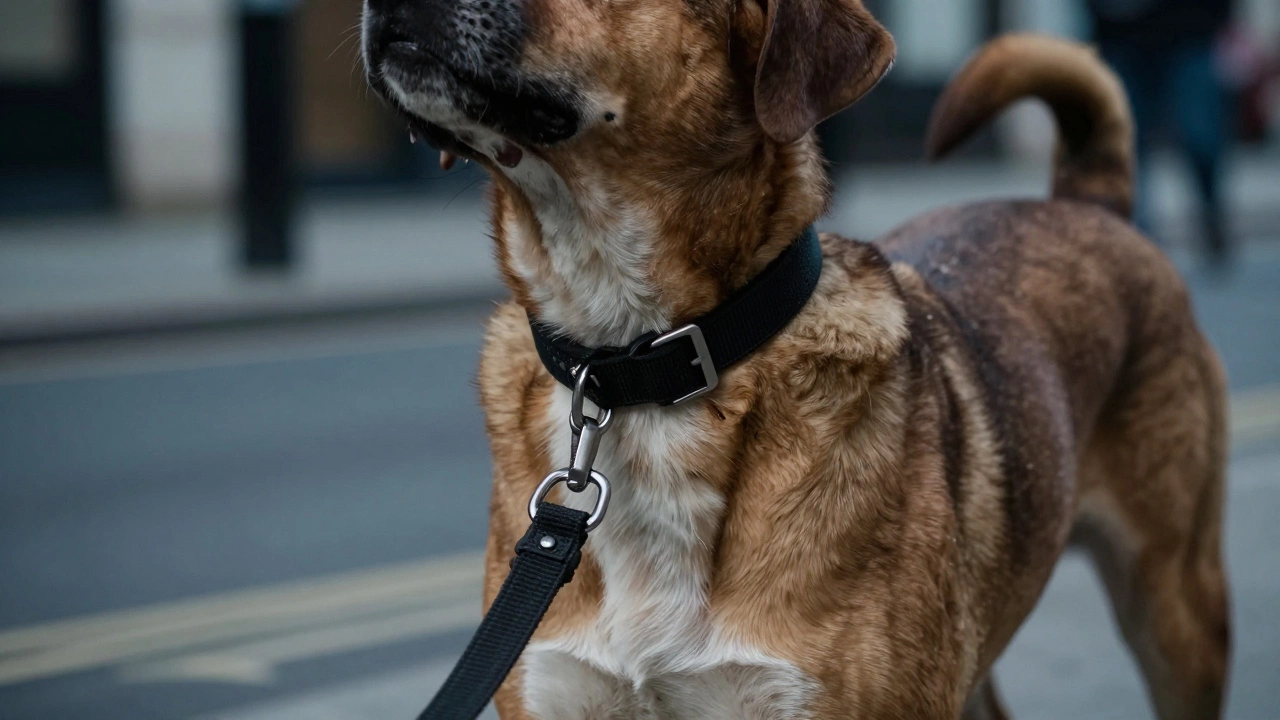
To understand why many trainers now recommend harnesses, we have to look at what happens when a dog pulls on a collar. Dogs do not have the same neck structure as humans. Their trachea (windpipe) is soft and cartilaginous. When a dog lunges at a squirrel or pulls toward another dog, that force travels directly up the leash and into the neck.
Tracheal Collapse is a condition where the rings of cartilage supporting the windpipe weaken, causing the airway to flatten and obstruct breathing. This is particularly common in small breeds like Pomeranians, Yorkshire Terriers, and Chihuahuas. Chronic pulling on a collar accelerates this damage. Even in larger breeds, sudden jerks can cause bruising, nerve damage, or thyroid issues.
Furthermore, collars can increase the drive to pull. Think of it like wearing a backpack with straps only around your neck. If you want to run away, the tension might actually encourage you to lean forward into it. For dogs with high prey drives or anxiety, a collar often makes the behavior worse, not better.
How Harnesses Change the Dynamics
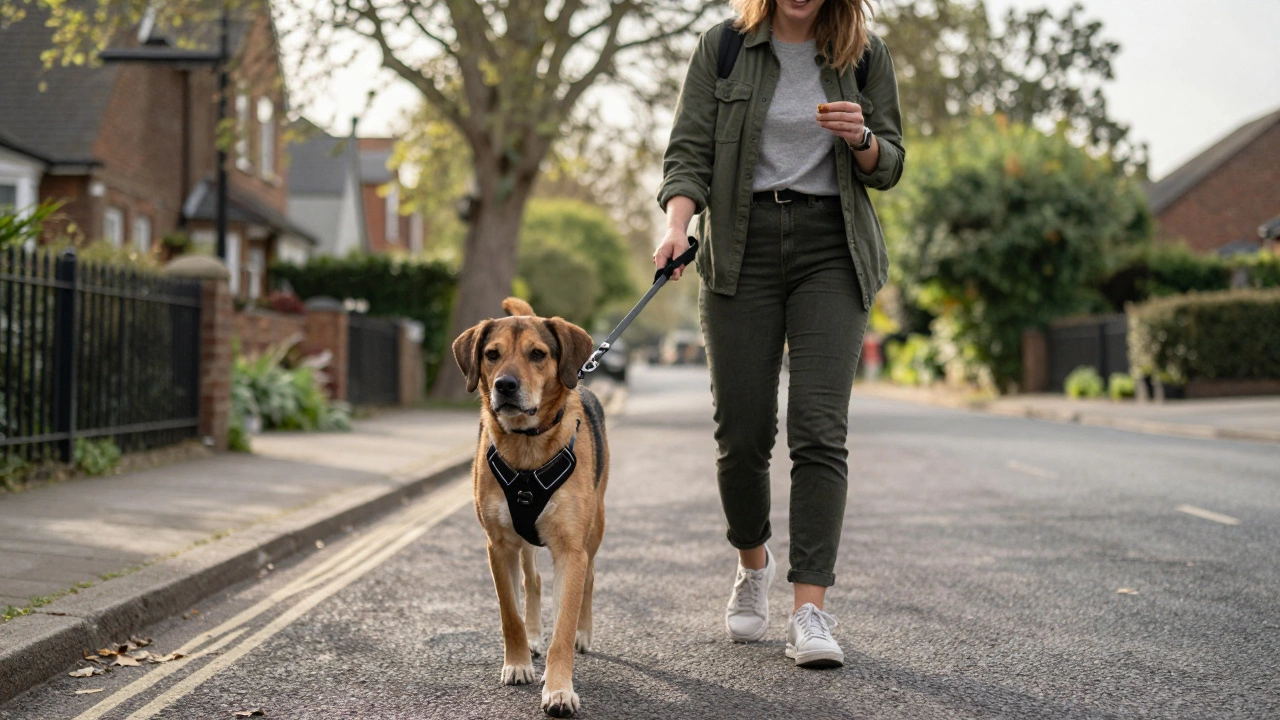
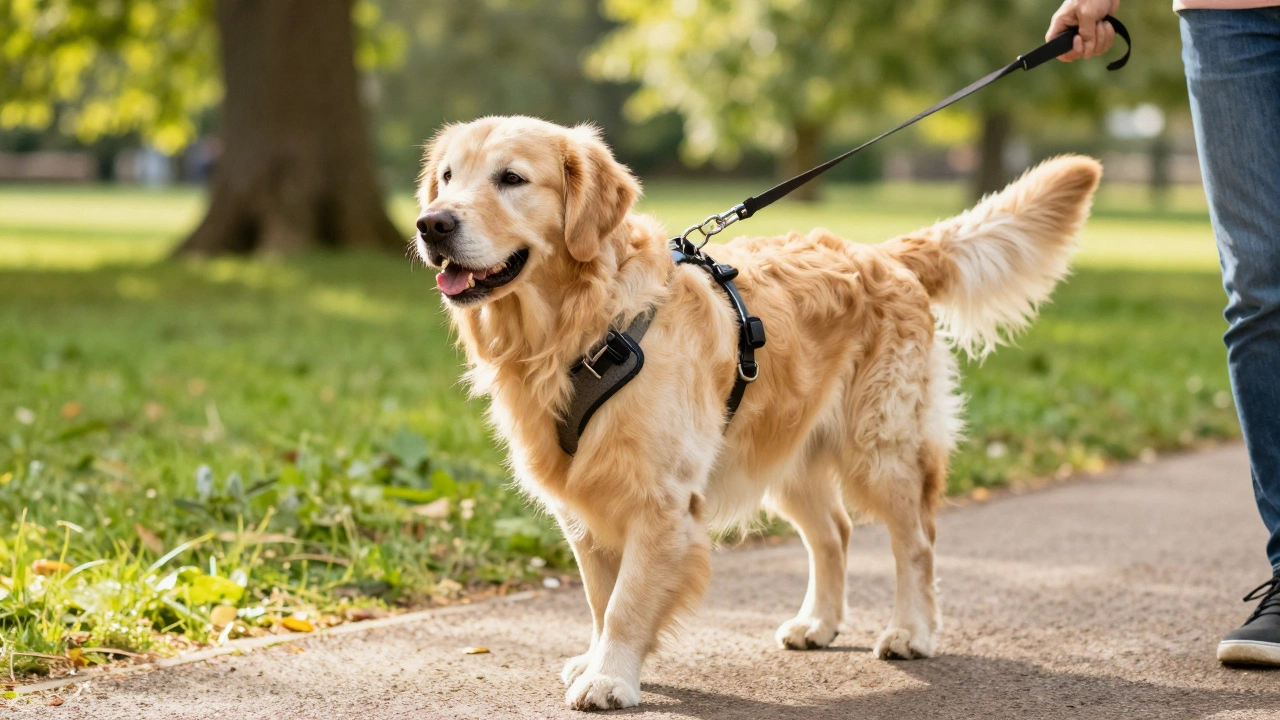
A dog harness is a garment that fits around a dog's torso, distributing leash pressure across the chest and back rather than the neck. By moving the anchor point away from the neck, you remove the risk of throat injury. When your dog pulls, the pressure lands on their sternum and rib cage, which are much stronger structures capable of handling force without damage.
However, not all harnesses are created equal. The design matters significantly. There are generally three types:
- Front-Clip Harnesses: The leash attaches to a ring on the chest. When the dog pulls, the harness gently turns their body toward you, breaking their momentum. This is excellent for training loose-leash walking.
- Back-Clip Harnesses: The leash attaches to the back. These are comfortable for dogs who already walk well but offer less control if they decide to bolt. They can sometimes encourage pulling because the dog can lean into the back strap.
- Dual-Clip Harnesses: These offer both front and back attachment points, giving you flexibility depending on the situation.
If your goal is to stop pulling, a front-clip harness is usually the most effective tool. It physically prevents the dog from generating full forward power without turning them around.
When a Collar Is Still the Right Choice
Does this mean collars are obsolete? Not entirely. There are specific scenarios where a collar is necessary or even preferable. The primary reason is identification. In the UK and many other countries, it is a legal requirement for dogs to wear a collar with an ID tag containing your name and phone number when in public places. Even if your dog wears a harness, they should also wear a collar for this purpose.
Additionally, some dogs simply hate the feeling of a harness. They may feel trapped, overheat, or try to back out of it. For these dogs, forcing a harness can create negative associations with walks. In such cases, a well-fitted martingale collar (which tightens slightly but never chokes) might be a safer alternative than a flat buckle collar, provided the dog does not have respiratory issues.
Another consideration is convenience. Quick stops to tie a dog to a chair leg at a cafe are easier with a collar. Harnesses can be bulky and time-consuming to put on, especially for fast-moving morning routines.
Comparing Safety and Control: A Side-by-Side Look
To help you decide, let’s break down the key differences between the two options based on real-world usage.
| Feature | Flat Buckle Collar | Front-Clip Harness | Back-Clip Harness |
|---|---|---|---|
| Neck Safety | Low (Risk of tracheal damage) | High (No neck pressure) | High (No neck pressure) |
| Pulling Control | Poor (Can encourage pulling) | Excellent (Redirects movement) | Moderate (Less leverage) |
| ID Tag Placement | Ideal | Poor (Tags can get lost in fur) | Poor (Tags can get lost in fur) |
| Comfort for Long Walks | Moderate (Chafing possible) | High (Distributed weight) | High (Distributed weight) |
| Escape Risk | Low (If fitted correctly) | Moderate (If poorly fitted) | Moderate (If poorly fitted) |
Note that "escape risk" refers to dogs backing out of gear. A harness that is too loose allows a dog to slip out backward. A collar that is too loose allows the head to pop through. Proper fit is critical regardless of the choice.
Finding the Perfect Fit: Avoiding Common Mistakes
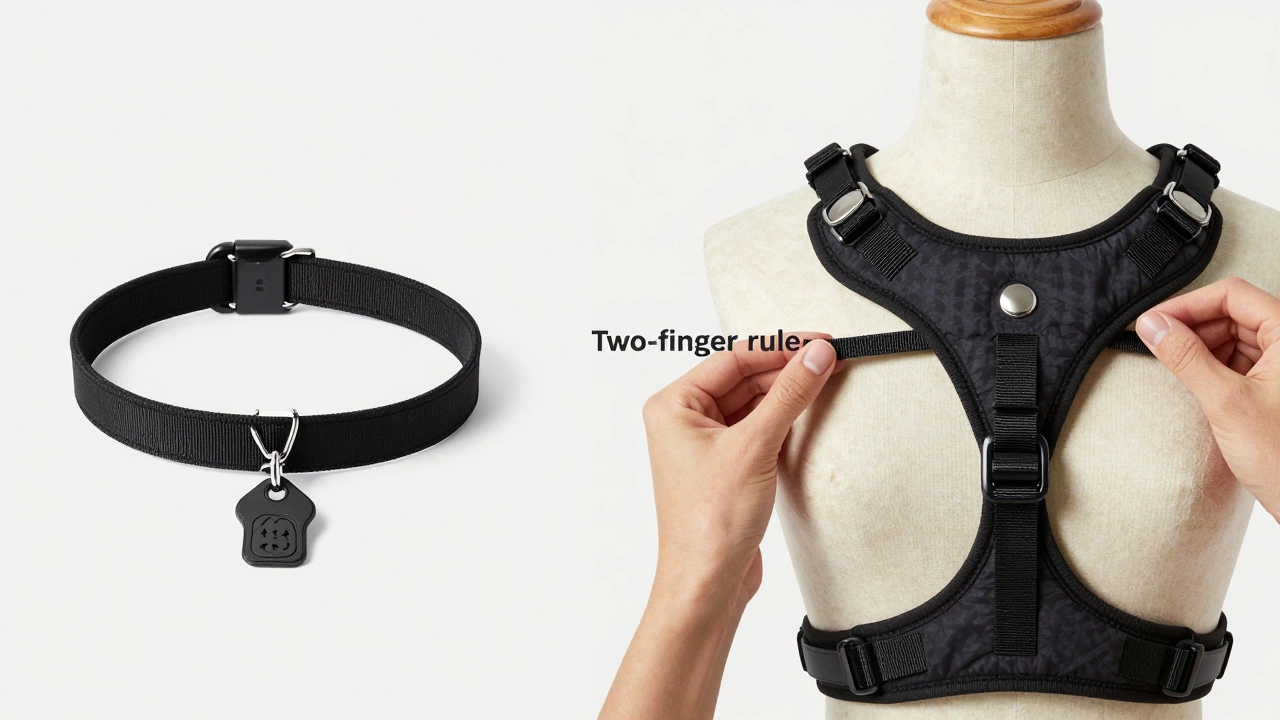
Even the best harness will fail if it doesn’t fit. Many owners buy a size based on the breed chart alone, but bodies vary wildly. A Greyhound needs a different cut than a Bulldog of the same weight. Here is how to ensure a secure fit:
- The Two-Finger Rule: You should be able to slide two fingers comfortably under any strap. If you can’t, it’s too tight and will chafe. If you can slide a whole hand, it’s too loose and the dog could escape.
- Check the Armpits: Ensure the straps don’t dig into the axilla (armpit). Friction here causes hair loss and skin irritation. Look for padded harnesses if your dog has sensitive skin.
- Observe Movement: Put the harness on and watch your dog move. Do their legs splay outward? Does the harness ride up onto their shoulders? Adjust the girth strap until the harness sits snugly against the body without restricting shoulder movement.
For collars, check frequently. Puppies grow quickly, and adult dogs can gain or lose weight. A collar that was perfect last month might be choking your dog today.
Special Cases: Brachycephalic Breeds and Senior Dogs
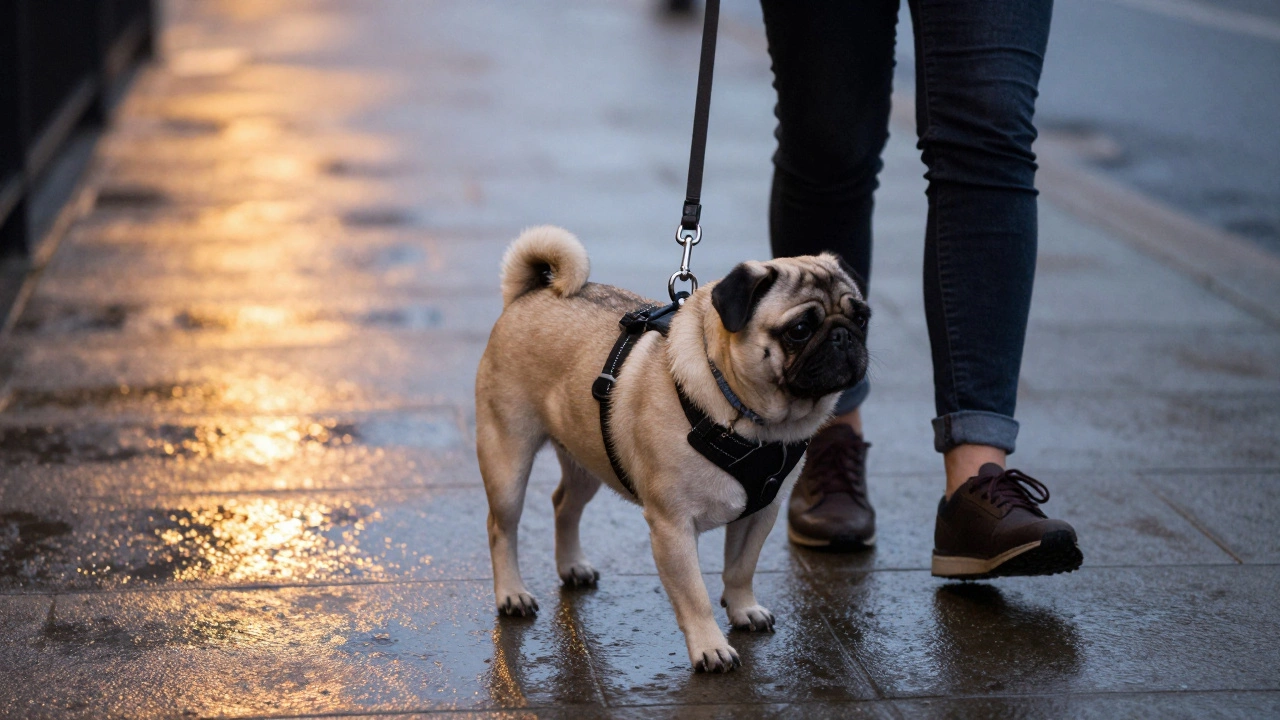
Certain dogs need extra care when choosing walking gear. Brachycephalic breeds-such as Pugs, French Bulldogs, and Boston Terriers-have shortened skulls and compromised airways. Any pressure on their neck can restrict breathing further. For these dogs, a harness is non-negotiable. A front-clip harness helps keep their head up and encourages better posture, making breathing easier during exercise.
Senior dogs often suffer from arthritis or hip dysplasia. A harness with a handle on the back can be incredibly useful. It allows you to support their hindquarters when climbing stairs or getting into the car, reducing strain on their joints. Additionally, older dogs may have thinner skin, so avoid metal buckles that can pinch or rub.
Training Tips: Making the Transition Smooth
If you’ve always used a collar, switching to a harness might confuse your dog. They may pull harder initially because they haven’t learned that pulling doesn’t work anymore. Here is a quick plan to transition:
- Positive Association: Let your dog sniff the harness before putting it on. Toss treats inside it. Feed meals with it on. Make the harness a predictor of good things.
- Start Indoors: Practice walking with the harness in a low-distraction environment like your living room. Reward calm behavior near the door.
- Be Consistent: Don’t switch back to the collar when you’re frustrated. The harness takes time to train. Use high-value treats to reward walking by your side.
Remember, the gear is a tool, not a cure. It works best when combined with positive reinforcement training. A harness gives you control, but your cues tell the dog what to do.
Final Thoughts on Gear Selection
Choosing between a collar and a harness comes down to prioritizing safety and comfort. While collars are convenient for ID tags, they pose significant health risks for dogs that pull. Harnesses, particularly front-clip designs, protect the neck and provide better control. For most active dogs, a combination approach works best: a harness for walking and a lightweight collar worn underneath for identification.
Your dog’s body language will tell you if something is wrong. Watch for coughing after walks, red marks on the neck, or reluctance to wear certain gear. Trust those signals. Investing in the right equipment pays off in healthier, happier walks for years to come.
Is it illegal to walk a dog without a collar in the UK?
Yes, under the Control of Dogs Order 1992, dogs must wear a collar with the owner's name and address when in a public place. However, there are exemptions for working dogs, guide dogs, and dogs involved in sports competitions. If you use a harness, you should still attach the ID tag to a separate lightweight collar to comply with the law.
Do harnesses prevent dogs from pulling?
Front-clip harnesses significantly reduce pulling by redirecting the dog's momentum toward you when they lunge. Back-clip harnesses are more comfortable but do not inherently stop pulling. For best results, pair a front-clip harness with positive reinforcement training to teach loose-leash walking.
Can a harness hurt my dog?
A properly fitted harness should not hurt your dog. However, ill-fitting harnesses can cause chafing in the armpits, restrict shoulder movement, or lead to muscle imbalances if the dog leans heavily into them. Always ensure the harness is snug but not tight, and check for redness or hair loss regularly.
What is the safest type of collar for a dog that pulls?
If you must use a collar, a martingale collar is safer than a flat buckle collar for pullers because it limits slack without tightening indefinitely. However, choke chains and prong collars are discouraged by many veterinary behaviorists due to the risk of pain and tissue damage. A harness is generally the safest option for pullers.
Should I use a harness or collar for my puppy?
Harnesses are often recommended for puppies because their necks are delicate and developing. Starting with a harness early helps establish good walking habits before pulling becomes a entrenched behavior. Choose a lightweight, adjustable harness that grows with your puppy.