Ever walked your dog and felt like you’re being dragged down the street? You’re not alone. Pulling on the leash is one of the most common complaints from dog owners - and it’s not because your dog is bad. It’s because they haven’t learned how to walk calmly beside you. The good news? You can fix this. Not with force, not with punishment, but with the right tools and consistent training.
Why Dogs Pull on the Leash
Dogs pull because they’re curious, excited, or just moving faster than you. Their natural pace is quicker, and they don’t understand why you stop every few steps to sniff a tree or let someone pass. Pulling works for them - it gets them where they want to go. If they’ve pulled successfully even once, they’ll keep doing it. It’s not about dominance. It’s about reward.What Doesn’t Work
Choke chains, prong collars, and shock collars might stop pulling in the moment, but they don’t teach your dog anything. They cause pain, fear, or even aggression. A 2020 study from the University of Lincoln found that dogs trained with aversive tools showed higher stress levels and were more likely to react aggressively on walks. These tools might give you quick results, but they damage trust. And trust is what you need for a calm, happy walk.The Best Tool: No-Pull Harness
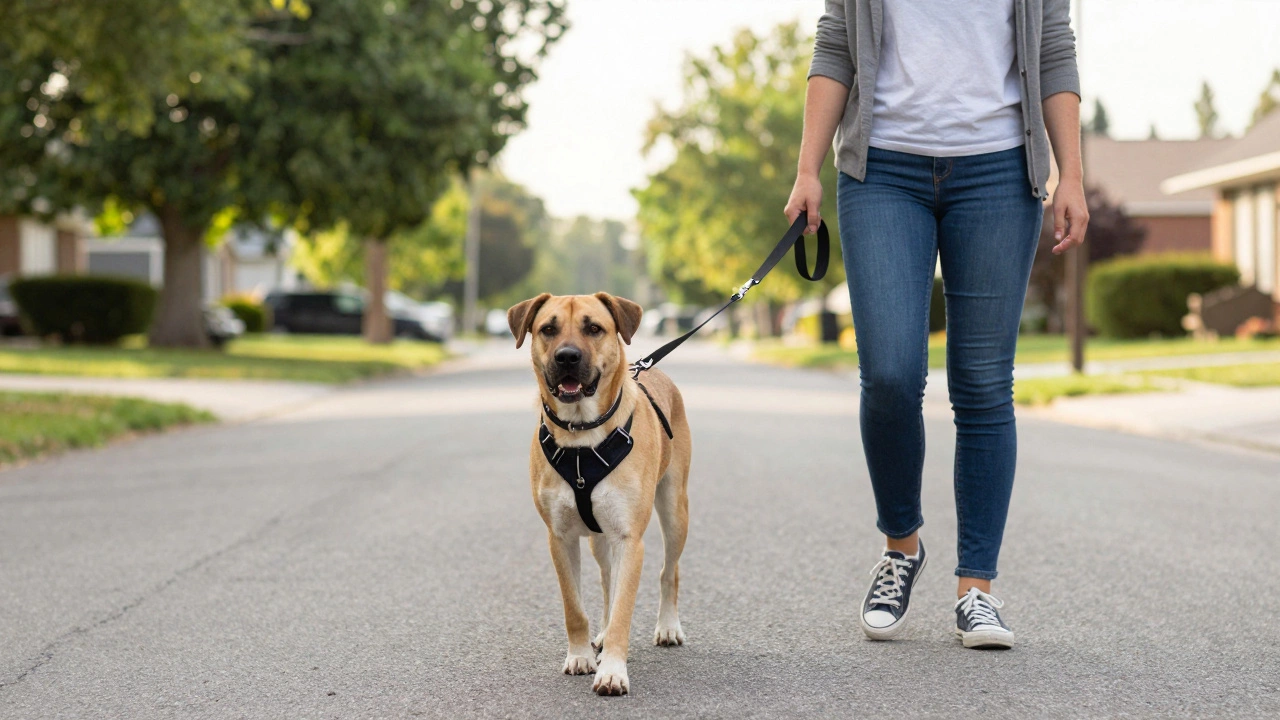
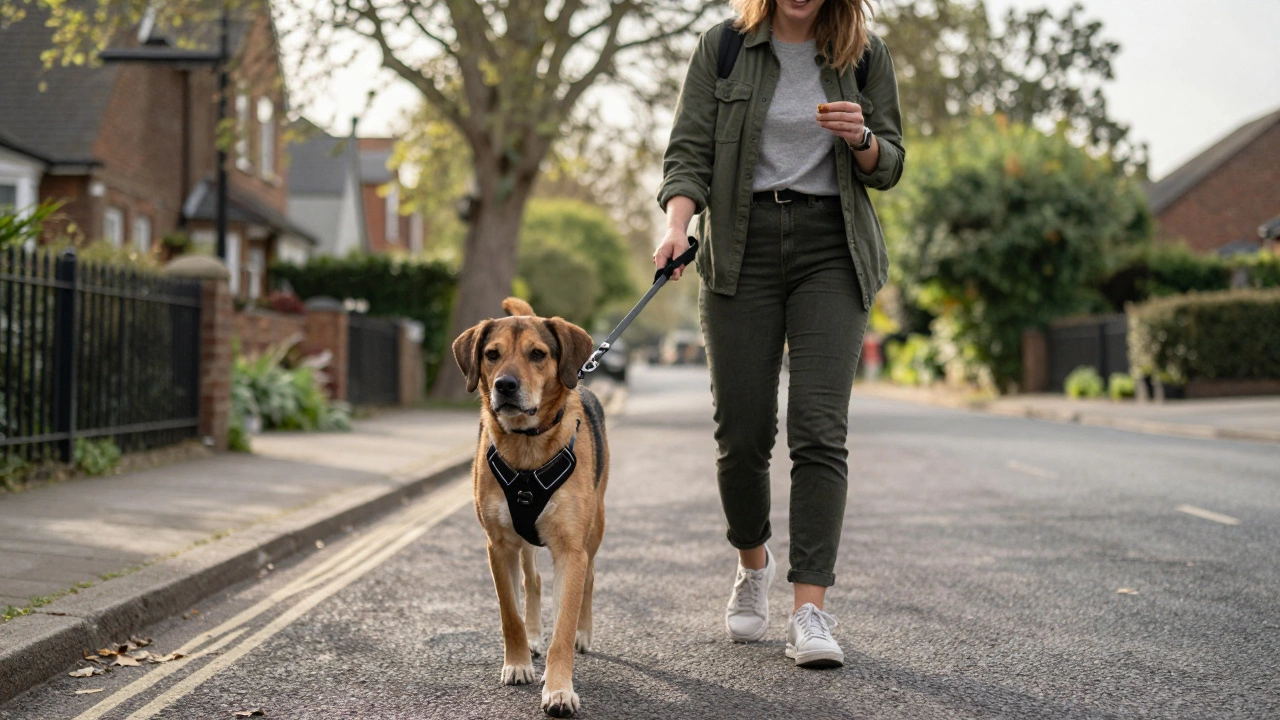
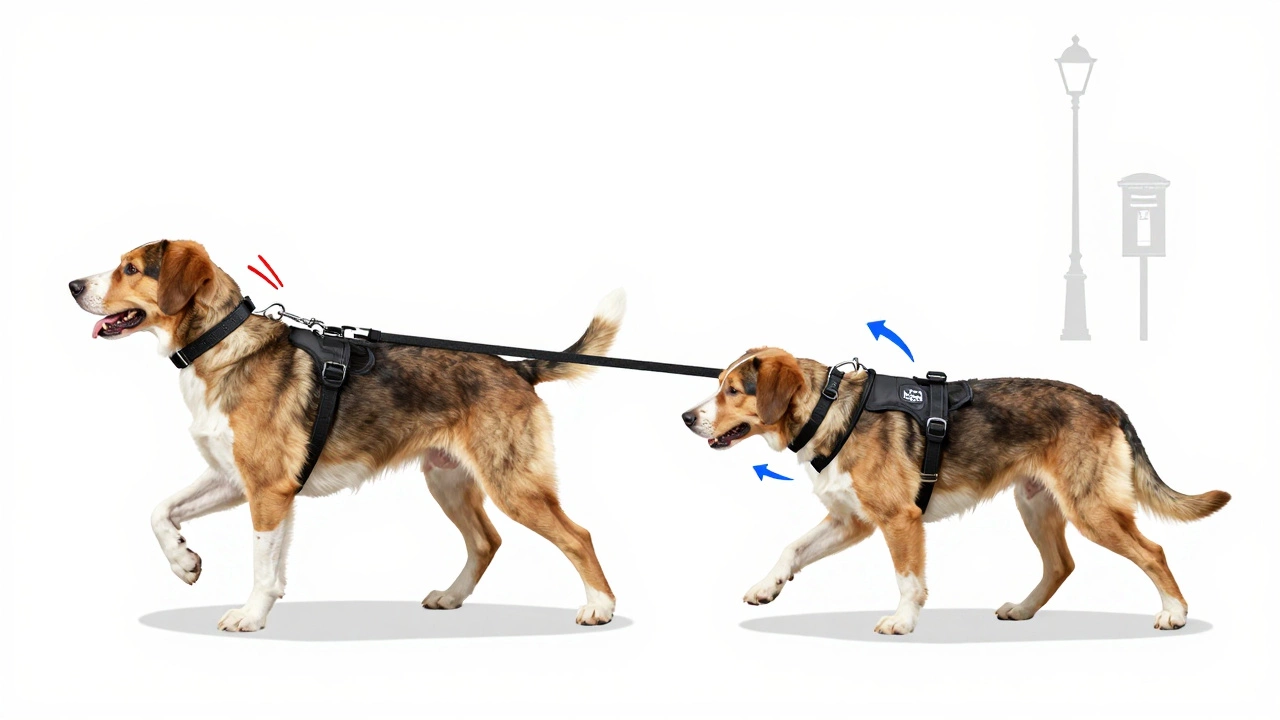
The most effective solution for most dogs is a no-pull harness. Unlike a collar, which puts pressure on the neck and windpipe, a no-pull harness redirects force to the chest and shoulders. When your dog pulls, the harness gently turns them sideways, making pulling uncomfortable - not painful - and naturally discourages the behavior. Look for a harness with a front clip. That’s the loop near the chest, not the back. Brands like EasyWalk and Freedom No-Pull Harness are popular in the UK because they’re sturdy, adjustable, and work for small and large breeds alike. A front-clip harness doesn’t just reduce pulling - it gives you more control. You can gently guide your dog back to your side without yanking their neck.How to Use a No-Pull Harness
Putting on a harness is only half the battle. You still need to train your dog to walk nicely. Here’s how:- Put the harness on indoors first. Let your dog wear it for 10 minutes with treats nearby so they associate it with good things.
- Take them outside. The moment they pull, stop walking. Don’t say anything. Just stand still.
- When the leash loosens - even a little - say “yes!” and give a treat. Then keep walking.
- Repeat this every single walk. It takes patience, but dogs learn fast when the reward is immediate.
Most owners see improvement in 3-5 days. Consistency matters more than duration. Two 10-minute walks with training beats one 30-minute pull-fest.
What About Head Halters?
Head halters like the Halti or Gentle Leader work by guiding the dog’s head, which naturally turns their body. They’re great for strong pullers or dogs who lunge at other animals. But they need a proper fitting and a gradual introduction. Some dogs feel trapped or confused at first. Don’t force it. Let your dog wear it for short periods indoors with treats. If they panic, switch to a front-clip harness instead.Collars Still Have a Role
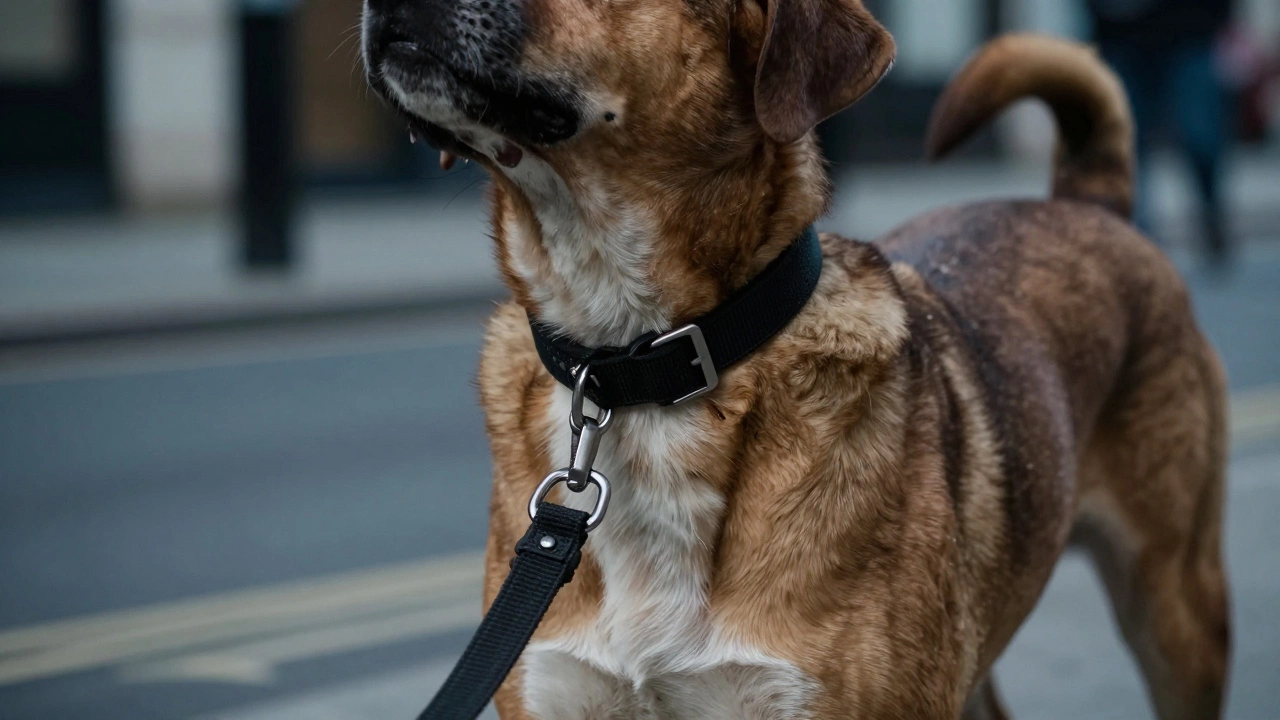
You don’t need to ditch your dog’s regular collar entirely. Use it for ID tags and light walks around the yard. But for daily walks, especially if pulling is a problem, a harness is better. Collars are fine for well-trained dogs who walk calmly. But if your dog pulls, a collar can cause trachea damage, especially in small breeds like Chihuahuas or Pomeranians. That’s why vets in Bristol recommend harnesses for all dogs under 20kg.Training Is the Real Key
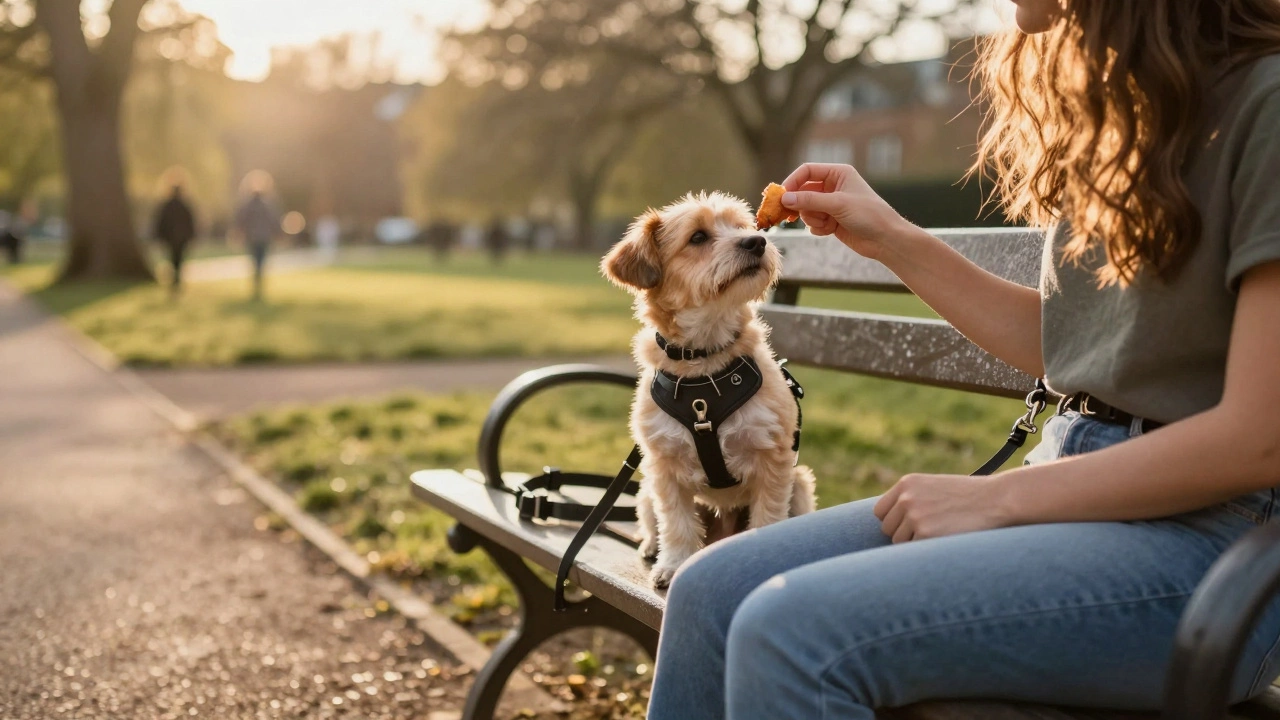
No tool works alone. A no-pull harness is a helper, not a magic fix. You still need to teach your dog that walking beside you is more rewarding than racing ahead. Use high-value treats - pieces of chicken or cheese - during training walks. Keep sessions short. Celebrate small wins. If your dog looks at you instead of pulling? Treat. If they take two steps without tugging? Treat again.Try this trick: Walk backward. When your dog follows you, they’re learning to pay attention. It’s silly, but it works. Dogs naturally follow movement. Backing up turns walking into a game.
When to See a Professional
If your dog is still pulling after two weeks of consistent training with a front-clip harness, it might be time to work with a certified dog trainer. Look for someone who uses positive reinforcement only. Avoid anyone who says your dog is “dominant” or recommends choke chains. In the UK, organisations like the Association of Pet Dog Trainers (APDT) and the Institute of Modern Dog Trainers (IMDT) list certified professionals. A single 45-minute session can reset your walks for good.What to Avoid
- Retractable leashes - they encourage pulling by giving dogs too much freedom. Use a 4-6 foot fixed-length leash instead. - Yanking or shouting - it teaches your dog that walks are stressful, not fun. - Waiting too long to start - puppies learn faster. Start leash training at 8-12 weeks old. But it’s never too late. A 7-year-old Labrador can still learn to walk nicely.Final Tip: Make It Fun
Walks should be the highlight of your dog’s day, not a chore. Mix up routes. Let them sniff. Pause for a treat every few minutes. If your dog is calm and walking beside you, praise them. If they pull, stop. No drama. Just quiet, consistent redirection.It takes time. But within a few weeks, you’ll notice a change. Your dog will look to you for direction. They’ll walk slower, stay closer, and even check in with you before darting off. That’s not just good leash manners. That’s a stronger bond.
Is a collar or harness better for stopping a dog from pulling?
A harness is better - especially a front-clip harness. Collars concentrate pressure on the neck, which can hurt your dog and doesn’t stop pulling effectively. A harness redirects the force to the chest, making pulling less rewarding and safer for your dog’s body.
How long does it take to stop a dog from pulling?
Most dogs show improvement in 3-7 days with consistent training and a front-clip harness. Full results usually take 2-4 weeks. It depends on your dog’s age, energy level, and how often you practice. Short, daily walks with rewards work better than long, infrequent ones.
Can I use a head halter instead of a harness?
Yes, but only if your dog accepts it. Head halters like Halti or Gentle Leader work well for strong pullers, but some dogs find them uncomfortable or confusing. Always introduce them slowly indoors with treats. If your dog panics or tries to rub it off, switch to a front-clip harness.
Are retractable leashes bad for dogs who pull?
Yes. Retractable leashes let dogs run far ahead, which reinforces pulling. The sudden stop when the leash snaps back can also hurt their neck. Use a fixed 4-6 foot leash for training. It gives you control and helps your dog learn to stay close.
What if my dog still pulls after trying a harness?
You might need more structured training. Try walking backward to encourage your dog to follow you. Or work with a certified positive-reinforcement trainer. Sometimes, underlying issues like anxiety or over-excitement need professional guidance. Don’t give up - progress is possible at any age.