Cat Wet Food Calorie Calculator
Key Considerations:
- 10 lb cat needs 250-280 daily calories
- Always check calorie count on the can
- Split into 2-3 meals for better digestion
- Monitor body condition: ribs should be felt but not seen
- Adjust for health conditions (seniors, kittens, overweight cats)
Daily Calorie Requirement: 275 calories
Cans Needed Per Day: 3.2
Recommended Meal Split: 1.5 cans morning, 1.5 cans evening
If you’ve ever stared at a can of wet cat food wondering how much to actually give your 10-pound cat, you’re not alone. It’s not just about emptying the can or guessing based on what’s left over. Too little, and your cat might lose weight or get sluggish. Too much, and you’re risking obesity, diabetes, or just wasting money. The right amount isn’t magic-it’s math, biology, and a little bit of observation.
Start with calories, not cans
Most cat food labels say ‘feed 1 can per 3-5 lbs of body weight,’ but that’s a broad range. A 10-pound cat doesn’t need two full cans just because the label says so. What really matters is how many calories your cat needs each day.
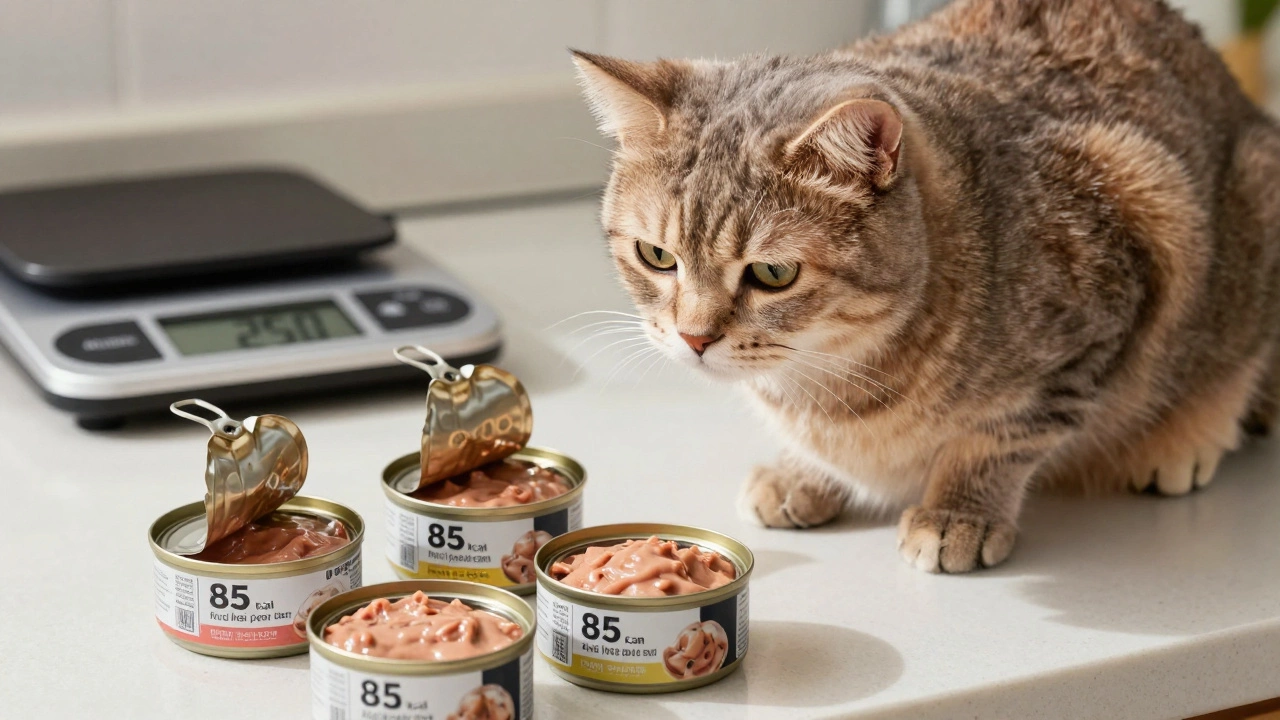
A healthy adult 10-pound cat typically needs about 250 to 280 calories per day. That’s the baseline. But if your cat is very active, young, or pregnant, they might need up to 320. If they’re older or less mobile, 220 might be enough. Always check the calorie content on the can. Most wet foods range from 70 to 120 calories per 3-ounce can. So if your food is 85 calories per can, your cat needs about 3 cans a day. If it’s 110 calories, then 2 to 2.5 cans will do.
How to read the can label
Not all wet food is made the same. A can labeled ‘chicken formula’ might have 80 calories, while a ‘premium salmon’ version could have 115. Always look for the calories per can on the back. That number is your key. Ignore the vague feeding guides that say ‘feed 1-2 cans daily.’ They’re written for a range of weights, not your specific cat.
For example:
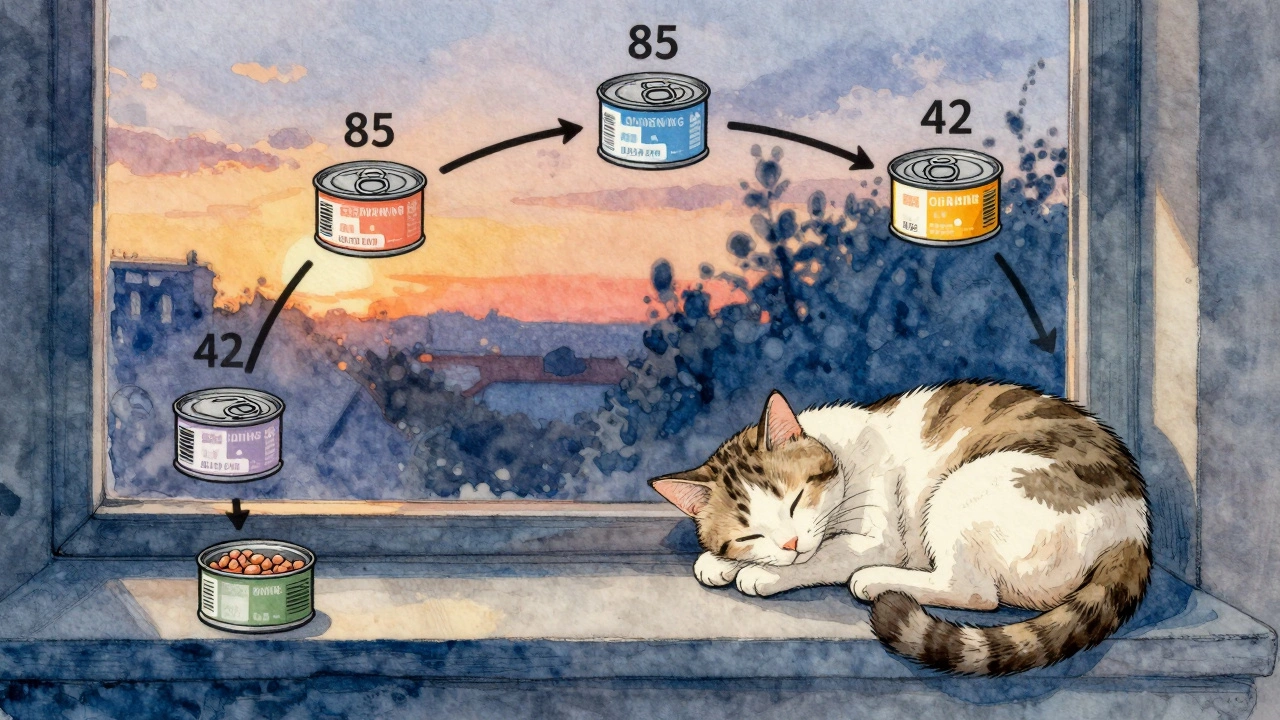
- Can A: 3 oz, 85 kcal → 10 lb cat needs ~3 cans/day
- Can B: 3 oz, 110 kcal → 10 lb cat needs ~2.5 cans/day
- Can C: 5.5 oz, 180 kcal → 10 lb cat needs ~1.5 cans/day
That’s why measuring by calories-not cans-is the only reliable method. If you’re switching brands, always recalculate. A cat eating the same number of cans on a new food might be getting 50% more or less energy than before.
Split meals for better digestion
Cats aren’t designed to eat two big meals a day. In the wild, they hunt small prey 10-15 times a day. That’s why offering food in two or three smaller portions works better than one big bowl.
For a 10-pound cat eating 2.5 cans a day, try:
- 1 can in the morning
- 1 can in the evening
- 0.5 can as a late-night snack
This keeps their metabolism steady and prevents blood sugar spikes. It also helps with digestion. Many owners report fewer hairballs and less vomiting when meals are split up.
Watch your cat’s body condition
Numbers are a starting point-not the final word. You need to look at your cat. Run your hands along their ribs. You should feel them with light pressure, but not see them. Look from above: you should see a slight waist behind the ribs. From the side, their belly should tuck up slightly, not hang down.
If your cat looks like a sausage with legs, cut back by 10%. If they’re bony and you can see every rib, add a quarter of a can. Weigh them every two weeks. A healthy cat should stay within a 5% weight range over time. A 10-pound cat gaining 8 ounces in a month is a red flag.
Don’t mix wet and dry without adjusting
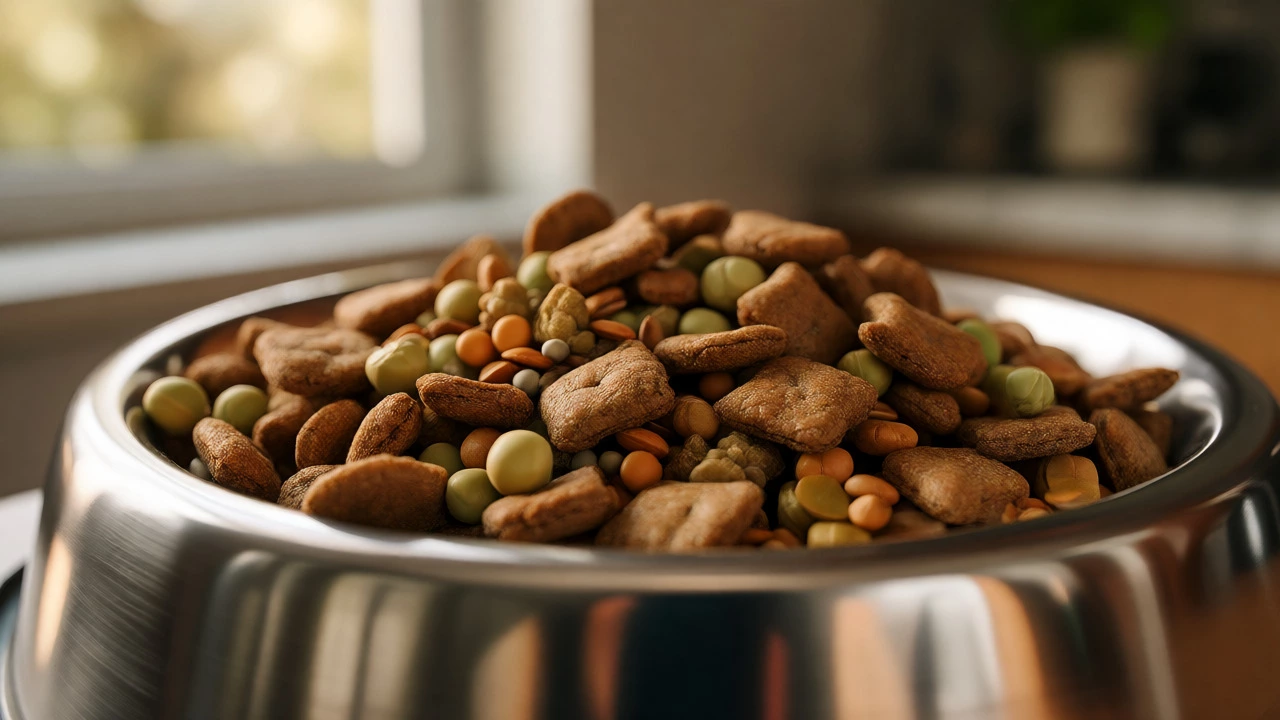
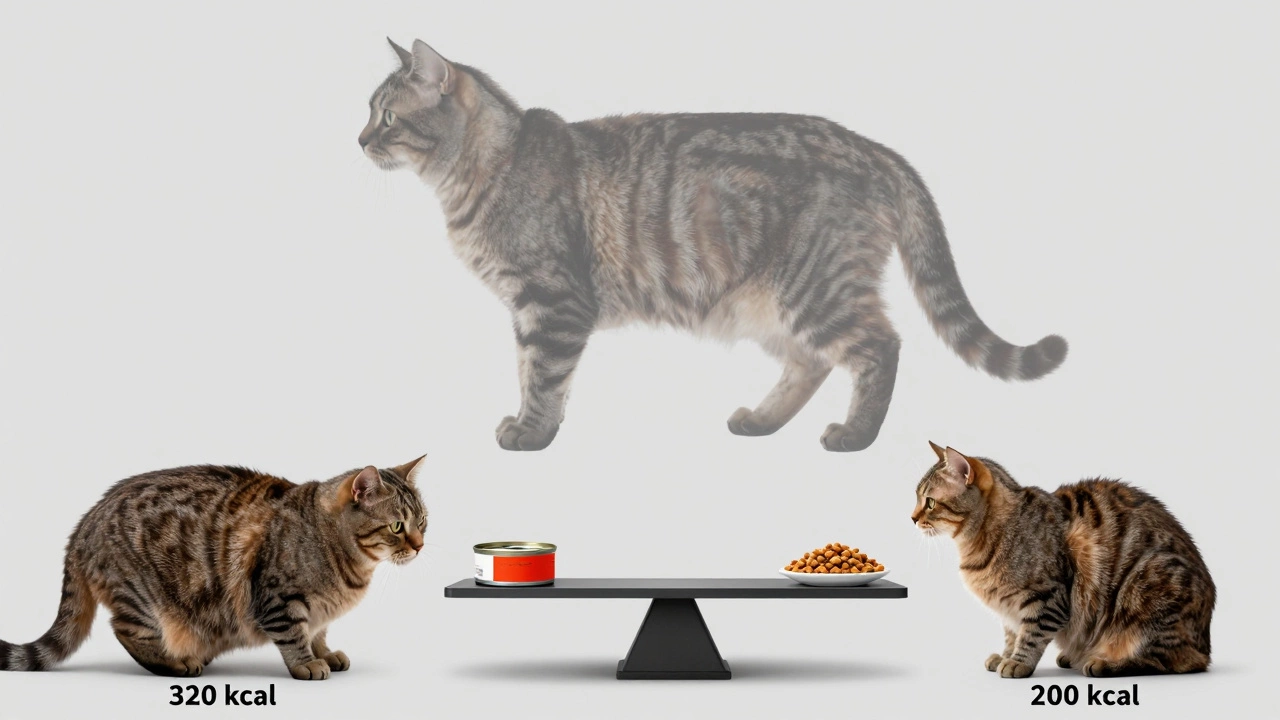
Many people give wet food in the morning and dry food all day. That’s fine-but you have to account for the calories from both. A typical cup of dry food has 300-400 calories. If your cat eats half a cup of dry food daily, that’s already 150-200 calories. Add one can of wet food (85-110 kcal), and you’re over 300 calories. That’s too much for a 10-pound cat.
Here’s how to balance it:
- If feeding dry food, reduce wet food by 1/2 to 1 can per day
- Use dry food as a supplement, not the main source
- Never let dry food sit out all day if your cat is overweight
Wet food is better for hydration, kidney health, and appetite. Dry food is convenient but not nutritionally superior. If you’re giving both, make sure the total doesn’t exceed your cat’s daily need.
Special cases: seniors, kittens, and overweight cats
Not all 10-pound cats are the same. A 15-year-old cat with kidney disease might need more water and fewer calories-so you’d pick a lower-calorie wet food and feed slightly less. A 2-year-old kitten at 10 pounds? They’re still growing. They might need 300-320 calories a day, so you’d go toward the higher end of the range.
Overweight cats need a plan. Don’t just cut food. Work with your vet to choose a weight-loss formula. These are designed to keep your cat full while cutting calories. Some have added fiber or L-carnitine. You might feed 2 cans a day of a 70-calorie formula instead of 2.5 cans of a regular one. Never drop below 200 calories a day. That’s dangerous.
Hydration matters more than you think
Wet food is about 75-80% water. Dry food is less than 10%. A 10-pound cat needs about 7-9 ounces of water daily. If they’re eating mostly dry food, they’re drinking from the bowl. If they’re eating wet food, they’re getting most of it from their meals.
That’s why vets push wet food for cats with urinary issues, kidney disease, or constipation. Even if your cat is healthy, wet food helps prevent long-term problems. If you’re feeding wet food, you don’t need to force them to drink from a fountain. But make sure fresh water is always available.
What to do if your cat won’t eat enough
Sometimes, a cat refuses food. That’s serious. If your 10-pound cat skips meals for more than 24 hours, call your vet. Cats can develop hepatic lipidosis-a life-threatening liver condition-if they don’t eat for too long.
Try warming the food slightly. Cats prefer food at body temperature. Add a splash of low-sodium chicken broth (no onion or garlic). Switch flavors. Some cats go from chicken to tuna overnight. If they’re still not eating, it’s not a picky habit-it’s a medical sign.
Final checklist for a 10 lb cat
- Check the calorie content per can on the label
- Calculate daily needs: 250-280 kcal for average cats
- Divide into 2-3 meals
- Adjust based on body condition-not the label’s suggestion
- Account for dry food if you’re feeding both
- Weigh your cat every two weeks
- Call your vet if they stop eating for 24+ hours
There’s no one-size-fits-all answer, but there is a clear path: know the calories, observe your cat, and adjust. Your 10-pound cat isn’t a number on a scale-they’re a living animal with unique needs. Feed them based on what their body tells you, not what a can says.”
How many cans of wet food should a 10 lb cat eat per day?
A 10-pound cat typically needs 2 to 3 cans of wet food per day, but it depends on the calorie content of the food. Most 3-ounce cans have between 70 and 120 calories. If the can has 85 calories, feed about 3 cans. If it has 110 calories, feed 2 to 2.5 cans. Always check the label and adjust based on your cat’s body condition.
Can I feed my 10 lb cat only dry food?
You can, but it’s not ideal. Dry food lacks moisture, which increases the risk of urinary tract issues and kidney problems over time. A 10-pound cat on dry food alone needs about 1/2 to 3/4 cup daily, but you’ll need to ensure they drink plenty of water. Wet food is better for hydration and digestion, and most vets recommend it as the primary diet.
Why is my 10 lb cat always hungry?
If your cat is always hungry despite eating the right amount, it could be due to medical issues like hyperthyroidism, diabetes, or intestinal parasites. These conditions increase metabolism or prevent nutrient absorption. If your cat is losing weight while eating more, see your vet. Otherwise, try splitting meals or adding a low-calorie fiber supplement like canned pumpkin.
Should I feed wet food at every meal?
Yes, especially if your cat is 10 pounds or more. Wet food supports hydration, kidney health, and helps prevent obesity because it’s more filling with fewer calories. You can mix in a small amount of dry food as a treat or for convenience, but wet food should make up the majority of their daily intake.
How do I know if I’m overfeeding my cat?
Signs of overfeeding include a round belly that hangs down, difficulty grooming, lethargy, and difficulty jumping. You shouldn’t be able to see the ribs, but you should feel them easily with light pressure. If your cat gains more than 4 ounces in a month, reduce food by 10% and recheck in two weeks.