Puppy Bladder & Schedule Calculator
Your puppy can technically hold it for up to - hours.
Recommended Action Plan:
Take them out every - minutes.
Immediate trips after waking, eating, or intense play.
Enter your puppy's age to see their customized potty training window.
You just brought home a fluffy new addition to the family, but then you look down and realize your living room rug is now a giant puppy toilet. It's a rite of passage for every dog owner, but it doesn't have to be a nightmare. The secret isn't some magic spray or a fancy gadget; it's about understanding your puppy's internal clock and being consistent enough that they can't help but succeed.
Quick Wins for New Puppy Owners
- Stick to a clock: Feed and walk them at the exact same times every day.
- Watch for the "circle": When they start sniffing and circling, move fast.
- Praise like it's a gold medal: Reward the right behavior immediately.
- Ignore the accidents: Scolding after the fact only teaches them to hide where they pee.
The Core Logic of Housebreaking
Before we get into the steps, you need to understand what's happening in that little head. A puppy doesn't have full control over their bladder until they are roughly 4 to 6 months old. When we talk about potty train a puppy is the process of teaching a dog to eliminate outdoors rather than inside the home, we are essentially building a habit. You aren't just teaching them "where" to go; you're teaching them to recognize the urge and associate the outdoors with the relief of going.
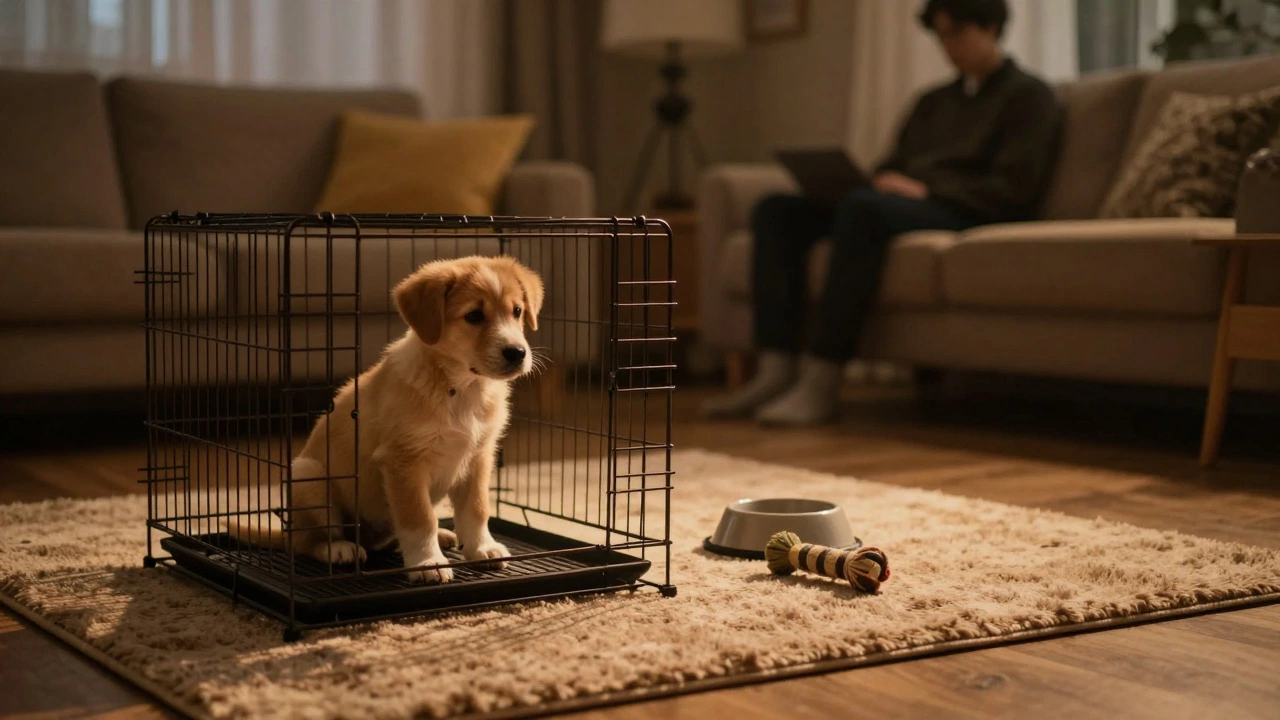
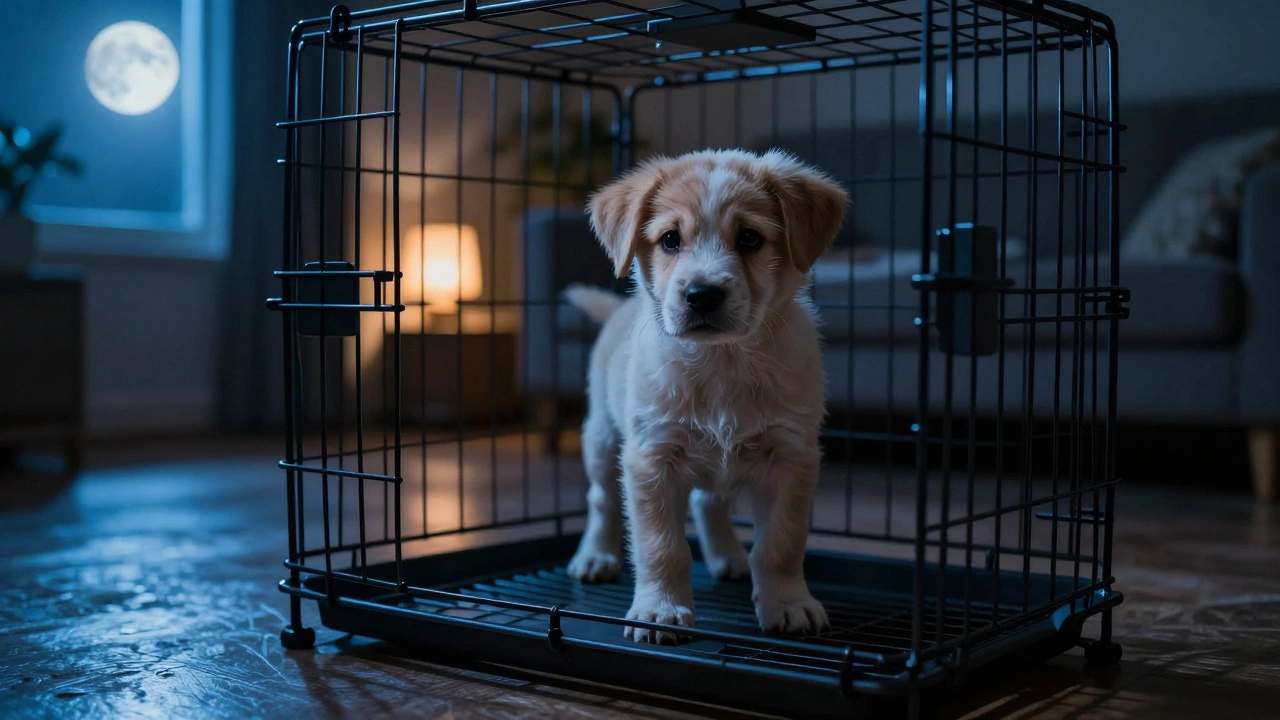
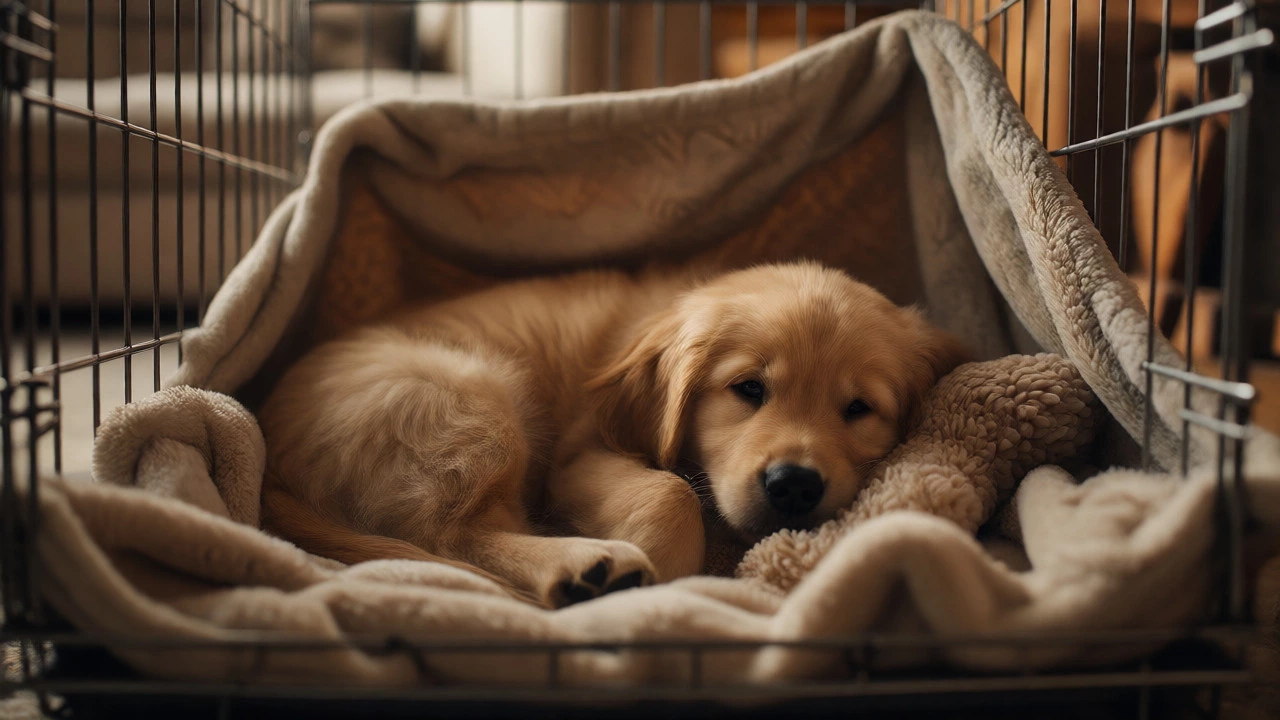
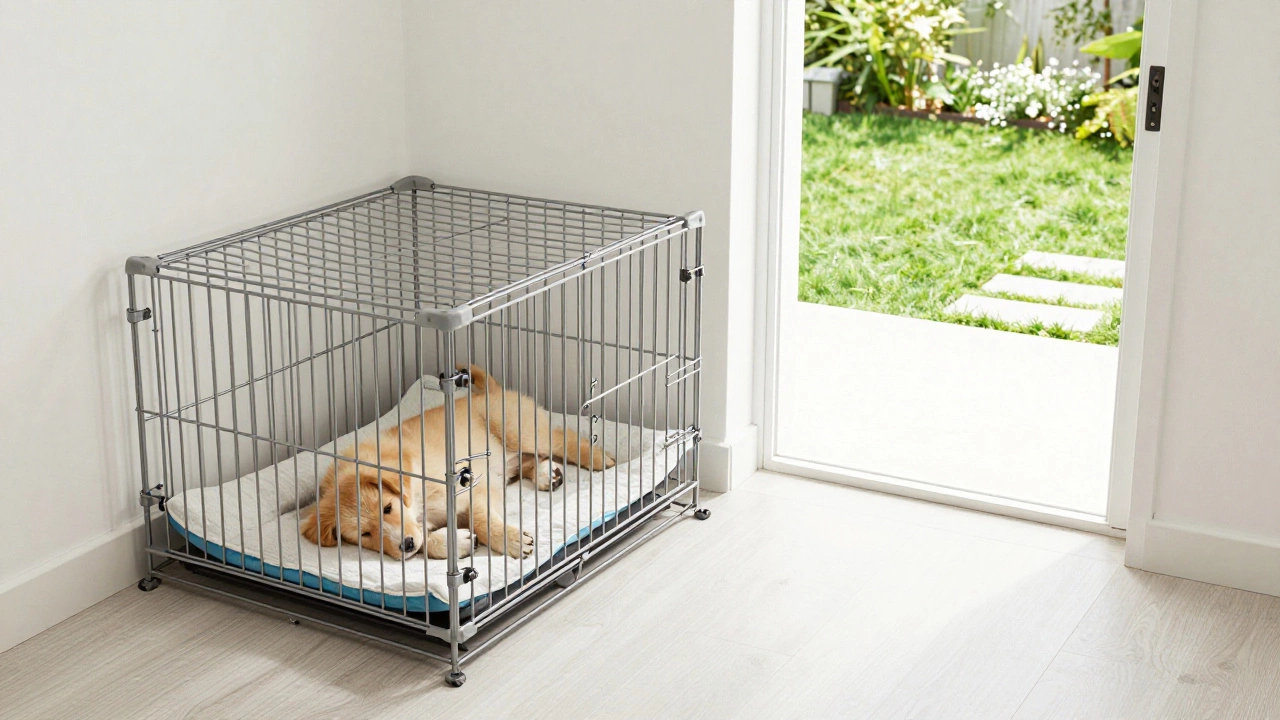
To make this work, you need a few tools. A Crate is a wire or plastic enclosure used for sleeping and training that leverages a dog's instinct to keep its den clean is your best friend here. Dogs naturally avoid soiling where they sleep. If you let a puppy roam free, they'll treat every corner of your house like a bathroom. If they are in a crate, they'll hold it much longer.
Setting Up Your Potty Schedule
Consistency is the only way this works. If you're random, your puppy will be confused. A solid rule of thumb for puppy bladder capacity is: Age in months + 1 = Hours they can hold it. So, a 2-month-old pup can technically hold it for 3 hours, but in reality, you should take them out every 60 to 90 minutes during their active hours.
Here is a sample daily flow that works for most breeds:
| Time/Event | Action | Goal |
|---|---|---|
| Immediately after waking up | Rush to the grass | Empty the overnight bladder |
| 15-30 mins after eating/drinking | Walk to the designated spot | Post-meal elimination |
| After a nap | Direct exit to outdoors | Immediate relief after rest |
| After intense play | Quick trip outside | Exercise often triggers the urge |
| Right before bed | Final outdoor visit | Minimize overnight accidents |
The Step-by-Step Execution
Now that you have a schedule, you need a process. Don't just open the door and hope for the best. You need to guide them.
- Pick a Spot: Choose one specific area in your yard. The scent of previous visits acts as a chemical trigger (pheromone) that tells the puppy "this is where the magic happens."
- Use a Cue Word: While they are going, say something like "go potty" or "do your business." Eventually, the puppy will associate this phrase with the action, allowing you to "request" a potty break during car trips or vet visits.
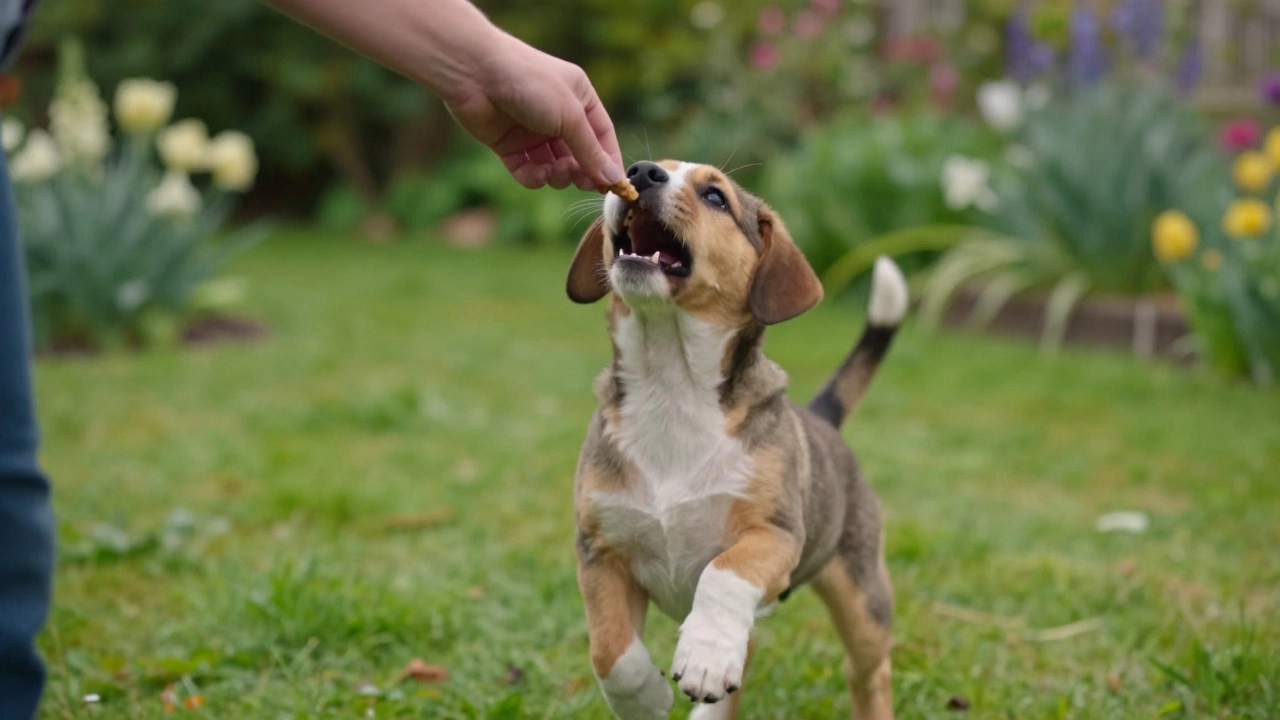
- The Reward Loop: The second they finish, give them a high-value treat and a lot of verbal praise. The treat should happen immediately. If you wait until you're back inside, they think they're being rewarded for coming inside, not for peeing on the grass.
- Manage the Environment: If you can't watch them with 100% focus, they should be in their crate or tethered to you with a leash. This prevents them from wandering off to a hidden corner to have an accident.
Dealing with Accidents (Without Losing Your Mind)
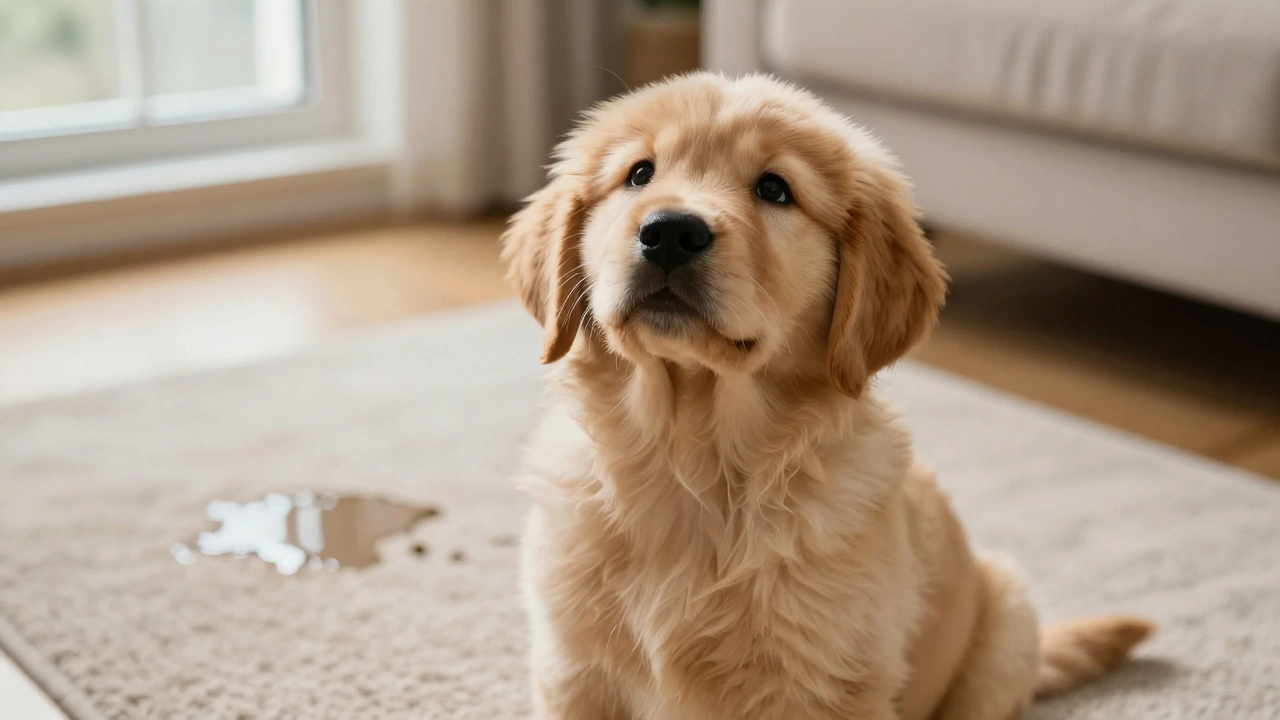
Accidents will happen. Your puppy will leak on your favorite rug, and it'll happen at the worst possible time. How you react determines how fast they learn.
If you catch them in the act, make a sharp noise like "Oops!" to startle them into stopping, then quickly lead them outside. Once they finish outside, praise them. However, if you find a puddle from an hour ago, do not rub their nose in it. This is an old-school technique that doesn't work. Dogs don't connect a past action with a current punishment; they'll just think you're scary and unpredictable, which might actually lead them to hide their accidents in more secretive places.
Clean the spot using an Enzymatic Cleaner is a cleaning solution containing proteins that break down the uric acid in pet urine to remove the scent completely. Standard household cleaners might smell clean to you, but to a dog, the smell of urine remains. If they can smell it, they'll think that spot is a designated bathroom.
Common Pitfalls and How to Fix Them
One of the biggest mistakes owners make is relying solely on Puppy Pads is absorbent disposable squares used to provide a designated indoor area for puppies to urinate. While they seem convenient, they teach your puppy that peeing on a soft surface inside the house is acceptable. If you use pads, use them as a bridge, not a destination. Transition them to grass as soon as possible.
Another issue is the "excitement pee." Puppies often leak when they're happy or stressed. This is different from a full bladder. The fix here is to keep greetings calm and low-energy until the puppy has had a chance to go outside.
If your puppy is suddenly having accidents after being trained, check for a Urinary Tract Infection (UTI) is an infection in a dog's urinary system that can cause urgency and frequent urination. If they seem to be straining or going every 10 minutes without much output, a quick vet trip is necessary.
Connecting Potty Training to Overall Development
Potty training is just one part of the larger puzzle. It ties directly into Positive Reinforcement is a training method that rewards desired behaviors rather than punishing undesired ones. When you reward your dog for going outside, you're building a bond of trust. You're telling them, "When you do this, good things happen."
This period also overlaps with their need for mental stimulation. A bored puppy is a destructive puppy. Using Puzzle Toys is interactive toys designed to challenge a dog's intelligence and provide mental stimulation through food or treat dispensing can keep them occupied between potty breaks, preventing them from chewing your baseboards while they wait for their next walk.
How long does it actually take to potty train a puppy?
Most puppies take anywhere from a few weeks to several months to be fully housebroken. It depends on the breed, the age they arrived home, and your consistency. Small breeds often take longer because they have smaller bladders and a higher metabolic rate. Be patient; consistency is the only shortcut.
Should I use treats or praise?
Use both. Praise provides the emotional connection and tells them they've made you happy, while a high-value treat (like a tiny piece of boiled chicken) provides a tangible reward that reinforces the behavior in their brain. The key is timing: the reward must happen within seconds of them finishing.
My puppy pees right after coming inside. Why?
This is common and usually happens because they got distracted outside. They might have seen a bird or smelled a leaf and forgot to go. The moment they step back into the quiet environment of your home, their brain "resets," and they realize they actually have to pee. The fix is to stay in the potty area and keep them focused until they finish.
Can I use a bell on the door?
Yes, bells can be very helpful. You hang a bell on the door and touch it with your finger every time you take the puppy out. Eventually, you teach the puppy to touch the bell with their paw to "ask" to go out. This is great for older puppies who have the bladder control but need a way to communicate.
What if my puppy has an accident in their crate?
First, don't scold them. If they are peeing in the crate, it's usually a sign that the crate is too large (they can pee in one corner and sleep in the other) or that they've been left for too long. Ensure the crate is just large enough for them to turn around and lie down comfortably.