Dog Overnight Collar Safety Calculator
Assess Your Situation
Risk Assessment Result
Please fill out the form to see if it is safe to leave your dog's collar on.
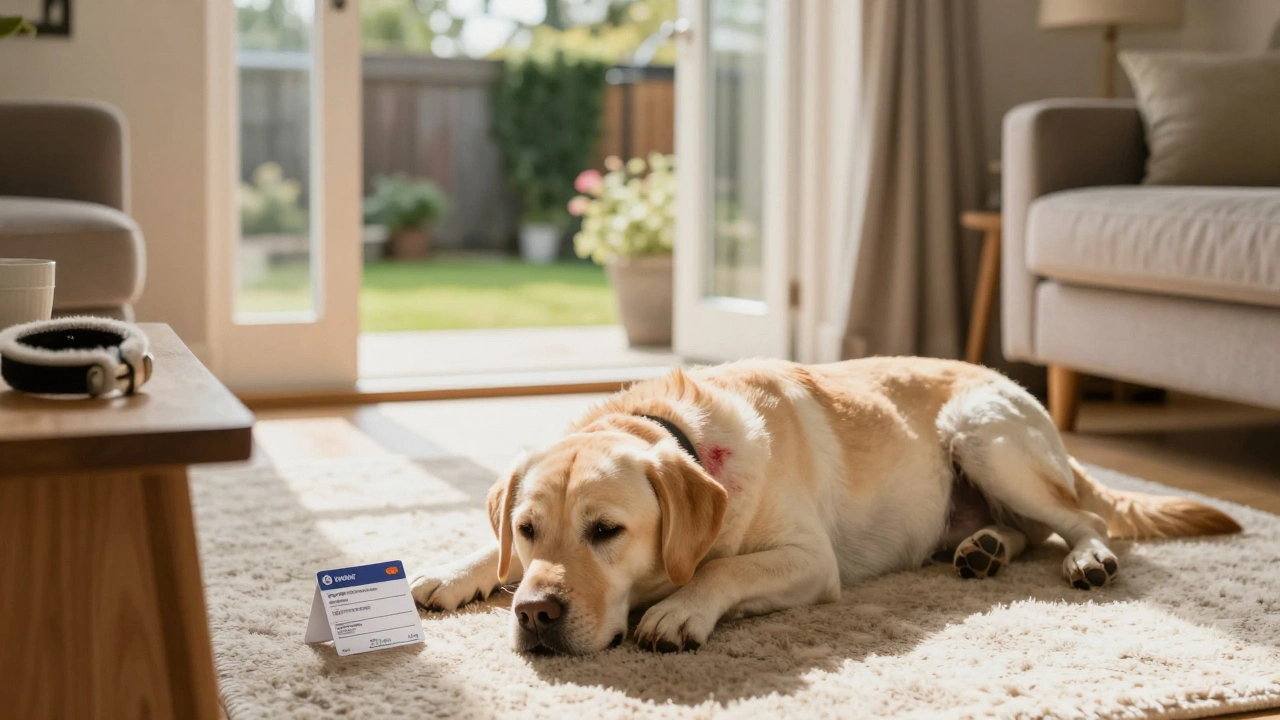
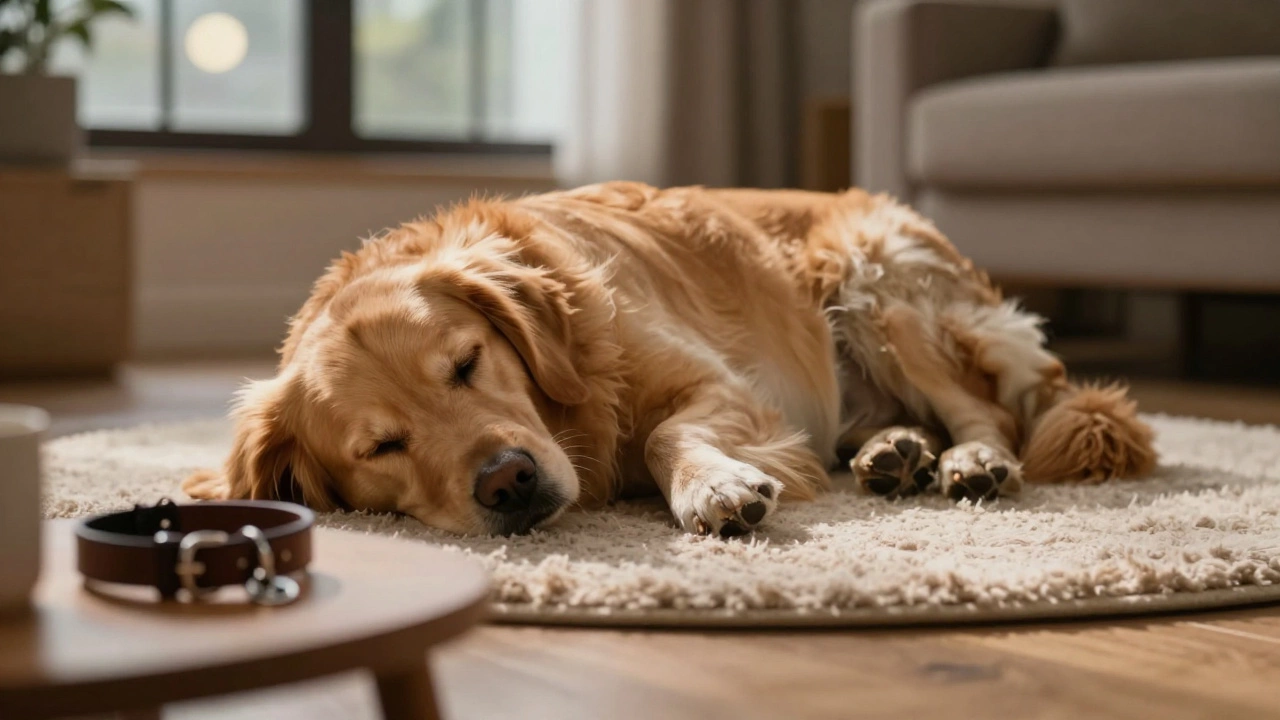
Picture this: your dog is curled up on the rug, fast asleep. The house is quiet. But there’s a small plastic buckle resting against their neck all night long. Is that harmless habit actually risky? It’s a question many of us ignore because it feels minor. Yet, for some dogs, leaving a collar on while they sleep can lead to injury, discomfort, or even worse.
The short answer? For most dogs, yes-you should take their collar off at night. While it might seem like a hassle, removing the collar protects your pet from choking hazards, skin irritation, and accidental strangulation. Let’s break down why this simple step matters and how to manage identification without compromising safety.
The Hidden Dangers of Overnight Collars
We often think of collars as static accessories. They sit there, right? Wrong. Dogs move in their sleep. They twist, turn, roll, and sometimes get tangled in bedding or furniture legs. A collar that fits perfectly during the day can become a trap overnight.
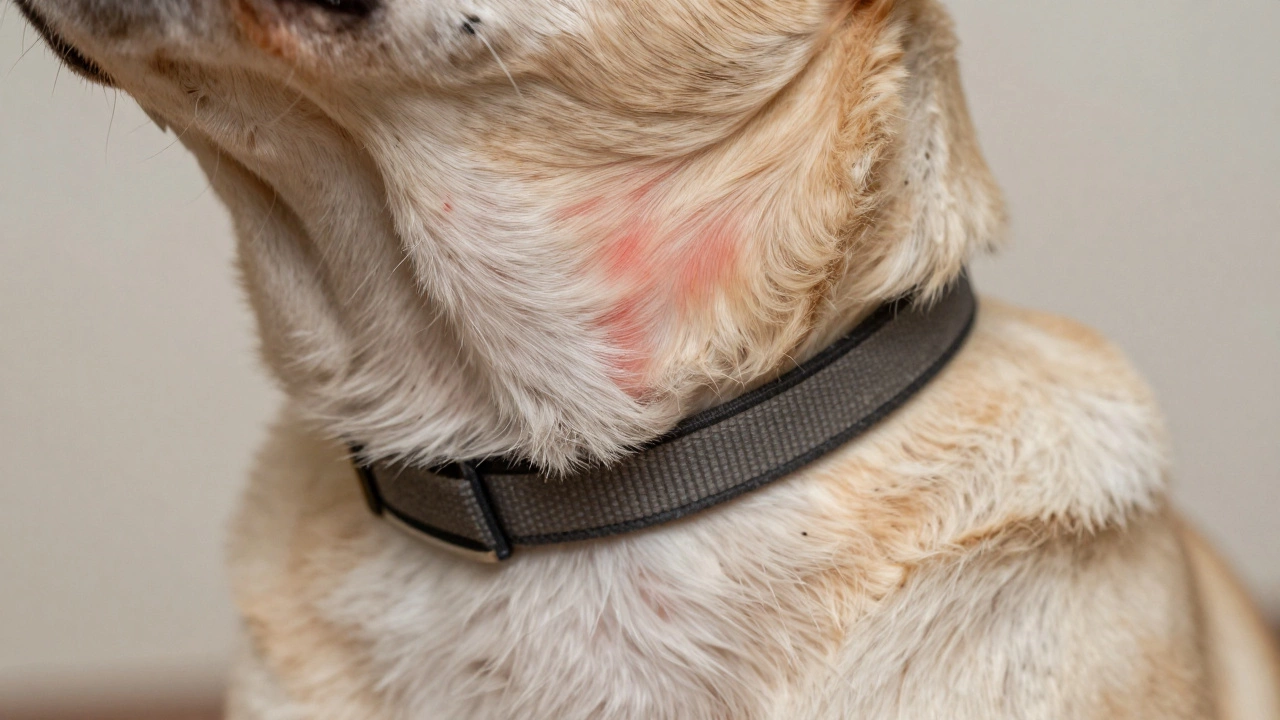
The biggest risk is entanglement. If a collar catches on a bedpost, a crate bar, or even another piece of clothing, your dog could panic and pull back. This creates a noose effect. Even if the collar doesn’t tighten fully, the pressure on the trachea (windpipe) can cause bruising or damage over time. In extreme cases, this leads to life-threatening strangulation.
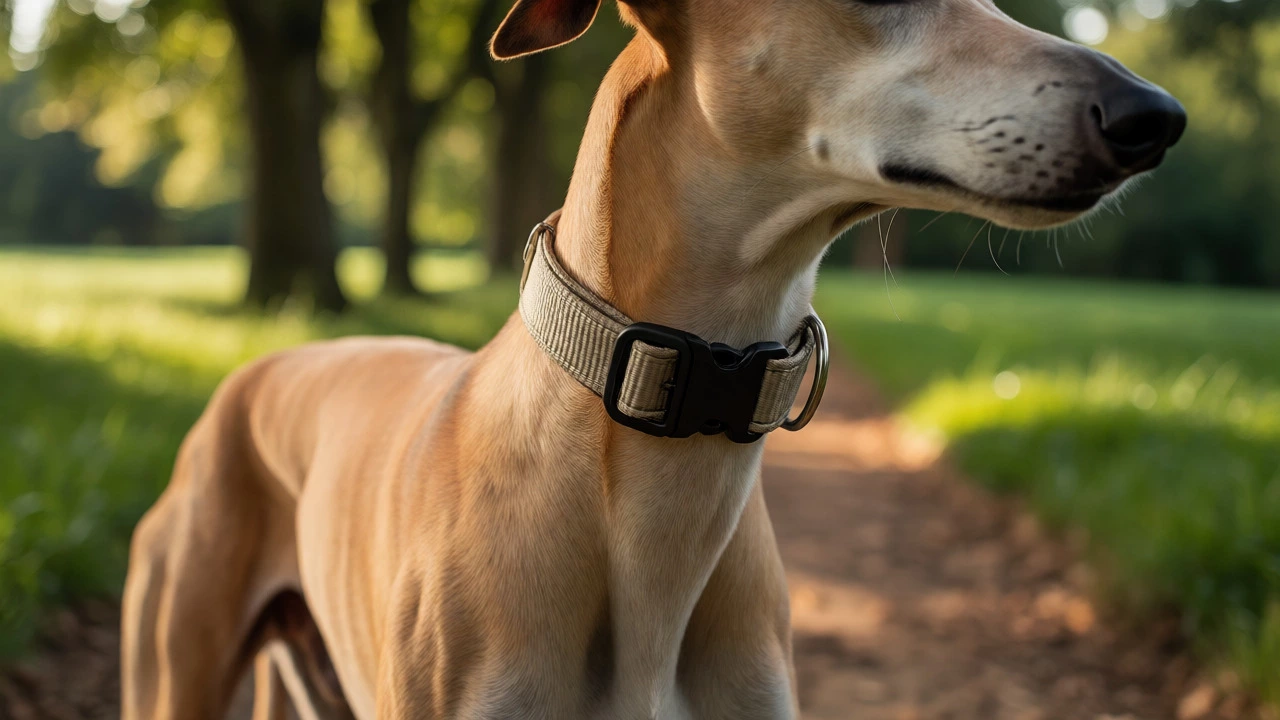
Then there’s the issue of fit. Many owners leave one finger’s width between the collar and the neck-a good rule for daytime wear. But when a dog lies flat, their neck muscles relax, and the circumference changes slightly. A collar that feels loose standing up might dig in when lying down, especially for breeds with prominent windpipes like Greyhounds or Bulldogs.
| Risk Type | Description | Severity |
|---|---|---|
| Entanglement | Collar catches on objects, causing pulling or strangulation | High |
| Skin Irritation | Friction causes redness, hair loss, or hot spots | Medium |
| Pressure Sores | Constant pressure on the same spot damages tissue | Medium |
| Tag Noise | Metal tags jingle, disturbing sleep quality | Low |
Comfort Matters More Than You Think
Dogs aren’t just sleeping; they’re recovering. Just like humans need a comfortable pillow, dogs need unrestricted movement and breathing while they rest. A collar adds unnecessary weight and restriction.
Think about your own experience. Have you ever worn a watch or bracelet to bed? Most people don’t. We remove them because they feel bulky or cold. Dogs feel similar sensations. Metal buckles can get cold against the skin. Plastic clips can press into sensitive areas. And those shiny ID tags? They clink together every time your dog shifts position. That constant noise can disrupt deep sleep cycles, leading to restless nights and grumpy mornings.
For older dogs or those with arthritis, any extra resistance around the neck makes getting up harder. Removing the collar reduces strain on their cervical spine and allows freer movement. It’s a small change that improves overall quality of life.
What About Identification?
I know what you’re thinking: “If I take the collar off, how will my dog be identified if they escape?” That’s a valid concern. But here’s the truth: a collar isn’t foolproof identification. Collars break. Buckles fail. Dogs slip out of them. Relying solely on a collar for ID is risky.
The best solution? Microchipping. A microchip is permanent, painless, and cannot be lost or removed accidentally. It’s implanted under the skin between the shoulder blades. When scanned, it provides your contact information directly to shelters or vets. Combine this with a visible form of ID during the day, and you’ve got a solid safety net.
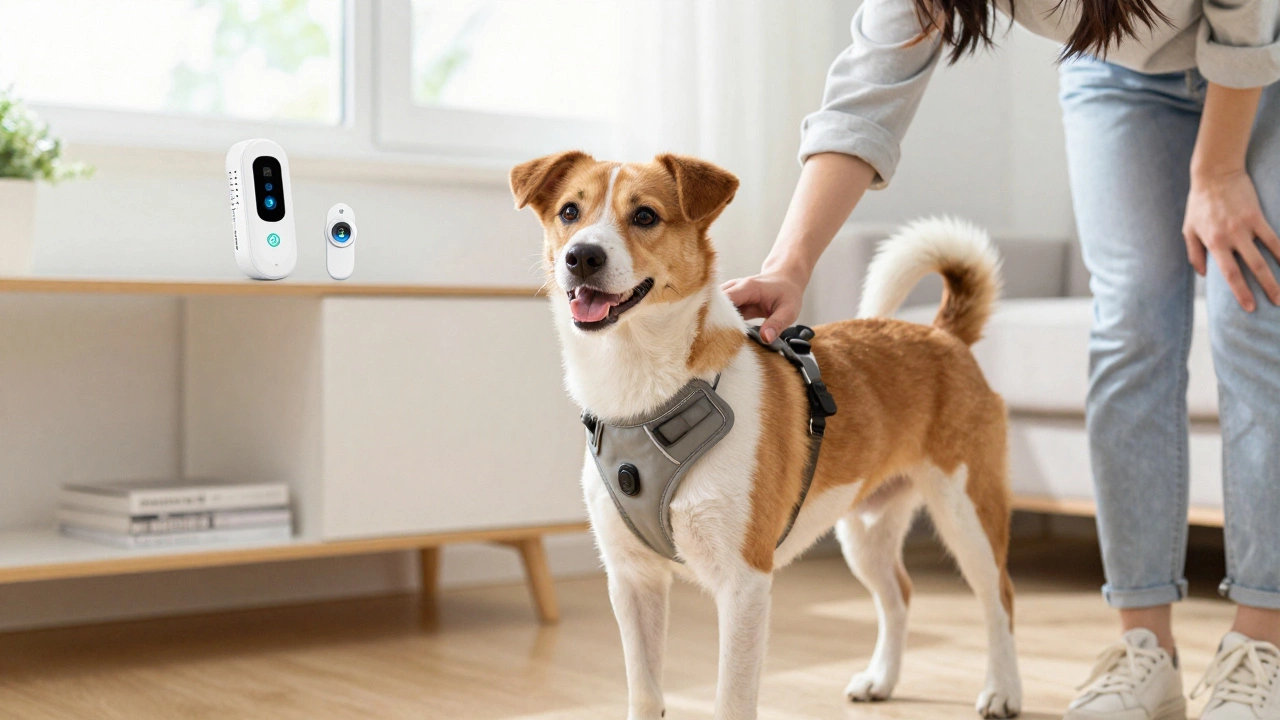
If you still want visual ID at night, consider a lightweight harness instead. Harnesses distribute pressure across the chest rather than the neck. They’re less likely to cause choking if caught on something. Plus, many modern harnesses have loops where you can attach a tag. However, even harnesses should be monitored closely-some dogs still find them restrictive during sleep.
When Might You Leave the Collar On?
There are exceptions. Not every situation calls for removal. Here’s when you might keep the collar on:
- Medical Reasons: Some dogs wear Elizabethan collars (cones) or soft recovery suits after surgery. These stay on 24/7 until cleared by a vet.
- Behavioral Training: If your dog is undergoing aggressive training or has severe separation anxiety, keeping the collar on may help reinforce commands or deter certain behaviors. Consult a professional trainer first.
- Escape Artists: If your dog frequently slips out of doors or windows, leaving the collar on ensures immediate identification if they bolt. Use a breakaway collar designed to snap open under pressure.
Even in these cases, monitor your dog closely. Check for signs of discomfort: scratching, whining, or trying to bite the collar. If you see these, adjust accordingly.
How to Make Removal Easy
Taking off a collar shouldn’t feel like a chore. Build it into your evening routine. Pair it with something positive, like dinner prep or brushing teeth. Your dog will associate the action with calmness.
- Choose the Right Time: Remove the collar right before bedtime. Don’t wait until morning. Consistency helps your dog understand the pattern.
- Use a Breakaway Collar: Invest in a breakaway design. These collars release automatically if pulled hard enough. Great for peace of mind if you forget to remove it.
- Store It Safely: Hang the collar near the door or on a hook. Keep it away from kids and other pets who might chew on it.
- Check Fit Daily: Even if you remove it nightly, check the fit each morning. Skin grows, fur thickens, and weights change. Adjust as needed.
Alternatives to Traditional Collars
If you’re worried about losing track of your dog without a collar, explore alternatives:
- Harnesses: Better for walking and playing. Less stressful on the neck. Can include ID pockets.
- Belly Bands: Soft fabric bands worn around the midsection. Hold tags securely without touching the neck. Ideal for small breeds.
- Smart Tags: Bluetooth-enabled tags that connect to your phone. Show location history and alert you if the dog leaves a designated zone. Works well with microchips.
- Tattooing: Older method, but still used in some regions. Visible tattoos on the inner thigh or ear provide quick ID. Less common now due to fading and readability issues.
Each option has pros and cons. Choose based on your dog’s personality, lifestyle, and your personal preferences. The goal is balance: safety, comfort, and convenience.
Signs Your Dog Needs a Collar-Free Night
Pay attention to behavior. If your dog does any of the following, it’s time to rethink the collar policy:
- Scratching or biting at the collar area
- Red marks or bald patches behind the ears or under the chin
- Restlessness during sleep
- Coughing or gagging after waking up
- Refusing to lie down unless the collar is removed
These signals indicate discomfort or potential harm. Address them early. Ignoring them can lead to chronic skin conditions or respiratory problems.
Final Thoughts on Nighttime Collar Use
Leaving a collar on overnight isn’t inherently evil-but it’s rarely necessary. Most dogs sleep better, safer, and more comfortably without one. By removing the collar, you reduce risks of entanglement, irritation, and stress. You also give your dog the freedom to move naturally while they recharge.
Combine this practice with proper identification methods like microchipping and smart tags. Stay vigilant. Monitor your dog’s reactions. And remember: small changes make big differences. Your dog deserves a good night’s sleep-and so do you.
Can I leave my dog's collar on while they sleep?
It’s generally not recommended. Collars pose risks of entanglement, skin irritation, and choking. Removing them promotes better sleep and safety.
What if my dog escapes at night?
Ensure your dog is microchipped. Consider using a breakaway collar or harness with an attached ID tag if you must leave something on. Never rely solely on a collar for identification.
Are breakaway collars safe for sleeping?
Yes, breakaway collars are designed to release under tension, reducing strangulation risk. Still, removing them entirely is safer and more comfortable.
How do I know if my dog’s collar is too tight?
You should be able to slide two fingers comfortably under the collar. If you see red marks, hair loss, or difficulty breathing, loosen or remove it immediately.
Do puppies need special consideration?
Absolutely. Puppies grow quickly and have delicate necks. Always check fit daily and remove collars during sleep to prevent accidents.