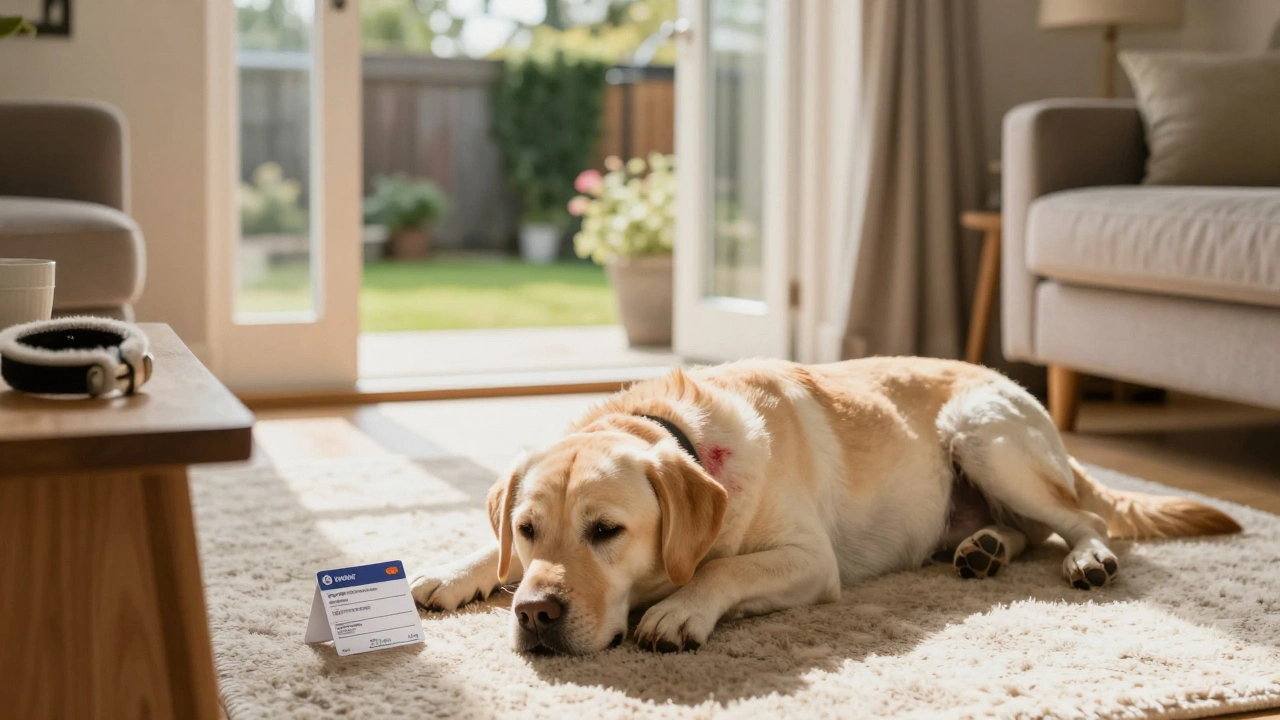
Most dog owners wonder at some point: should I take my dog’s collar off in the house? It seems simple, but the answer isn’t just yes or no. It depends on your dog’s behavior, your home setup, and what’s actually safest for them. A lot of people assume collars are always on for identification, but that’s not always the best practice indoors.
Why You Might Want to Take It Off
Collars aren’t just accessories-they’re potential hazards. Dogs play, run, jump, and roll around the house. If your dog has a standard buckle or snap collar, it can get caught on furniture legs, crate bars, or even their own paws. I’ve seen dogs panic when their collar snagged on a chair, twisting their neck and pulling fur. That’s not rare. In fact, a 2023 study from the UK Veterinary Behaviour Association found that 18% of collar-related injuries in dogs happened indoors, mostly from entanglement.
Some dogs also develop skin irritation from wearing collars all day. Moisture from drool, dirt buildup, or friction from constant rubbing can cause redness or hot spots behind the ears or under the chin. If your dog scratches at their neck more than usual, especially after being indoors for hours, it’s worth checking the collar fit and material.
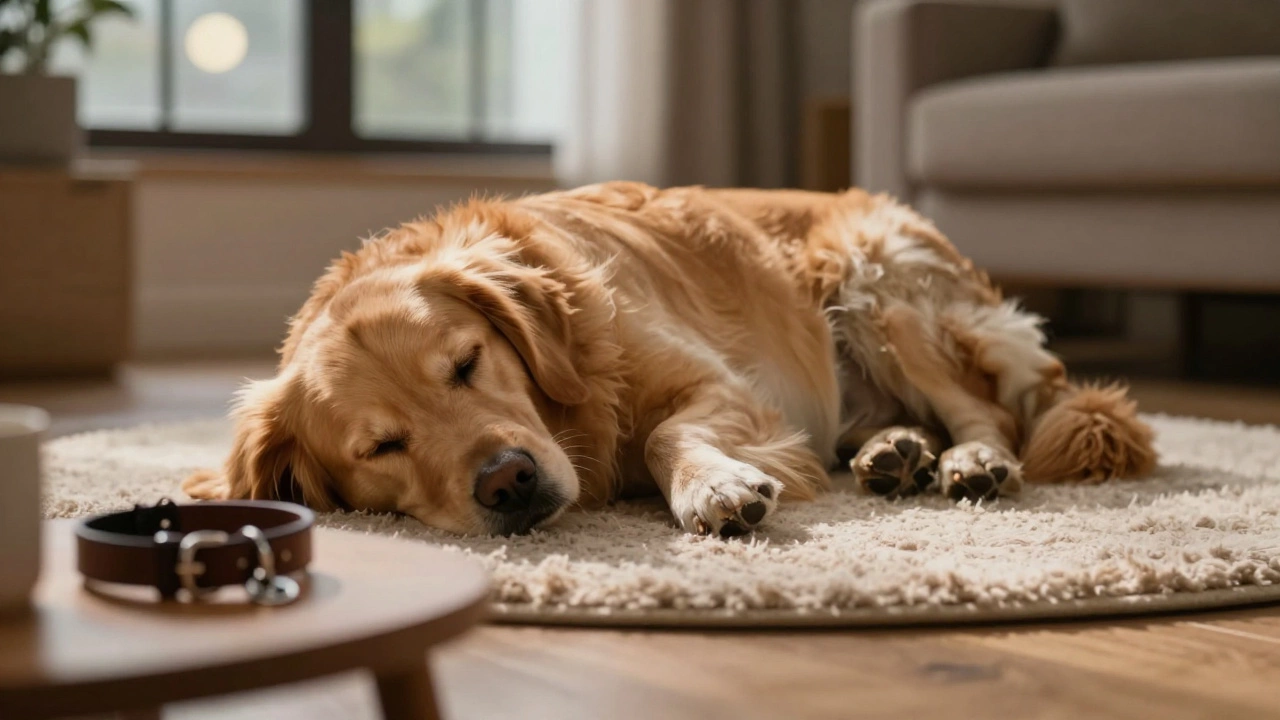
And then there’s comfort. Dogs don’t wear collars because they like them-they wear them because we ask them to. If your dog relaxes more, sleeps deeper, or seems freer without it, that’s a sign the collar might be doing more harm than good indoors.
Why You Might Want to Keep It On
On the flip side, there are real reasons to keep the collar on. The biggest one is safety. If your dog suddenly bolts-maybe startled by a firework, a delivery person, or even a cat darting past the window-you need them to be identifiable. A collar with an ID tag is the fastest way for someone to return them. Microchips are great, but not everyone knows to scan for one. A collar with your phone number? That’s instant.
Also, if you have a dog that’s prone to escaping, or if your home has open doors, a balcony, or a yard that isn’t fully secure, keeping the collar on reduces risk. Even if your dog is well-trained, accidents happen. One second of distraction is all it takes.
Some dogs also wear collars with medical alerts-epilepsy, diabetes, or severe allergies. If your dog has one of these, never remove the collar unless a vet specifically says it’s safe.
When It’s Safe to Take It Off
Here’s when removing the collar indoors makes sense:
- Your home is completely secure-no open doors, no gaps under fences, no chance of escape.
- Your dog has a microchip and you’ve registered it with your current contact info.
- Your dog doesn’t have medical conditions requiring visible alerts.
- You’re home all day and can supervise them closely.
- Your dog shows signs of discomfort from the collar, like constant scratching or hair loss.
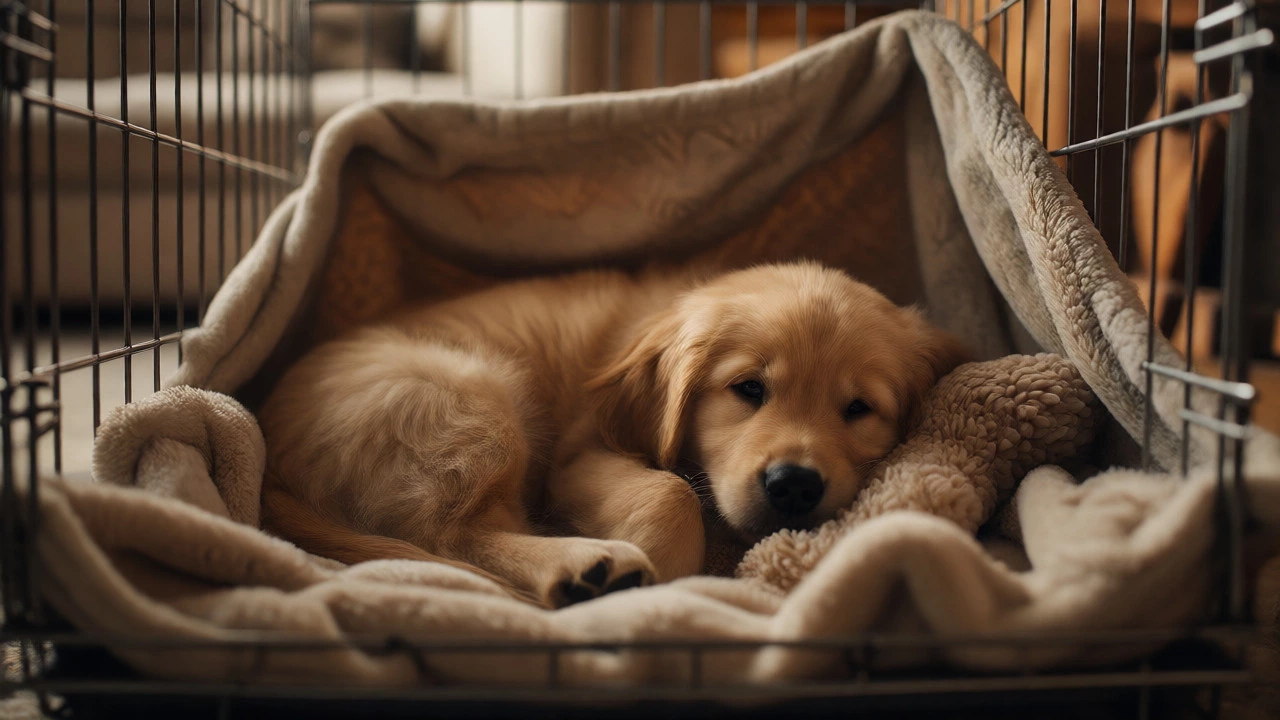
Many owners choose to take collars off during nap times, at night, or when the dog is in a crate or playpen. That’s smart. It gives the skin a break and reduces the risk of snagging while they’re less aware of their surroundings.
Alternatives to Traditional Collars
If you’re worried about safety but want to avoid the collar altogether, there are better options.
Breakaway collars are designed to snap open under pressure. They’re perfect for indoor use because if your dog gets caught, the collar releases instead of choking them. Look for ones with a quick-release buckle and a small ID tag attached.
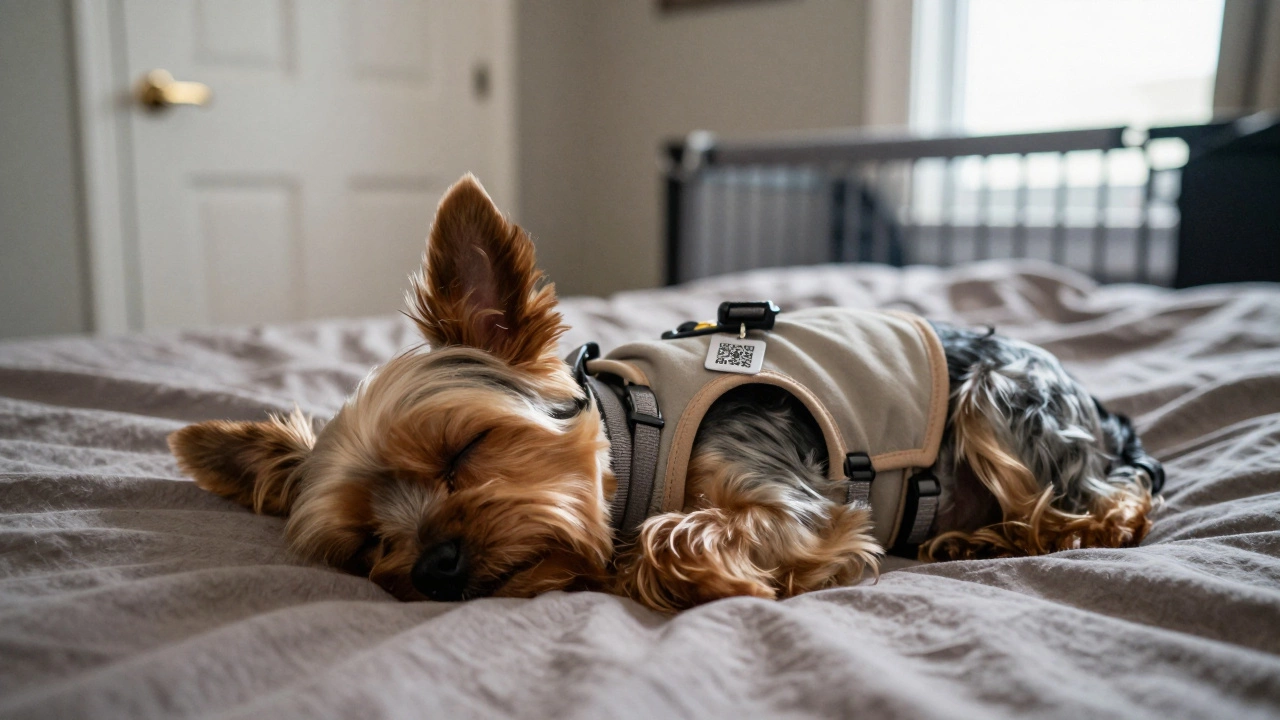
Soft harnesses can double as indoor ID carriers. Some come with a small D-ring where you can clip a tag. They’re less likely to snag than collars and distribute pressure evenly. Great for dogs with sensitive necks.
Smart tags are new but growing. These are small, lightweight devices that attach to your dog’s harness or bed. They use Bluetooth to ping your phone if your dog wanders too far. Not a replacement for a visible ID, but a helpful backup.
And if you’re tech-savvy, consider a QR code pet tag. It’s a flat, lightweight disc you can attach to a harness. Anyone with a phone can scan it and instantly see your contact info-no need for a bulky collar.
How to Decide for Your Dog
There’s no one-size-fits-all answer. But here’s a simple checklist to help you decide:
- Is your home 100% escape-proof? (Doors locked, windows secured, no gaps in fencing?)
- Is your dog microchipped and registered?
- Does your dog have any medical conditions requiring visible alerts?
- Does your dog show signs of collar discomfort?
- Do you have a reliable way to identify your dog if they get out?
If you answered yes to all five, you can safely remove the collar indoors. If you answered no to even one, keep it on-or upgrade to a safer alternative.
Try a test run. Take the collar off for a few hours while you’re home. Watch your dog. Do they seem more relaxed? Do they sleep better? Do they try to escape? If everything’s calm, extend the time. If they get anxious or head for the door, keep it on.
What About at Night?
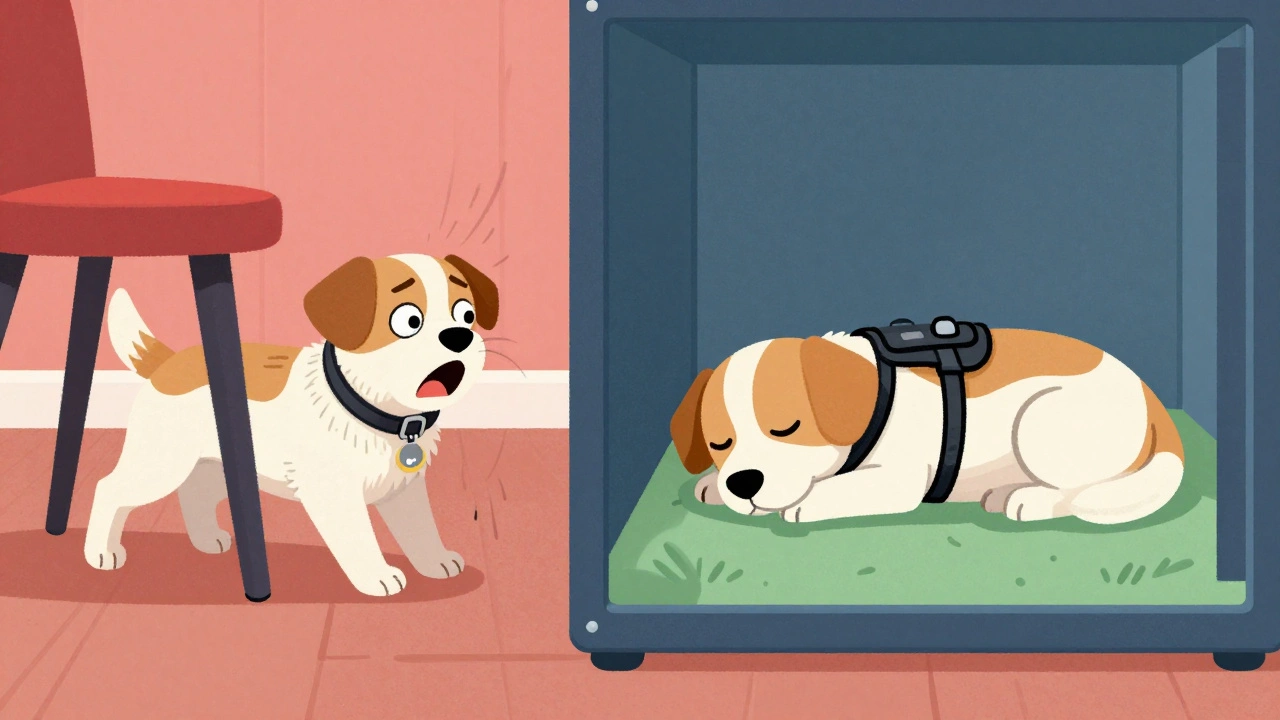
Many owners take collars off at night. That’s fine-if your home is secure. Dogs sleep deeply and can’t react if their collar gets tangled in bedding or the crate. A 2024 survey of 1,200 UK dog owners found that 63% removed collars at night, and only 2% reported any issues.
But if your dog sleeps in a shared space with kids, other pets, or on a bed near stairs, keep the collar on. Or use a breakaway version. Better safe than sorry.
What to Do If Your Dog Loses Their Collar
If your dog loses their collar indoors, don’t panic. But don’t wait. Check your home thoroughly-under furniture, behind curtains, in laundry piles. Dogs often knock tags off and leave them in odd places.
Once you find it, replace it immediately. Don’t assume your dog won’t escape again. Even the calmest dog can bolt if a car backfires or a stranger knocks on the door.
Keep a spare collar and tag ready. Store it near the door. That way, if your dog loses one, you can slip a new one on in seconds.
Final Thoughts
There’s no rule that says your dog must wear a collar 24/7. But there’s also no excuse to skip identification. The goal isn’t to keep the collar on for tradition-it’s to keep your dog safe. If you can do that without a collar indoors, go ahead and remove it. If you can’t, upgrade to something safer.
Most dogs don’t care if they’re wearing a collar. They care if they’re safe, comfortable, and loved. Give them both.
Is it dangerous to leave a dog’s collar on all the time?
Yes, if the collar is too tight, made of rough material, or gets caught on something. Constant wear can cause skin irritation, hair loss, or even neck injuries if the collar snags. Breakaway collars reduce this risk, but even those shouldn’t be worn 24/7 without breaks. Give your dog’s neck some air time, especially indoors where the risk of escape is low.
Can I use a harness instead of a collar indoors?
Absolutely. A soft, well-fitted harness with a tag attached is often safer than a collar indoors. Harnesses don’t put pressure on the neck, are harder to snag, and still hold ID tags. Many owners switch to harnesses for indoor wear, especially for breeds with sensitive tracheas like Pugs or Yorkies.
Do I need to take the collar off if my dog is microchipped?
Microchips are essential, but they’re not enough on their own. Not everyone knows to take a dog to a vet or shelter to scan for a chip. A collar with your phone number lets a neighbor or passerby call you right away. Use both: microchip for backup, collar for instant access.
What’s the best collar for indoor use?
A breakaway collar made of soft, breathable fabric like nylon or neoprene is ideal. Look for one with a quick-release buckle and a small, flat ID tag. Avoid metal buckles or heavy plastic tags-they can catch and hurt. Some brands make indoor-specific collars with reflective stitching for low-light safety.
Should I take my puppy’s collar off at night?
Puppies are more likely to get tangled in bedding or crate bars because they’re still learning to move carefully. If your home is secure and your puppy is microchipped, it’s safer to remove the collar at night. Use a breakaway collar during the day for training and outings. Always check for signs of irritation on their neck.
How often should I check my dog’s collar fit?
Check every week. Puppies grow fast, and adult dogs can gain or lose weight. You should be able to slip two fingers comfortably under the collar. If it’s too tight, it can cut off circulation. If it’s too loose, it can slip over the head or get caught. Adjust it as needed.
Can a collar cause breathing problems?
Yes, especially in brachycephalic breeds like Bulldogs, Pugs, or Shih Tzus. Their airways are already narrow, and constant collar pressure can make breathing harder. For these dogs, a harness is strongly recommended-even indoors. If you must use a collar, make sure it’s loose, soft, and only worn when necessary.